The First Question Paramedics Ask
The first thing a paramedic does when they reach an unconscious patient isn't to check the airway, the pulse, or the bleeding — although those happen seconds later. The first thing they do is look for one piece of information that changes every decision after it: Who is this person?
If the answer comes from a wallet, ID card, or driver's licence, it gives paramedics a name. If the answer comes from a medical alert bracelet, it gives them a name AND the medical history that determines what to do next. That difference can be the difference between right and wrong treatment, between fast care and dangerous delay, between a routine emergency and one that ends badly. This is why a medical ID bracelet saves lives — not because it does anything dramatic, but because it answers the right question at the right moment.
Why Identification Matters in Emergencies
The Australian Resuscitation Council and HealthDirect Australia both emphasise that accurate patient identification is one of the foundational steps in emergency care. The reasons:
Right Treatment, Right Person
Emergency medications, fluids, and procedures are matched to the patient's history. Without knowing who they are, paramedics work blind. With identification, they can match the patient to records, allergies, current medications, and known conditions in seconds.
Avoiding Wrong-Drug Errors
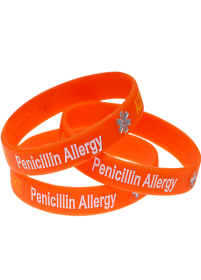
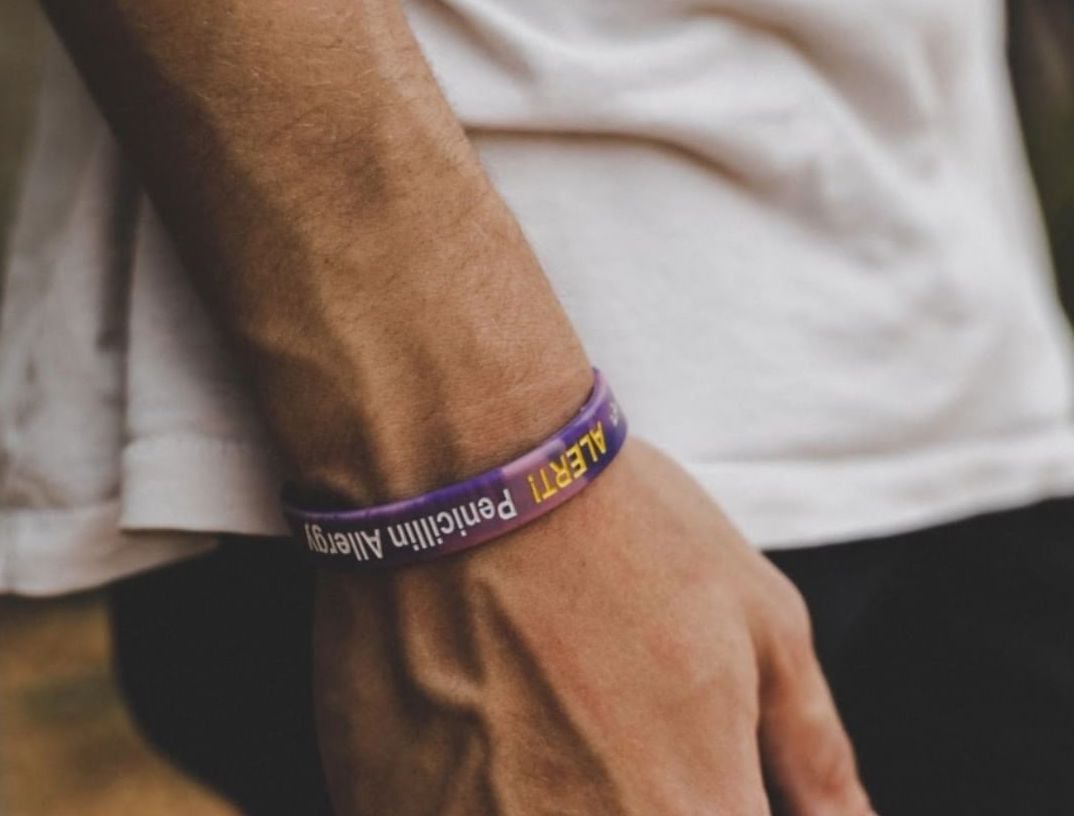
Wrong-drug administration is one of the most common preventable harms in emergency care. A bracelet that says "Warfarin" or "No Aspirin" or "Anaphylaxis – Penicillin" prevents the wrong dose from ever being drawn up.
Family Notification
The phone number on the bracelet gets dialled before the ambulance reaches the hospital. Family arrive at the right hospital, with the right backup information, in time to be there when the patient wakes up.
Hospital Intake
When the patient arrives at the hospital, the paramedic hands over a complete picture: name, condition, medication, contact, history. Triage moves faster. Treatment starts sooner.
Continuity of Care
Paramedics in different states or countries don't have access to your GP records. The bracelet bridges that gap. It's the universal medical ID — readable by any responder, in any language, in any country with international medical training.
Recommended for you
Products related to this article
Hand-picked to go with what you just read.
What Happens Without a Medical ID?
Real-world consequences of missing identification in emergencies:
- Treatment is delayed while staff search for ID, contact registry services, or wait for family to arrive.
- Drugs are given that shouldn't be — common emergency medications interact with anticoagulants, immunosuppressants, and many chronic-condition treatments.
- Allergies cause reactions when a routine antibiotic, contrast dye, or anaesthetic is given without knowledge of allergy.
- Family aren't called until much later, missing the chance to bring critical context (pacemaker model, recent surgery, advance care directive).
- Long-term recovery is harder when the wrong initial treatment causes downstream complications.
A bracelet costs less than a tank of fuel. The cost of NOT having one — even once — can be life-changing. Most wearers describe the bracelet as the best-value medical purchase they ever made.
What Information Should Be On Your Medical ID Bracelet?
Less is more. Paramedics need to read the band in five seconds, not five minutes. Engrave or write only what changes immediate emergency response:
1. Name
First and last name. Helps paramedics personalise care, contact family, and search records.
2. Primary Medical Condition
"Type 1 Diabetic", "Anaphylaxis – Peanut", "Epilepsy", "Heart Disease". One short phrase. The condition that most changes how an emergency is managed.
3. Critical Medication or Allergy
"Warfarin", "EpiPen", "No Penicillin", "Insulin Pump". The single most important treatment fact.
4. Emergency Contact Phone Number
Mobile of a partner or family member who answers 24/7 and can confirm or expand on the bracelet info.
5. "See Wallet Card" or QR Reference
If you carry a fuller medical history elsewhere, point responders to it. The bracelet is the headline; the wallet card is the article.
Skip information that doesn't help: home address, full date of birth, sensitive history, blood type (paramedics will retest in any case). Less crowding means faster reading.
Why Wearable Beats Phone, Card, or Tattoo
Smartphones, ID cards, and medical tattoos all sound modern — but in practice, they fail at the moment of emergency:
- Phones: locked, dead battery, in a different room, or smashed in the impact. Even unlocked phones don't reliably show medical info on the lock screen unless configured.
- ID cards: in the wallet, which is in the bag, which is in the car. Not on the body when an emergency happens away from belongings.
- Medical tattoos: only visible if the tattoo location is exposed. Often missed under clothing or bandages. Cannot be updated when meds change.
- Verbal info: requires the wearer to be conscious and able to speak — exactly the situation a bracelet is designed for.
A medical ID bracelet is on the wrist, neck, or ankle 24/7. It survives water, sweat, sleep, exercise, falls, and accidents. It's the most reliable identification system any patient has — which is why paramedics are trained to look for it first.
Real Stories: When Identification Made the Difference
Across thousands of customer accounts collected by Mediband, certain themes recur:
- A diabetic teenager collapsed at school. The teacher saw the bracelet, called the ambulance, and told paramedics it was likely hypoglycaemia. Glucose was given within four minutes.
- An anaphylaxis sufferer had a reaction at a wedding. A guest noticed the red allergy alert, used the EpiPen, and adrenaline was on board before the ambulance arrived.
- An older traveller had a stroke at an overseas airport. The bracelet identified her language, her medications, and her travel companion's number. The hospital had her medical history within an hour.
- A diver with a pacemaker was unconscious after a near-drowning. The bracelet warned responders against routine defibrillation, leading to a different protocol that saved his life.
The Cost of an ID Bracelet vs. the Cost of Not Having One
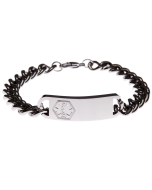
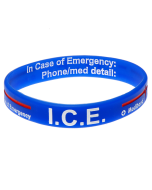
Medical alert bracelets range from soft silicone to premium stainless steel and rose gold. Even at the higher end, the price is a fraction of one ambulance call-out fee. Compared to even one avoided treatment error in a 10-year wearing life, the bracelet pays back its cost dozens of times over.
And unlike most medical devices, the bracelet works passively — no batteries, no software updates, no subscriptions. You put it on. It does its job, every day, until the day you need it most.
Frequently Asked Questions
How exactly does a medical ID bracelet save lives?
By giving paramedics the identification and medical history they need in the first 30 seconds of arriving at an emergency. This avoids wrong-drug errors (the most common preventable harm in emergency care), enables fast family notification, speeds hospital triage, and prevents dangerous interactions with conditions like anticoagulant therapy, severe allergies, and implants. Paramedics worldwide are trained to check both wrists and the neck for medical IDs first.
Will paramedics actually look at my bracelet?
Yes — checking for medical IDs is part of standard paramedic training and protocols globally. The Star of Life and snake-and-staff symbols are recognised in every country with formal emergency medical training. Most paramedics check within the first 30 seconds of starting patient assessment, even before checking detailed vitals.
What if I'm worried about losing privacy by wearing a medical ID?
Engrave only what's needed in an emergency: name, primary condition, critical medication, and emergency contact. Skip address, full date of birth, and sensitive history. For more privacy, choose a designer reversible bracelet that shows the alert side only when needed, or a QR-coded version that shows minimal info on the band and links to a password-protected profile.
Can a medical ID bracelet replace my medical records?
No — it complements them. The bracelet is the headline that gets paramedics moving in the right direction within seconds. Medical records, wallet cards, and QR profiles carry the deeper detail that hospitals need for ongoing care. Together they form a complete safety net: the bracelet for the first 30 seconds, the records for everything after.
What if I have multiple conditions or take many medications?
Engrave the most safety-critical information on the bracelet — usually anticoagulants, severe allergies, or implants. Then carry a wallet card or QR profile with the full list. Some wearers use multiple bracelets for different settings (daily-wear stainless steel plus sport-specific silicone), but a single well-engraved band plus wallet card covers most situations.

Written by
Founder, Mediband
Founder of Mediband; over 20 years providing medical IDs worldwide.
← Previous
Stay Safe — How a Medical Alert Bracelet Protects Your Family Every Day (2026)
Next →
Medical Alert Bracelets — Support Your Life with Confidence (2026 Guide)
Comment(s)