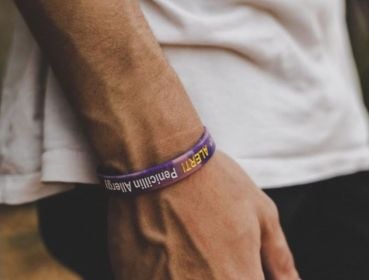
The One Thing That Makes Every Day Safer
"Stay safe" is the goodbye every parent says at the school gate, the partner says at the front door, the friend says at the airport. We say it because we mean it — but we also know we can't always be there. The truth is that safety isn't a single moment; it's a chain of small preparations that quietly do their job in the background, ready for the day they're needed. A medical alert bracelet is one of the strongest links in that chain.
This guide is about how a small, wearable piece of medical jewellery turns "stay safe" from a wish into something concrete — a layer of protection that follows the wearer through every day, every activity, and every place they go.
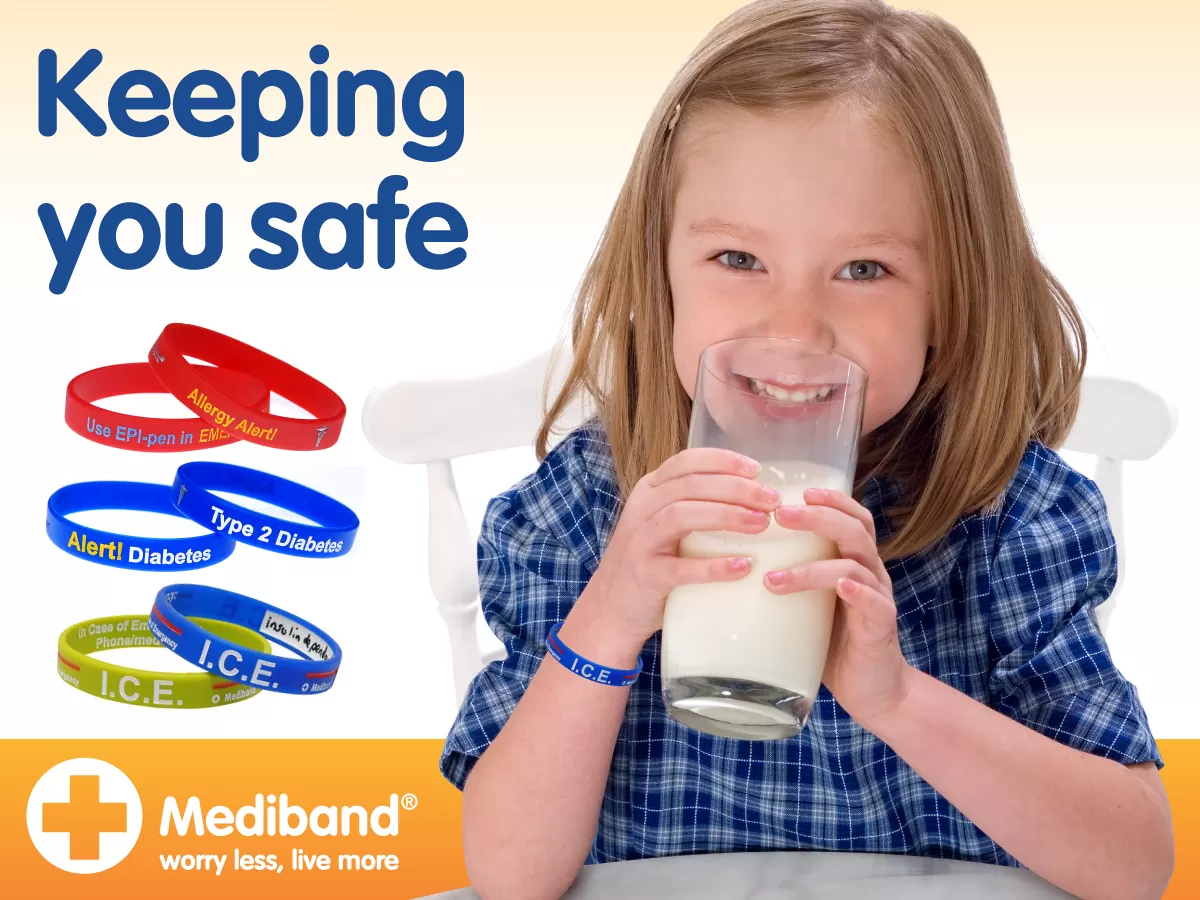
What Does "Staying Safe" Actually Mean for Someone With a Medical Condition?
For most people, "stay safe" means avoiding obvious dangers — look both ways, lock the door, drive carefully. For someone with a chronic condition, severe allergy, or critical medication, "stay safe" includes a quieter risk: the chance that a sudden medical emergency happens at a moment when they can't speak for themselves. Diabetic hypoglycaemia, allergic anaphylaxis, an epilepsy seizure, a stroke, an asthma attack — these can strike anywhere, and the first 30 seconds of medical response often decide the outcome.
According to HealthDirect Australia, accurate identification at the moment of emergency response is one of the most important factors in survival from medical events. A medical alert bracelet does that job in seconds — without the wearer needing to say a single word.
Recommended for you
Products related to this article
Hand-picked to go with what you just read.
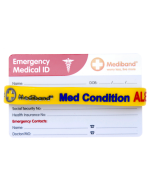
Who Benefits Most From a Medical Alert Bracelet?
Anyone whose treatment in an emergency could be affected by their medical history — but specifically:
Children
Kids spend their days at school, sport, and friends' houses where parents aren't present. A soft silicone band gives the playground supervisor, sport coach, or other parent the information they need if something goes wrong — without the child having to explain.
Older Adults
A fall, a sudden cardiac event, or a medication-related episode can leave an older adult disoriented or unconscious. A bracelet tells responders the medications they're on, the conditions they have, and who to contact — vital when family aren't immediately reachable.
People With Severe Allergies
Anaphylaxis kills in minutes. A red allergy alert bracelet flags the trigger so paramedics know what NOT to give and what life-saving treatment to deliver.
People on Critical Medications
Anticoagulants like Warfarin, immunosuppressants, and beta-blockers all interact dangerously with common emergency medications. A bracelet warns responders to choose the right treatment.
Athletes and Travellers
Running marathons, hiking remote trails, travelling overseas — far from family and home medical records. The bracelet is the single layer of protection that comes with you wherever you go.
Anyone With Multiple or Complex Conditions
The more medications and conditions a person manages, the higher the risk of treatment errors in an emergency. A bracelet plus a wallet card or QR profile carries the full picture.
How a Medical Alert Bracelet Actually Keeps You Safe
The mechanism is simple, but the impact is significant:
- The bracelet is always visible — paramedics worldwide are trained to check both wrists and the neck for medical IDs in the first 30 seconds of any emergency.
- The information is immediate — engraved or written details are read in under five seconds. No phone unlock, no app login, no waiting for family.
- The wearer doesn't need to be conscious — the bracelet speaks even when the person can't.
- Wrong treatments are avoided — the most common life-threatening errors in emergency care are wrong-medication or wrong-treatment given to people whose history wasn't known.
- The right contacts get called fast — a phone number on the wrist gets dialled before paramedics even reach the hospital.
Building a Complete Family Safety System
A medical alert bracelet is most powerful as part of a layered safety system. Here's how it fits in for an Australian family:
Layer 1: The Bracelet
Every family member with a chronic condition, severe allergy, or critical medication wears one — every day, all day. Soft silicone for the kids, stainless steel or designer reversible for adults, premium materials for older relatives.
Layer 2: The Wallet Card
A laminated card in every wallet, school bag, and gym bag carries the same info plus deeper detail — recent surgeries, past reactions, current GP. Pairs with the bracelet for hospital intake.
Layer 3: The Home Safety Hub
A laminated family medical sheet on the fridge or in a kitchen drawer lists every family member's allergies, medications, conditions, and emergency contacts. Babysitters, house guests, and grandparents can see it instantly.
Layer 4: The First Aid Kit
A well-stocked home first aid kit means the first response happens at home — not waiting for an ambulance. Together with the bracelet info, it gets the right care delivered in seconds.
Layer 5: The Skills
Every adult in the family knows basic first aid, how to recognise stroke, how to use an EpiPen, how to perform CPR. The Australian Red Cross offers affordable courses that pay back the first time something happens.
Why Medical Alert Bracelets Aren't Just for "Sick" People
One of the most common misconceptions about medical IDs is that they're only for people with serious chronic illness. In reality, "staying safe" means anticipating the unexpected:
- A previously healthy adult develops a sudden allergic reaction to a new medication.
- A teenager is diagnosed with epilepsy after their first seizure at school.
- A grandparent starts a new blood thinner after surgery and is told to wear ID.
- A weekend hiker discovers they're allergic to bee stings while in a remote area.
The cost of a medical alert bracelet is small. The cost of not having one — even once — can be life-changing. That's the case for treating it as a regular part of staying safe, not a reaction to a diagnosis.
Choosing the Right Style for Daily Wear
The best medical alert bracelet is the one the wearer actually puts on every day. Choose based on lifestyle:
- Kids and active wearers: soft silicone — waterproof, durable, replaceable.
- Daily-wear adults: stainless steel — professional, unbreakable, lasts a decade.
- Self-conscious wearers: designer reversible — fashion side daily, alert side at the doctor.
- Premium occasions: rose gold or sterling silver — passes for jewellery.
- Detail-heavy conditions: QR-coded — links to a full digital profile.
- Reluctant wearers: wallet card — better than nothing, less reliable than a wrist band.
Frequently Asked Questions
Will a medical alert bracelet really make me safer day to day?
Yes — by significantly reducing the chance of treatment errors in any emergency. Paramedics worldwide are trained to check for medical IDs in the first 30 seconds of arriving at an emergency. The bracelet tells them what NOT to do (wrong medications, wrong treatments) and what life-saving steps to take faster. For people with diabetes, anaphylaxis, epilepsy, anticoagulant therapy, and many other conditions, the bracelet is one of the highest-impact safety tools available.
Should every family member wear a medical alert bracelet?
Anyone with a chronic condition, severe allergy, or critical medication should wear one. For everyone else, it's a personal choice — many families choose to give their kids one regardless, simply because kids can develop new allergies and the playground supervisor needs to know. Older relatives almost always benefit. Healthy adults without conditions don't strictly need one but often choose to wear one anyway as part of overall family safety.
What if my child won't wear their medical alert bracelet?
Let them choose the colour — ownership equals compliance. Tie wearing it to a routine: on with shoes in the morning, off with pyjamas at night. Keep a spare in the school bag for the day they lose one. Tell a story: "your superhero band" or "your safety bracelet". Most kids who initially resist accept it within a week or two, especially when it becomes part of getting dressed.
How does a medical alert bracelet help if I'm travelling overseas?
The Star of Life and snake-and-staff symbols are recognised internationally. Paramedics in any country trained to international standards will check the bracelet first. For deeper safety on overseas travel, pair the bracelet with a QR-coded version that links to your medical profile in the local language, plus a wallet card with your travel insurance and embassy contact.
What if my medications or conditions change?
Plan to review the bracelet info every six months and after any major change in medication or diagnosis. Write-on silicone is easiest to update — just replace the band. Engraved bracelets can be re-engraved or replaced inexpensively. QR-linked profiles update instantly via your online account. Out-of-date info is more dangerous than no bracelet, so don't let updates slip.

Written by
Founder, Mediband
Founder of Mediband; over 20 years providing medical IDs worldwide.
← Previous
Medical Alert Bracelet FAQ — Everything Answered (2026)
Next →
Who Are You? — Medical ID Bracelet Saves Lives in Every Emergency (2026)
Comment(s)