Why "Support Your Life" Means More Than Just Wearing a Bracelet
For anyone managing a chronic condition, severe allergy, or critical medication, daily life carries an extra layer of decisions: what to eat, what to carry, who to tell, where to go alone. A medical alert bracelet doesn't take those decisions away — but it transforms them. It moves you from "what if something happens and no one knows" to "if something happens, the right people will know within seconds." That shift in confidence is what supporting your life really means.
According to HealthDirect Australia, over 11 million Australians live with at least one chronic condition. Many of them limit activities — travel, sport, solo outings — out of caution. A medical alert bracelet narrows that caution gap by giving emergency responders the right information at the right moment, anywhere in the country, anywhere in the world.
How a Medical Alert Bracelet Quietly Supports You Every Day
The bracelet does its job in five distinct ways across an ordinary week:
- At work and in transit — colleagues, taxi drivers, and bystanders see the alert symbol and know what's happening if you collapse, faint, or have a reaction.
- At sport and exercise — gym staff, running partners, and trail companions know your condition without you needing to explain.
- While travelling — paramedics overseas can read your bracelet using internationally-recognised symbols and respond correctly.
- At medical appointments — hospital staff verify your information against the bracelet to avoid wrong-medication errors.
- In genuine emergencies — first responders find the bracelet within 30 seconds and adjust treatment based on the conditions, medications, and contacts engraved.
Recommended for you
Products related to this article
Hand-picked to go with what you just read.
Who Benefits Most From Daily-Wear Medical IDs?
The Mediband range serves five clear audiences whose lives benefit from continuous, low-effort support:
Adults With Chronic Conditions
Diabetes, epilepsy, asthma, heart disease, autoimmune conditions, kidney disease — anyone whose treatment in an emergency depends on knowing the underlying condition.
People on Critical Medications
Anticoagulants (Warfarin, Apixaban, Eliquis), immunosuppressants, beta-blockers, insulin, and biologics all interact dangerously with common emergency medications. The bracelet warns responders.
Severe Allergy Sufferers
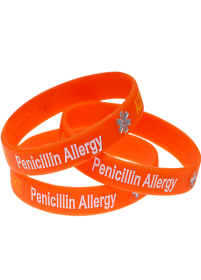
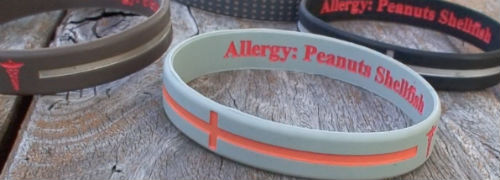
Anaphylaxis-risk patients — peanut, shellfish, latex, contrast dye, penicillin — need responders to know what NOT to give as much as what to give.
Older Adults
Falls, sudden cardiac events, medication interactions, dementia onset — all benefit from a clear, immediate identifier on the wrist.
Active Children and Athletes
Kids at school, weekend sport, holiday camps; runners, cyclists, hikers, divers — anywhere the wearer is far from family or carer, the bracelet speaks for them.
Choosing a Bracelet That Fits Your Daily Routine
The best Mediband is the one you'll actually wear every day. The Mediband range covers every lifestyle:
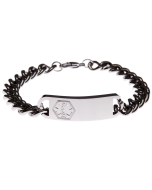
Stainless Steel Classic
Polished, durable, dressy. Suitable for office wear, formal occasions, and people who prefer jewellery-style IDs. Lasts 10+ years and resists tarnish.
Silicone Write-On
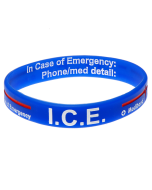
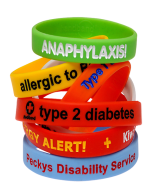
Soft, waterproof, and flexible. Perfect for swim, sport, and active wear. Cost-friendly enough to replace as conditions or contacts change.
Designer Reversible
Patterned on one side, alert on the other. Wearers flip the alert side out for hospital visits or sports, and the patterned side out for daily life. Ideal for teens and self-conscious adults.
Premium Materials
Rose gold, sterling silver, leather. For wearers who want jewellery-grade aesthetics for formal occasions or simply higher value.
QR-Coded Bracelets
Carry far more information than engraving alone via a scannable QR code linking to a full digital medical profile. Useful for international travellers and people with complex conditions.
Wallet Card Combos
For wearers who genuinely cannot adjust to wearing jewellery, a wallet card carries similar information. Pairs well with a basic silicone band for redundancy.
What to Engrave: 5 Priority Fields
Less is more. Paramedics need to read the band in five seconds, not five minutes. The five priority fields, in order:
- Wearer's name — first and last.
- Primary medical condition — "Type 1 Diabetic", "Anaphylaxis – Peanut", "Epilepsy".
- Critical medication or allergy — "Warfarin", "EpiPen", "No Penicillin".
- Emergency contact phone — answered 24/7 by family or carer.
- "See wallet card" — points responders to deeper info if needed.
Building a Daily Habit That Supports Your Life
The bracelet works because it's worn — every day, all day. Build the habit by:
- Putting it on with your watch every morning (same hand even).
- Leaving it on during showers, sport, and sleep — silicone and stainless steel are both fully waterproof.
- Reviewing engraving every six months at your GP visit.
- Replacing silicone bands every 12-24 months — the engraving fades.
- Keeping a spare in your travel bag, gym bag, or work bag.
Want to see the full Mediband range? Browse our complete medical alert bracelet collection by condition, style, or material.
How a Medical Alert Bracelet Compares to Other Options
Smartphones, ID cards, and medical tattoos all sound modern, but in real emergencies they fail:
- Phones — locked, dead battery, in another room, smashed in the impact.
- ID cards — in a wallet that's in a bag that's in the car. Not on the body when away from belongings.
- Medical tattoos — only visible if the location is exposed; cannot be updated when conditions change.
- Verbal info — requires the wearer to be conscious and able to speak — exactly the situation a bracelet is designed for.
A medical alert bracelet is on the wrist, neck, or ankle 24/7. It survives water, sweat, sleep, exercise, falls, and accidents. It is the most reliable identification system any patient has — which is why paramedics worldwide are trained to look for it first.
Frequently Asked Questions
Do I need a medical alert bracelet if my condition is well-managed?
Yes. "Well-managed" means stable in normal life — but emergencies aren't normal life. Hypoglycaemia, sudden seizures, severe allergic reactions, and medication interactions can occur without warning even in stable patients. The bracelet covers exactly the moments when your control breaks down. Most wearers describe it as the cheapest medical purchase they ever made.
Should every adult in my household with a condition wear one?
Yes — anyone with a chronic condition, severe allergy, or critical medication. Costs are low, the bracelet works passively, and the redundancy is valuable: when one family member is unconscious, another may not be home. Pair each adult's bracelet with a household medical sheet on the fridge so any guest, babysitter, or visitor knows what to do.
How is wearing a Mediband different to wearing a standard ID bracelet?
Mediband bracelets carry the universal Star of Life and snake-and-staff symbols recognised by paramedics worldwide. They are designed specifically for daily wear — waterproof, durable, comfortable enough for sleep and sport. Generic engraved jewellery without these symbols is often missed by responders trained to look for the standard medical alert markers.
Can I update my bracelet when my condition or medication changes?
Yes — and you should, every six months and after any major change. Write-on silicone bands are the easiest to update; engraved metal bands can be re-engraved or replaced inexpensively. QR-coded versions update instantly via your online profile. Out-of-date engraving is more dangerous than no bracelet, so don't let updates slip.
What's the most overlooked benefit of wearing a medical alert bracelet?
Confidence. Wearers consistently report that the bracelet lets them do things they used to avoid — solo travel, intense exercise, social outings — because they know the safety net is in place. The hidden benefit is psychological: knowing that whatever happens, the right care will start within seconds, not minutes.

Written by
Founder, Mediband
Founder of Mediband; over 20 years providing medical IDs worldwide.
← Previous
Who Are You? — Medical ID Bracelet Saves Lives in Every Emergency (2026)
Next →
Playground Safety for Kids with Medical Conditions: A Parent's Complete Guide (2026)
Comment(s)