What is Anaphylactic Shock? Symptoms, Causes & Emergency Treatment (2026 Guide)

What is Anaphylactic Shock? Symptoms, Causes & Emergency Treatment (2026 Guide)
One in 50 Americans — and a similar proportion of Australians — will experience anaphylaxis at some point in their lives. It's one of the few medical emergencies where every minute genuinely changes the outcome.
The most dangerous symptom is anaphylactic shock: blood pressure drops, oxygen stops reaching organs, and without immediate adrenaline (epinephrine) the body can shut down within minutes.
This guide covers what anaphylactic shock actually is, how to recognise it, exactly what to do, and why a medical alert bracelet is one of the simplest tools that saves lives.
What Is Anaphylactic Shock?
Anaphylaxis is a severe, whole-body allergic reaction. Anaphylactic shock is the most dangerous stage — when blood pressure crashes and the cardiovascular system can't deliver oxygen.
It usually begins within minutes (occasionally up to two hours) of exposure to a trigger. Without treatment, anaphylactic shock can be fatal in 15–30 minutes for severe cases.
The Australasian Society of Clinical Immunology and Allergy (ASCIA) classifies anaphylaxis as a true medical emergency — always call triple zero (000), even if symptoms appear to settle after an EpiPen.
Common Triggers
Anaphylaxis can be triggered by almost anything, but a small list accounts for most cases:
- Foods: peanuts, tree nuts, shellfish, fish, milk, egg, sesame, wheat, soy
- Insect stings: bees, wasps, ticks, ants (especially jack jumper ants in Tasmania)
- Medications: penicillin and other antibiotics, NSAIDs (ibuprofen), aspirin, contrast dyes, anaesthetics
- Latex: medical gloves, balloons, condoms
- Exercise-induced anaphylaxis, especially after eating certain foods
- Idiopathic (no identifiable trigger — about 20% of cases)
Symptoms to Recognise
Symptoms can develop fast. The hallmark is that multiple body systems are affected at once:
- Skin: hives, flushing, swelling of the face, lips, tongue or eyes, itching
- Breathing: wheezing, coughing, hoarse voice, throat tightness, difficulty breathing
- Cardiovascular: rapid or weak pulse, dizziness, low blood pressure, fainting, pale or blue lips
- Gut: stomach pain, vomiting, diarrhoea
- Brain: sense of impending doom, confusion, loss of consciousness
Children may simply become unusually quiet, floppy, or pale. Trust your gut — if something looks badly wrong after a known trigger, treat it as anaphylaxis.
Emergency Treatment: What to Do
The treatment for anaphylaxis is adrenaline (epinephrine), given as an intramuscular injection. Antihistamines do not treat anaphylaxis — they only treat mild allergic reactions. Inhalers do not treat anaphylaxis.
- Lay the person flat (or sit them up if they can't breathe lying down). Do not let them stand or walk.
- Give the EpiPen / Anapen into the outer thigh, through clothes if needed. Hold for 3 seconds.
- Call triple zero (000) — ask for an ambulance, say "anaphylaxis."
- Note the time the adrenaline was given.
- Give a second dose after 5 minutes if symptoms don't improve and a second pen is available.
- Stay with the person until paramedics arrive. Even if they recover, they need to go to hospital — symptoms can return 1–8 hours later (biphasic reaction).
Read more in our complete EpiPen guide.
Long-Term Management and Prevention
Anyone who has had anaphylaxis should:
- See an allergy specialist for formal diagnosis and trigger identification
- Carry two adrenaline autoinjectors at all times (EpiPen or Anapen)
- Have a written ASCIA Anaphylaxis Action Plan — copy at home, school, work, and in your wallet
- Tell every restaurant, school, and host about the allergy in writing
- Wear a medical alert bracelet identifying the trigger and that you carry an EpiPen
Australian families with school-aged children should make sure their school has a current Anaphylaxis Management Plan and that staff are trained to administer adrenaline.
Why a Medical Alert Bracelet Matters
In a real anaphylactic emergency, the patient may be unconscious, unable to speak, or panicking. Bystanders and paramedics need to know fast:
- What the trigger is (so it isn't given again in hospital)
- That an EpiPen has been given (and when)
- Whether the person carries a second EpiPen and where it is
- Emergency contact information
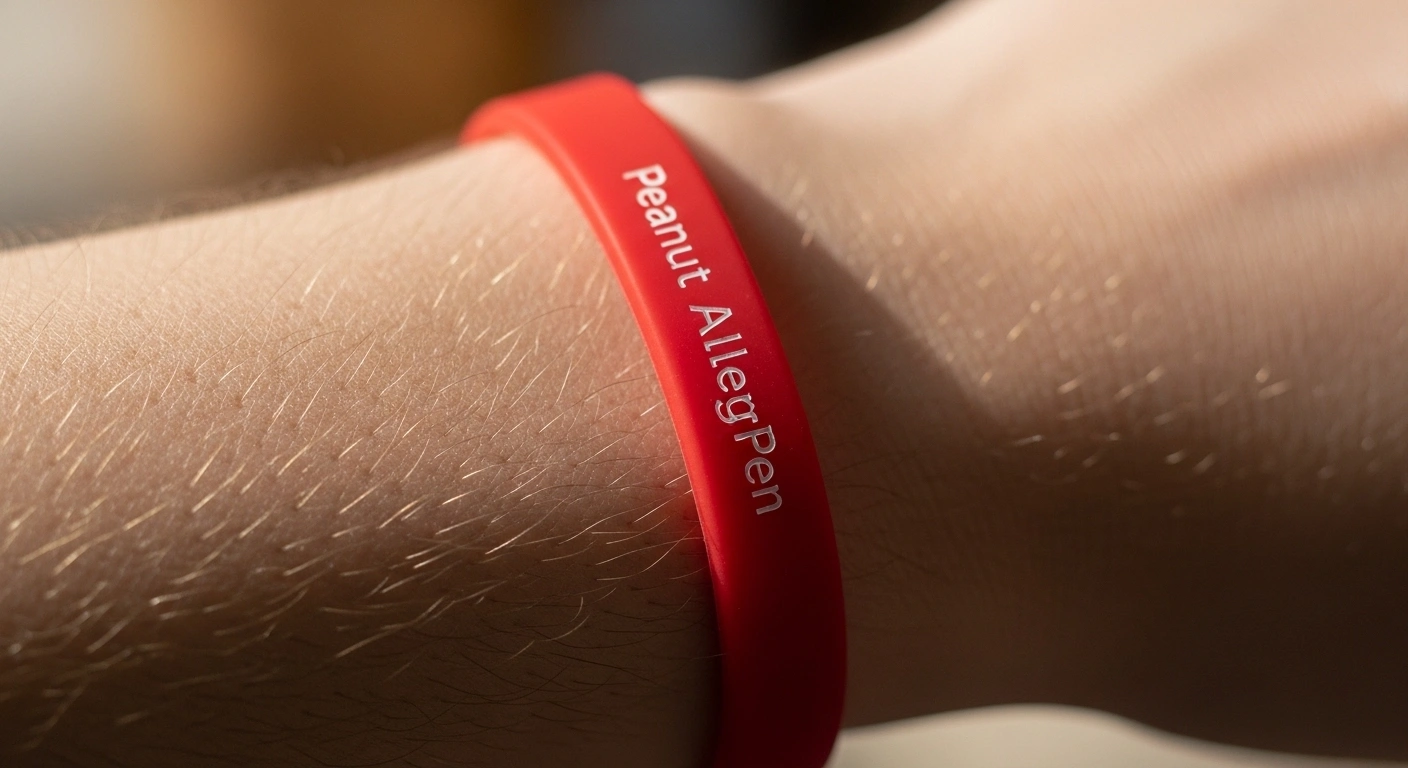
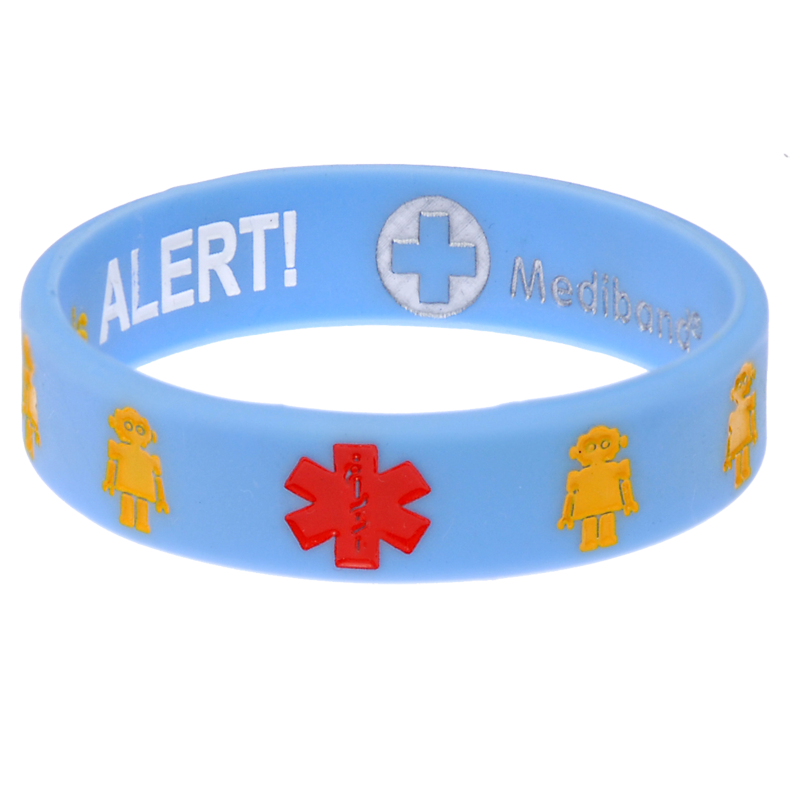
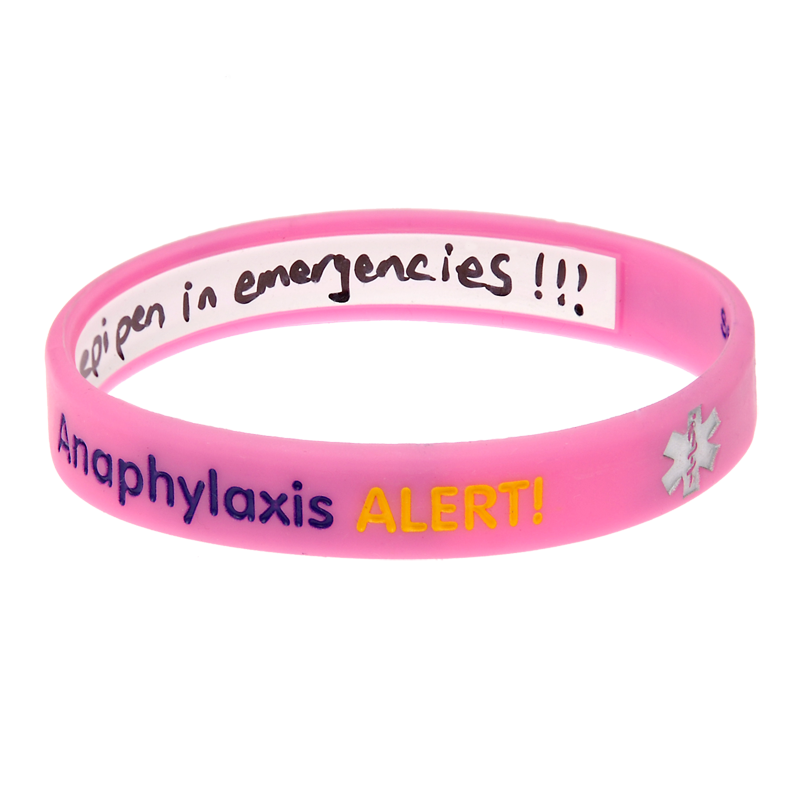
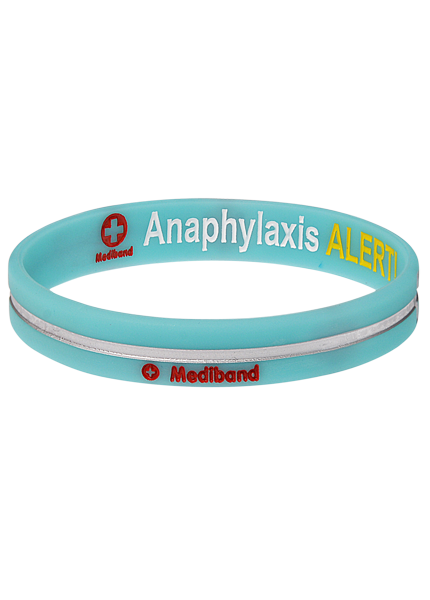
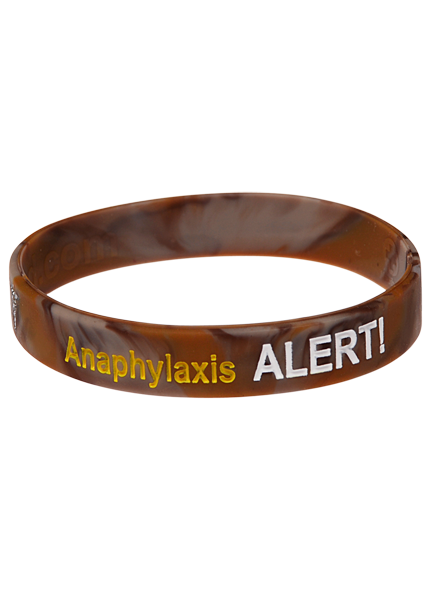
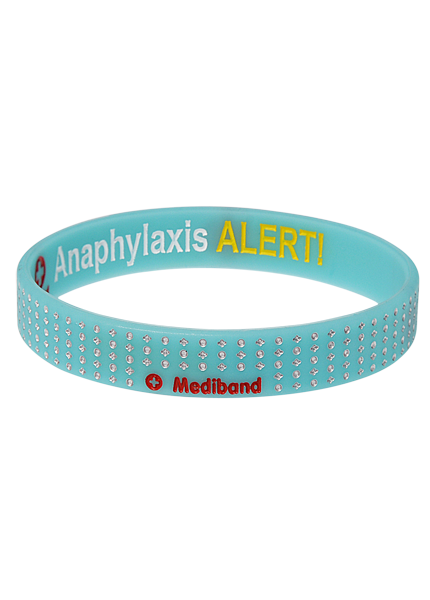
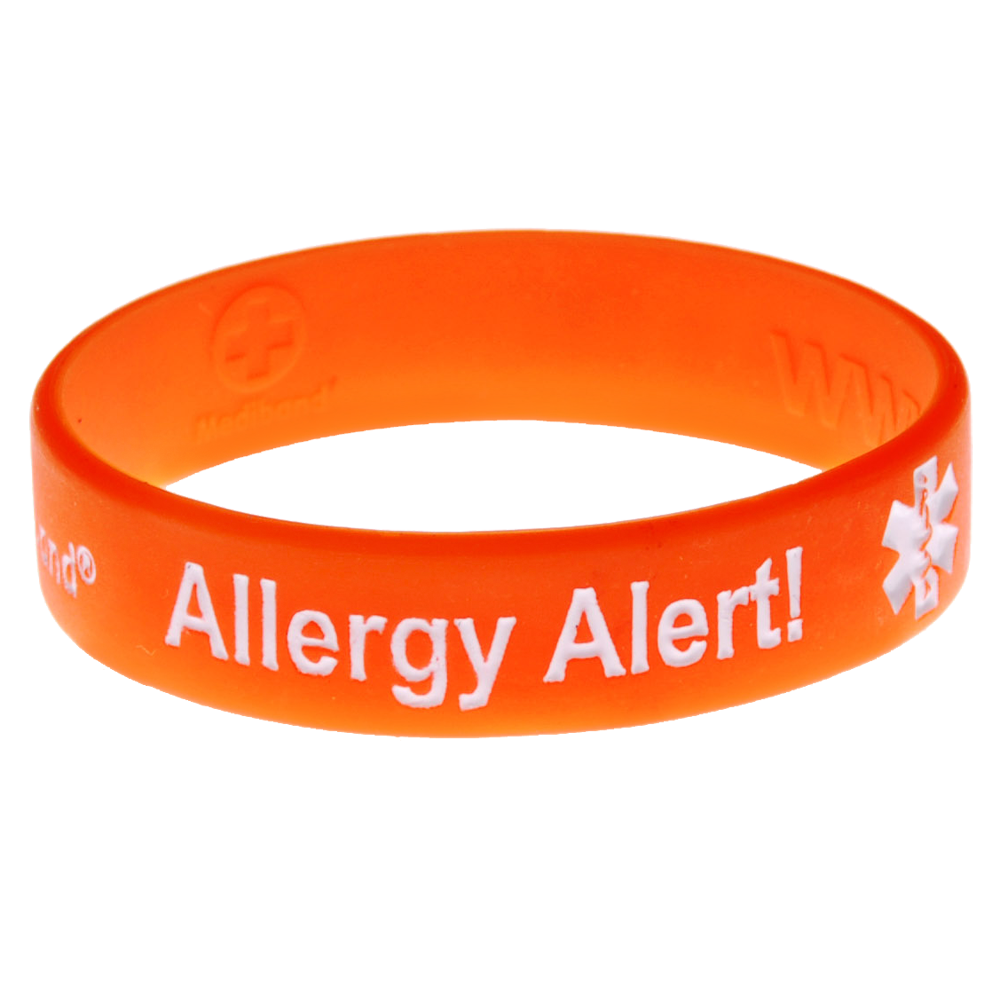
A medical ID bracelet communicates all of this in two seconds — a paramedic checks the wrist before anything else. Anaphylaxis-specific bracelets are colour-coded so they stand out at a glance.
The Bottom Line
Anaphylactic shock is a true medical emergency. Recognising it, giving adrenaline immediately, and calling 000 are the only treatments that change the outcome. Long-term, the difference between a close call and a tragedy often comes down to preparation: two EpiPens, an action plan, a trained network, and a medical ID that speaks for you when you can't.
Browse our anaphylaxis medical bracelet range or contact our team for help engraving the right information.
Frequently Asked Questions
Is anaphylactic shock the same as anaphylaxis?
Anaphylaxis is the severe whole-body allergic reaction. Anaphylactic shock is the most dangerous stage of anaphylaxis — when blood pressure drops and the cardiovascular system can't deliver enough oxygen. Without adrenaline, anaphylactic shock can be fatal within minutes.
How long do I have to give adrenaline?
As soon as anaphylaxis is suspected. Don't wait for the worst symptoms. Studies consistently show the earlier adrenaline is given, the better the outcome — delayed adrenaline is the single biggest predictor of fatal anaphylaxis.
Should I always go to hospital after using an EpiPen?
Yes. Even if symptoms resolve, biphasic reactions (a second wave of symptoms) can occur 1–8 hours later and need monitoring. Australian guidelines recommend at least 4 hours of observation in hospital after any anaphylactic reaction.
What information should be on an anaphylaxis medical bracelet?
The trigger (e.g. "Anaphylaxis — Peanuts"), that you carry an EpiPen, and an emergency contact number. Some people also include the location of their second EpiPen (e.g. "2nd EpiPen in bag"). Keep it short enough to read in two seconds.
Can my child outgrow a severe food allergy?
Some allergies (milk, egg, soy, wheat) often resolve in childhood. Peanut, tree nut, fish, and shellfish allergies are usually lifelong. Only an allergy specialist can confirm whether an allergy has resolved — never test this at home.
February 25, 2026

Share on Facebook

Share on X

Share on Pinterest
Comment(s)
Recent Posts