Allergies aren't just inconvenient — in young children, they can be life-threatening. Roughly 1 in 10 Australian babies develops a food allergy before their first birthday, and the rate of anaphylaxis admissions in under-5s has quadrupled over the past 20 years. The good news: research over the last decade has completely changed what paediatric allergists recommend, and many food allergies are now genuinely preventable.
This guide pulls together the current 2026 advice from ASCIA (Australasian Society of Clinical Immunology and Allergy) and the American Academy of Pediatrics, plus practical tips every parent can put into practice from day one.
Why Are Allergies So Dangerous for Young Children?
Allergic reactions in kids range from mild annoyances — red rashes, watery eyes, stuffy noses — to full-blown anaphylaxis, where a child's airway closes in minutes. Young children are at particular risk because:
- They can't always tell you something is wrong.
- Their airways are smaller, so swelling escalates faster than in adults.
- They're often in environments (daycare, parties, relatives' homes) where adults don't know their history.
- Repeat exposures can cause stronger reactions each time.
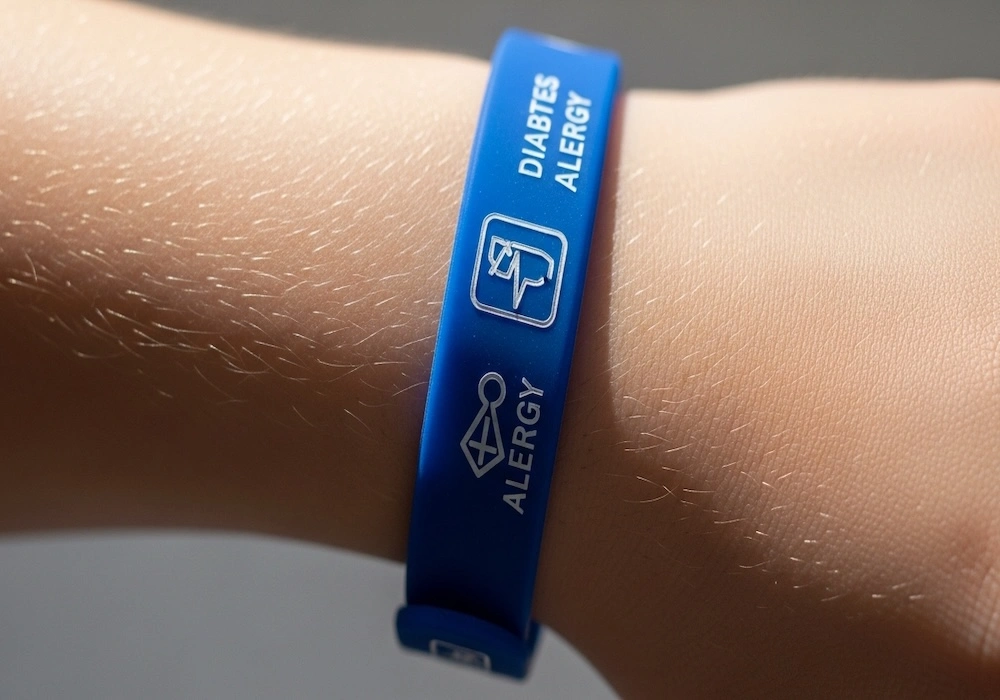
A medical alert bracelet bridges the communication gap. When your child is at a friend's house, out with grandparents, or in class with a substitute teacher, their wrist tells the story for them. It lists the allergen, your emergency contact, and whether they carry an EpiPen — all in the three seconds it takes a stranger to glance down.
The 8 Most Common Childhood Allergens
Around 90% of food-allergy reactions in children come from just eight foods. In Australia, the list (with rough prevalence by age 5) looks like this:
- Cow's milk — most common under age 2; most children outgrow it.
- Eggs — second most common; 70–80% outgrown by school age.
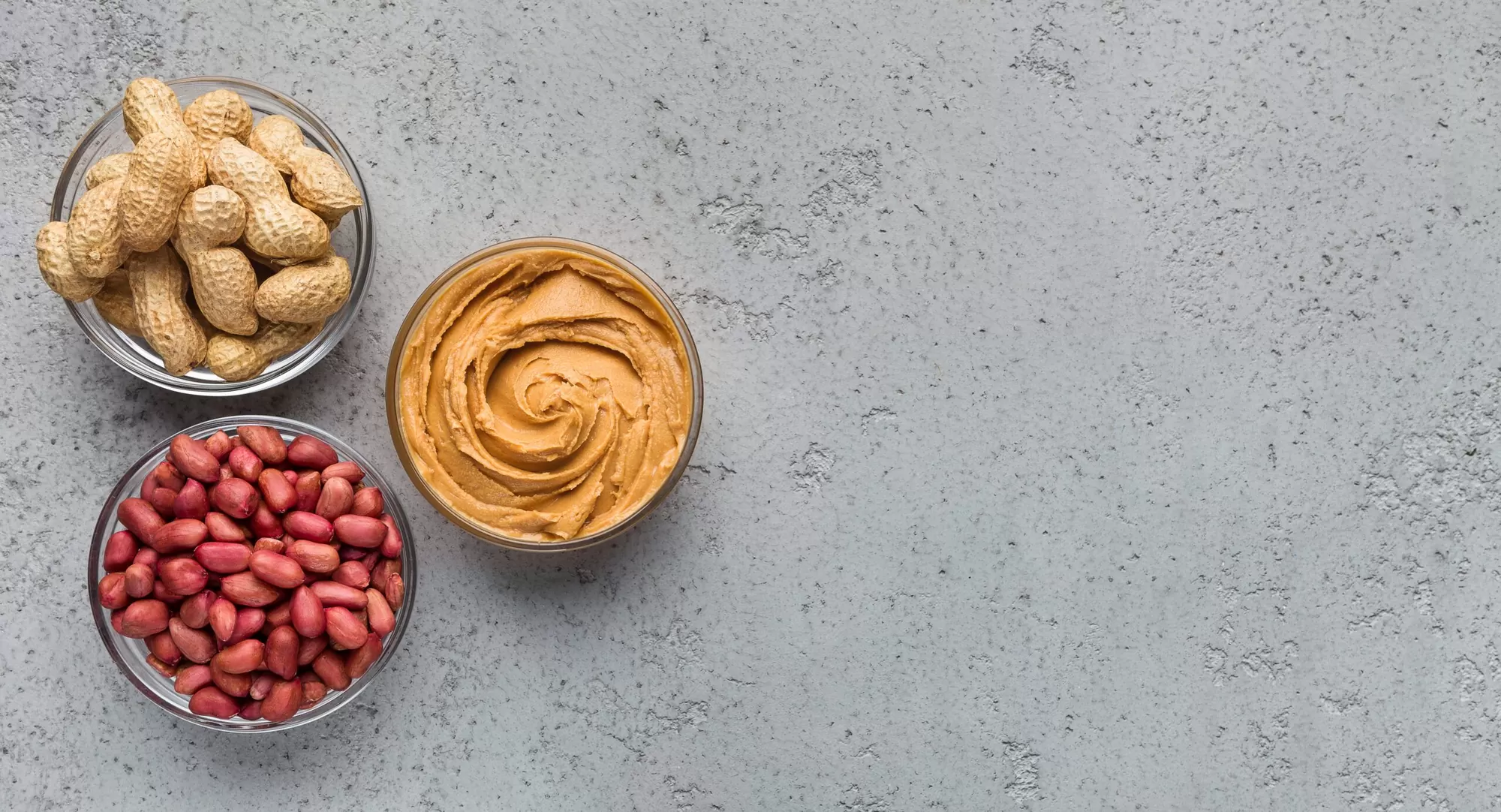
- Peanuts — 3% of children; less than 20% outgrown.
- Tree nuts (walnut, cashew, almond, pistachio) — typically lifelong.
- Soy — usually outgrown by age 10.
- Wheat — often outgrown.
- Fish — typically lifelong.
- Shellfish — typically lifelong.
Non-food allergies are also common and include insect stings (bees, wasps), dust mites, pet dander, pollens and certain medications (penicillin in particular). Many kids have overlapping allergies, which is one reason Medibands with multi-allergen engraving are especially useful.
Recommended for you
Products related to this article
Hand-picked to go with what you just read.
How Can Childhood Allergies Be Prevented?
We now know that allergies aren't fully avoidable — but they can be dramatically reduced with three strategies backed by solid evidence.
1. Introduce Common Allergens Early (Around 6 Months)
The 2015 LEAP trial was the turning point. It showed that introducing peanut between 4 and 11 months of age reduced peanut allergy rates by 81% in high-risk babies compared with avoidance. The EAT study in 2016 replicated the effect for multiple allergens.
ASCIA's current advice: once your baby is developmentally ready for solids (around 6 months, not before 4 months), deliberately introduce the top allergens — cow's milk, egg, peanut, tree nut butter, wheat, soy, fish — one at a time, a few days apart. Delayed introduction actually increases allergy risk, the opposite of what parents were told a generation ago.

2. Keep Giving Tolerated Allergens Regularly
Introducing an allergen once isn't enough. Once a baby has tolerated peanut, egg, or milk, keep it in their diet — roughly twice a week. Prolonged gaps can cause the immune system to "forget" and treat the food as a threat when it's reintroduced months later.
Practical tricks parents love:
- Peanut butter thinned with warm water or yoghurt (never whole peanuts before age 3 — choking risk).
- Scrambled egg mixed into avocado.
- Tahini on toast fingers.
- Ground tree nut butter stirred into porridge.
3. Breastfeed If You Can (With No Guilt If You Can't)
This isn't a foolproof shield, and we're mindful that breastfeeding isn't available to every family. But the Australian Department of Health notes that exclusive breastfeeding to 6 months — alongside introducing solid foods at 6 months — is associated with reduced rates of eczema, cow's milk allergy, and wheeze in early childhood. Formula-feeding parents can still do everything else on this list, and the protective effect of early allergen introduction is the same.
Spotting a Reaction Before It Becomes an Emergency
Even with prevention, reactions can happen. Every parent should know the difference between a mild reaction and anaphylaxis.
Mild-to-moderate signs (watch closely, give antihistamine per ASCIA plan):
- Hives or welts on the skin
- Swelling of face, lips or eyes
- Tingling around the mouth
- Mild vomiting or stomach pain
Severe anaphylaxis signs (EpiPen + 000 immediately):
- Difficulty breathing, wheeze or persistent cough
- Tongue swelling or voice becoming hoarse
- Pale, floppy or collapsed — especially in babies
- Persistent dizziness or loss of consciousness
Keep the ASCIA Action Plan for Anaphylaxis on the fridge and in the school bag. It shows exactly what to do.
Why a Medical Alert Bracelet Matters at Every Age
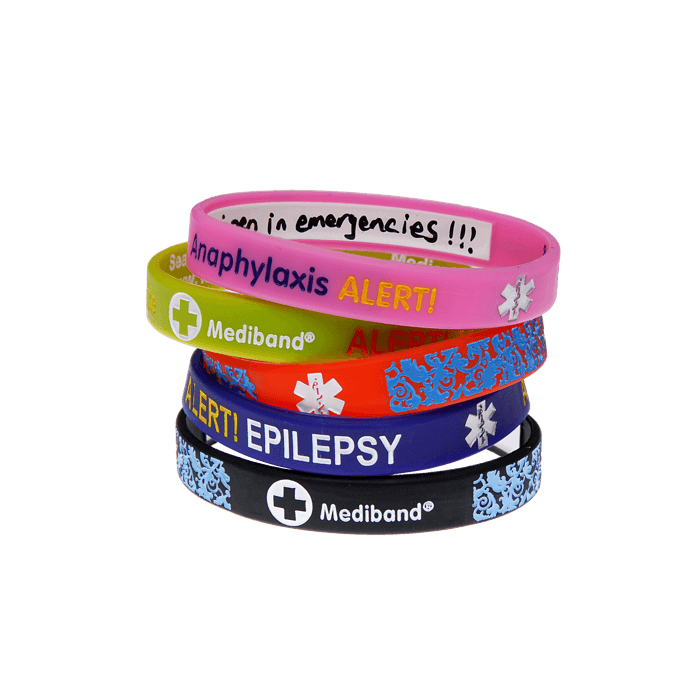
A quality medical alert bracelet does four things that a phone note or a parent text thread cannot:
- It's always on the child. School bags get left at swim class; wrists don't.
- It speaks when your child can't. A toddler in anaphylaxis is typically too distressed to communicate.
- It beats guesswork. Paramedics are trained to check the wrist within the first minute.
- It reassures every adult in your child's day. Teachers, coaches, grandparents — one glance tells them what to do.
Mediband's allergy range covers silicone write-on bands, pre-printed condition-specific bracelets, designer styles for older kids, and pack combinations (bracelet + wallet card) for families juggling multiple allergens.
A Parent's 5-Step Action Plan
- Book an allergy assessment with your GP if there's family history or early symptoms. Ask about referral to a paediatric allergist.
- Introduce the 8 common allergens around 6 months, one at a time, and keep them in the diet.
- Learn the ASCIA Action Plan for Anaphylaxis — print it, post it, practice the EpiPen trainer.
- Fit your child with a Mediband engraved or write-on allergy bracelet as soon as a diagnosis is confirmed.
- Tell every adult in your child's orbit: school, daycare, grandparents, sports coach, babysitters.
You can't put your child in a bubble, and you wouldn't want to. But with early allergen introduction, the right emergency plan, and a visible medical ID on their wrist, you give them the best possible chance of growing up safe — and growing out of more allergies than you'd expect. Worry less. Live more.
Frequently Asked Questions
Can food allergies in babies really be prevented?
Not all, but many — current ASCIA guidance is to introduce common allergenic foods (peanut, egg, cow's milk, wheat, tree nuts, fish, soy) around 6 months of age, and before 12 months. Early, regular introduction has been shown in large trials (LEAP, EAT) to cut the rate of some food allergies by up to 80% compared with delayed introduction.
What are the early signs of an allergic reaction in a child?
Mild-to-moderate reactions: hives, facial swelling, itchy rash, mild tummy pain, or vomiting. Severe anaphylaxis signs: difficulty breathing, wheeze, persistent cough, tongue swelling, voice change, pale and floppy, collapse. Any severe signs — give the child's EpiPen immediately and call 000.
At what age can a child wear a medical alert bracelet?
Any age. Mediband silicone bands are soft, hypoallergenic and available in small sizes to fit infants and toddlers. Most parents buy a bracelet as soon as a diagnosis is confirmed — usually between 6 and 18 months — so teachers, carers and paramedics can always see the allergy, even when the child can't explain it.
What should be engraved on a child's allergy bracelet?
List the allergen clearly (e.g. "Peanut Allergy — Anaphylaxis"), the child's first name, the parent's emergency contact number, and "EpiPen" if they carry one. Keep it short so a paramedic can read it in under five seconds.
Do schools and childcare centres accept medical alert bracelets?
Yes — they're actively encouraged. Under the National Allergy Strategy, all Australian early learning services and schools are required to have an anaphylaxis management plan. A visible medical ID makes teachers' jobs easier and gives substitute staff, excursion supervisors, and first-aid officers critical information at a glance.

Written by
Founder, Mediband
Founder of Mediband; over 20 years providing medical IDs worldwide.
← Previous
Understanding Autism in Children: Signs, Support and Safety (2026 Parent Guide)
Next →
What is Anaphylactic Shock? Symptoms, Causes & Emergency Treatment (2026 Guide)
Comment(s)