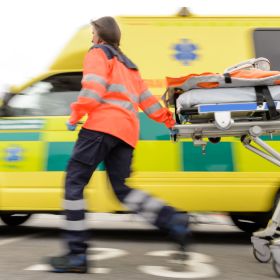
When seconds count, a medical ID bracelet on your wrist may be the difference between fast, accurate emergency care and a dangerous misstep. Paramedics and ER staff are trained to check for medical ID jewellery within the first 30 seconds of arriving on scene — long before a wallet, a phone or a family member can be reached. This guide explains exactly how that works, what to engrave on your medical ID, and why every Australian living with a chronic condition or severe allergy should wear one.
First responders like emergency medical technicians (EMTs) and paramedics need access to a patient’s medical data in an emergency. This is especially for severely injured, confused, or unresponsive patients. Without knowing critical medical info, healthcare personnel can make mistakes in administering first aid. This can be easily prevented with the use of medical IDs.
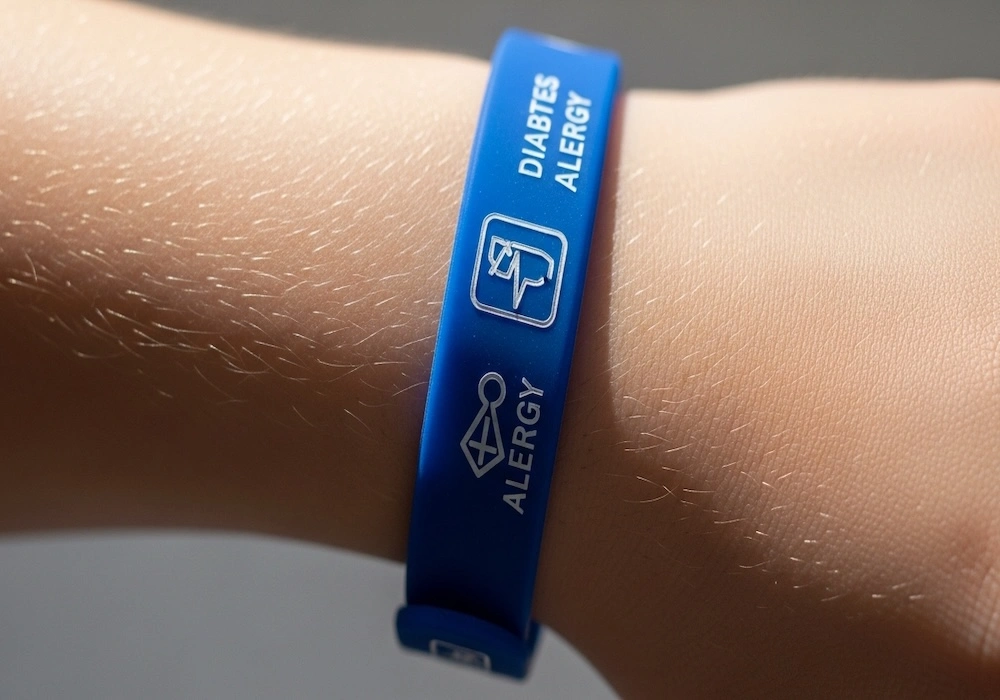
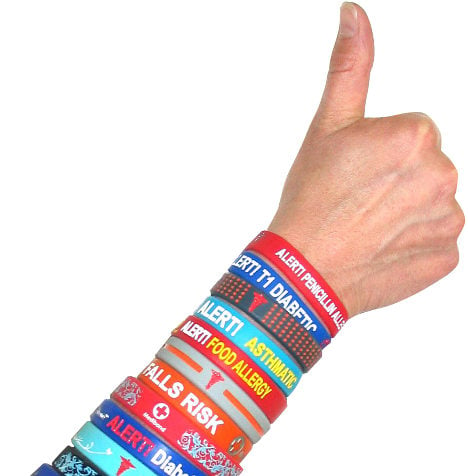
Medical IDs worn as bracelets or necklaces contain crucial details about the wearer. These details include their name, medical conditions, allergies, medications, and other important info.
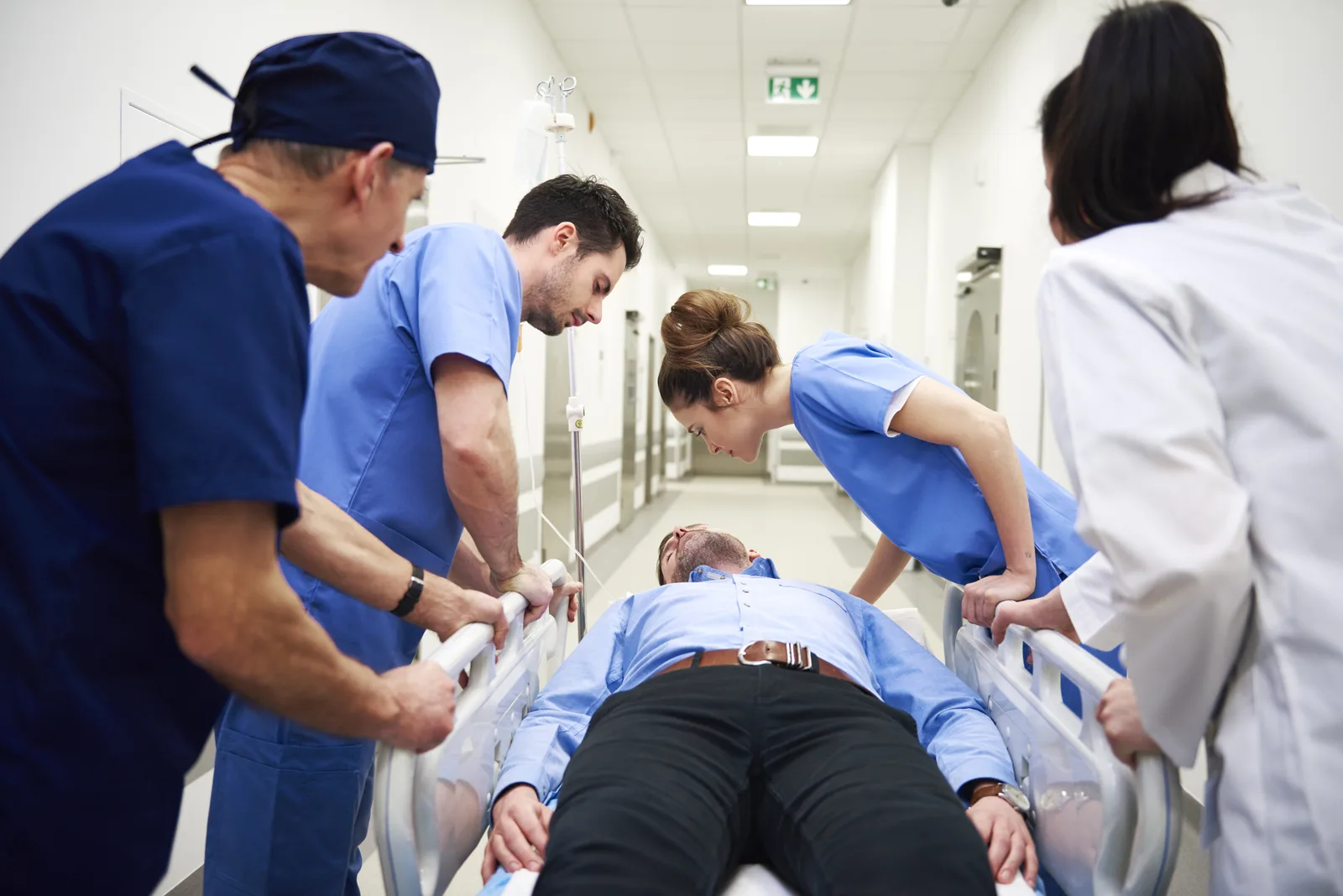
A medical ID is a convenient and easy way to show vital health information when you cannot speak. Medical IDs are also useful when the wearer has a mental health condition preventing them from talking properly.
People with neuro diseases like Alzheimer’s disease can benefit from wearing medical IDs. The same can be said for those with other conditions. For example, like autism spectrum disorder.
Medical IDs can be huge lifesavers for candidates for organ transplants. People who have diabetes, heart disease, cancer, asthma, epilepsy, and allergies can benefit from medical IDs, too.
By wearing a medical ID, you can avoid the following scenarios and constraints:
Main Contents
Misdiagnosis of symptoms
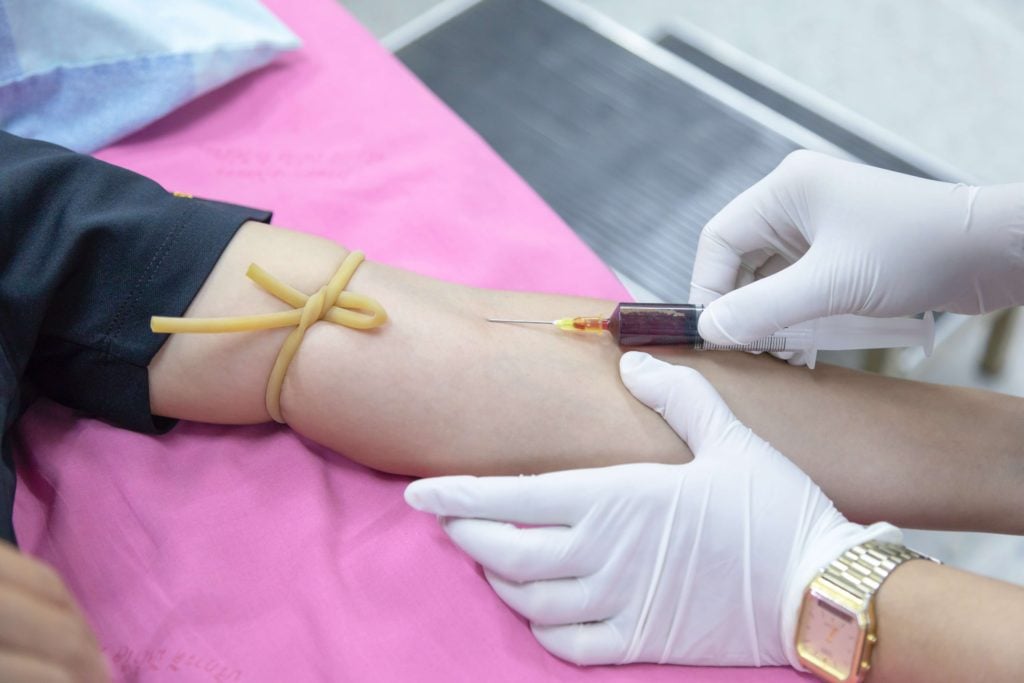
With a medical ID as their reference, medical personnel can administer the correct first-aid treatment to patients. For example, a deaf-mute patient comes in complaining of chest pain. Then doctors give him antacids. If the patient has a heart condition, healthcare workers won't give antacids. Why? Because these can increase the risk of heart attacks. If the patient had a medical ID on, such a fatal mistake could be avoided. So, the right first-aid treatment can spell the difference between life and death.
Delaying appropriate treatment and care
If a patient is unresponsive, alone, and has no medical ID, doctors and nurses might miss important health indicators.
This can lead to them making the wrong decisions during an emergency. Also, a delay in giving the necessary treatment and care is possible.
Recommended for you
Products related to this article
Hand-picked to go with what you just read.
Exposure to treatment one is allergic to
Imagine some one is unable to talk or unconscious. In this situation, medical personnel have to follow ER procedures and administer certain medications. However, the case can worsen if they find out too late that you are allergic to the medications used.
Increased severity of minor emergencies
During urgencies, healthcare pro can make mistakes which can turn minor issues into something bigger. Medical IDs protect patients from these types of errors by giving physicians access to critical medical info.
Unnecessary hospital admissions
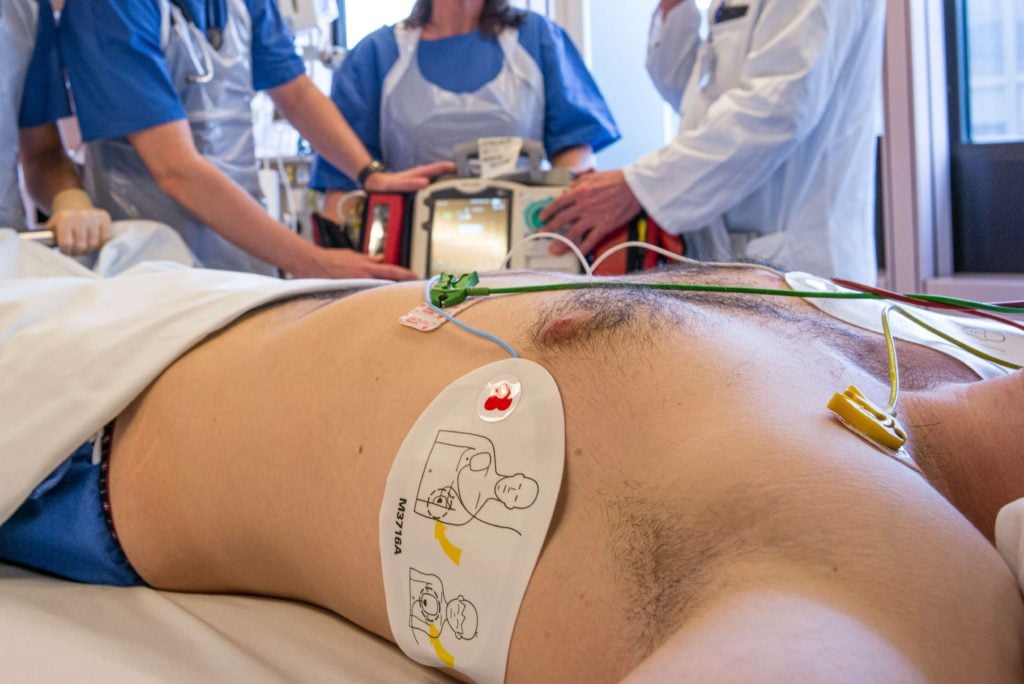
It is crucial to take care of yourself in advanced for emergency cases. Or of fast-paced emergency rooms. But, if you are unconscious or unable to talk, this is not possible. Without a medical ID, you can end up being given the wrong medication. Medical staff can also overlook something small yet critical. These cases can lead to redundant hospital admissions and expenses.
Medical IDs by Mediband
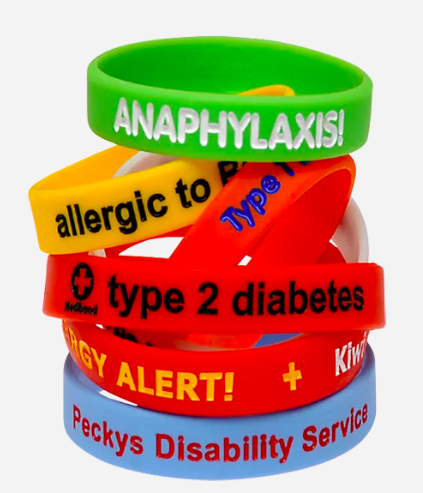
There are various cases you can avoid simply by wearing a medical ID. It will provide your crucial medical info for many cases. In addition, it helps first responders make the right decisions during urgencies.
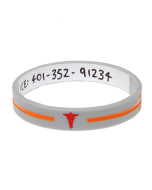
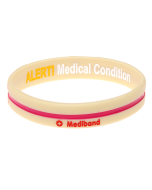
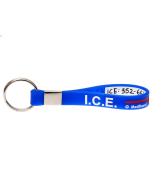
Mediband is one of the country’s most respected names in making medical IDs. They provide customised medical necklaces and bracelets at affordable prices.
For bracelets, you can choose from gold, silicone, stainless steel, and their Active X line. Medical ID necklaces come in either stainless steel or gold.
If you need a medical ID, please do not delay and get in touch with Mediband.
How Paramedics Use Your Medical ID
Australian first responders follow a consistent pattern when treating an unconscious or unresponsive patient: they look at the wrists, then the neck, then check pockets and wallets. A clearly engraved or printed medical ID is one of the few pieces of information they trust without verification — because it sits directly on the patient and reflects information the patient (or their family) deliberately chose to surface.
Within the first minute, your medical ID can communicate:
- Your primary diagnosis (diabetes, epilepsy, heart condition, allergy)
- Critical drug allergies (penicillin, codeine, aspirin)
- An emergency contact phone number
- Whether you carry an EpiPen, insulin pump or pacemaker
That single glance can prevent a dangerous medication, prompt the right treatment protocol, and connect paramedics with someone who knows your full medical history before you reach the hospital.
Frequently Asked Questions
Do paramedics actually check for medical alert bracelets?
Yes. Australian paramedics, ambulance officers and ER staff are explicitly trained to scan a patient's wrists, neck and wallet for a medical ID within the first 30–60 seconds of arrival. It's part of the standard primary survey for any unresponsive or seriously ill patient.
What information should I engrave on my medical ID?
Keep it short and scannable: primary condition (e.g. "Diabetes T1", "Epilepsy", "Anaphylaxis — peanut"), first name, an emergency contact number, and any critical medication or device ("insulin pump", "EpiPen", "Warfarin"). Aim for under 5 seconds of reading time.
Will a paramedic still treat me without a medical ID?
Of course — but with less information and more guesswork. Without a medical ID, paramedics may need extra time to reach a family member, run blood tests, or treat symptoms cautiously to avoid drug interactions. A medical ID removes that delay and lowers the risk of medication errors.
How does a medical ID help if I am conscious but distressed?
Severe asthma, hypoglycaemia, anaphylaxis, panic attacks and seizures can all leave you unable to speak clearly. A wristband does the speaking for you, communicating the diagnosis to anyone helping — even a school teacher, coach or stranger before paramedics arrive.
Is one medical ID bracelet enough, or do I need a wallet card too?
For most people, the bracelet alone is enough — paramedics check the wrist first. A wallet card is a useful backup for longer or more detailed information (medication list, full GP contact, advance care directives), and many Mediband customers wear both.

Written by
Founder, Mediband
Founder of Mediband; over 20 years providing medical IDs worldwide.
← Previous
How Medical Alert Bracelets Help in Real Health Emergencies: 6 Life-Saving Scenarios
Next →
The benefits of Using Medical ID's for Managing Child Allergies
4 Comment(s)
Murray francis Burns
Sep 30, 2021 19:08
Type 2 Diabetes large Rest Band
Lesley davies
Jul 09, 2021 05:27
How much are the medical id bands plz
Jackie Barnes
Mar 05, 2021 06:42
Allergies sulphur, cosine and ECG sticky dots
Jackie Barnes
Mar 05, 2021 06:39
Asthma, diabetes type 2, depression and anxiety