

If your loved one has been diagnosed with dementia, you may be wondering what steps you can take to deal with this devastating disease. You’ll be faced with a number of challenges as you learn more about dementia and what to expect, but having other family members there to go through it with you will make it easier. Here are seven tips to help you cope.
1. Remain Consistent
Consistency is reassuring to the dementia patient who will have difficulty remembering visits and conversations. It will establish a routine and allow you to talk to your loved one about what they’re going through on a regular basis.
2. Seek Help
Though it’s natural to want to care for your loved one with dementia on your own, there comes a time when doing so is no longer possible. As recommended on GuidePosts.org, accept help when you need it and be sure to take breaks for yourself. You’ll need them for your own well-being.
Recommended for you
Products related to this article
Hand-picked to go with what you just read.

3. Process What You Are Feeling
Take the time to process your emotions. Going through dementia with your loved one will involve various stages of grief which are healthy to acknowledge. You may feel a series of conflicting emotions like relief and guilt, love and anger or pain and acceptance. Such feelings will probably even overlap at times. Know they are quite normal and that you aren’t alone in feeling or expressing them to other family members and friends.
4. Talk to Someone You Trust
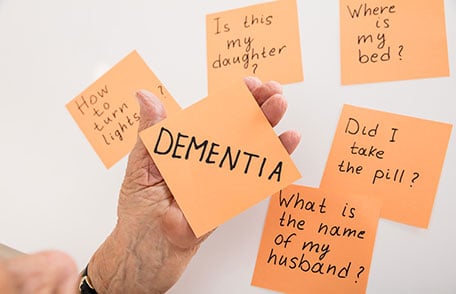
You shouldn’t go through the difficult grieving process alone. Find someone you trust who you can talk to about your doubts, frustrations and fears. It’s always easier to support someone else when you have a dependable support system yourself.
5. Don’t Seclude Yourself from Others
When faced with difficult emotions, it can be easy to isolate yourself from others. According to an article on the Clarity Pointe website, “It can be easy to withdraw from social interactions and relationships as you deal with your family’s circumstances, but doing so may rob you of valuable support and opportunities for staying emotionally healthy.”
Instead, take a more proactive approach and be present in the situation. Enjoy the time you still have with your loved one and take every opportunity to interact with your family.
6. Join a Support Group
Find a support group for family members of dementia patients, and encourage other loved ones to join along with you. You’ll gain great benefit from talking to and listening to others who can understand first-hand what you’re going through. Others will be able to provide useful tips and advice on how to continue helping your loved one during this difficult disease while maintaining your own physical and emotional health.
Support groups also offer a safe place for sharing struggles, fears and other emotions. You’ll also be able to ask for help when you need it.
Should you wish to talk to a professional, don’t hesitate to voice this in the group. Other members may be able to make recommendations.
7. Purchase Your Loved One a Customised Mediband

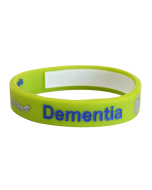
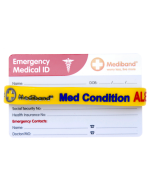
A custom medical ID by Mediband will provide protection for your loved one, ensuring immediate and appropriate treatment can be administered should the need ever arise. The emergency medical information service offers custom engraved medical alert identification bracelets that will inform first responders and medical personnel of medical conditions.
The Mediband offers many great benefits and is fully customisable to include all types of medical conditions. Such details are vital for providing critical treatment along with peace of mind that comes with knowing your loved one will receive care right away. Mediband carries options such as silicone medical id, dog tag medical id, engraved medical bracelets, medical id wallet cards, stainless steel medical id bracelets and other emergency id.
Frequently Asked Questions
What are the early warning signs of dementia?
Common early signs include short-term memory loss, repeating questions, difficulty with familiar tasks, getting lost in known places, mood and personality changes, and trouble following conversations. If you notice clusters of these signs in a loved one, see a GP for a cognitive assessment — early diagnosis opens up the most treatment options.
How do I communicate with someone whose dementia is advancing?
Speak slowly, use short sentences, maintain eye contact, and follow their emotional cues rather than insisting on facts. Avoid arguing about "what's true" — agree gently, redirect, and validate feelings. Touch, music and familiar photos work where words start to fail.
Why is wandering such a serious risk in dementia?
Around 60% of people with dementia will wander at some point. They may be looking for a former home, a deceased relative, or simply feel restless. Wandering is a leading cause of injury and death in the dementia community — every dementia household should plan for it.
Should my loved one wear a medical ID bracelet?
Yes. A high-visibility "DEMENTIA" bracelet with the person's first name and your phone number lets paramedics, police and bystanders return them home quickly. Consider pairing it with a Falls Risk band on the other wrist if mobility is affected.
How do I avoid carer burnout?
Use respite care services (My Aged Care funds short stays in Australia), join a Dementia Australia support group, take an hour a day off-site, and accept that your own physical and mental health is part of the care plan — not separate from it.

Written by
Founder, Mediband
Founder of Mediband; over 20 years providing medical IDs worldwide.
← Previous
5 Tips for Managing Epilepsy So It Doesn't Ruin Your Social Life (2026 Guide)
Next →
Dangerously High Blood Pressure: Symptoms, Causes & What To Do (2026)
Comment(s)