Universal Medical ID Alert Bracelets — Top 6 Australian Picks 2026
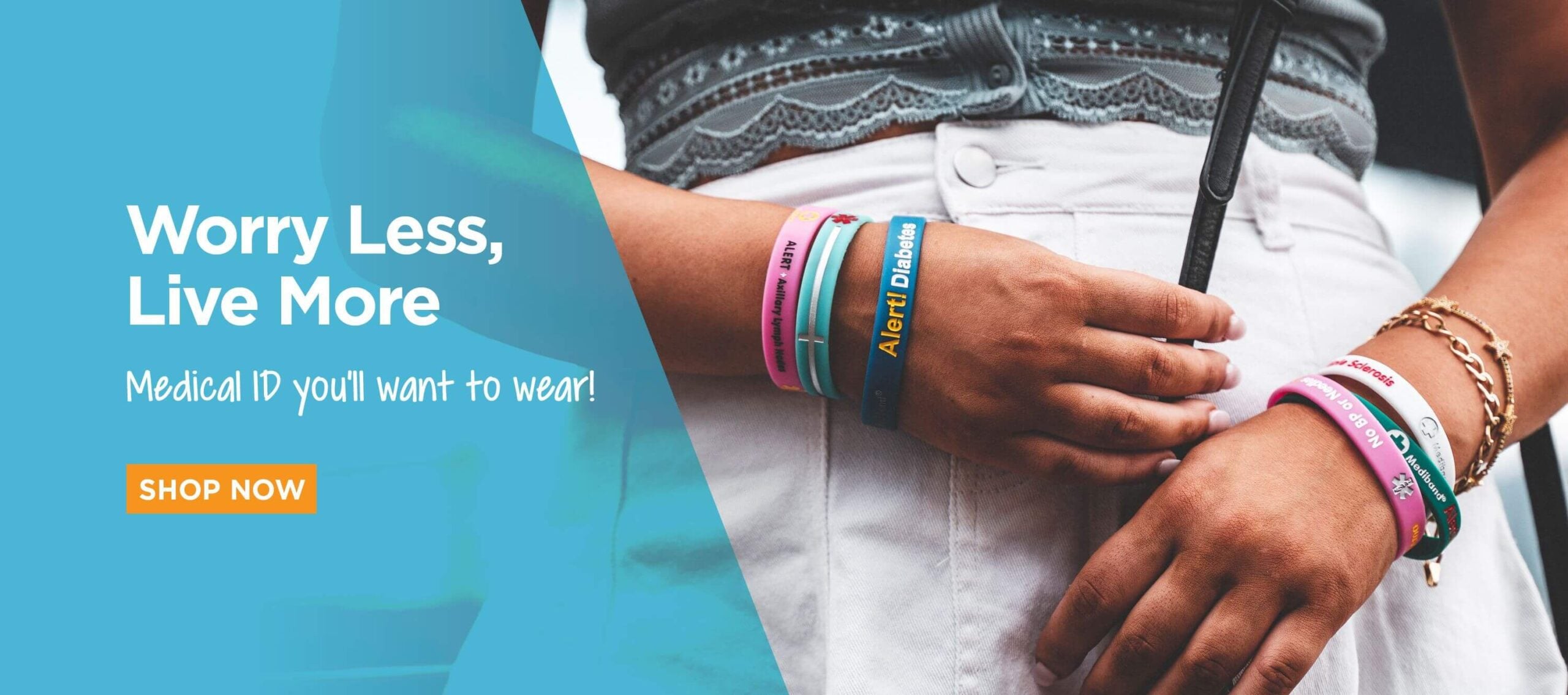
Universal Medical ID Alert Bracelets — Top Picks for 2026
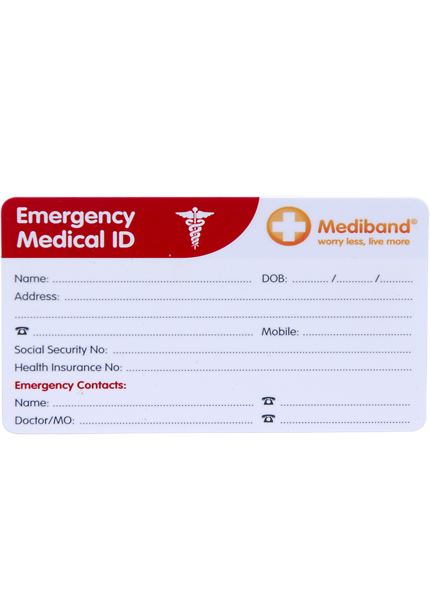
The phrase "universal medical ID" can mean different things — sometimes it's a write-on band, sometimes it's the standard Rod of Asclepius engraving plus a custom engraving area, sometimes it's a wallet-card hybrid that carries more detail than the bracelet alone. This guide walks you through the categories, with verified Australian Mediband designs in each.
Have you or a loved one ever found yourself in a medical emergency? For people with conditions such as food allergies or diabetes, minor emergencies can quickly escalate. Wearing a universal medical ID bracelet can alert medical personnel about important health information. Hence, it can make it easier for doctors and nurses to provide rapid, life-saving care.
From 2014 to 2015, there were 7.4 million emergency room visits in Australia. Hospital personnel need quick access to medical information. Therefore, medical ID bracelets provide the key data that they need to treat patients fast.
First responders always look for a medical ID. This is an automatic part of their emergency care process. Medical IDs can give the paramedic crucial information. This knowledge can then help save lives and improve care.
Be Safe and Stylish with a Universal Medical ID Alert Bracelet
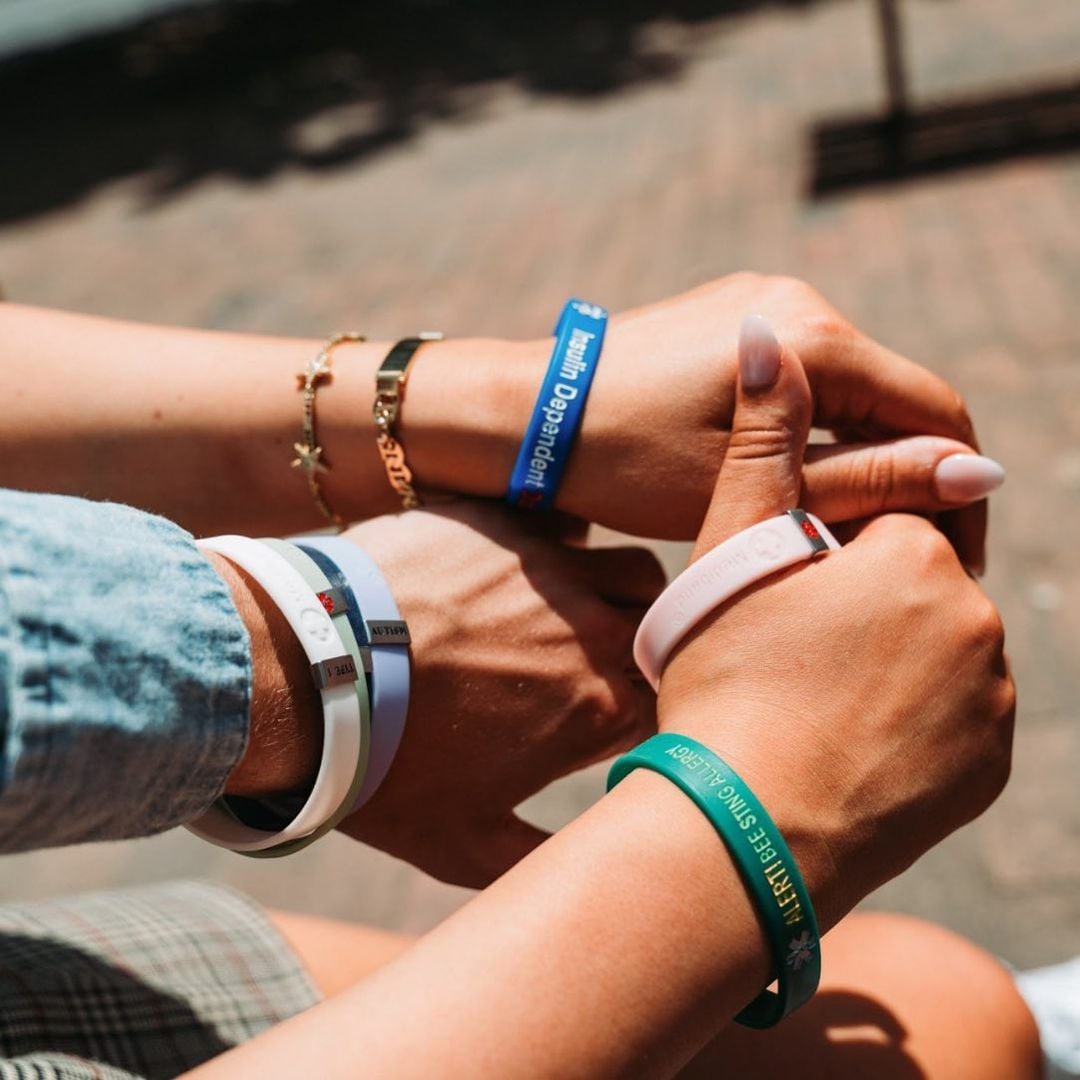
Medical ID bracelets are very useful. Having them on your wrist helps make it visible right away as this is the first place paramedics look. Above all, wearing a universal medical ID alert gives professionals the knowledge they need to do their job.
Top 6 Universal Medical Alert Bracelets
Each one fits any condition, any lifestyle, any age.
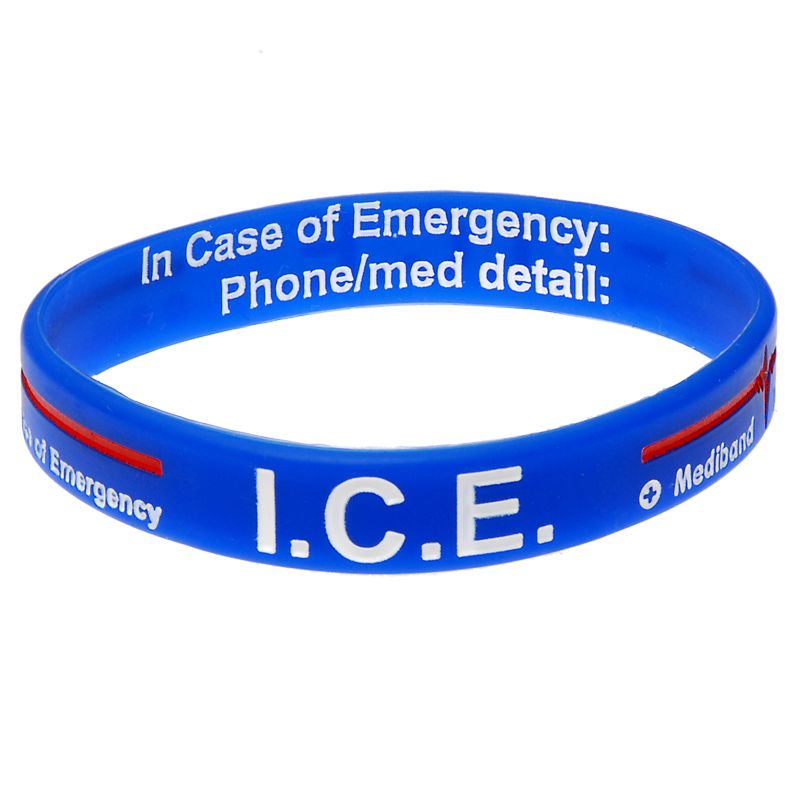
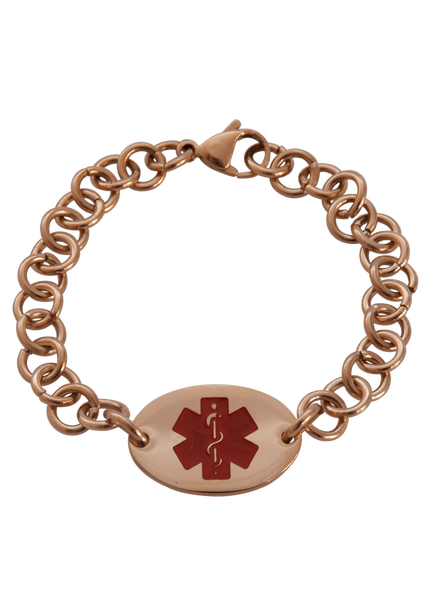
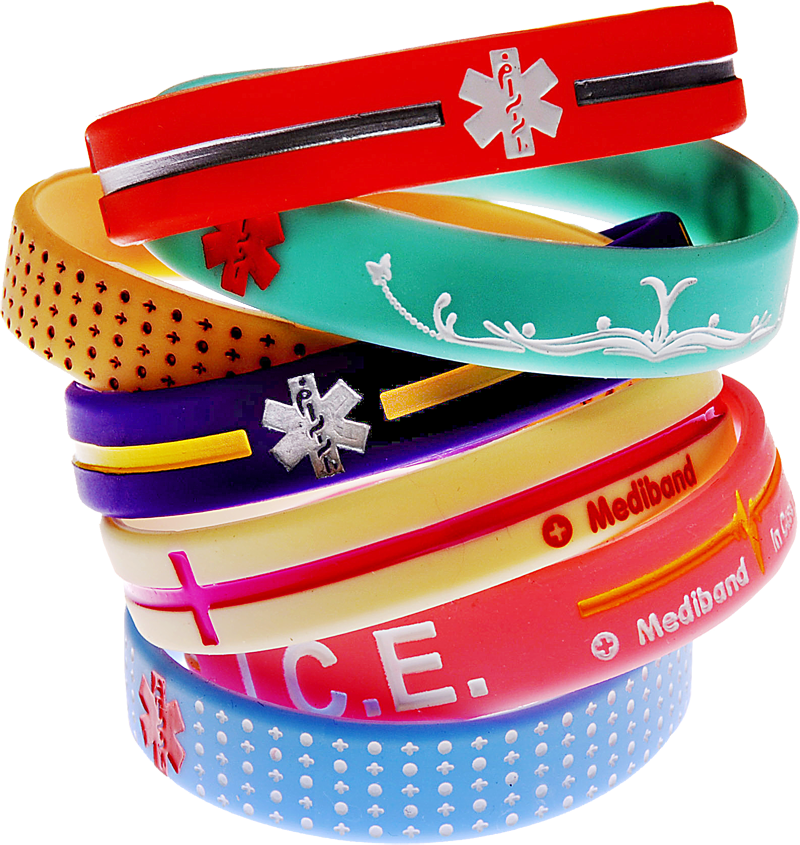
Some people with a medical condition, however, would rather keep the details about their illness private. This is perfectly understandable! Who wants to announce their condition to everyone?
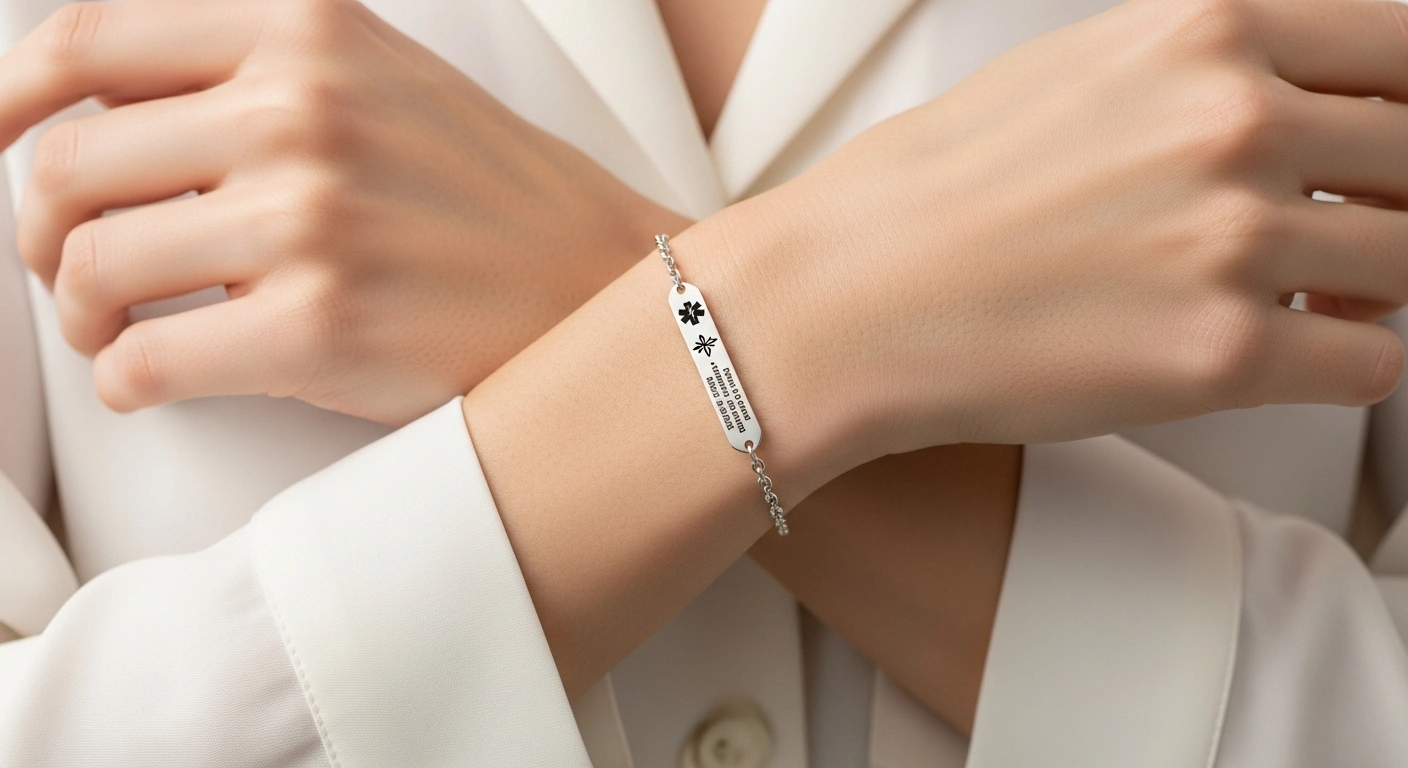
At Mediband, we have a large selection of universal medical ID bracelets. Our medical alert bracelets deliver their message and they look great! They are instantly noticeable to medical staff. They are also discreet enough to look like a stylish bracelet.
A discreet medical ID can help you go to work, school, or social events with confidence. You won't have to feel like you are advertising your condition. As a result, you can have peace of mind and style!
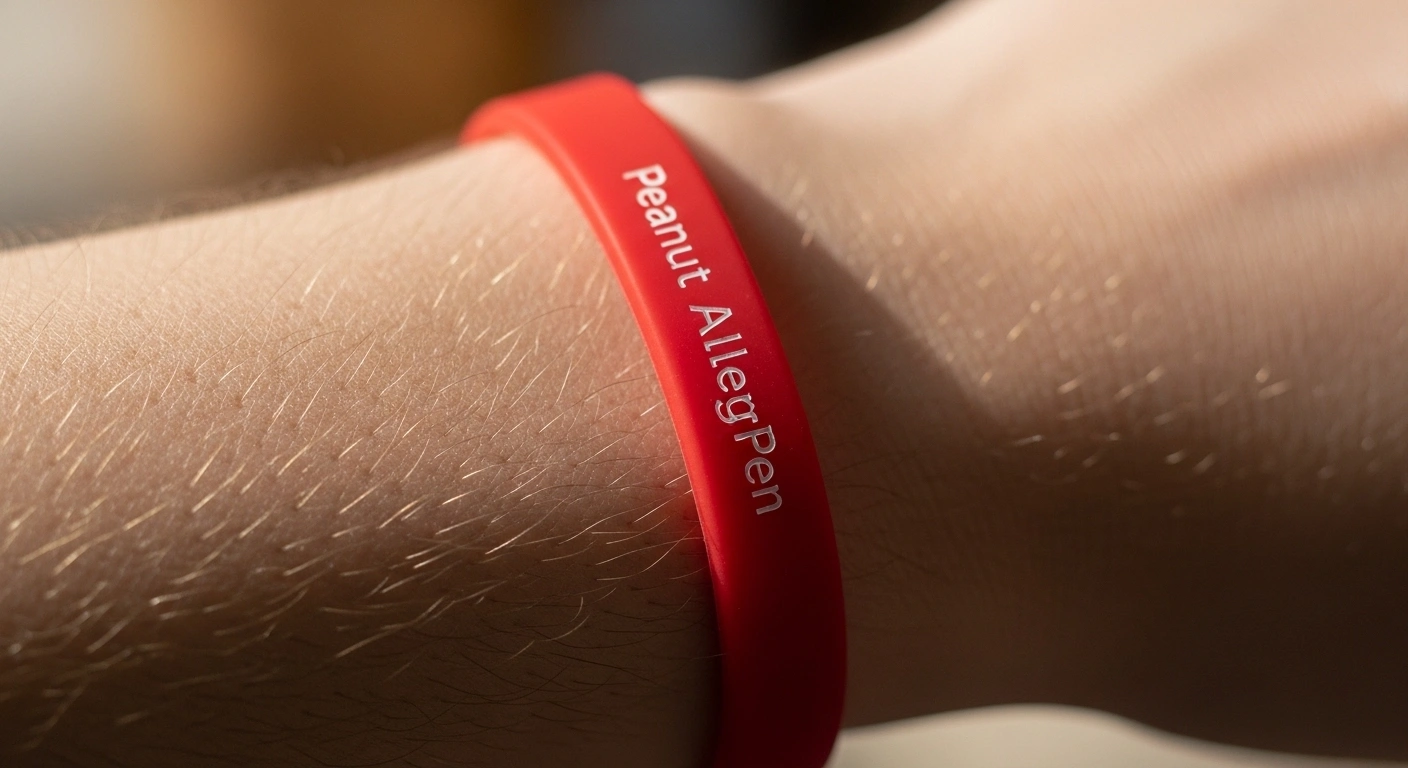
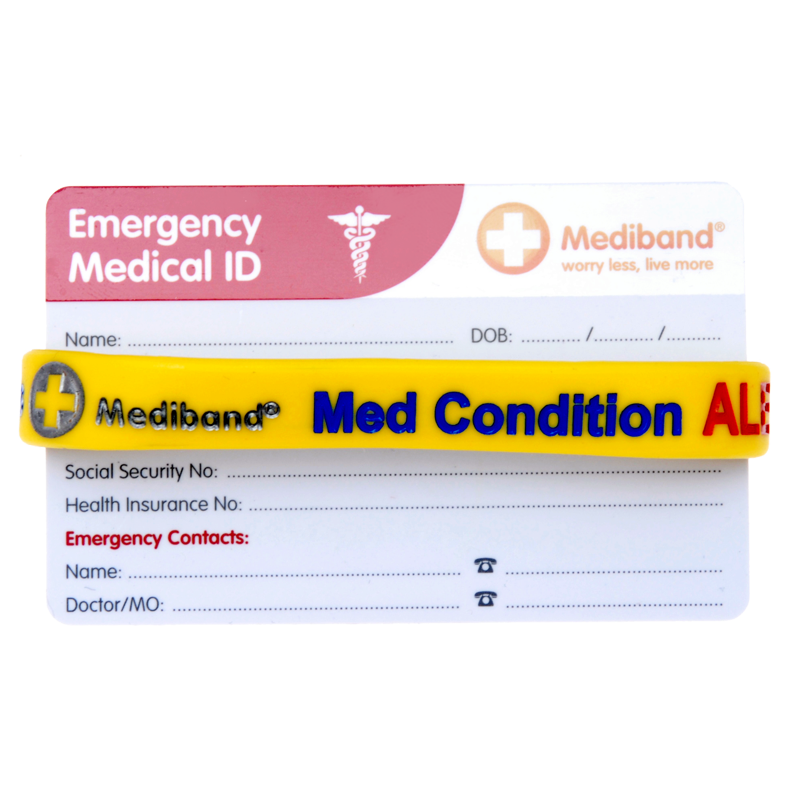
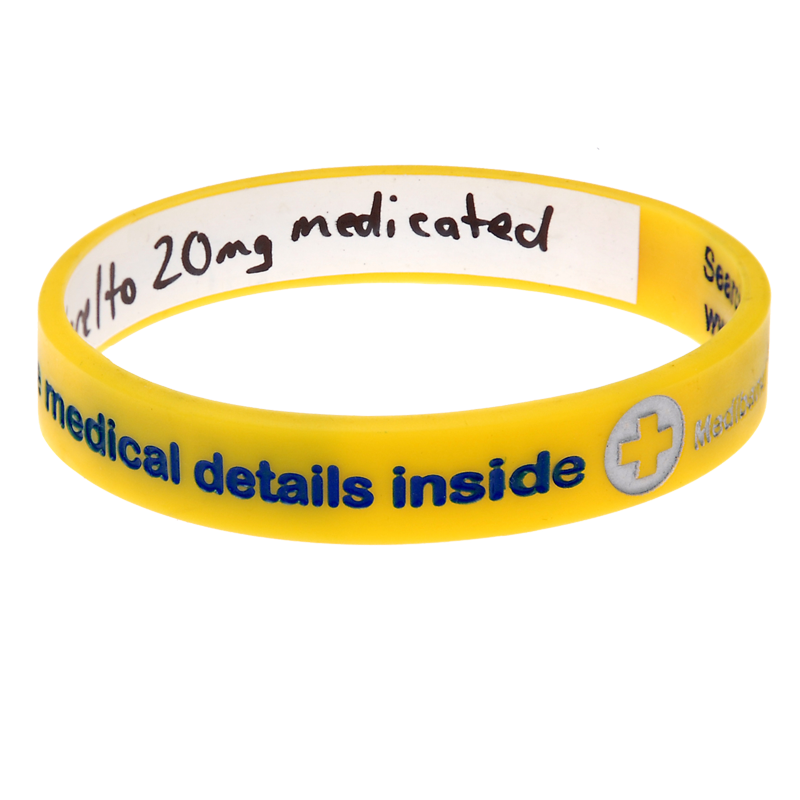
One of the unique features on our alert bracelets is a write-on strip. You can add the information you want medical professionals to see. You should write the information in the order of priority. Start with your condition and any medication you are taking. Then list allergies, contact info, and your name and birth date.
Our universal medical ID bracelets all have the Star of Life logo. This logo is a distinctive six-pointed star. It consists of the rod of Aesculapius outlined by a white border. Emergency service providers can easily notice this symbol. This is true around the world.
Feel safe and confident. With stylish, discreet medical IDs you are free to enjoy life!
Frequently Asked Questions
What makes a medical bracelet 'universal'?
Universal means the bracelet isn't pre-printed with a specific condition (like "DIABETES" or "ASTHMA"). Instead, it carries the international medical alert symbol and lets you customise the engraving for any combination of conditions, allergies, or medications.
Are universal bracelets recognised by paramedics?
Absolutely. Australian paramedics, ER staff, police and security are trained to recognise the medical alert symbol regardless of design. They'll always read the engraving once they see the symbol — universal bracelets are functionally identical to condition-specific ones.
Do I need a different bracelet if I'm travelling overseas?
Generally no — the medical alert symbol is recognised in most countries. For non-English-speaking destinations, consider engraving the primary condition in the local language as well, or use a Mediband multilingual ID card alongside.
Can I update a universal bracelet later?
Silicone write-on bands are easily updatable — write new info with a permanent marker, then heat-set in boiling water. Stainless steel can be re-engraved (around AU$30-50) or replaced. That flexibility is a big reason many wearers prefer universal designs.
Is there a downside to a universal vs condition-specific design?
The only real trade-off: a pre-printed "DIABETES" or "ANAPHYLAXIS" bracelet is faster to read at a glance — paramedics see one bold word in 1-2 seconds. Universal bracelets need 3-5 seconds for the engraving to be read. Both are acceptable; pick based on your priority.
April 14, 2026

Share on Facebook

Share on X

Share on Pinterest
Comment(s)
Recent Posts