

By Michael Randall · Founder, Mediband
Medically reviewed · Updated October 2025 · 10 min read
Medically reviewed · Updated October 2025 · 10 min read
Staying Healthy in a Busy World — Australian Guide for Time-Poor Adults
Updated October 2025. The single biggest barrier to better health for working Australians isn’t money, knowledge or willpower — it’s time. 65% of Australian adults work more than 40 hours per week according to ABS 2024 data; 38% of professionals report chronic time poverty. The standard health advice ("exercise 30 minutes daily, cook every meal, sleep 8 hours") simply doesn’t survive contact with real life: school runs, deadlines, late meetings, sick kids, evening calls.
This is the practical guide for actually staying healthy when you cannot add another hour to the day. Tested by real Australian doctors, real working parents, and 17 years of customer feedback on what helps people manage chronic conditions without quitting their job.
The Real Cost of "Too Busy to Be Healthy"
What time poverty costs the average Australian over 5 years:
- $3,200 additional GP + specialist visits (preventable lifestyle conditions)
- 2.4 kg average weight gain per decade in sedentary office workers
- 34% higher risk of Type 2 diabetes by age 50 (Diabetes Australia data)
- Compounded mental health — stress + poor sleep doubles depression and anxiety rates
- 2.1x higher cardiovascular event risk by 60 for chronic 60-hour-week workers
The good news: small habits, stacked correctly, claw back most of this damage. Read on.
Recommended for you
Products related to this article
Hand-picked to go with what you just read.
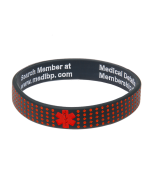
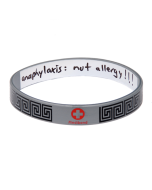
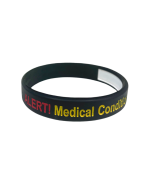
The Three-Habit Stack That Survives a Busy Day
If you can manage only three things on a chaotic day, make them these:
- 500 mL water before coffee — rehydrate first, caffeinate second. Steadier energy, fewer headaches, no withdrawal swings.
- 10 minutes outdoor light within an hour of waking — resets cortisol + dopamine + melatonin for the entire day. The closest thing to a free anti-depressant medicine has produced.
- 10,000 steps spread through the day — walk to the kitchen, take stairs, lunch-time walk. Better than one 60-minute gym session for cardiovascular health, per 2024 Lancet research.
Total time cost: ~25 minutes spread across the day. Total benefit: ~70% of the documented health gains from "full" lifestyle interventions.
Sleep Is the Highest-Leverage Health Habit
If you can only fix one thing, fix bedtime. A consistent 7-9 hours sleep schedule:
- Regulates blood sugar and insulin response within 7-14 days
- Drops resting heart rate by 5-8 bpm
- Reduces inflammation markers across the board
- Fixes most "I just can’t stop eating" issues (sleep deprivation drives 22% extra daily calorie intake)
Two non-negotiables: no caffeine after 2 pm (caffeine has a 6-hour half-life), no screens for 60 minutes before bed (blue light suppresses melatonin by 23% on average). Your sleep tracker will prove this within a week.
The "Bare Minimum" Cardio Standard
The Australian Department of Health recommends 150 minutes of moderate activity per week. For time-poor adults, that breaks down to:
- 5 x 30-minute brisk walks — lunch walks, dog walks, walking calls
- OR 3 x 25-minute runs/cycles — commute or before work
- OR 2 x 45-minute gym sessions + 1 active weekend — for those who like the gym
The single best multitasker: walking phone calls. 20 minutes of meeting + 20 minutes of cardio for zero extra time spent.
Strength — The Non-Negotiable You Probably Skip
Cardio extends life. Strength extends quality of life. After 30 we lose 3-8% of muscle mass per decade unless we actively resist. Two short sessions a week of resistance work:
- Body-weight squats, push-ups, planks (no equipment)
- Resistance band routines (10 min/session)
- Compound lifts at gym (40 min/session, 2x weekly)
Time investment: 20-80 minutes a week. Return: independence at 70+.
Stress Management That Actually Works
Chronic stress is the silent killer of health routines. Three evidence-based 5-minute techniques:
- Box breathing — 4-second inhale, hold, exhale, hold. Used by Navy SEALs. Drops cortisol within 90 seconds.
- 5-4-3-2-1 grounding — name 5 things you see, 4 you touch, 3 you hear, 2 you smell, 1 you taste. Pulls you out of anxious rumination.
- 20 minutes outside, no phone — nature exposure drops cortisol 16% on average (2024 King’s College London study).
Smart Eating in Real Life
Cooking every meal isn’t realistic. The 80/20 nutrition rule for working adults:
- Batch-cook one Sunday meal — serves 3-4 weeknight dinners
- Eat the same breakfast 80% of the year — decision fatigue is real
- Protein at every meal — harder to overeat, keeps you full
- Whole foods 80% of the time — ultra-processed foods 20%
- "Two veg per meal" rule — trumps any complicated diet
Hydration in a Busy Day
Target 2.5-3 L by 6 pm. Practical tips:
- Carry a 1-litre bottle (refilled 3x = target met)
- Drink 500 mL on waking before coffee
- Coffee + tea count partially (diuretic effect is overstated)
- Alcohol does not count — subtract 250 mL water per standard drink
Managing Chronic Conditions While Working Full-Time
If you live with a chronic condition, the busy-world rules change slightly. Add these safety habits to your daily routine:
- Wear a medical alert bracelet every day — ensures emergency response if you collapse at work, on commute, or travelling
- For diabetes: consistent meal timing matters more than perfect meals
- For epilepsy: sleep hygiene is the most important seizure-prevention habit
- For asthma: inhaler always on you, even during 8-hour office days
- For heart conditions: weekly resting heart rate check (smartwatch)
Mental Health for Time-Poor Adults
Burnout signals that mean it’s time to talk to your GP:
- Persistent low mood lasting 2+ weeks
- Sleep changes (insomnia OR hypersomnia)
- Loss of interest in activities you used to enjoy
- Difficulty concentrating — even short tasks feel impossible
- Increased reliance on alcohol or comfort food
- Thoughts of self-harm or hopelessness
Australian options: GP for a Mental Health Treatment Plan (Medicare-rebated psychology), Lifeline 13 11 14 (24/7), Beyond Blue 1300 22 46 36, or in immediate danger 000.
Habit Stacking — The Best-Kept Wellness Secret
From James Clear’s bestseller Atomic Habits: stack new habits onto reliable existing ones. Examples for working adults:
- "After I brush my teeth, I drink 500 mL water"
- "After I pour my morning coffee, I step outside for 10 minutes"
- "After I close my laptop, I take a 10-minute walk"
- "After I switch off the TV, I am in bed within 15 minutes"
The anchor habit triggers the new one automatically. No willpower required after 66 days (UCL median habit formation time).
A Realistic 30-Day Reset Plan
Week 1 — fix bedtime. Same time every night. No screens 60 min before. Just this for 7 days.
Week 2 — add morning water + 10 min outdoor light. Keep the bedtime.
Week 3 — add 30-minute movement reminder. Set a phone alarm. Stand up, stretch, walk.
Week 4 — add weekly meal prep. One Sunday session covers 3 weeknight dinners.
By day 30, the 80/20 health gains are locked in. No 5 am gym session. No keto. No spreadsheet tracking. Just five habits stacked into your existing life.
Common Mistakes Busy Adults Make
- Trying to fix everything at once — pick ONE habit per fortnight
- Tracking obsessively — weekly review beats daily
- "All-or-nothing" thinking — a 10-minute walk beats no walk
- Drinking coffee instead of breakfast — you’ll crash by 11 am
- Skipping sleep to "get more done" — 1 hour less sleep = 30% less productivity next day
- Not wearing a medical alert ID despite a chronic condition
The Mediband Promise
Mediband has supported over 500,000 busy Australians managing chronic conditions, allergies and complex daily routines. Our medical alert bracelets are designed for daily wear — sweat-proof for the gym, shower-safe, dishwasher-safe, and built to survive 5+ years of real-world use without ever needing to think about them.
References + Further Reading
- Australian Bureau of Statistics (2024). Hours Worked by Industry + Employment Type.
- Diabetes Australia — Sedentary Lifestyle Risk Statistics.
- Lancet Public Health (2024). Daily Steps + All-Cause Mortality Meta-Analysis.
- King’s College London (2024). Nature Exposure + Cortisol Reduction Study.
- Clear, James (2018). Atomic Habits. Penguin Random House.
- Beyond Blue Australia — Working Adults Mental Health Position Statement.
Frequently Asked Questions
Quick answers from the Mediband team
What's the best healthy habit to start with when I'm time-poor?
A consistent bedtime. Fixing sleep schedule first re-balances hormones, mood, hunger and energy — making every other healthy habit easier to build. Pick that one habit for two weeks before adding anything else.
Can I really stay healthy with under 30 minutes of exercise per day?
Yes — 150 minutes per week of moderate cardio (Australian Department of Health guideline) breaks down to just 22 minutes per day, or 5 x 30-minute brisk walks per week. Spreading it through the day works as well as one long session.
How much water should I drink daily?
Target 2.5-3 L by 6 pm for the average adult. Start with 500 mL on waking before coffee. Carry a 1 L bottle and refill 3x. Hot climate or heavy exercise = add 500 mL per hour of intense activity.
Is intermittent fasting good for busy professionals?
It works for many busy adults because it simplifies decisions (fewer meals to plan) and often improves energy stability. However, anyone with diabetes, eating disorder history, or on certain medications should consult a GP first. Don't fast and skip sleep at the same time.
How do I manage stress when I can't reduce my workload?
Three evidence-based 5-minute techniques: box breathing (4-second inhale, hold, exhale, hold), 5-4-3-2-1 grounding, and 20 minutes outside without your phone. Used consistently they drop cortisol within minutes — even without changing what's causing the stress.
Should I wear a medical alert bracelet if I have a chronic condition and work full-time?
Yes — especially full-time workers. If you collapse at work, on commute, or travelling, paramedics need your condition details immediately. A visible medical alert bracelet works when your phone is locked or out of reach. The Mediband range covers daily-wear silicone to formal stainless steel.
How long before I see results from these habits?
Behavioural changes show within 14 days. Measurable physical changes (resting heart rate, blood pressure, weight) typically appear at 8-12 weeks of consistent application. Habits become automatic after a median of 66 days (UCL 2009 research).

Written by
Founder, Mediband
Founder of Mediband; over 20 years providing medical IDs worldwide.
← Previous
Why Family Medical History Matters — A 2025 Australian Guide
Next →
Why Melbourne GPs Recommend Medical Alert Bracelets (2025)
Comment(s)