Penicillin Allergy Bracelets: Types, Engraving Tips & Buying Guide (2026)
Choosing the Right Penicillin Allergy Bracelet — A Buyer's Guide
Penicillin allergy bracelets come in many forms. The challenge isn't whether to wear one — anyone with confirmed penicillin allergy needs one — but which type to choose, what to engrave, and how to make sure it actually does its job at the moment of emergency. This guide compares the available styles, materials, and engraving options so you can pick a bracelet that suits your life and works when you need it most.
According to HealthDirect Australia, around 1 in 10 Australians report a penicillin allergy, but only a small fraction wear identification. The right bracelet — comfortable, durable, and visible — closes that gap permanently.
The Six Main Types of Penicillin Allergy Bracelets
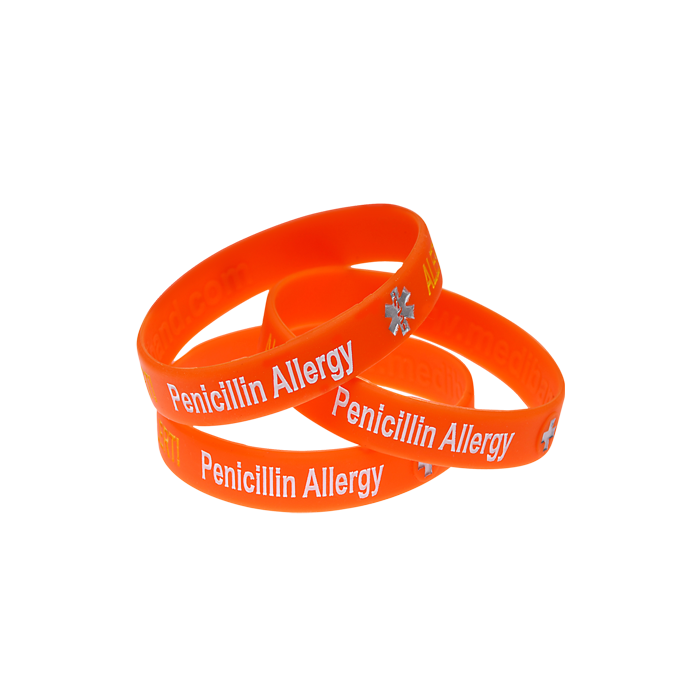
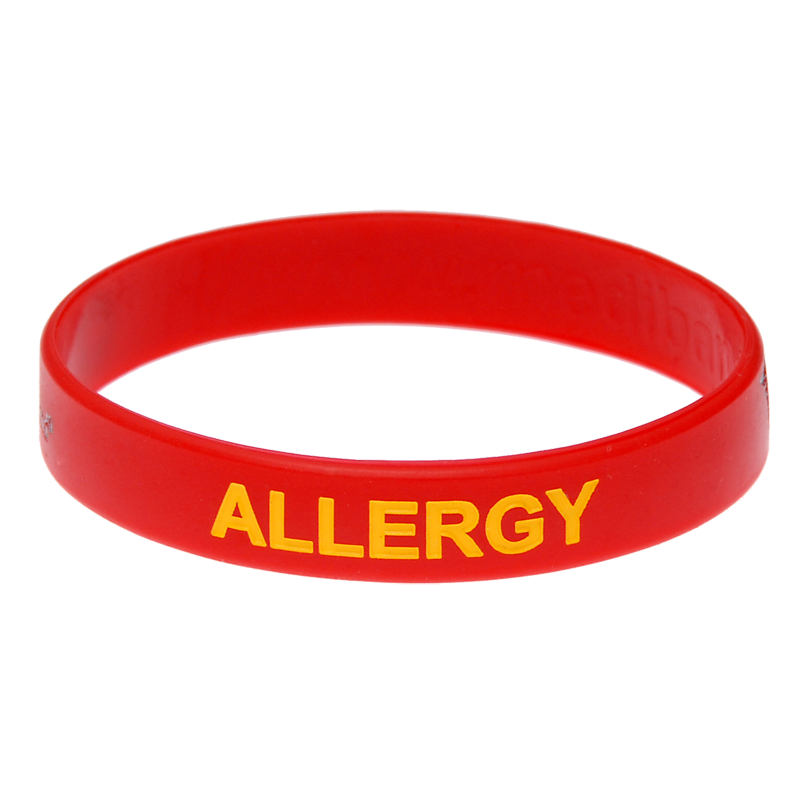
1. Classic Red Allergy Alert (Engraved Silicone)
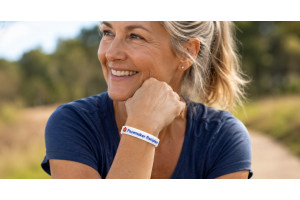
The international standard. Bright red colour signals "allergy" universally; engraved or written details name the specific drug. Soft silicone is comfortable for daily wear, waterproof, and replaceable when engraving fades. Best for: most adults and children with confirmed allergy.
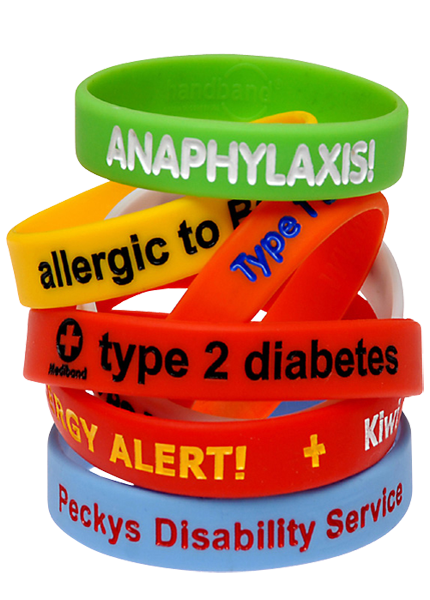
2. Anaphylaxis Alert (For Severe Reactions)
For wearers whose penicillin reaction has progressed (or could progress) to anaphylaxis. Flags the need for emergency adrenaline (EpiPen) and triple-zero. Visually distinct so paramedics know within seconds whether to escalate. Best for: anyone whose penicillin allergy has caused anaphylaxis or whose allergist recommends precaution.
3. Write-On Reversible Silicone
Two-sided design with a soft silicone band. One side has a write-on alert ("Penicillin Allergy") that the wearer can update if their condition changes; the other side can be plain or coloured. Practical for changing medication lists. Best for: people whose allergy profile may evolve.
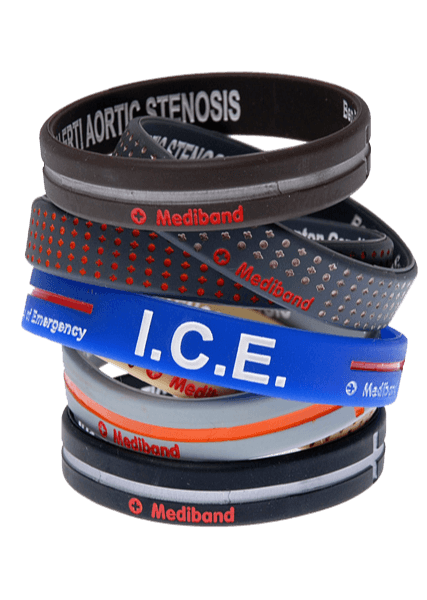
4. Designer Reversible (Stylish + Functional)
Patterned on one side, alert on the other. Worn alert-side-out at hospital appointments and sport, fashion-side-out for daily life and work. Reduces self-consciousness without losing the safety function. Best for: teens and adults who feel uncomfortable with overt medical jewellery.
5. Stainless Steel Engraved (Premium Daily-Wear)
Polished stainless steel, professionally engraved with the wearer's allergy. Looks like jewellery, lasts 10+ years, doesn't fade or tarnish. Best for: adults in formal settings, professionals, anyone wanting jewellery-grade quality.
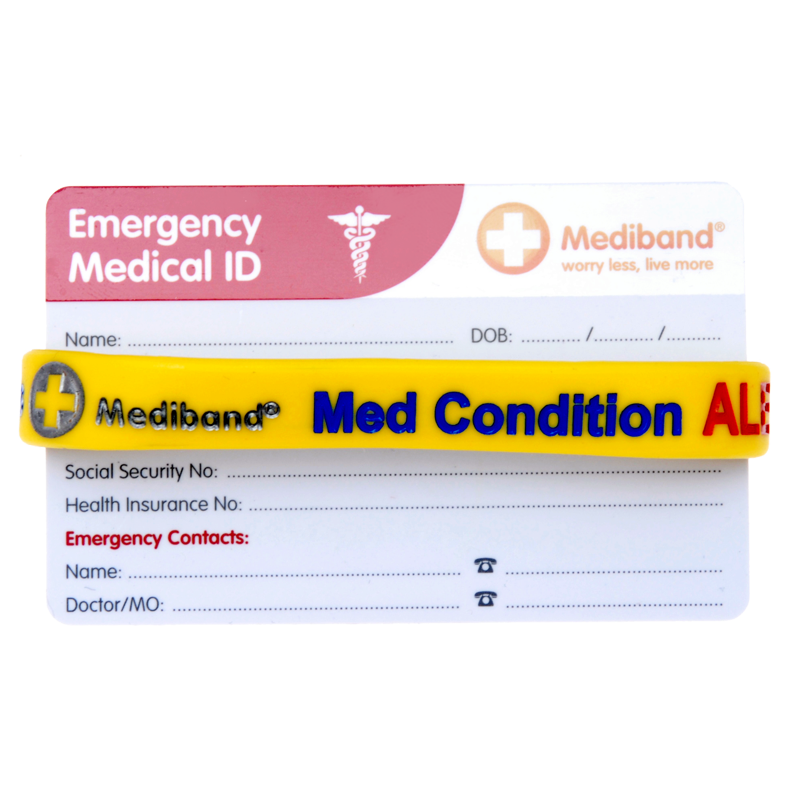
6. Bracelet + Wallet Card Combo
Bracelet on the wrist plus a matching ID card in the wallet. Bracelet for the immediate alert; card for the deeper detail (history, medication list, GP contact). Particularly useful for people with multiple allergies. Best for: complex allergy profiles, frequent travellers, hospital admissions.
Penicillin Allergy Bracelets — Types & Styles for Every Wearer
From classic red allergy alerts to designer reversible — find the right bracelet for daily wear.

Materials Compared: Which One to Choose?
Silicone
Pros: soft, waterproof, hypoallergenic, inexpensive, easy to replace. Cons: engraving fades over 12-24 months, less formal-looking. Verdict: ideal for kids, athletes, and active wearers.
Stainless Steel
Pros: dressy, durable, hypoallergenic (when 316L grade), engraving is permanent. Cons: heavier, requires clasp, more expensive. Verdict: ideal for daily-wear adults and professional contexts.
Sterling Silver
Pros: jewellery-grade appearance, hypoallergenic for most wearers, classic look. Cons: tarnishes without care, more expensive. Verdict: ideal for formal occasions and gift-giving.
Rose Gold (Plated)
Pros: fashion-forward, suits warm skin tones, looks expensive. Cons: plating wears over years, gold colour may not appeal to all wearers. Verdict: ideal for younger adults wanting style + function.
Leather
Pros: minimalist, comfortable, masculine aesthetic. Cons: not waterproof, less durable than metal or silicone. Verdict: ideal for daily-wear men who don't swim or do water sport.
What to Engrave on a Penicillin Allergy Bracelet
The five priority fields, in order:
- Wearer's name — first and last.
- Allergy specifics — "Penicillin Allergy", "Anaphylaxis – Penicillin", "Pen + Cephalosporin Allergy".
- Other significant allergies — sulpha, NSAIDs, contrast dye if present.
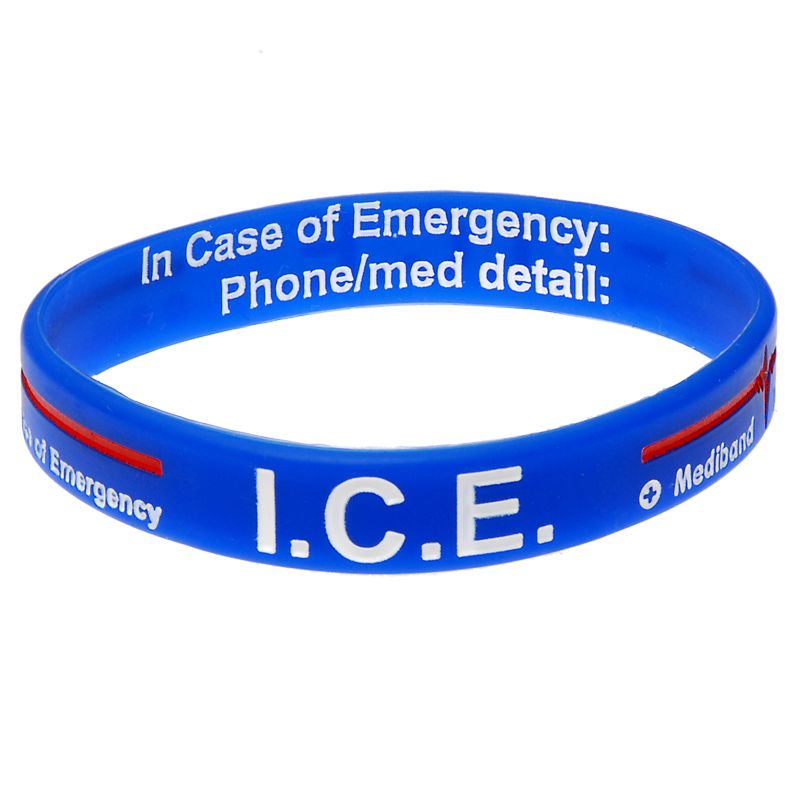
- Emergency contact phone — answered 24/7 by family or carer.
- "See wallet card" — points responders to deeper detail if needed.
Skip information that doesn't help in emergencies: home address, full date of birth, sensitive history. Less crowding means faster reading.
Hypoallergenic Considerations
Some wearers with metal allergies (nickel, chromium) or contact dermatitis need to choose materials carefully:
- Surgical stainless steel (316L) — generally safe for most metal-sensitive wearers.
- Sterling silver (.925) — usually safe; check for nickel-free hallmark.
- Silicone — virtually always safe; no metal contact.
- Avoid: cheap costume metals, low-grade plated bands, undeclared alloys.
If the wearer has had a contact reaction to a previous bracelet, choose silicone or surgical-grade metal. Mediband stocks several hypoallergenic options.
How to Wear and Care for Your Bracelet
Daily Habits
- Put on with watch every morning — even hand if possible.
- Leave on during showers, sport, and sleep — silicone and stainless steel are both fully waterproof.
- Inspect monthly for wear: fading engraving, loose clasp, frayed band.
- Replace silicone every 12-24 months; stainless steel every 5-10 years; leather every 2-3 years.
Cleaning
- Wash weekly with mild soap and warm water.
- Rinse with fresh water after pool/sea swimming to prevent corrosion.
- Avoid harsh chemicals (bleach, acetone) which can degrade engraving and material.
Updates
- Review engraving every six months at GP visits.
- Re-engrave or replace when allergies, medications, or contacts change.
- Out-of-date info is more dangerous than no bracelet — don't let updates slip.
Where to Buy and What to Pay
Mediband stocks the full range of penicillin allergy bracelets from soft silicone to premium stainless steel. Browse our medical alert bracelet collection by material, style, and condition. Compared to even one avoided medication error in a 10-year wearing life, the bracelet pays back its cost dozens of times over. Most wearers consider it the best-value medical purchase they make.
Frequently Asked Questions
What is the best material for a penicillin allergy bracelet?
It depends on your daily life. For active wearers (kids, athletes, swimmers), soft silicone is ideal — comfortable, waterproof, hypoallergenic, easy to replace. For office or formal wear, surgical stainless steel (316L) gives jewellery-grade appearance with permanent engraving. For wearers with metal sensitivities, silicone or sterling silver is safest. The best material is the one you'll actually wear every day.
Can a penicillin allergy bracelet be the only allergy ID I wear?
Yes — for most wearers with single-allergy profiles. If you also have severe food allergies, anticoagulant therapy, or other critical conditions, consider a wallet card or QR-coded bracelet that carries the full picture. Single-allergy wearers are well covered by a single engraved band, supplemented by a wallet card for hospital intake.
How do I know what to engrave if I'm not sure what causes my reaction?
See your GP and ideally an allergist. They can confirm the specific drug class (penicillin alone vs the broader beta-lactam class including cephalosporins and carbapenems). The engraving should be as specific as testing allows — generic "Drug Allergy" without specifics wastes the bracelet's job.
Is a designer reversible bracelet safe in real emergencies?
Yes — if worn alert-side-out at any time you might need it (sport, hospital, travel, public transport). Many wearers flip to alert-side daily on departure from home. Paramedics check both wrists in any emergency, so even if the alert side is hidden initially, they will find it within the standard 30-second protocol check.
What's the difference between an allergy alert and an anaphylaxis alert bracelet?
The allergy alert is the general design — flags any drug allergy, including mild reactions (rash, itching). The anaphylaxis alert is specific to severe reactions involving airway swelling or blood pressure collapse — tells responders to call for emergency adrenaline (EpiPen) and triple-zero immediately. If your reaction has been or could be severe, choose the anaphylaxis alert.
May 11, 2026

Share on Facebook

Share on X

Share on Pinterest
Comment(s)
Recent Posts