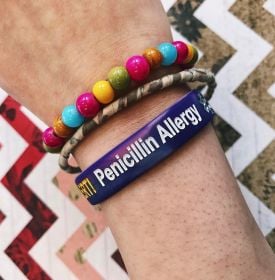

Around 1 in 10 Australian children has a diagnosed food allergy and many more live with milder intolerances — lactose, fructose, FODMAPs, salicylates. The symptoms overlap, the diets can be confusing for grandparents and friends, and the safety stakes climb fast when anaphylaxis is possible. The encouraging news: with the right diagnosis, a clear allergy management plan, a school anaphylaxis plan, and a properly engraved medical ID, most kids with happy-tummy issues live happy, full lives.
 Happy Tummies is an online shop for families affected by food allergies and food intolerances.
Lisa Munro and her husband Chris decided to start Happy Tummies for this suffering from allergies about three and half years ago. The inspiration came from Alex, their son who has multiple food allergies and eosinophilic oesophagitis. They were tired of wasting their weekends driving from store to store trying to find safe foods that their son could eat, and like! It became even harder once Lisa's baking got better, trying to find various gluten free flours was an absolute nightmare.
Not only that, Alex felt as if he was missing out because his foods looked different to everyone else’s. At the time, he was about six years old, and it meant a lot to him to have snacks and treats that were similar to his friends, especially when they went to parties.
So began Happy Tummies. At Happy Tummies, there is a broad range of yummy gluten, wheat free, dairy free, nut free, egg free and soy free products so no one needs to feel like they’re missing out. There are also special items during Christmas and Easter like dairy and nut free Advent calendars and Easter eggs.
In addition, all ingredients in a product are listed in the product description, and they've taken the time to take photos of nutrition panels so it is easily accessible.
Orders are dispatched every day of the week so you won't have to wait long at all! Take the stress out of shopping for family members with food allergies or intolerances and give Happy Tummies a try!
Lisa and Chris have also organised a special FREE gift for all Mediband users. It’s a baking chart where they have converted 98 foods from cup measures to weights. With allergy free baking the more accurate you are, the better your results will be. In addition, there’s also a special little offer when you download your chart so keep an eye out for that!
You can get your chart here: Stay safe!
Frequently Asked Questions
What's the difference between food allergy and food intolerance?
Food allergy is an immune system reaction (IgE-mediated) — symptoms appear within minutes and can include anaphylaxis. Food intolerance involves digestion and is uncomfortable but not life-threatening. The same food can trigger different reactions in different children.
How do I test if my child has a food allergy?
GP referral to a paediatric immunologist for skin-prick testing or specific IgE blood test. Do NOT use unaccredited "food sensitivity" tests sold online — they're unreliable. ASCIA-accredited testing is the gold standard.
How do I help my child manage food allergy at school?
Provide an ASCIA Action Plan to the school, ensure the EpiPen is in date, brief teachers and parent helpers, and fit a medical alert bracelet your child can keep on. Most Australian schools are required to have an anaphylaxis policy under the National Allergy Strategy.
Can children outgrow food allergies?
Many can — milk and egg allergies are commonly outgrown by school age. Peanut, tree nut, fish and shellfish allergies are typically lifelong. Re-test every 1-2 years until your specialist says it's no longer needed.
Should my child's bracelet say 'allergy' or list specific foods?
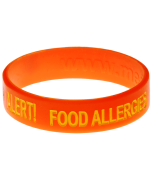
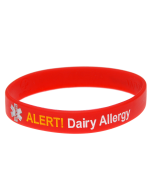
List specific foods. "PEANUT — ANAPHYLAXIS" or "DAIRY ALLERGY" tells paramedics exactly what to avoid in 5 seconds. "ALLERGY" alone is too vague to act on. Use a write-on band if your child has multiple allergens to fit.
Recommended for you
Products related to this article
Hand-picked to go with what you just read.

Written by
Founder, Mediband
Founder of Mediband; over 20 years providing medical IDs worldwide.
← Previous
Gluten Allergy Wristband — Coeliac Disease & Why You Need an Alert (2026)
Next →
Dementia Emergency ID — Why Every Dementia Family Needs One (2026)
Comment(s)