A new diabetes diagnosis can feel overwhelming — medication routines, blood-glucose monitoring, food choices, and the constant low-grade worry that something will go wrong while you’re away from home. Wearing a diabetic ID bracelet from day one removes one of the biggest sources of that worry: if a hypo (low blood sugar) or hyper (high blood sugar) emergency hits when you can’t speak for yourself, your medical alert bracelet does it for you. This 2025 guide for the newly diagnosed walks through the daily habits that make diabetes manageable, the warning signs you and the people around you need to recognise, and how a diabetes medical alert bracelet protects you in the moments that matter most.
Mediband has supplied diabetic ID bracelets to Australian patients for over fifteen years. The advice here reflects what works for real customers — from teenagers just diagnosed with type 1 diabetes to adults managing newly diagnosed type 2 diabetes alongside busy work and family lives.
Five Daily Habits to Stay Healthy with Diabetes
Your endocrinologist and diabetes educator will give you a detailed care plan. These five daily habits sit underneath it — the small consistent choices that keep blood sugar steady and emergencies rare:
1. Recognise hypo signs early
Hypoglycaemia (low blood sugar) is the most common diabetic emergency. Early symptoms include shaking, sweating, paleness, dizziness, irritability, hunger, confusion, headache and numbness around the lips and fingers. Treat fast with a fast-acting carb (jellybeans, glucose tablets, juice) and recheck after 15 minutes.
2. Recognise hyper signs too
Hyperglycaemia (high blood sugar) develops more slowly: thirst, frequent urination, tiredness, headache, stomach pain. Persistent hyper can progress to diabetic ketoacidosis (DKA) which is a medical emergency — especially in type 1 diabetes.
3. Take medication or insulin at the same time daily
Steady medication timing keeps blood-glucose curves predictable. Pair doses with regular meals or routine moments (waking up, brushing teeth, bedtime) so they become automatic.
4. Tell the people around you
You’re not required to disclose diabetes to colleagues or employers, but choosing to inform a few trusted people means someone close can recognise hypo signs and act fast. Same applies to family, sports teams and close friends.
5. Wear a diabetic ID bracelet every day
The single highest-impact piece of protective gear for anyone with diabetes is a clearly marked diabetic emergency identification bracelet. It works when you can’t — and most diabetes-related emergencies happen exactly when speaking for yourself is hardest.
Type 1 vs Type 2 Diabetes — What Newly Diagnosed Adults Should Know
Type 1 and type 2 diabetes look similar from outside but need different daily management. The right diabetic ID bracelet reflects which type you have and how you treat it:
Type 1 diabetes wristband considerations
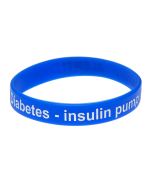
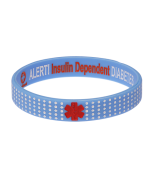
Type 1 diabetes is autoimmune — the body destroys insulin-producing cells, so insulin therapy is required for life. Bracelets should state "Type 1 Diabetes" or "Insulin-Dependent Diabetes" clearly. If you use an insulin pump or CGM, add that detail to the band or wallet card so first responders know how to handle the devices.
Type 2 diabetes bracelet considerations
Type 2 is more common in adults and may be managed with lifestyle changes, oral medication, injectable medications or insulin. A type 2 diabetes bracelet should reflect the current treatment plan — particularly whether you take insulin, sulfonylureas or GLP-1 receptor agonists like Ozempic, all of which can cause hypoglycaemia if doses or food timing are off.
Insulin pump alert bracelet
Insulin pump and CGM users need first responders to know about the device before they touch the wearer in an emergency. An insulin pump alert bracelet flags the device clearly and prevents incorrect handling during resuscitation, transport or scan procedures.
Recommended for you
Products related to this article
Hand-picked to go with what you just read.
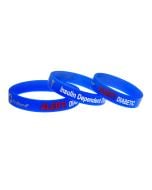
What Diabetic ID Bracelets Should Show
The most useful diabetic emergency identification bracelets carry a focused set of information that paramedics can read in seconds:
- Diabetes type clearly stated. "Type 1 Diabetes" or "Type 2 Diabetes — Insulin" or simply "Insulin Dependent".
- Current medication or device. "On Insulin Pump" or "Sulfonylurea" or "Metformin" — enough detail to inform treatment.
- Critical co-conditions if any. Allergies, blood thinners, kidney issues, pacemaker — anything affecting emergency treatment.
- Emergency contact phone number. A family member or carer who knows your full medical history and can speak with paramedics.
Reversible write-on bracelets let you update these details as treatment changes. The Medical Condition ID Bracelet plus Wallet Card combo carries longer information for hospitals while the bracelet handles the first 60 seconds.
Common Diabetes Emergencies and Where the Bracelet Helps
Three diabetic emergencies cover the majority of urgent presentations. In each, a diabetes medical alert bracelet changes the outcome:
Severe hypoglycaemia
Very low blood sugar can mimic intoxication or psychiatric emergency. Bystanders and paramedics seeing a diabetic ID bracelet immediately recognise the cause and administer glucagon or glucose — instead of misinterpreting the situation.
Diabetic ketoacidosis (DKA)
Mostly in type 1 diabetes — sky-high glucose plus ketones in the blood, often triggered by illness, missed insulin or infection. Paramedics need to know diabetes type and insulin regimen to manage DKA correctly.
Hyperosmolar hyperglycaemic state (HHS)
Mostly in older adults with type 2 diabetes — extremely high glucose with severe dehydration. A clear medical alert bracelet helps hospital staff start the right treatment without waiting for medical history confirmation.
Frequently Asked Questions
Do I need a diabetic ID bracelet if my diabetes is well-controlled?
Yes. Even with good control, hypoglycaemia and emergencies can happen unexpectedly during illness, medication changes, missed meals, exercise or new situations. A diabetic ID bracelet costs little, weighs almost nothing, and ensures first responders can identify and treat your diabetes correctly the moment you can't speak for yourself. It's the single highest-value protective item for anyone living with diabetes.
What should be engraved on a diabetes medical alert bracelet?
At minimum: the word 'Diabetes' or 'Type 1/Type 2 Diabetes'. Add the current medication if relevant ('On Insulin Pump', 'Insulin Dependent', 'Sulfonylurea'), any critical allergies or co-conditions, and an emergency contact phone number. Reversible write-on bracelets let you update details as treatment changes.
Can I get a diabetic ID bracelet in different styles?
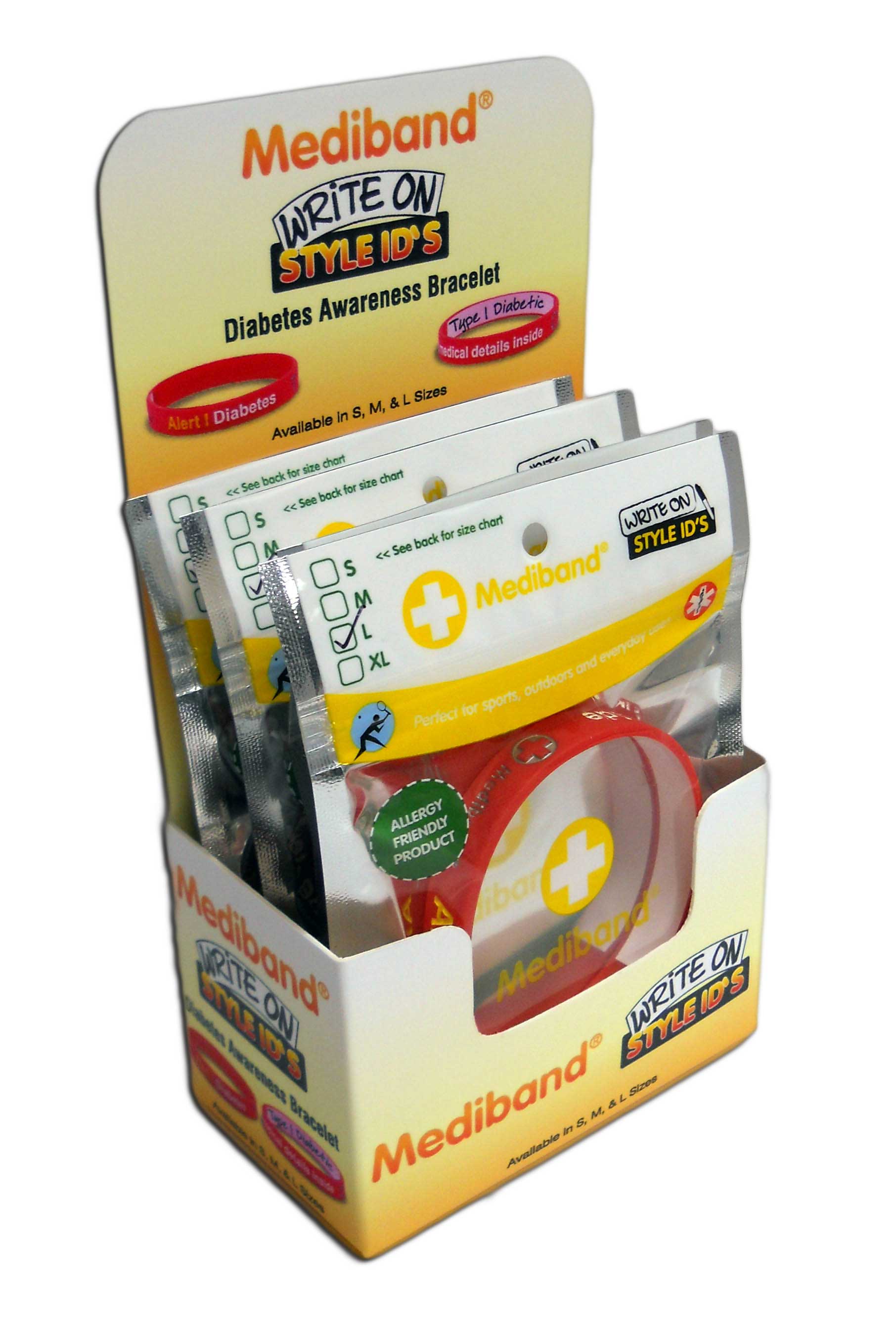
Yes. Mediband supplies diabetic ID bracelets in silicone (everyday active wear), stainless steel (premium engraved), rose gold and gold-plated (fashion-friendly) and Tyvek wrist bands (single-event). All carry the same clear emergency identification — choose the style that matches your daily wear and personal taste.
How quickly should I treat hypoglycaemia symptoms?
Immediately. The rule is 15-15: take 15 grams of fast-acting carbohydrate (jellybeans, glucose tablets, half a cup of juice) and recheck blood sugar after 15 minutes. Repeat if still below 4.0 mmol/L. If the person is unconscious or can't swallow, do not give food or liquid by mouth — administer glucagon if available and call 000.
Are diabetic ID bracelets covered by Medicare or NDIS?
Diabetic ID bracelets are not directly subsidised by Medicare, but NDIS participants may include medical alert bracelets in their plan under low-cost assistive technology if the bracelet directly supports their disability-related needs. Speak with your support coordinator or plan manager about including a medical alert bracelet in your NDIS plan.

Written by
Founder, Mediband
Founder of Mediband; over 20 years providing medical IDs worldwide.
← Previous
Living with Epilepsy: 2025 Australian Guide to Daily Management & Medical Alert IDs
Next →
5 Foods That Actually Help Your Health (And What to Skip Instead)
Comment(s)