How a Mediband Keeps You Safe in a Medical Emergency
The first 30 seconds of any medical emergency decide most of what happens after. In those 30 seconds, a paramedic needs to know who you are, what condition you have, what medication you're on, what allergies must be avoided, and who to contact. If you're conscious and able to speak, you tell them. If you can't, the bracelet does. That's the Mediband promise — a small, wearable, indestructible piece of medical jewellery that speaks for you in every emergency, anywhere in the world.
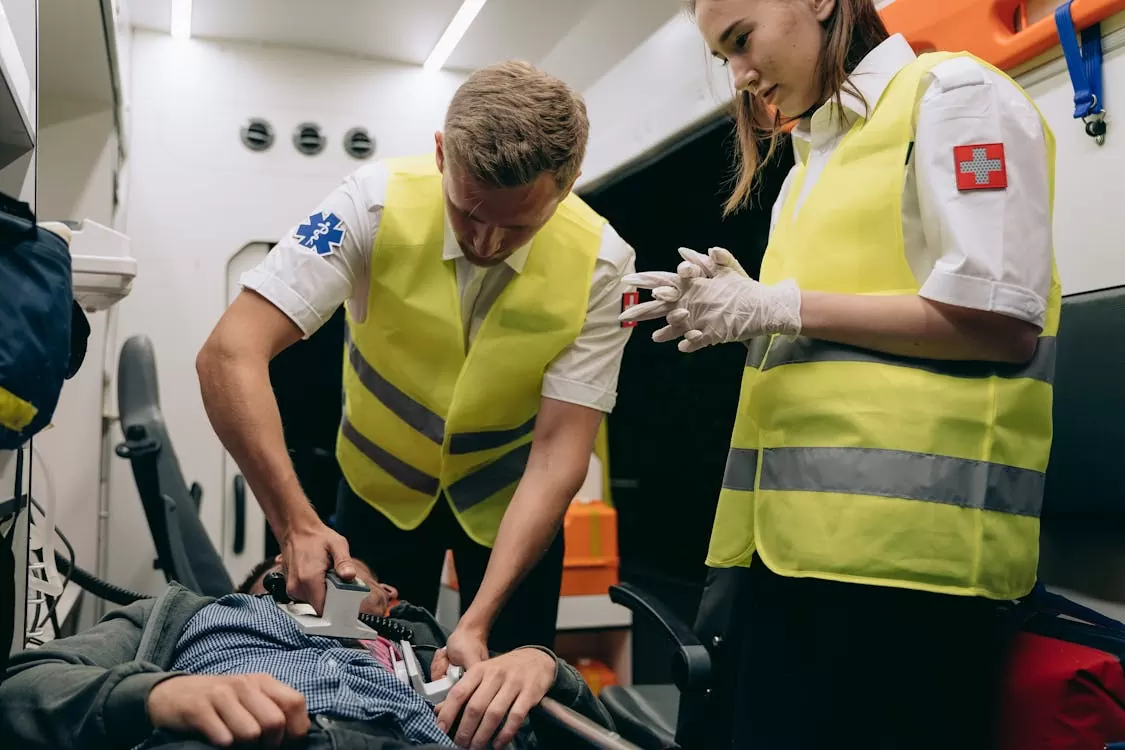
According to HealthDirect Australia, accurate identification at the moment of emergency response is one of the most important factors in survival. Paramedics worldwide are trained to check both wrists and the neck for a medical alert symbol within the first 30 seconds of patient assessment. The Star of Life and the snake-and-staff are recognised universally. A Mediband is the simplest way to make sure you're in that 30-second window.
The Five Most Common Medical Emergencies a Mediband Helps With
1. Anaphylaxis (Severe Allergic Reaction)
Anaphylaxis kills in minutes. A red allergy alert Mediband flags the trigger so paramedics know what NOT to give and what life-saving treatment to deliver. Without the bracelet, every routine emergency medication becomes a guessing game with deadly stakes.
2. Diabetic Hypoglycaemia
Low blood sugar in an unconscious diabetic patient looks identical to alcohol intoxication, drug overdose, or stroke. The Mediband tells responders "Type 1 Diabetic" — glucose goes in within four minutes instead of waiting for blood test results.
3. Epileptic Seizure
An unconscious patient post-seizure may have aspirated, may be on anti-convulsants that interact with emergency drugs, or may need a specific protocol depending on seizure type. The bracelet brings paramedics directly to the right response.
4. Cardiac Event
People with pacemakers, stents, or implantable defibrillators need a different emergency response than someone without. The bracelet warns paramedics not to use standard defibrillation protocols where they're inappropriate.
5. Anticoagulant Bleeding
Patients on Warfarin, Apixaban, or similar blood thinners bleed differently from non-anticoagulant patients. The bracelet tells the trauma team to anticipate uncontrolled bleeding from minor injuries and to prepare reversal agents.
Recommended for you
Products related to this article
Hand-picked to go with what you just read.
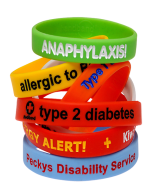
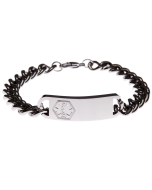
How a Mediband Actually Works in Real Emergencies
The mechanism is simple but powerful:
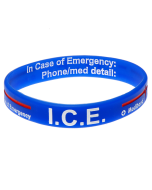
- The bracelet is always visible — paramedics worldwide check both wrists in the first 30 seconds.
- The information is immediate — engraved details are read in under five seconds. No phone unlock, no app login, no waiting for family.
- The wearer doesn't need to be conscious — the bracelet speaks even when the person can't.
- Wrong treatments are avoided — the most common life-threatening errors in emergency care are wrong-medication given to patients whose history wasn't known.
- The right contacts get called fast — the phone number on the wrist gets dialled before paramedics even reach hospital.
What Should Be Engraved on Your Emergency Mediband?
Less is more. Responders need to read the band in five seconds, not five minutes. The five priority fields:
- Wearer's name — first and last.
- Primary medical condition — "Type 1 Diabetic", "Anaphylaxis – Peanut", "Epilepsy", "Heart Disease".
- Critical medication or allergy — what NOT to give, or what's life-saving ("EpiPen", "No Aspirin", "Warfarin").
- Emergency contact phone number — answered 24/7.
- "See wallet card" — points responders to deeper info if needed.
Skip information that doesn't help in emergencies: home address, full date of birth, sensitive medical history. Less crowding means faster reading.
Building a Layered Emergency Safety System
The Mediband is most powerful as one layer in a complete emergency-prep system:
Layer 1: The Bracelet
Every family member with a chronic condition, severe allergy, or critical medication wears one — every day, all day. Soft silicone for kids, stainless steel or designer reversible for adults, premium materials for older relatives.
Layer 2: The Wallet Card
A laminated card in every wallet, school bag, and gym bag carries the same info plus deeper detail — recent surgeries, past reactions, current GP. Backs up the bracelet for hospital intake.
Layer 3: The Home First Aid Kit
A well-stocked home first aid kit means the first response happens at home — not waiting for an ambulance. Together with the bracelet info, it gets the right care delivered in seconds.
Layer 4: The Family Medical Sheet
A laminated family medical sheet on the fridge or in a kitchen drawer lists every family member's allergies, medications, conditions, and emergency contacts. Babysitters, house guests, and grandparents can see it instantly.
Layer 5: First Aid Skills
Every adult in the family knows basic first aid, how to recognise stroke, how to use an EpiPen, how to perform CPR. The Australian Red Cross offers affordable courses that pay back the first time something happens.
Why Bracelets Beat Phones, Cards, and Tattoos in Real Emergencies
- Phones: locked, dead battery, in another room, smashed in the impact.
- ID cards: in a wallet that's in a bag that's in the car. Not on the body when an emergency happens away from belongings.
- Medical tattoos: only visible if the location is exposed; cannot be updated when meds change.
- Verbal info: requires the wearer to be conscious and able to speak — exactly the situation a bracelet is designed for.
A Mediband is on the wrist, neck, or ankle 24/7. It survives water, sweat, sleep, exercise, falls, and accidents. It's the most reliable identification system any patient has — which is why paramedics are trained to look for it first.
Browse our full Mediband range by condition, style, or material. For more on how the bracelet helps in real emergencies, see our first responder guide.
Frequently Asked Questions
How quickly do paramedics actually look at a medical alert bracelet?
Within the first 30 seconds of patient assessment. Checking both wrists for medical IDs is part of standard paramedic training and protocols globally. The Star of Life and snake-and-staff symbols are recognised in every country with formal emergency medical training. Many paramedics report finding bracelets before they even check vital signs.
What if I'm conscious — does the bracelet still help?
Yes — for three reasons. (1) Verifies your verbal account, so paramedics know they can trust it. (2) Carries the medication and allergy details you may not remember accurately under stress. (3) Stays with you all the way through hospital admission, ED handover, and ward triage — even when you're too tired or sedated to speak.
Will my Mediband work overseas in an emergency?
Yes. The Star of Life and snake-and-staff symbols are internationally recognised emergency-medical symbols. Paramedics trained to international standards in any country check for them first. For deeper protection while travelling, pair the bracelet with a QR-coded version that links to your medical profile in the local language, plus a wallet card with travel insurance and embassy contact.
Can I update my emergency info as my condition changes?
Yes — and you should, every six months and after any major change. Write-on silicone bands are easiest to update; engraved metal can be re-engraved or replaced inexpensively. QR-linked versions update instantly via your online profile. Out-of-date info is more dangerous than no bracelet, so don't let updates slip.
Do I need a different bracelet for sport, work, and formal events?
One bracelet that you wear 24/7 is enough — silicone and stainless steel are both safe for water, sweat, sleep, and exercise. Some wearers prefer two: a dressy stainless steel for work/formal, plus a sport-specific silicone for swim/contact sport. Either approach works. The key is that something is always on the wrist.

Written by
Founder, Mediband
Founder of Mediband; over 20 years providing medical IDs worldwide.
← Previous
Make a Medical Alert Bracelet Part of Your New Year (2026 Australian Guide)
Next →
Dairy Intolerance — Causes, Symptoms and How to Manage It (2026 Guide)
Comment(s)