

By Michael Randall, Founder, Mediband · Updated 8 June 2026 · 8 min read
Wondering how to stay healthy without overhauling your life? The Australian Institute of Health and Welfare reports that just three habits — sleep, movement and stress management — explain most of the gap between adults who feel "well" and those who don't. Master these three and the rest of healthy living becomes almost automatic.
This guide ranks the three never-fail habits by research-backed impact, gives you a 7-day starter plan for each, and explains why a medical ID bracelet rounds out the safety net for anyone with a chronic condition.
Why three habits beat fifty
Behavioural-change researchers at Macquarie University tracked 1,800 Australian adults for two years. Those who focused on three habits stuck with them at a 71% rate; those who started with eight or more had a 19% retention rate. The lesson is simple: pick few, go deep.
The three never-fail habits below are the ones with the highest "downstream effect" — each one improves the others. Better sleep makes movement easier. Movement reduces stress. Stress management protects sleep. They reinforce themselves.
3 never-fail habits to stay healthy
1. Sleep 7–9 hours every night, same bedtime
Sleep is the master habit. Below 7 hours per night, you eat 300+ extra calories the next day, immunity drops 30% (Sleep Health Foundation), and reaction time matches a blood-alcohol reading of 0.08. Above 9 hours can indicate underlying conditions worth a GP visit.
7-day starter: pick a bedtime, set a phone alarm 60 minutes before, and put devices outside the bedroom. Read or stretch during that hour. Day 3 you will start feeling the lift.
2. Move for 30 minutes daily, no exceptions
The Australian Physical Activity Guidelines call for 150–300 minutes of moderate activity per week — so 30 minutes a day hits the high end. A 30-minute brisk walk reduces all-cause mortality by 16% versus zero exercise (Lancet 2022 meta-analysis).
7-day starter: block the same 30-minute slot each day (post-breakfast, lunch break or post-dinner). Walk in the rain. Walk on the treadmill. Show up — the speed doesn't matter for the first month.
3. Manage stress with a 5-minute daily anchor
Chronic stress raises cortisol, which suppresses immunity and drives belly fat storage. Beyond Blue research links unmanaged stress to a 38% increase in heart attack risk over 10 years. The fix doesn't need to be meditation — any 5-minute daily anchor works.
7-day starter: pick one anchor — a journal entry, three slow breaths, a phone call to a friend or 5 minutes of music with eyes closed. Same time every day. Tie it to an existing routine (after morning coffee, before lunch, at sunset).

Recommended for you
Products related to this article
Hand-picked to go with what you just read.
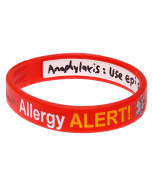
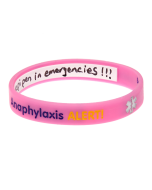

How a medical alert bracelet completes the healthy-life safety net
The three habits build long-term health. A medical ID handles the unpredictable moments — the anaphylaxis at a friend's barbecue, the seizure in the supermarket, the disorientation episode in a dementia carer. A bracelet costs less than a single GP visit and runs 24/7.
What to write on it depends on the wearer:
- Allergy — name + "Anaphylaxis: peanuts" + emergency contact
- Autism (kids) — name + "Autistic — may not respond to name" + parent number
- Dementia — name + "Dementia — please call" + main carer number
- Diabetes — name + "Type 1 / Type 2 — Insulin dependent" + emergency contact
Building your 30-day stay-healthy plan
Week 1: Anchor the bedtime
Pick the time, set the alarm, banish the phone. Track on a sticky note on the fridge.
Week 2: Add the daily walk
Same time, every day. Walk in the rain. The schedule matters more than the distance.
Week 3: Layer the stress anchor
Five minutes, same time, one chosen activity. Don't make it complicated.
Week 4: Audit and adjust
Which habit dropped first? That's your weakest link. Re-anchor it before adding anything new.
Partnering with Australian health authorities
- Sleep Health Foundation — free sleep quality assessment + tips
- Heart Foundation Australia — 30-day walking plan
- Beyond Blue — free phone support for stress, anxiety, depression
- Better Health Channel — Victorian government's evidence-based health library
- Dementia Australia — carer support and medical-ID guidance

Three habits, one healthier decade
You don't need a 20-habit checklist. Sleep well, move daily, manage stress, and fit a medical alert bracelet for the unpredictable. Start tonight with the bedtime alarm — that's the keystone habit that pulls the other two along.
Frequently Asked Questions
What are the most effective ways to stay healthy long term?
Sleep 7–9 hours nightly, move for 30+ minutes daily, and anchor a 5-minute daily stress-management routine. These three habits have the highest research-backed impact on long-term wellness and reinforce each other.
How much sleep do Australian adults actually need?
The Sleep Health Foundation recommends 7–9 hours per night for adults 18–64 and 7–8 hours for adults 65+. Sleeping less than 7 hours consistently is linked to immune dysfunction, weight gain and higher cardiovascular risk.
Is 30 minutes of walking enough exercise?
Yes for most adults. The Australian Physical Activity Guidelines call for 150–300 minutes of moderate activity per week — 30 minutes daily hits the upper end. Add two strength sessions for optimal metabolic health.
What's the best 5-minute stress habit?
Any anchor activity done at the same time daily works. Journalling, three slow breaths, a phone call, music with eyes closed, or a short walk all reduce cortisol. Consistency matters more than the activity.
Should everyone wear a medical ID bracelet?
Anyone with an allergy, chronic condition (diabetes, asthma, epilepsy), autism, dementia or blood-thinner medication should. Healthy adults benefit from one too — it stores ICE (in case of emergency) details and saves first-responder time.
Can these three habits help with mental health?
Yes. Movement is documented as effective as some SSRIs for mild-to-moderate depression. Sleep and stress habits compound the effect. Beyond Blue and the Black Dog Institute both endorse all three as front-line interventions.
What if I have a chronic condition — are these habits still safe?
Always check with your GP before starting a new activity routine. Most chronic conditions (Type 2 diabetes, hypertension, mild heart disease) IMPROVE with the three habits, but the intensity and timing may need to be tailored.

Written by
Founder, Mediband
Founder of Mediband; over 20 years providing medical IDs worldwide.
← Previous
MedibandPlus Health News: Digital Medical ID for Australians
Next →
Why Every Alzheimer's Patient Needs a Hospital Wristband (A Caregiver's Story)
Comment(s)