

By Michael Randall, Founder, Mediband · Updated 8 June 2026 · 8 min read
The latest health news for Australian families is moving fast — vaccine schedules, allergy science, mental-health funding and digital-health rules all changed within the past 12 months. This roundup distils what actually affects daily life into seven practical updates from trusted sources.
Each section also flags what the change means for medical-ID wearers — because when emergency information evolves, the bracelet on your wrist should evolve with it.
Why staying current with health news matters for safety
Health policy and clinical guidelines update constantly. The 2024 Australian Immunisation Handbook, the National Mental Health and Suicide Prevention Plan, and ASCIA anaphylaxis protocols all shifted in the past year. Outdated information on a medical ID bracelet — or in your head — leaves families exposed at the worst possible moments.
Bookmark the official sources we cite, and audit your family's medical IDs every six months. Both habits take 30 minutes a year and could save a life.
7 latest health news updates Australian families should know
1. Updated childhood vaccination schedule
The Australian Government's National Immunisation Program now includes free RSV (respiratory syncytial virus) immunisation for at-risk infants from 2024, and updated meningococcal B coverage for Aboriginal and Torres Strait Islander children. Speak with your GP — schedules apply automatically.
2. Anaphylaxis adrenaline auto-injector changes
The ASCIA Action Plan for Anaphylaxis was revised in 2023. Adults and children weighing 50 kg+ are now consistently recommended 0.3 mg auto-injectors, with positioning guidance updated. Update your kid's school plan and double-check the EpiPen training resource on the ASCIA website.
3. Type 2 diabetes remission is now recognised clinically
The Royal Australian College of GPs (RACGP) and Diabetes Australia formally recognise Type 2 diabetes remission via sustained 10–15 kg weight loss. If you have a recent diagnosis, ask your GP about structured low-calorie protocols.
4. Mental-health Medicare rebates extended
The Better Access initiative continues to provide 10 Medicare-rebated sessions with a psychologist per year. GP referral is the gateway. Beyond Blue and the Black Dog Institute both maintain free triage tools.
5. My Health Record opt-in for kids defaults changed
Parents and carers can now actively set access permissions for children under 14 — previously a more passive default. Worth reviewing the My Health Record settings page to control who sees what.
6. Bowel cancer screening age dropped to 45
The National Bowel Cancer Screening Program now invites Australians from age 45 (was 50). Free home test kit posted every two years. Don't skip it — bowel cancer is the second-deadliest cancer in Australia and 90% curable when caught early.
7. Skin check apps approved as Class IIa medical devices
The TGA has approved several AI-assisted skin check apps as Class IIa medical devices. Useful as a triage step — not a replacement for in-person dermatology. Bookmark the SunSmart Cancer Council guidance.

Recommended for you
Products related to this article
Hand-picked to go with what you just read.

How to update your medical ID when guidelines change
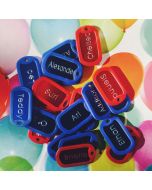
The reversible write-on bracelet is designed for change. When health news or your own diagnosis evolves:
- Annual GP review — your doctor confirms current medications and allergy status
- Update the band — wipe with isopropyl alcohol, rewrite with permanent fine-point
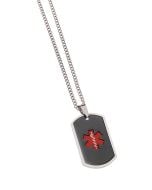
- Replace if cracked or sun-bleached — silicone bands last 3–5 years; metal dog tags 10+
- Sync with school/work plans — for kids with anaphylaxis or asthma, update the office record
Where to find trustworthy health news
For evidence and clinical guidelines
- RACGP — General practice guidelines
- NPS MedicineWise — Medication safety and updates
- Australian Government Department of Health — Policy and immunisation news
For consumer-friendly summaries
- HealthDirect Australia — Government-funded plain-English explainer
- Better Health Channel (VIC) — Disease library and prevention guides
- ABC Health & Wellbeing — Journalist-led but cites primary sources
For specific conditions
- Diabetes Australia — News + NDSS supply updates
- Allergy & Anaphylaxis Australia — ASCIA-aligned updates
- Cancer Council — Screening, prevention, treatment news
- Heart Foundation — Cardiovascular research summaries
Building a health-news routine that doesn't overwhelm
You don't need to read 20 articles a week to stay current. A simple monthly habit works:
- First Sunday of the month — 20 minutes scanning HealthDirect headlines
- Quarterly — refresh family medical IDs based on any condition changes
- Annually — GP review for every family member; update meds, allergies, immunisations

Stay informed, stay protected
The latest health news only matters if it changes your behaviour. Update the immunisation schedule. Refresh the EpiPen. Sync the medical ID. Twenty minutes a month, four updates a year, and your family stays current as the evidence evolves.
Frequently Asked Questions
Where is the most trustworthy source for Australian health news?
HealthDirect Australia (government-funded) for plain-English summaries, the Department of Health for policy, and the RACGP for clinical guidelines. ABC Health & Wellbeing is also reliable for journalistic coverage with primary-source citations.
How often should I update the information on my medical ID bracelet?
Audit twice a year — once at the start of the school year and once mid-year. Update immediately after any new diagnosis, medication change or allergy identification.
Has the Australian immunisation schedule changed recently?
Yes — RSV immunisation for at-risk infants was added in 2024, and meningococcal B coverage expanded for Aboriginal and Torres Strait Islander children. Schedule changes apply automatically — speak with your GP for personal-status check.
What is the new bowel cancer screening age?
The National Bowel Cancer Screening Program now invites Australians from age 45 (previously 50). Free home test kits are posted every two years from the eligible age.
Can Type 2 diabetes really go into remission?
Yes — sustained 10–15 kg weight loss can put Type 2 diabetes into remission. The RACGP and Diabetes Australia now formally recognise remission as a clinical outcome. Always work with a GP or endocrinologist.
Are AI skin-check apps reliable?
Some TGA-approved apps are Class IIa medical devices, useful for triage. They don't replace in-person dermatology — flag suspicious lesions early and get a GP or dermatologist check.
How do I keep up with health news without getting overwhelmed?
20 minutes on the first Sunday of every month scanning HealthDirect headlines is enough for most families. Add a quarterly medical-ID refresh and an annual GP visit.

Written by
Founder, Mediband
Founder of Mediband; over 20 years providing medical IDs worldwide.
← Previous
Why Every Alzheimer's Patient Needs a Hospital Wristband (A Caregiver's Story)
Next →
How to Lose Weight: 5 Habits Backed by Science
Comment(s)