
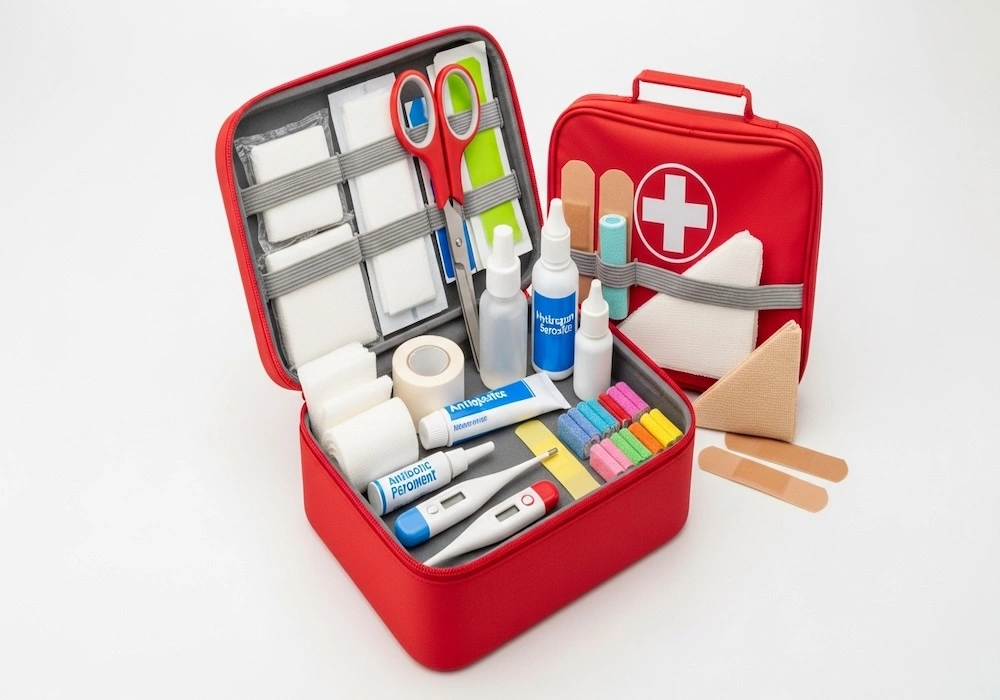


First aid kit open with medical supplies inside

Every second counts when something goes wrong. A child trips and cuts their knee. Someone burns their hand on the stove. A hiker twists an ankle three miles from the nearest road. These moments don't send a warning ahead of time — they just happen. And in those moments, what you have on hand and what you know how to do makes all the difference.

First aid kits are one of those things people tend to overlook until they desperately need one. They sit in cabinets, glove compartments, or the back of closets — out of sight, out of mind. But the truth is, a well-stocked kit and the knowledge to use it can be the bridge between a manageable situation and a serious one. This article breaks down the real scenarios where first aid kits prove most useful, so you can be genuinely prepared — not just technically prepared.

The Vital Role of First Aid Kits in Emergency Situations

Being prepared isn't about expecting the worst. It's about being calm and capable when things don't go as planned. First aid kits are not just a box of bandages — they're a tool for taking control of a situation before professional help arrives. Whether you're at home, on the road, or out in nature, having the right supplies within reach can reduce the risk of complications and, in serious cases, save a life.

A 2019 study published in the British Journal of General Practice found that bystander first aid — the kind of help given before emergency services arrive — significantly improves survival outcomes in trauma and cardiac events. That kind of intervention is only possible when people have both the knowledge and the tools. First aid kits are part of that equation.

First Aid Kits in Common Household Emergencies

Home is where most minor injuries happen — and also where people are least likely to think an emergency could occur. From the kitchen to the backyard, accidents are part of everyday life.

Minor Cuts and Scrapes

Cuts from knives, broken glass, or rough surfaces are among the most frequent household injuries. A basic first aid kit with antiseptic wipes, adhesive bandages, and gauze pads makes it easy to clean and protect a wound right away — which helps prevent infection and speeds up healing.

Burns and Scalds

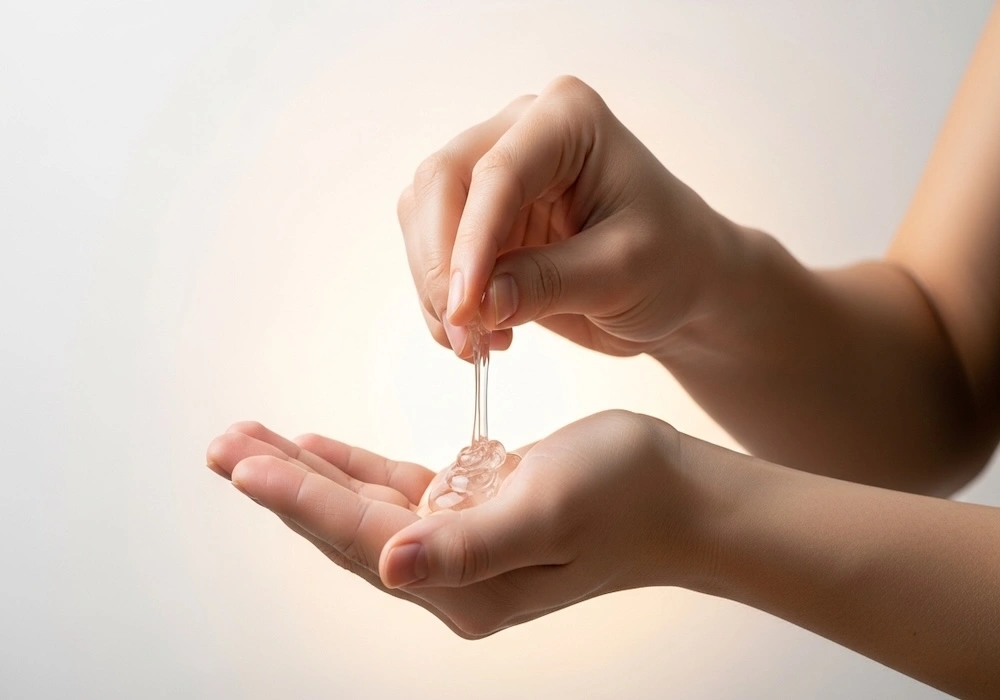
Kitchen burns, hot water spills, and contact with a hot surface can cause painful injuries. Cooling burn gel, sterile dressings, and non-stick bandages found in most first aid kits are specifically suited for these situations. Acting quickly and correctly in the first few minutes matters a lot.

Sprains and Strains

Whether it's a rolled ankle or a pulled muscle, elastic bandages and cold packs help manage swelling and provide support. These are staple items in any decent first aid kit bag.

CPR and Choking

Some kits include CPR face shields and guidance cards. While these tools support life-saving techniques, knowing how to perform CPR and the Heimlich maneuver beforehand is equally important. These skills, combined with the right supplies, can be critical in a choking or cardiac emergency.

First Aid Kits for Outdoor Activities and Travel

The further you are from a hospital or clinic, the more important your first aid kit becomes.

Hiking, Camping, and Wilderness Activities

Blisters, insect bites, allergic reactions, and sprains are all common when spending time outdoors. A first aid bag kit medical supplies — including moleskin, tweezers, antihistamine cream, and a splint — can make a real difference when you're far from medical care.

  • Blister care and moleskin padding
  • Tweezers for splinters or tick removal
  • Space blankets for temperature regulation

Road Trips and Travel

Car accidents, motion sickness injuries, and minor emergencies on the road are exactly why keeping a first aid kit bag in your vehicle is a smart habit. Triangular bandages, gloves, and a CPR shield are particularly useful additions for travel kits.

Sports and Physical Activities

Athletes deal with sprains, muscle injuries, and cuts more than the average person. Having a sport-specific first aid kit on the sideline or in a gym bag means injuries can be addressed immediately, reducing downtime and preventing minor issues from becoming major ones.

When a First Aid Kit Can Be Lifesaving in Severe Emergencies

There are situations where a first aid kit isn't just helpful — it's genuinely lifesaving.

Severe Bleeding

Uncontrolled bleeding is one of the most life-threatening emergencies a person can face outside a hospital. Pressure bandages, tourniquets, and hemostatic gauze — items increasingly found in advanced first aid kits — are designed to slow or stop significant blood loss until emergency services arrive.

Heart Attack or Stroke

While a first aid kit can't treat a heart attack directly, CPR face shields and aspirin (if already prescribed and carried by the individual) can support emergency response efforts. Calling emergency services immediately is always the first step.

Severe Allergic Reactions

For people with known severe allergies, a first aid bag kit medical supply that includes an epinephrine auto-injector (if prescribed by a doctor) is critical. The kit itself should also contain antihistamine creams for milder reactions and notes on the person's allergy history.

Burns and Chemical Exposure

Sterile saline for eye washing, burn dressings, and protective gloves are essential when dealing with chemical splashes or serious burns. These items help protect the injured area and reduce contamination while waiting for professional help.

Quick Reference: First Aid Kit Essentials by Scenario

To make it easier to build or check your kit, here’s a breakdown of the most useful supplies matched to real-life situations where they matter most.

For minor cuts and scrapes, essential items include adhesive bandages, antiseptic wipes, and gauze. These help clean wounds, prevent infection, and stop minor bleeding quickly.

In the case of burns and scalds, burn gel, non-stick dressings, and sterile bandages are key. They help cool the affected area, reduce tissue damage, and promote proper healing.

For sprains and strains, an elastic bandage and an instant cold pack are especially useful. These items help control swelling and provide support to the injured area.

When dealing with severe bleeding, it’s critical to have a tourniquet, hemostatic gauze, and pressure bandages. These supplies can significantly slow or stop blood loss and buy valuable time until emergency services arrive.

For allergic reactions, antihistamine cream can help manage mild symptoms, while an epinephrine auto-injector (if prescribed) is essential for severe reactions. These tools help control symptoms and prevent escalation.

During a cardiac emergency, a CPR face shield and a guidance card can support life-saving intervention, especially for those trained in CPR.

If you’re outdoors, hiking or camping injuries may require items like moleskin for blisters, tweezers for splinters or ticks, a splint for support, and a space blanket for temperature regulation. These supplies help address a wide range of wilderness-related risks.

Finally, for chemical or eye exposure, sterile saline, protective gloves, and burn dressings are essential. These items help flush out harmful substances and protect the affected area from further damage.

First Aid Kit Bag: An Organized Solution for Emergencies

A scattered collection of supplies doesn’t help much in a stressful situation. That’s where a proper first aid kit bag becomes essential. Having everything organized in one place makes it easier to act quickly and confidently when it matters most.

A good first aid kit bag should be compact, easy to carry, and clearly labeled. It should also be stored in a place that everyone in the household or group is familiar with. Size plays an important role — a smaller, portable kit that fits into a backpack or car is far more practical than a large one that rarely leaves the house.

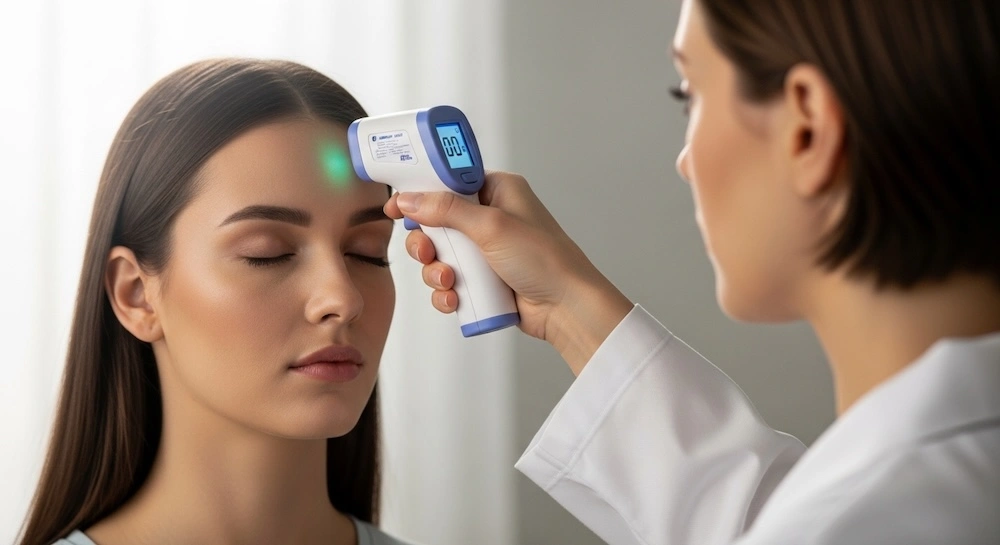
Every kit should include a set of basic essentials that cover common injuries and situations. This typically means adhesive bandages in multiple sizes, sterile gauze pads, and medical tape for wound care. Antiseptic wipes and wound closure strips help clean and protect injuries, while disposable gloves and a CPR face shield ensure safety during treatment. Tools like scissors, tweezers, and a digital thermometer are also important for handling a range of minor emergencies.

At the same time, a first aid kit shouldn’t be one-size-fits-all. Customizing your supplies based on your lifestyle makes the kit far more effective. Families with young children might include infant thermometers and child-specific items. Outdoor enthusiasts may add snakebite guidance or altitude sickness resources. Travelers often benefit from including oral rehydration sachets or motion sickness remedies.

Ultimately, the value of a first aid kit comes down to how well it matches your real-life risks. Taking the time to think through your environment and activities — and adjusting your kit accordingly — ensures you’re not just prepared in theory, but ready in practice when an emergency happens.


Recap: When First Aid Kits Matter Most

First aid kits are useful across a surprisingly wide range of situations — from minor cuts at home to life-threatening emergencies far from professional help. They matter in everyday household incidents, on hiking trails, during road trips, and in sports settings. And in severe emergencies involving heavy bleeding, cardiac events, or allergic reactions, they can be the difference between life and death.

The key takeaway is simple: a first aid kit is only as useful as the person using it. Having supplies matters. Knowing how to use them matters just as much. Regular checks to replace expired or depleted items keep the kit ready when it counts. Whether it's a small kit in a kitchen drawer or a fully loaded first aid bag kit medical ready for the outdoors, being prepared isn't an overreaction — it's just good sense.