






1. What is a medical ID and why should I wear one?
A medical ID helps first responders identify critical conditions, allergies, and emergency contacts so they can provide the right care quickly. It is recommended for anyone with medical conditions, allergies, or who takes regular medications.
2. Can I customise my Mediband?
Yes. You can personalise text, medical conditions, and contact details across a wide range of band styles and sizes. Custom and ready-made options are available.
3. Do you supply organisations such as school, hospitals or NDIS participants?
Yes. We support B2B orders for hospitals, clinics, schools and health organisations, and we are NDIS registered for eligible participants. Contact the Mediband team via [email protected] for assistance.
4. How fast is shipping?
In-stock items are typically dispatched quickly from our Sydney location. Custom orders have short production lead times. Express options are available at checkout.
5. How do I find the right size?
Each product page includes sizing guidance. If unsure, choose an adjustable style or contact our team for help.
6. I Am Healthy, Why Should I Wear Medical ID?
Accidents and medical emergencies do happen to healthy people without warning. In the US, 103 million people were taken to emergency rooms last year alone. Mediband medical ID bracelets provide peace of mind so that if the unexpected occurs, critical medical information can be conveyed to emergency personnel. A Medical ID helps to prevent incorrect diagnosis, raises awareness of conditions like allergies and diabetes, and provides essential contact information in emergencies.
7. Will Emergency Personnel Find My Medical ID?
Emergency personnel are trained to search personal belongings for identification and medical information. Mediband medical wristbands are designed to be highly visible and feature the star of life medical emblem, recognized universally by caregivers and medical personnel.
8. Wouldn't Emergency Room Personnel Be Able to Obtain My Medical Records from My Local Hospital or Doctor?
While they probably can, it could take hours. If the request is made after office hours, your medical records might not be retrieved until the next day. In emergencies, seconds count, and having immediate access to vital information could make a life-saving difference.
9. How Do I Change the Currency of the Site?
Select your country from the dropdown menu at the top left corner under "International Sites". Note: Your shopping cart must be empty to change the currency.
10. What Is the Minimum Order?
There’s no minimum order for non-custom Mediband products. For custom silicone medical ID bracelets, a minimum order of 7 is required due to setup costs. Ordering 7 also provides spares to store in various locations for convenience.
11. What Size Is Right for Me?
Our Mediband medical IDs come in sizes: Extra Large (220 mm), Large (202 mm), Medium (180 mm), and Small (150 mm). Choose based on wrist size, with Medium typically suited for children under 12 and Small for children under 6.
12. Why Are Some Medibands Only Available in a Particular Colour?
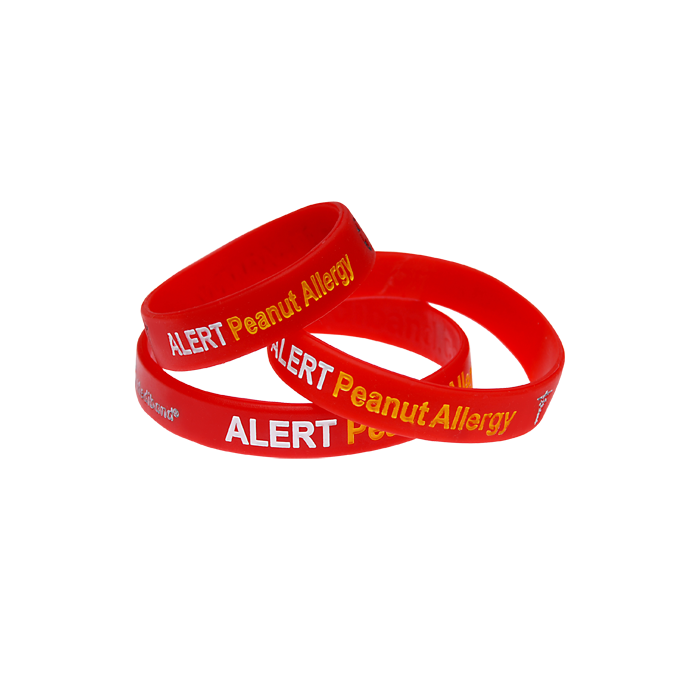
Some medical conditions are associated with specific colors, like blue for diabetes and red/orange for allergies. This color-coding aids quick recognition by medical personnel. We also offer customizable colors and styles for a personalized look.
13. Ordering Customised Bands?
Production time for custom stainless steel bracelets and silicone wristbands can take 10-15 business days, excluding shipping.
14. What Number Do I Call If I Want to Talk to Someone?
You can reach us at 1300-796-401 between 9 am to 5 pm AEST, 365 days a year. Alternatively, Email Us or message us on Facebook.
15. What Distinguishes Mediband from Its Competitors?
Mediband is dedicated to superior customer service and quality. Our customer testimonials reflect our commitment to excellence.
16.How Do I Order?
Simply browse our catalogue, add your desired items to the cart, and check out. If you need assistance, feel free to contact us.
17. Can't Find What You Are Looking For?
If you need a specific condition covered, reach out to us to discuss adding it to our catalogue or creating a custom Mediband. Our Write-On silicone bands allow for manual information input as needed.
18. How Do I Place an Order on Behalf of a School or Government?
Create a new account, select 'School' or 'Government', and choose the cheque payment option upon checkout. Send us an Official Purchase Order (OPO) to start production.