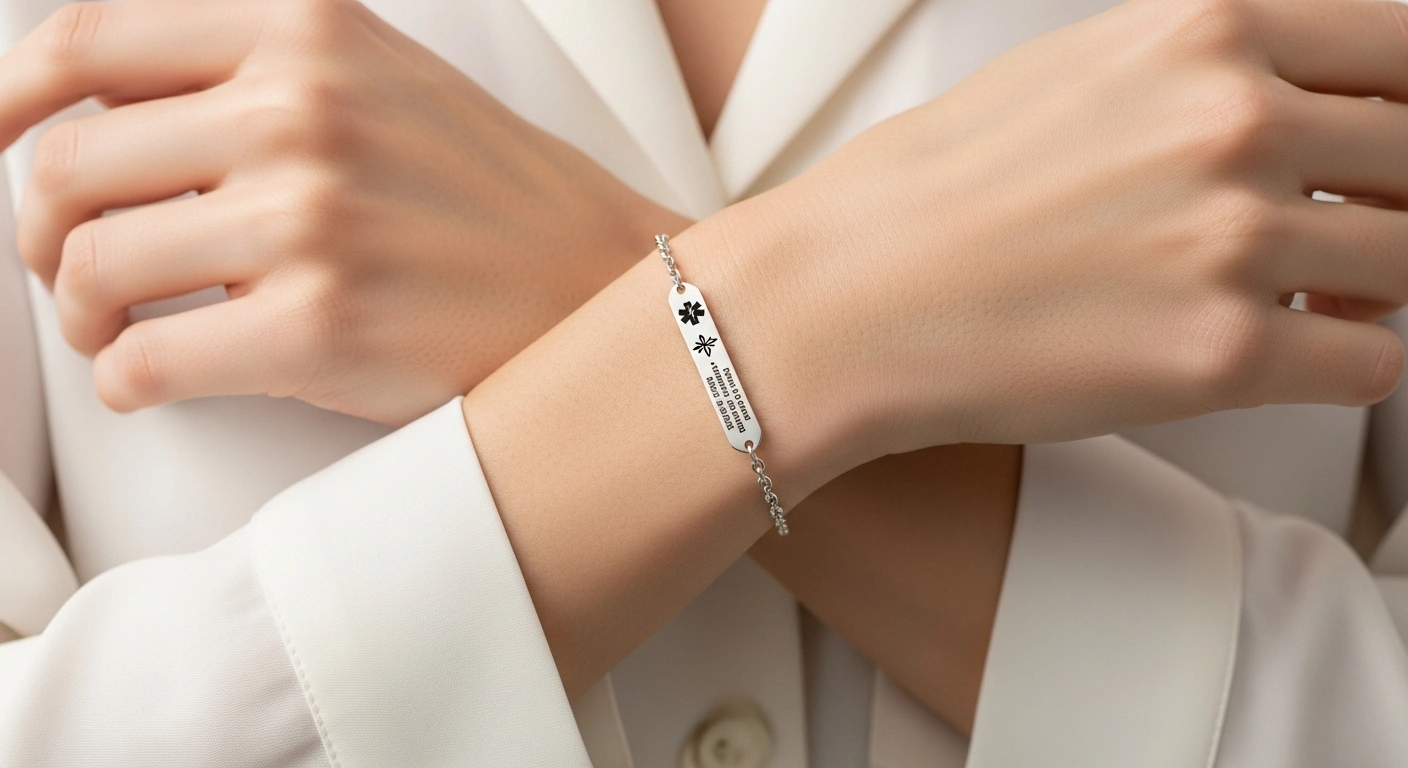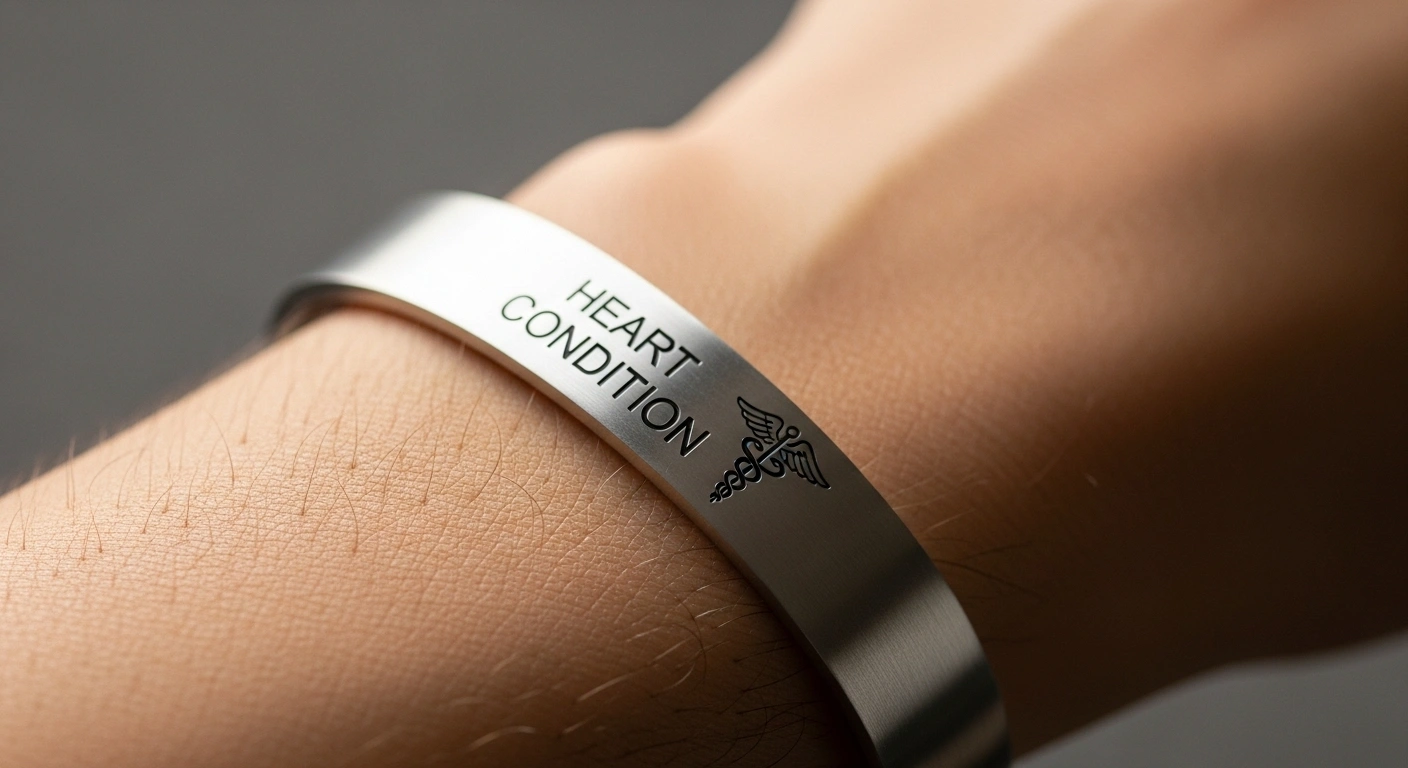
Why Allergy Alert Wristbands Save Lives in Hospital Emergencies
September 10, 2007

A paramedic is working fast. A patient is unconscious, pain is severe, and reaching for a standard pain reliever seems like the obvious next step — until they spot the red allergy alert bracelet on the patient’s wrist: Codeine Allergy. In three seconds, that bracelet just prevented a potentially fatal drug reaction.
This is not a hypothetical. Research published in Anaesthesia and repeated audits across Australian and UK hospitals confirm that allergy information is one of the most inconsistently documented fields in emergency medicine. When records fail, a visible allergy wristband becomes the last line of defence.
The Hidden Danger of Unrecorded Drug Allergies
A landmark study from Sunderland Royal Hospital found that in nearly 40% of patients with a known drug allergy, the reaction was not recorded in clinical notes. A separate audit at Gateshead’s Queen Elizabeth Hospital found that fewer than half of patients with a documented drug allergy had been issued a red allergy wristband — the hospital’s own system for flagging the risk.
The problem is compounded by fragmented record-keeping. A patient’s allergy may appear in their GP notes, their pharmacy record, and the hospital’s electronic prescribing system — or in none of them. Dr Rachel Etherington, who led the Sunderland research, described the inconsistency bluntly: “These allergies are not being picked up in a consistent manner.”
In Australia, the situation is similar. A 2023 report by the Australian Commission on Safety and Quality in Health Care identified medication allergy miscommunication as a persistent contributor to adverse drug events, which cause harm in an estimated 1 in 10 hospital admissions (ACSQHC, 2023). The Commission recommends that patients actively maintain their own allergy documentation — including wearing a visible medical ID — as a practical safety layer alongside hospital records.
Allergic drug reactions are not minor inconveniences. They can trigger anaphylaxis, Stevens-Johnson Syndrome, or organ failure. Dr Etherington’s team found that drug allergies are estimated to prolong hospital stays in 15% of affected patients — a figure with significant cost and safety implications.
Shop Allergy Alert Medical Bracelets
Worn 24/7, read in seconds. Choose the style that fits your allergy profile and lifestyle.
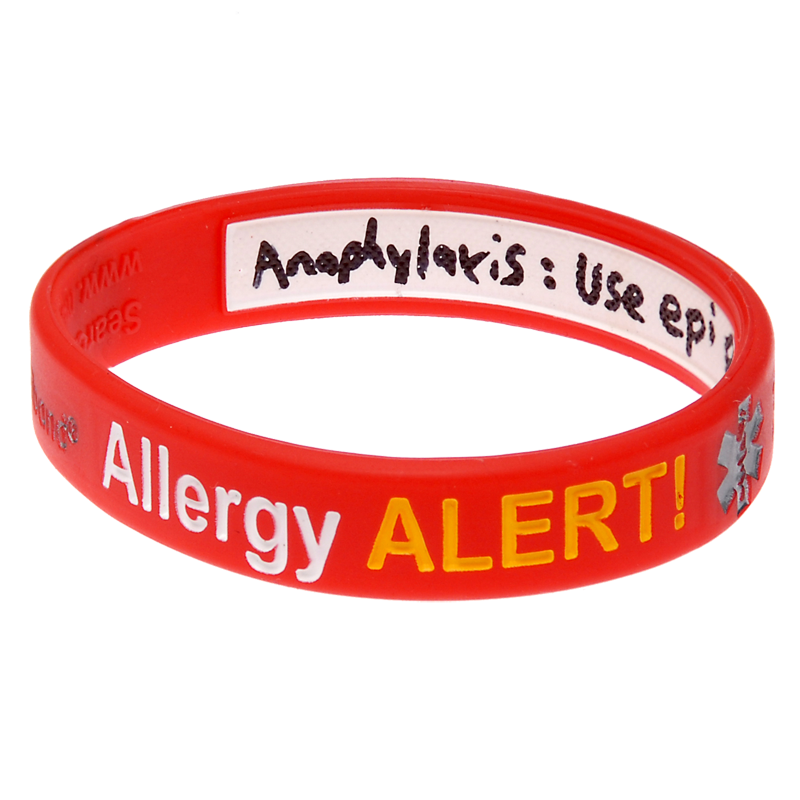


How a Personal Allergy Alert Bracelet Fills the Gap
Hospital colour-coded wristbands (typically red in Australian facilities) flag that a patient has some allergy on record. But they carry no detail. A nurse reaching for medication still needs to check the chart — which may be wrong, missing, or inaccessible in a fast-moving emergency.
A personal allergy medical bracelet solves this with specificity. Rather than “allergy risk,” it states the exact allergen: Penicillin Allergy, Latex Allergy, Codeine Allergy. Emergency responders are trained to check the wrist within the first 60 seconds of assessment. That information — worn on the body, not locked in a database — is immediately actionable regardless of what the records say.
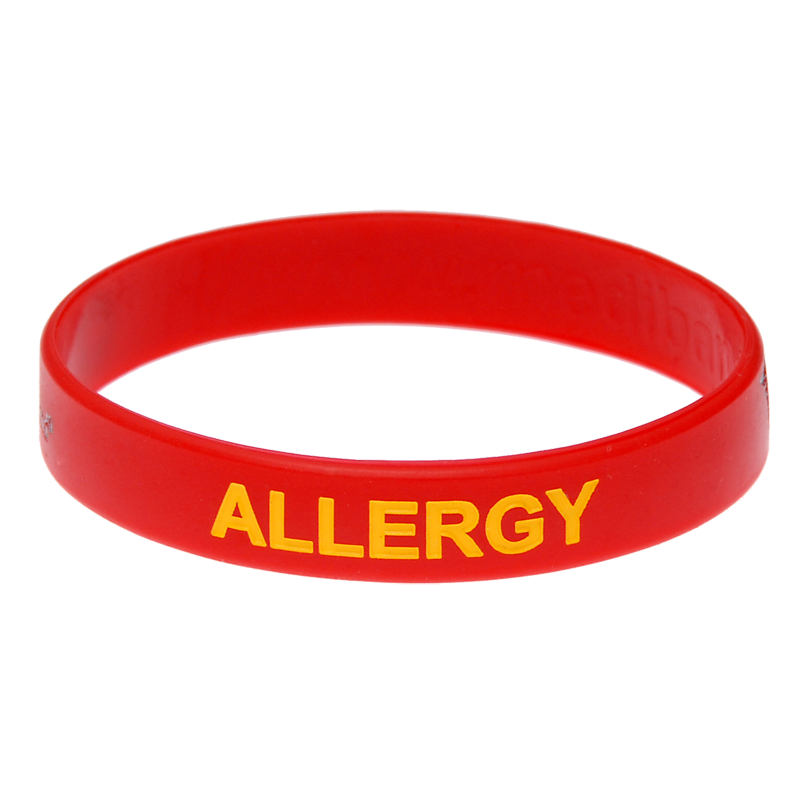
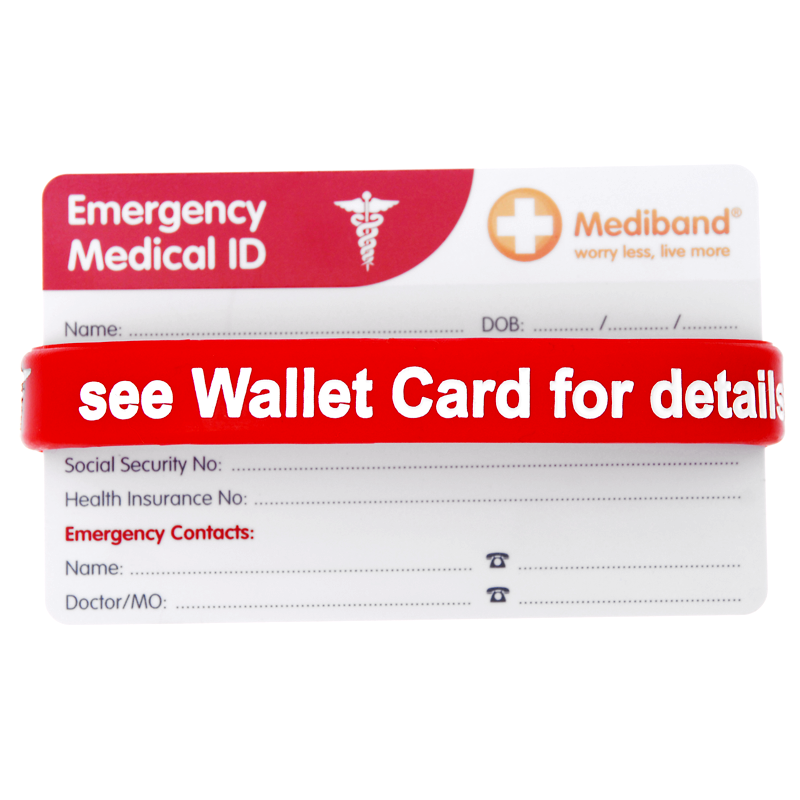
A red allergy alert bracelet from Mediband is waterproof, durable, and readable at a glance. Many patients also pair a bracelet with a wallet card that carries their full allergy profile, medications, and emergency contacts for situations where additional detail matters.
What to Put on an Allergy Alert Medical Bracelet
The information you engrave or write on your allergy bracelet should be brief, specific, and action-oriented. First responders have seconds, not minutes.
Essential fields
- Allergen name: Be specific — “Penicillin” not “Antibiotics”; “Codeine” not “Pain Medication”
- Reaction type (if severe): e.g. “Anaphylaxis” or “Severe Reaction”
- Action required: e.g. “Use EpiPen” or “No NSAIDs”
- ICE contact: Name and phone number for your emergency contact
Multiple allergies
If you have more than two or three allergies, a write-on allergy bracelet or a bracelet and wallet card combination gives you the space to list them all. The bracelet carries the most critical alert; the wallet card carries the full detail. Hospital staff are trained to look for both.
For children
A child’s allergy bracelet should also include the school name or teacher’s contact, and a note if the child carries an EpiPen. This enables faster, more appropriate responses from teachers, coaches, and sports first aid staff who may not know the child.
Who Needs an Allergy Alert Bracelet?
You should consider wearing an allergy medical ID bracelet if you have any of the following:
- Drug allergies — especially penicillin, sulfa drugs, NSAIDs, codeine, morphine, ibuprofen, aspirin, or latex (relevant in surgical settings)
- Food-triggered anaphylaxis — peanuts, tree nuts, shellfish, dairy, eggs, or sesame
- Insect venom allergy — bee sting anaphylaxis is a leading cause of emergency presentations in summer
- Contrast dye allergy — critical for anyone having imaging with intravenous contrast
- Any allergy requiring an EpiPen — first responders need to know it exists and where it is carried
Older adults and people with cognitive impairment have a particularly strong case for wearing an allergy bracelet, since they may not be able to communicate their medical history during a health crisis. According to Alzheimer’s Australia, more than 400,000 Australians live with dementia — a population for whom a visible medical ID can be the difference between safe treatment and a serious adverse event.
Frequently Asked Questions About Allergy Alert Bracelets
Do allergy alert bracelets actually work in hospitals?
Yes — when worn visibly on the wrist, they are among the first things nurses and paramedics check during patient assessment. Australian hospitals use a colour-coded wristband system, but these only cover broad risk categories. A personal allergy bracelet adds the specific allergen name (e.g. penicillin, latex, codeine) that a hospital band cannot, giving clinicians the detail they need before prescribing or treating.
What is the best allergy to put on a medical bracelet?
Drug allergies are the most critical — particularly penicillin, aspirin, ibuprofen, codeine, morphine, and sulfa drugs. These are commonly used in emergency and surgical settings, and an allergic reaction to them during treatment can be life-threatening. Food allergies (nuts, shellfish, dairy) are also worth including if you carry an EpiPen, as paramedics need to know anaphylaxis is a risk.
What colour should an allergy medical bracelet be?
Red is the internationally recognised colour for allergy alerts — it mirrors the red wristband used in many hospital systems to indicate allergy risk. An allergy alert bracelet in red is immediately understood by emergency responders and hospital staff worldwide. That said, the most important thing is that the text is clearly legible, not the colour alone.
Should children wear allergy alert bracelets?
Absolutely — especially children with food allergies, anaphylaxis risk, or drug allergies who attend school, childcare, or sports activities. Teachers and coaches are not always aware of a child’s medical history, and in an emergency they may call an ambulance before being able to reach a parent. A child’s allergy bracelet can prevent a well-meaning carer from giving the wrong treatment.
What is the difference between an allergy bracelet and a medical alert bracelet?
A medical alert bracelet is a broad term for any wearable ID that communicates health information in an emergency. An allergy bracelet is a specific type focused on allergy and anaphylaxis risk. The best option for most people with allergies is an allergy alert medical bracelet that clearly states the allergen, rather than a generic “medical alert” label that tells first responders nothing specific.

Share on Facebook

Share on X

Share on Pinterest
Comment(s)
Recent Posts
The Risk Of Not Wearing An Allergy Medical Alert Bracelet
March 23, 2026