Living with Multiple Sclerosis: Why an MS Medical Alert Bracelet Could Save Your Life
January 06, 2023

Multiple sclerosis (MS) affects an estimated 2.8 million people worldwide, with over 25,600 Australians currently living with the condition (MS Australia, 2024). Australia has one of the highest rates of MS in the world, and the condition is most commonly diagnosed in people aged 20–40 — often at a time when careers, relationships, and family life are in full swing.
While there is currently no cure for MS, advances in treatment mean that many people with the condition lead full, active lives. One of the simplest yet most powerful safety measures you can take is wearing a multiple sclerosis medical alert bracelet — ensuring that emergency responders have the information they need, even when you can't speak for yourself.
What Is Multiple Sclerosis and How Does It Affect the Body?
Multiple sclerosis is an autoimmune disease in which the body's immune system attacks the myelin — the protective coating around nerve fibres in the central nervous system (brain and spinal cord). This damage disrupts the electrical signals the brain sends to the rest of the body, causing a wide range of symptoms.
Types of Multiple Sclerosis
- Relapsing-remitting MS (RRMS): The most common form (85% of diagnoses). Periods of new or worsening symptoms (relapses) followed by partial or complete recovery (remissions)
- Secondary progressive MS (SPMS): Develops from RRMS over time, with gradual worsening of symptoms and fewer clear relapses
- Primary progressive MS (PPMS): Symptoms gradually worsen from onset without clear relapses or remissions (about 10–15% of cases)
Common MS Symptoms
MS symptoms vary enormously between individuals and can change over time. Common symptoms include:
- Fatigue (the most common symptom, affecting up to 80% of people with MS)
- Numbness, tingling, or pins and needles in the limbs
- Vision problems (optic neuritis, blurred or double vision)
- Muscle weakness, stiffness, or spasms
- Problems with balance and coordination
- Difficulty walking
- Bladder and bowel dysfunction
- Cognitive changes (memory, concentration, processing speed)
- Slurred speech
- Pain (neuropathic pain, musculoskeletal pain)
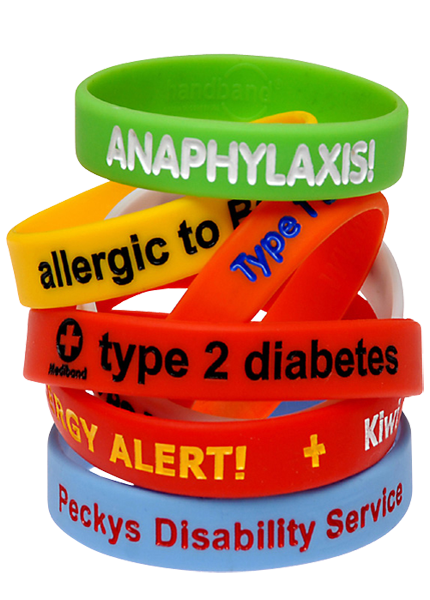
Shop Multiple Sclerosis & Chronic Condition Medical Alert Bracelets
Wear your diagnosis with confidence — ensure responders know your MS, medications, and care needs.
Why Do People with MS Need a Medical Alert Bracelet?
Multiple sclerosis presents unique challenges in emergency situations that make a medical alert bracelet essential:
MS Symptoms Can Mimic Other Emergencies
Slurred speech, weakness on one side, confusion, and difficulty walking are all MS symptoms — but they're also stroke symptoms. Without a medical ID, emergency responders may treat you for a stroke rather than an MS relapse, potentially administering inappropriate medications.
MS Medications Have Critical Interactions
Many MS treatments are immunosuppressive (e.g. Ocrevus, Tysabri, Gilenya). Emergency responders need to know about these medications to avoid drug interactions and to take additional precautions against infection.
You May Lose the Ability to Communicate
During a severe relapse, you may experience difficulty speaking, confusion, or loss of consciousness. Your bracelet provides critical information when you cannot advocate for yourself.
Heat Sensitivity and Environmental Triggers
Up to 80% of people with MS experience heat sensitivity (Uhthoff's phenomenon), where elevated body temperature temporarily worsens symptoms. If you collapse or become confused in a hot environment, a medical alert bracelet helps responders understand that your symptoms are likely MS-related, not a stroke or cardiac event.

Practical Tips for Living Well with Multiple Sclerosis
Stay Physically Active
Regular exercise improves muscle strength, flexibility, mood, and fatigue management. Research from MS Australia shows that people with MS who exercise regularly experience fewer relapses and slower disease progression. Good options include:
- Walking (even short daily walks make a difference)
- Swimming and water exercise (the cool water helps with heat sensitivity)
- Yoga and tai chi (improve balance and reduce stress)
- Stationary cycling (safe and low-impact)
Eat a Nutrient-Rich Diet
While no specific "MS diet" has been proven, a balanced diet rich in fruits, vegetables, wholegrains, lean proteins, and healthy fats (like olive oil and omega-3 fatty acids) supports overall health and may help reduce inflammation. Vitamin D supplementation is often recommended, as low levels are linked to MS progression.
Manage Fatigue Proactively
MS fatigue is different from normal tiredness — it's overwhelming and can strike without warning. Strategies include:
- Pacing yourself and planning rest breaks throughout the day
- Keeping cool — use cooling vests, stay in air-conditioned spaces during hot weather
- Maintaining a consistent sleep schedule
- Prioritising tasks and learning to delegate when needed
Build a Strong Support Network
Connect with MS Australia for information, support services, and peer connections. Sharing your diagnosis with trusted friends, family, and colleagues helps you build a support network that understands your needs. A medical alert bracelet also serves as a conversation starter — helping people understand your condition.
Keep Your Medical Team Informed
Regular appointments with your neurologist allow for monitoring disease activity, adjusting medications, and accessing new treatments. MS treatment has advanced dramatically in recent years — new disease-modifying therapies can significantly slow progression for many patients.
What Should You Engrave on an MS Medical Alert Bracelet?
Keep the information concise and focused on what emergency responders need to know:
- Condition: "Multiple Sclerosis" (use the full name, not just "MS", as abbreviations can be misread)
- Medications: Especially immunosuppressive treatments (e.g. "On Ocrevus" or "Takes Tysabri")
- Drug allergies: Any medications you must not receive
- Emergency contact: A person who knows your full medical history
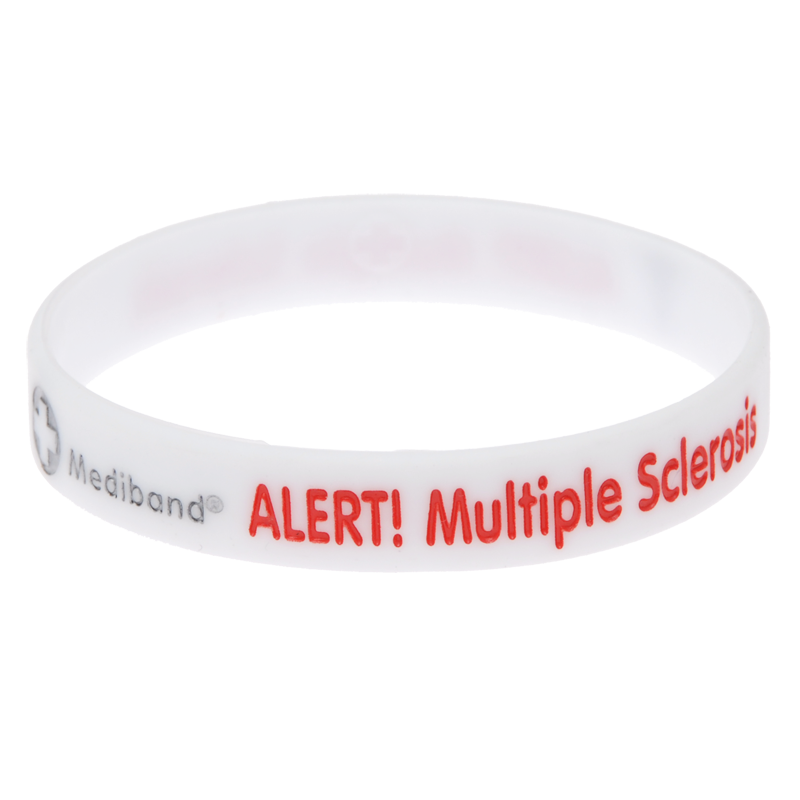
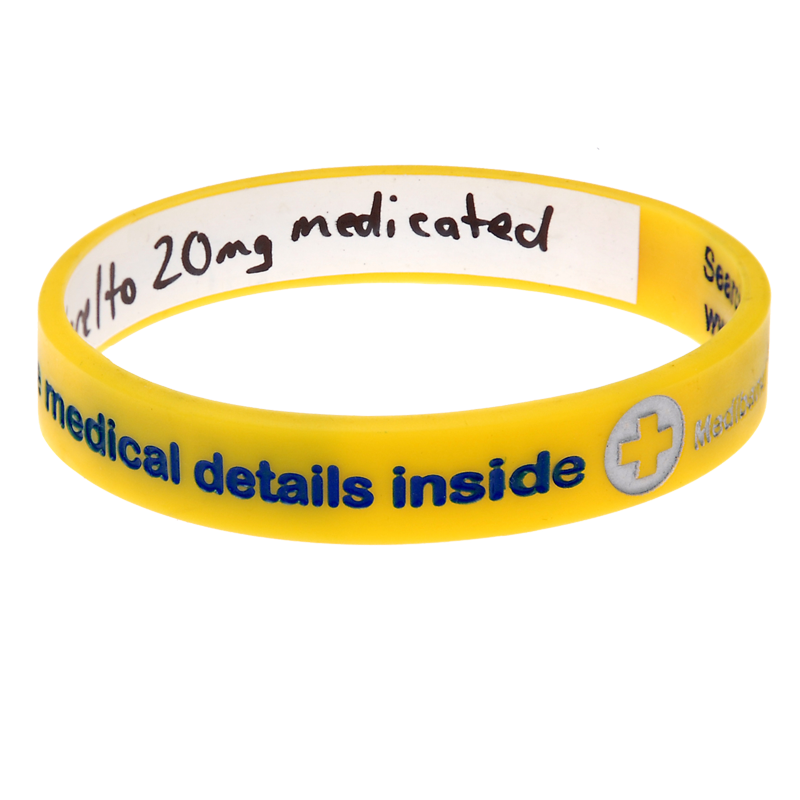
Mediband's pre-printed MS bracelet is comfortable silicone that's waterproof, hypoallergenic, and designed for 24/7 wear. For more detailed information, a write-on reversible bracelet lets you customise both sides with your specific MS details and medications.
Frequently Asked Questions
Should everyone with multiple sclerosis wear a medical alert bracelet?
Yes. MS can cause sudden symptoms that mimic stroke (slurred speech, weakness, confusion), and many MS medications are immunosuppressive with critical drug interactions. A medical alert bracelet ensures emergency responders treat you correctly, even if you can't communicate during a relapse.
What is the life expectancy for someone with multiple sclerosis?
Most people with MS live a near-normal lifespan. Modern disease-modifying therapies have significantly improved outcomes. The average life expectancy for someone with MS is about 5–10 years less than the general population, but this gap is narrowing with better treatments and earlier diagnosis.
Can you still work with multiple sclerosis?
Many people with MS continue to work successfully, especially with workplace accommodations like flexible hours, ergonomic setups, and temperature-controlled environments. Fatigue management strategies and disease-modifying therapies help maintain work capacity. In Australia, your employer is legally required to make reasonable adjustments.
Why do MS symptoms get worse in heat?
Up to 80% of people with MS experience Uhthoff's phenomenon — where heat temporarily worsens neurological symptoms because damaged nerves conduct signals less efficiently at higher temperatures. Symptoms typically improve once body temperature returns to normal. Cooling strategies are an essential part of MS management.
What medications are used to treat multiple sclerosis?
Disease-modifying therapies (DMTs) include injectable medications (interferons, glatiramer acetate), oral medications (fingolimod, dimethyl fumarate), and infusion therapies (natalizumab, ocrelizumab). Your neurologist will recommend the best option based on your MS type and disease activity. These medications should be listed on your medical alert bracelet.

Share on Facebook

Share on X

Share on Pinterest
Comment(s)
Recent Posts

The Risk Of Not Wearing An Allergy Medical Alert Bracelet
March 23, 2026