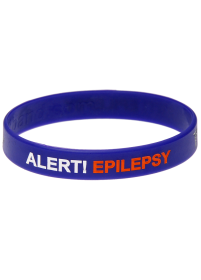
Quick answer: A hypo (hypoglycaemia) is a blood glucose level below 4 mmol/L. Common signs are shaking, sweating, hunger, dizziness and confusion. Treat a mild hypo with the rule of 15: 15g of fast-acting carbohydrate, wait 15 minutes, recheck, and repeat if still below 4.
Medical disclaimer: This is general information, not medical advice, and it does not replace your own diabetes care plan. Always follow the advice of your GP or diabetes care team. For general health advice call Healthdirect on 1800 022 222 or Diabetes Australia (NDSS) on 1800 637 700. In an emergency, call 000.
Designed in Australia
NDIS-registered
22+ years
A hypo can come on quickly, and the person having one is not always able to think clearly enough to treat it. Knowing the early signs of low blood sugar — and the simple first aid that fixes it — means a family member, colleague, teacher or bystander can step in fast. This guide covers what a hypo is, how to recognise it, the rule of 15, and when low blood sugar becomes an emergency.
What is a hypo?
A hypo, short for hypoglycaemia, is when blood glucose (blood sugar) drops below 4 mmol/L. It mostly affects people living with diabetes who use insulin or certain glucose-lowering tablets. Left untreated, a hypo can progress from mild and easily fixed to a medical emergency, so it is treated as soon as the signs appear.
Diabetes Australia sums it up as "4 is the floor" — below 4 mmol/L is a hypo and needs treating. Some people feel a hypo at slightly higher levels, and others (a state called hypo unawareness) may get few warning signs at all, which is one reason a medical ID matters.
What are the signs of a hypo?
Early signs of low blood sugar include shaking or trembling, sweating, hunger, dizziness or light-headedness, pallor, a fast heartbeat, headache, tingling lips, weakness and difficulty concentrating. As it worsens, confusion, slurred speech, mood or behaviour changes, blurred vision and clumsiness can appear.
| Early signs (mild) | Later signs (more severe) |
|---|---|
| Shaking, trembling | Confusion, disorientation |
| Sweating, pallor | Slurred speech |
| Hunger, dizziness | Mood or behaviour change |
| Headache, tingling lips | Blurred or double vision |
| Fast heartbeat, weakness | Loss of coordination, drowsiness |
| Trouble concentrating | Seizure or loss of consciousness |
Signs vary from person to person, and a person may not recognise their own hypo — especially at night or during exercise. If someone with diabetes is behaving oddly, seems confused or is unusually irritable, check for a hypo first.
How to treat a hypo: the rule of 15
If the person is conscious and can swallow safely, use the rule of 15: give 15g of fast-acting carbohydrate, wait 15 minutes, then recheck blood glucose. If it is still below 4 mmol/L, repeat. Once above 4, follow with a longer-acting carbohydrate.
15g of fast-acting carbohydrate looks like
| Option | Amount |
|---|---|
| Glucose tablets | As labelled to total 15g |
| Jelly beans | 6 to 7 |
| Regular (non-diet) soft drink | About 150ml (half a can) |
| Fruit juice | About half a glass (125ml) |
| Sugar or honey | 3 teaspoons |
After blood glucose is back above 4 mmol/L, have a longer-acting carbohydrate to stop it dropping again — the next meal if it is due, or a slice of bread, a glass of milk, or a piece of fruit. Avoid treating a hypo with chocolate or foods high in fat, because the fat slows how quickly the sugar is absorbed.
Diabetes Australia’s shorthand: 4 is the floor — treat, wait 15 minutes, recheck, and repeat until above 4.
When is a hypo an emergency?
Call 000 immediately if the person is unconscious, having a seizure, or cannot swallow safely. This is a severe hypo. Do not give food or drink by mouth — it can block the airway. Place them on their side (recovery position) and stay with them until the ambulance arrives.
Some people carry a glucagon kit for severe hypos. Only give glucagon if you are trained and it has been prescribed for that person; still call 000. A severe hypo, a hypo that does not respond to treatment, or a first-ever hypo in someone not known to have diabetes all need urgent medical help.
What causes a hypo?
A hypo happens when there is too much insulin or glucose-lowering medication relative to the glucose available. Common triggers include more insulin than needed, a delayed or missed meal, more physical activity than usual, and alcohol. In people who do not have diabetes, low blood sugar is far less common and should be discussed with a GP.
Understanding personal triggers — and working them into a diabetes management plan with a GP or diabetes educator — is the best way to reduce how often hypos happen.
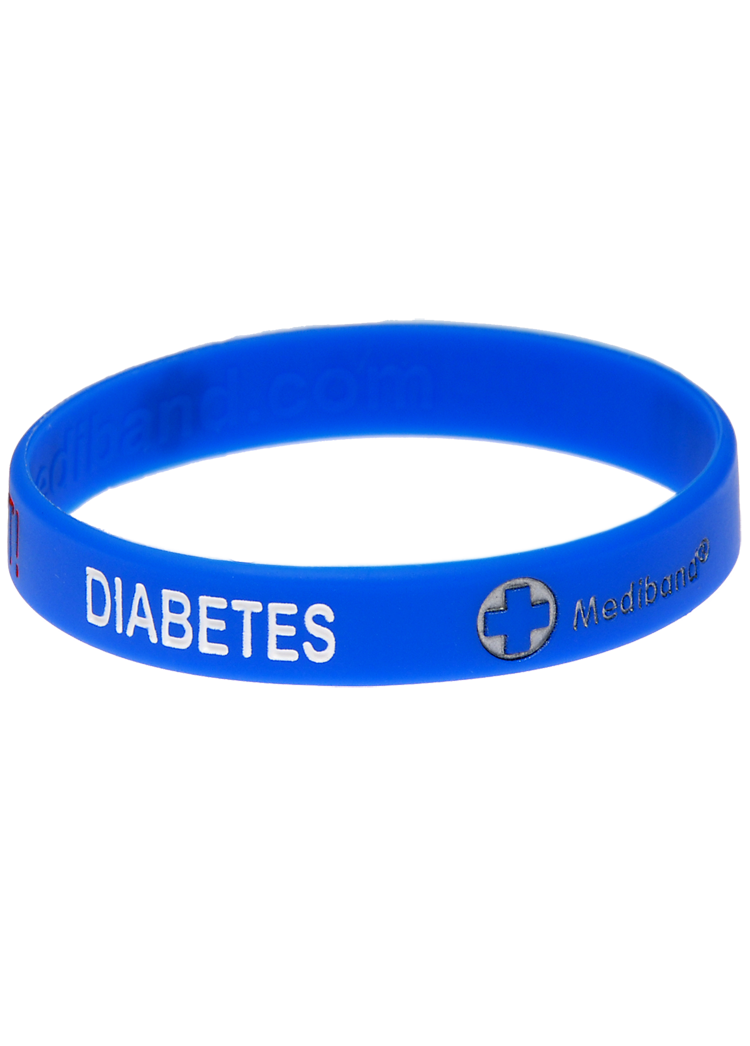
How a medical ID helps in a hypo emergency
In a severe hypo the person often cannot speak for themselves. A medical ID engraved with "DIABETES", the type of insulin or medication, and an emergency contact tells a bystander or paramedic what is happening and what to do — which matters most for anyone with hypo unawareness or who is often alone.
Explore the diabetes medical ID bracelets range, or read what the letters engraved on a medical ID mean before you order.
Shop diabetes medical IDsRelated guides
Diabetes medical ID bracelets · Medical ID abbreviations explained · Do paramedics check for a medical ID? · NDIS funding for a medical ID
Frequently asked questions
What number is too low for blood sugar?
In diabetes, a blood glucose reading below 4 mmol/L is a hypo and should be treated straight away. Readings below about 3 mmol/L, or any reading with confusion, drowsiness or loss of consciousness, are more serious — call 000. Always follow your own diabetes care plan.
What does a hypo feel like?
Most people describe shaking, sweating, sudden hunger, dizziness and a racing heart, often with trouble concentrating. As it worsens, confusion, slurred speech, mood changes and blurred vision can follow. Signs vary, and some people feel very little warning.
How do you treat a hypo quickly?
Use the rule of 15: 15g of fast-acting carbohydrate (for example glucose tablets, 6 to 7 jelly beans, or 150ml of regular soft drink), wait 15 minutes, recheck, and repeat if still below 4 mmol/L. Once above 4, have a longer-acting carbohydrate.
What should you do if someone with a hypo passes out?
Call 000 immediately. Do not give food or drink by mouth. Roll them onto their side into the recovery position and stay with them. Give glucagon only if you are trained and it has been prescribed for that person.
Can you have a hypo without diabetes?
Low blood sugar is far less common in people who do not have diabetes, but it can happen. If you have repeated episodes of low blood sugar and do not have diabetes, see your GP, who can investigate the cause.
Sources: Diabetes Australia and the National Diabetes Services Scheme (NDSS) — hypoglycaemia and the rule of 15; Healthdirect — hypoglycaemia. Reviewed July 2026. General information only, not medical advice.
Sources: Diabetes Australia, Healthdirect Australia, NDSS (National Diabetes Services Scheme). This article is general information only and is not a substitute for medical advice.
When to call 000 for low blood sugar
Call 000 if the person is unconscious, having a seizure, unable to swallow safely, confused and not improving after treatment, or you’re unsure what to do. Do not give food or drink to someone who is unconscious or unable to swallow. If glucagon has been prescribed and someone is trained to use it, follow the instructions while waiting for emergency help.
← Previous
Seizure first aid: what to do (and what not to do) during a seizure
Next →
Kids' medical ID bracelets: a parent's guide
Comment(s)