
Do Paramedics Actually Check for a Medical ID?
Yes. Paramedics and first responders are trained to look for a medical ID when a patient can't speak for themselves — and what they find in the first minute can change the care you get.
Quick answer
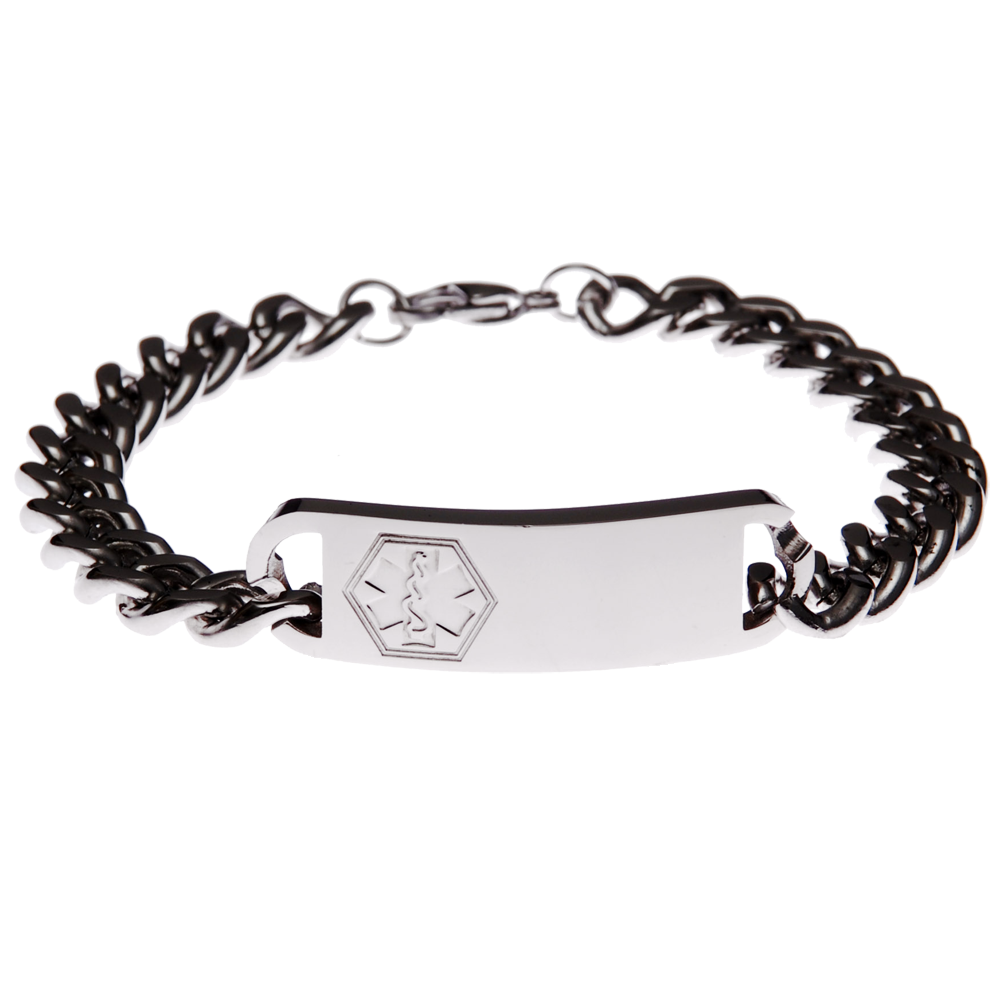
Australian paramedics and first responders are trained to check for a medical ID — on the wrist, around the neck, and in a wallet — as part of assessing a patient who is unconscious, confused or unable to communicate. First-aid and resuscitation guidance (including ANZCOR and St John Ambulance Australia) directs responders to look for medical identification. A clear, correctly engraved medical alert bracelet makes that information findable in seconds.
Do paramedics check for a medical ID?
When someone can answer questions, responders simply ask. The medical ID matters most in the moments when a patient can't answer — after a collapse, seizure, severe allergic reaction, low blood sugar, or a serious accident. In those situations, checking for a medical alert bracelet or necklace is part of standard patient assessment in Australia. First-aid and resuscitation guidance, including from ANZCOR and St John Ambulance Australia, prompts responders to look for medical identification during the patient survey.
It is not a guarantee that every responder checks every time — which is exactly why a medical ID should be obvious, worn where they look first, and engraved clearly.
Where do first responders look?
Responders are trained to check the places a medical ID is most commonly worn:
- The wrists — the first and most common place checked. A medical alert bracelet on either wrist is hard to miss.
- The neck — a medical alert necklace or ID pendant, often checked alongside a pulse check.
- The wallet or phone — an emergency medical card, or an in-case-of-emergency (ICE) contact.
| Where it's worn | How a responder finds it | Best for |
|---|---|---|
| Wrist (bracelet) | Checked first, during pulse/blood-pressure | Everyday, all-ages wear |
| Neck (necklace / pendant) | Seen when the airway and pulse are checked | Those who prefer not to wear a band |
| Wallet (ID card) | Found when ID is searched for | A backup to a bracelet or necklace |
Shop medical alert bracelets →
In the first 60 seconds, a responder may have no history, no next of kin and no way to ask. An engraved medical ID speaks for the patient when the patient can't.
What a medical ID tells responders in the first 60 seconds
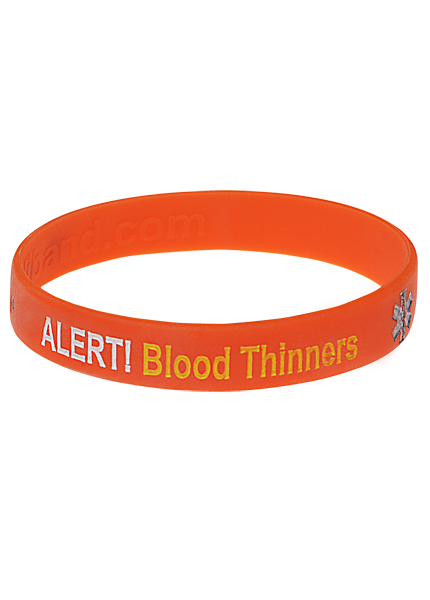
A well-engraved medical ID can flag the things that change emergency treatment straight away — a condition such as diabetes, epilepsy or a heart condition; a severe allergy; a medication like an anticoagulant or a GLP-1; an implanted device such as a pacemaker; or an emergency contact. That information helps a responder avoid a harmful drug, recognise what's happening faster, and reach someone who knows the patient.
Do medical alert bracelets actually work?
A medical alert bracelet works when it is worn consistently, placed where responders look, and engraved clearly with the right information. It is a low-cost, no-battery, always-on way to carry critical medical information — it never runs flat and needs no app. The limitation is human, not technical: it can only help if it is on the body and legible, which is why fit, placement and engraving matter.
What to engrave so it gets read
Keep it short and scannable: the condition or allergy first, then any critical medication or device, then an emergency contact. Use the abbreviations responders recognise, and make sure the band fits well so it sits where it can be seen.
- Medical ID abbreviations — the letters first responders look for
- How to measure your wrist — so the band sits where it's checked
Designed in Australia•
NDIS-registered•
4.9★ verified customer rating•
Helping Australians stay safe since 2004
Choose a medical ID responders will notice
- Medical alert bracelets — the full engraved range
- Medical alert necklaces and ID pendants
- Medical ID wallet cards — a wallet backup
- Diabetes medical ID bracelets
- Anaphylaxis medical ID bracelets
- Epilepsy medical ID bracelets
- NDIS funding for medical IDs
FAQs: medical IDs and first responders
Do paramedics check for a medical ID bracelet?
Yes. Australian paramedics and first responders are trained to check the wrist, neck and wallet for a medical ID when a patient is unconscious, confused or unable to communicate. First-aid and resuscitation guidance, including ANZCOR and St John Ambulance Australia, prompts responders to look for medical identification.
Where do first responders look for a medical ID?
Most commonly the wrists first, then the neck, then a wallet or phone. Wearing a medical alert bracelet on the wrist places it where responders check earliest.
Do medical alert bracelets actually work?
They work when worn consistently, placed where responders look, and engraved clearly. A medical ID is an always-on, no-battery way to carry critical information — its effectiveness depends on it being on the body and legible.
What should be engraved on a medical ID?
The condition or allergy first, then any critical medication or device, then an emergency contact — kept short and using recognised abbreviations so it can be read at a glance.
About this guide. Mediband has designed engraved medical IDs in Australia since 2004 and is an NDIS-registered provider. This page is general information, not medical advice, and does not replace clinical or emergency-service guidance. References to ANZCOR and St John Ambulance Australia describe publicly available first-aid and resuscitation guidance and do not imply endorsement.
Real situations where a medical ID spoke for someone
A medical ID does its work in the moments you can't explain things yourself — at the roadside, in the back of an ambulance, in a busy emergency department, or simply going about an ordinary day. It carries the few facts a responder needs first: your conditions, your medications, an emergency contact.
Here is what Mediband wearers and the people around them have shared, in their own words.
“100 percent of the medical personnel I've come in contact with have noticed this bracelet. I wear it 24/7 to speak for me when I can't speak for myself.”
— Michael S., pacemaker recipient
“Absolutely perfect, already used with ambulance they said its a perfect life line, thank you so much.”
— Verified customer
“Over the years several medical professionals have noticed my Mediband, asked about it, and taken contact information to pass on to patients.”
— Verified customer, Mediband wearer for eight years
“My little girl loves them, she wears them all the time, and with the help of the bracelets she is learning which food she needs to avoid.”
— Verified customer, parent of a child with a food allergy
Everyday and on the go, not just emergencies
Most of the time a medical ID is simply worn — through work, school, training and travel — so the information is already there if it is ever needed. Parents use them as a quiet prompt for the adults around a child with an allergy; active wearers keep them on through sport and the gym; older adults wear one day to day for peace of mind. The point is that it is on you when something unexpected happens, whether that is a fall on a worksite, a reaction at a party, or a collapse far from the people who know your history.
A responder is trained to check the wrist and neck. If a medical ID is there, the first 30 seconds can begin with facts instead of guesswork. It only has to speak up once.
Designed in Australia, NDIS-registered, 4.9-star verified customer rating.
Browse medical alert bracelets → · What to engrave on a medical ID →