What should I include on my epilepsy medical ID?
May 01, 2023

If you’re trying to decide what information to put on your epilepsy medical ID, it can feel overwhelming to know what you should include.

Let us give you a helping hand by highlighting the info you need to ensure is on your epilepsy bracelet.
This will enable you to create a customised medical alert that’s tailored to your own needs and taste.
Living with epilepsy
Epilepsy is a long-term condition which means the person living with it has seizures or fits. A seizure is a sudden and uncontrolled episode of electrical firing in the brain. This can cause abnormal behaviours such as stiffness or jerking of the limbs, staring into space or loss of consciousness.
There are four types of epilepsy, according to the nature of the seizures you have:
- Generalised epilepsy — where seizures start on both sides of the brain
- Focal epilepsy — where seizures start in a single area on one side of the brain
- Generalised and focal epilepsy — where you can experience both types of seizures
- Unknown if generalised or focal epilepsy — as the name suggests, this is when it’s not clear what type of seizures you experience
For many people, the cause is unknown. In others, it can be linked to something that damages the brain like a head injury, brain tumour or chronic alcohol abuse.
If you or a loved one are living with epilepsy, one of your concerns will be how to stay safe and receive the right care in the event of a seizure.
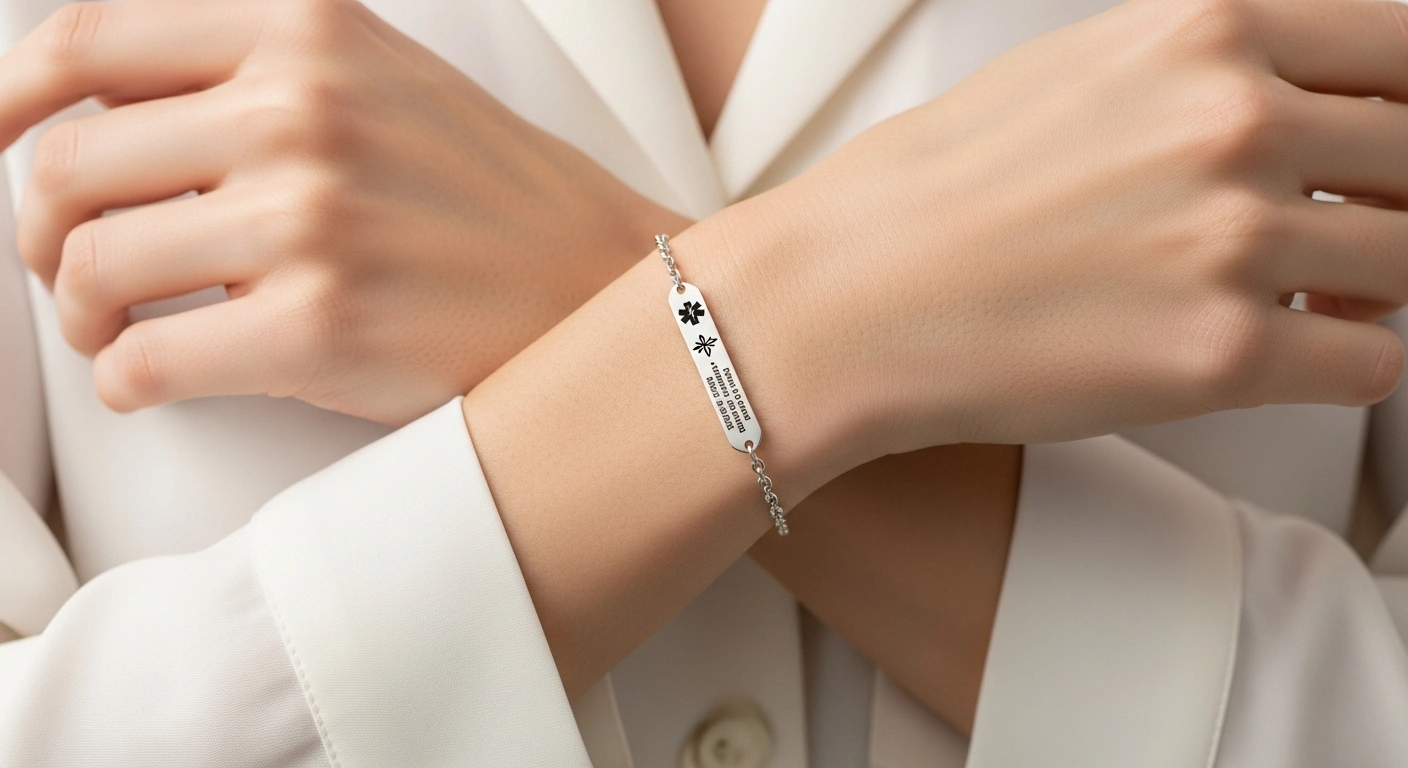
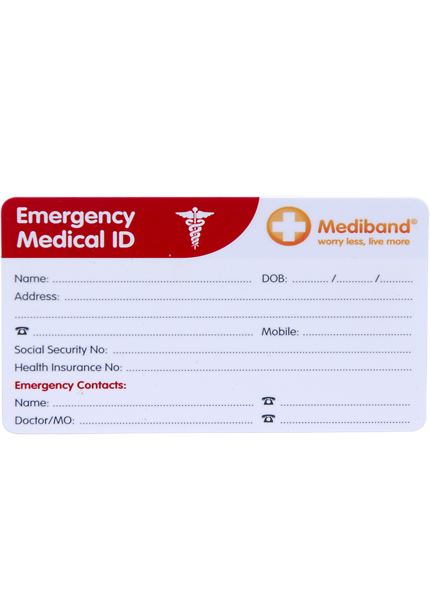
This is where epilepsy med alerts come in. They take the form of necklaces, bracelets or other items like wallet cards that contain vital information about your health condition.
This enables healthcare professionals to give you the right treatment and also get in touch with your loved ones if you choose to include contact information.
What information should I include on my medic alert?
For any medical ID, you can include the following basic information:
- Your name
- Your emergency contact number
- Your condition
- Any medication you take
You might want to customise a bracelet and use slightly different terminology, for example instead of “Epilepsy” you could choose “Seizures” or “Seizure alert”.
If you are receiving treatment like vagus nerve stimulation that uses a special device, you may also want to include this information too.
Shop Epilepsy Medical Alert Bracelets
Your epilepsy medical ID speaks for you during a seizure — choose one that fits your life.

What types of epilepsy medical ID bracelets are available?
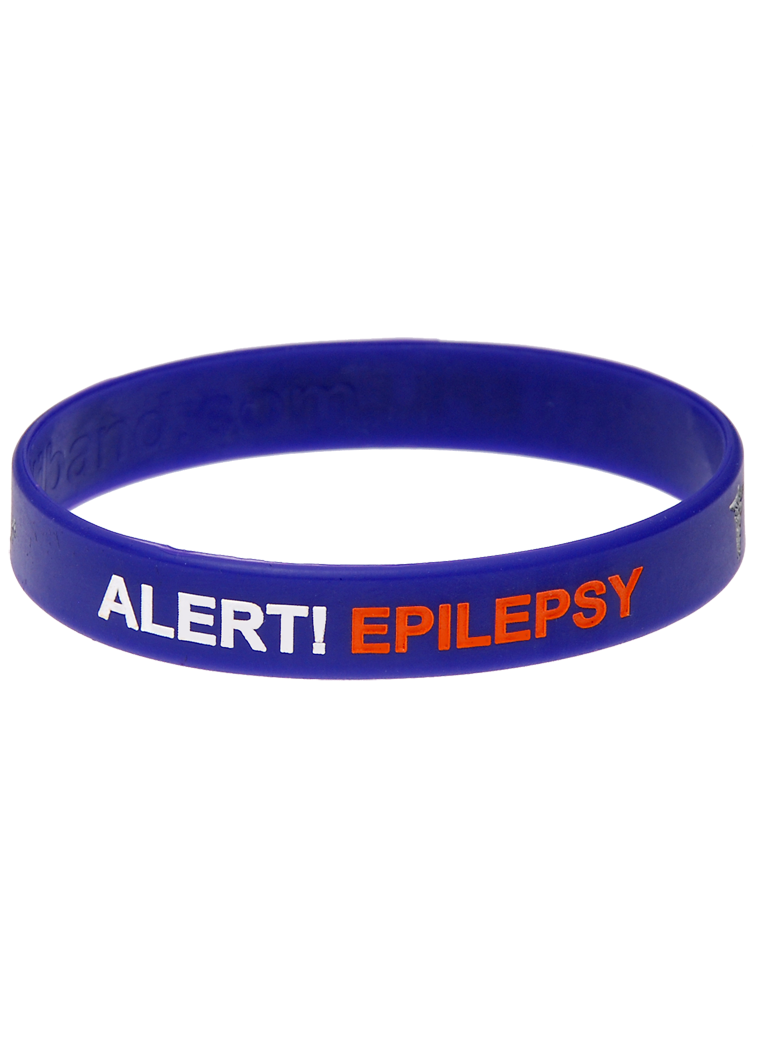
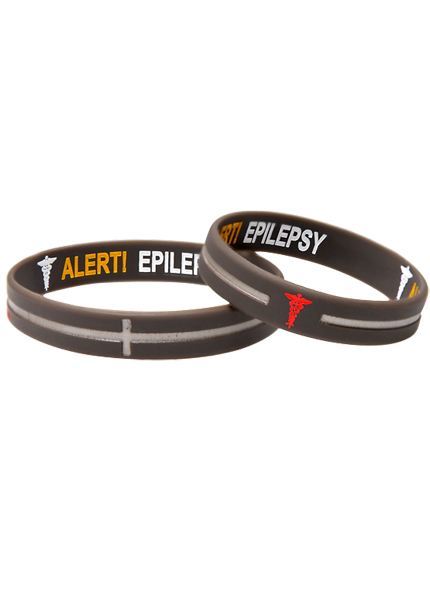
Silicone bracelets are one of the most popular choices for medical ID. That’s because they’re comfortable to wear, durable and look great too.
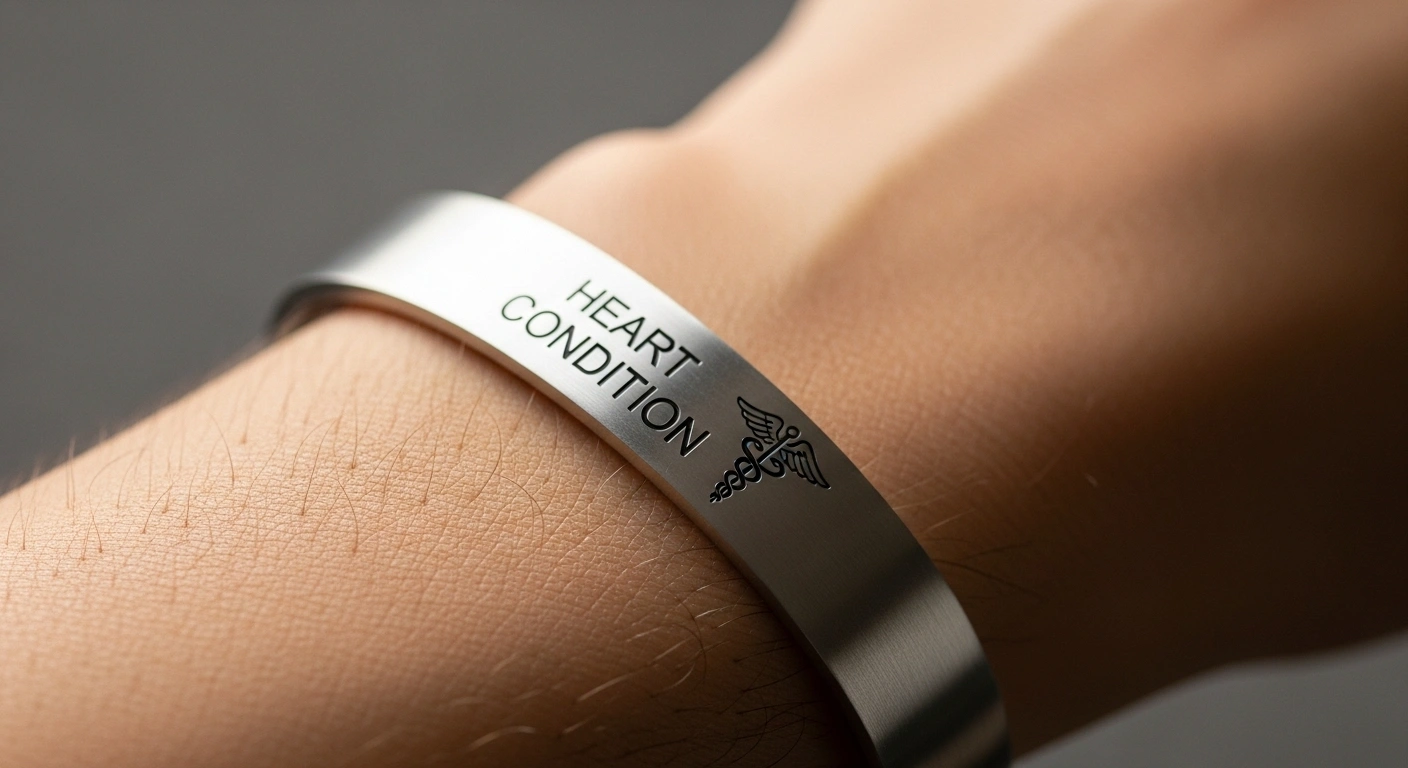
Or you may prefer the look of stainless steel bracelets, which are also hardwearing and attractive.
Necklaces are another great option if you don’t like the feel of a bracelet around your wrist.
You might also opt for a card that you keep in your wallet that has space for essential information about your health condition.
Other lifestyle tips for epilepsy
As well as wearing a medical alert with info about your epilepsy, you can take other steps to make living with the condition more manageable.

Keep a diary to record when you experience seizures and identify anything that triggers you. You can feed this information back to your healthcare team so they can adjust your care accordingly.
Work with your doctor to create an epilepsy management plan. This can be shared with your family, employer and other healthcare professionals so they can support you.
Be sure to take your medication as directed and avoid triggers. These can include:
- Tiredness
- Stress
- Flashing lights
- Alcohol or drug use
- Hunger
- Changes in temperature
You may also wish to join an online or in-person support group. This will provide a space where you can share your experiences and get support from other people with epilepsy who really understand what you’re going through.
Find the perfect epilepsy awareness ID
Living with epilepsy doesn’t have to be limiting. With the right help from your healthcare team, self-care and a few simple lifestyle tips like wearing a medical ID alert, you can certainly live life to the full.
To help you achieve this goal, take a look at the Mediband range of healthcare medical IDs. You can choose a ready-made epilepsy awareness bracelet or have one customised with the exact information you want to include.
You’ll find silicone and stainless steel bracelets, along with a range of necklaces and other useful items like wallet cards too.
With so many choices available in our range, you’ll be sure to find the perfect epilepsy awareness ID to suit your unique lifestyle!
Frequently Asked Questions
What information should I include on my epilepsy medical ID?
Include the word Epilepsy, your seizure type if known, current anti-epileptic medications and dosages, any drug allergies, your neurologist or GP name, and an emergency contact number. If you have a seizure first aid plan, note where it can be found. Keep the text concise for quick reading during an emergency.
Why is a medical ID important for epilepsy?
During a seizure, you cannot communicate your condition, medications, or needs. A medical ID bracelet tells bystanders and paramedics that you have epilepsy — preventing them from misinterpreting your seizure as a drug overdose or stroke, and ensuring they provide the correct post-seizure care without dangerous interventions.
Should I include my medication on my epilepsy bracelet?
Yes. Anti-epileptic medications like sodium valproate, carbamazepine, and levetiracetam interact with many emergency drugs. Paramedics need to know what you take to avoid dangerous interactions. If space is limited, include at least your primary anti-epileptic medication and any critical drug allergies.
What type of epilepsy medical ID should I choose?
Silicone bracelets are the most popular choice for everyday wear — waterproof, comfortable, and available in the recognised purple epilepsy colour. Stainless steel bracelets offer a more premium look. Write-on reversible bracelets allow you to update information as your medications change without needing a new bracelet.
How common is epilepsy in Australia?
According to Epilepsy Action Australia, approximately 250,000 Australians live with active epilepsy, and around 3 to 4 percent of people will be diagnosed at some point in their life. Epilepsy can develop at any age but is most commonly diagnosed in children under 10 and adults over 65.

Share on Facebook

Share on X

Share on Pinterest
Comment(s)
Recent Posts

The Risk Of Not Wearing An Allergy Medical Alert Bracelet
March 23, 2026