7 Essential Family Health and Safety Tips Every Parent Should Know
April 11, 2012

Why Family Health and Safety Starts with Small, Everyday Habits
According to the Australian Institute of Health and Welfare (AIHW, 2024), preventable injuries and chronic conditions remain among the leading causes of hospital admissions for children and adults alike. The good news? Most of these risks can be significantly reduced with simple, practical habits that any family can adopt.
Whether you're managing a child's food allergy, preparing for flu season, or trying to keep your family active and resilient, the steps you take today can make all the difference in an emergency. Here are seven evidence-based tips to help keep your family healthy, safe, and prepared — no matter what life throws your way.

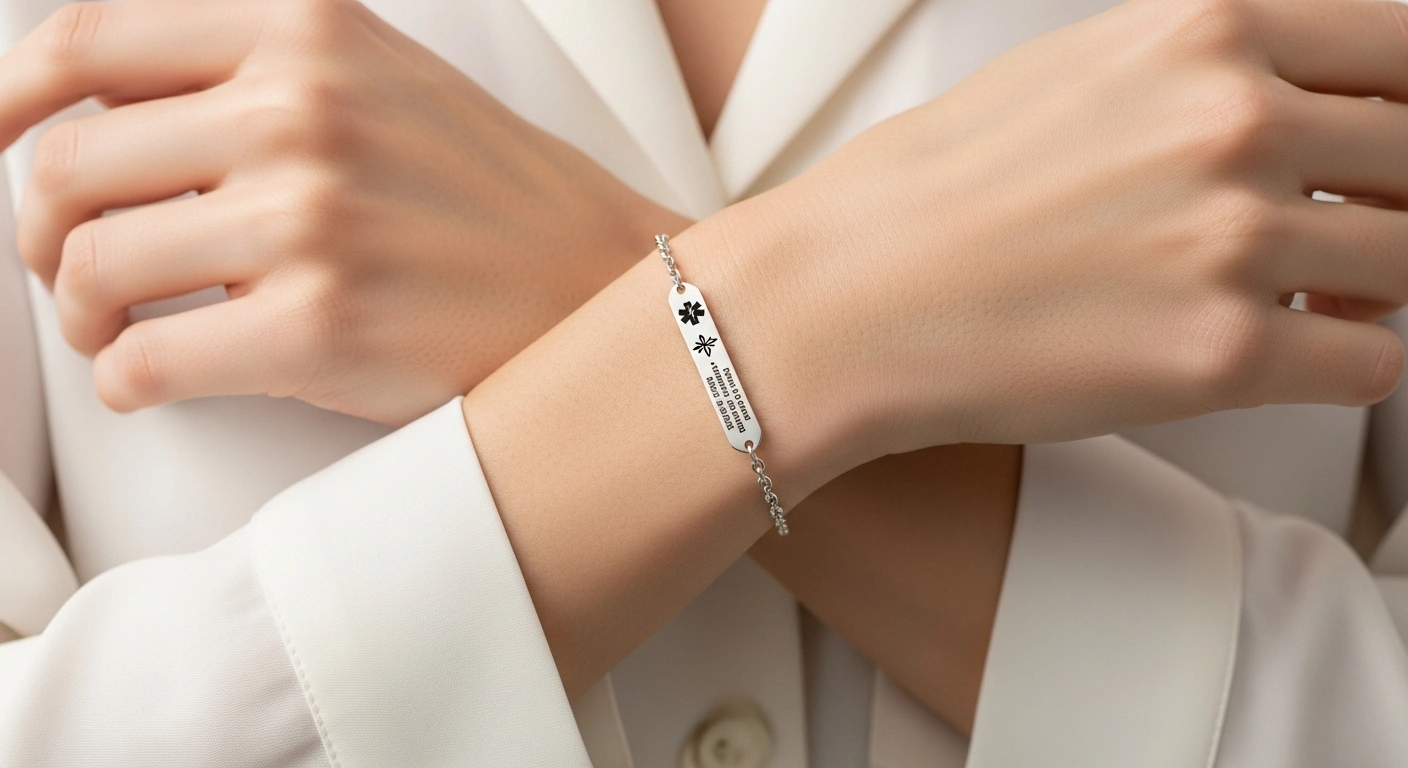
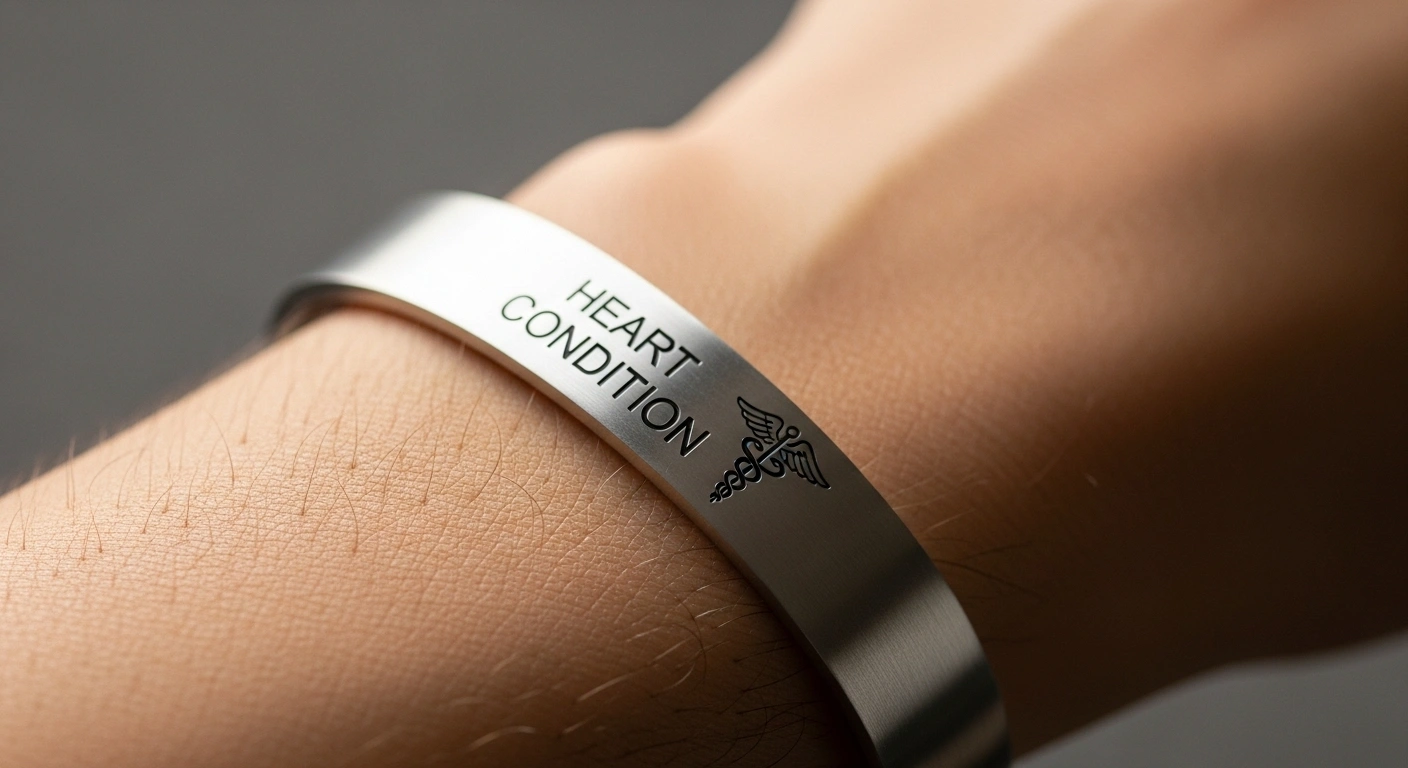
Shop Medical Alert Bracelets for Your Family
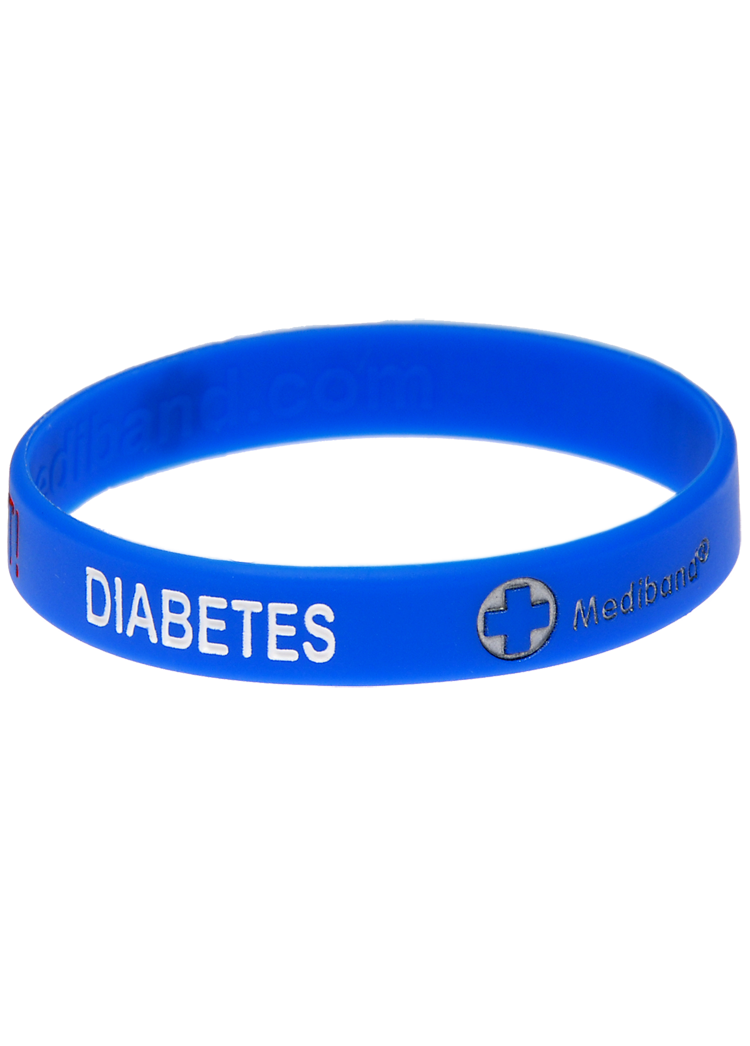
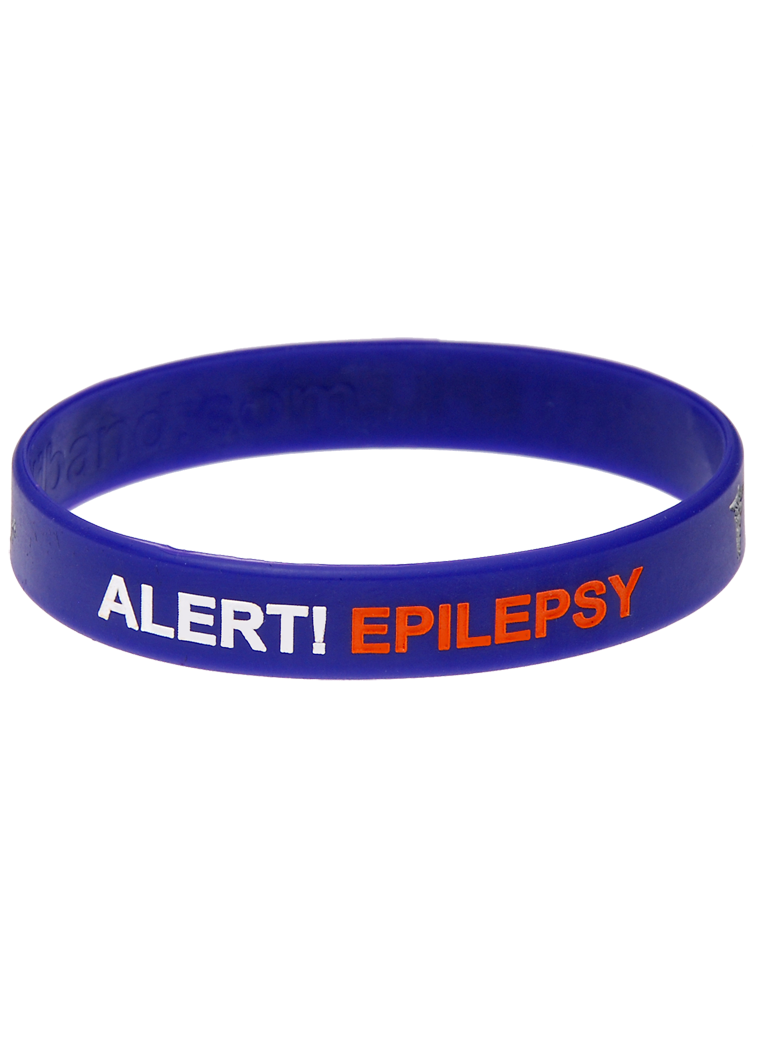
Give emergency responders the information they need — fast. Explore our range of medical ID bracelets for kids and adults.

1. Cook Comfort Food That Actually Fuels Your Family
Nutrition is the foundation of a healthy household, yet busy families often default to processed convenience foods. The Australian Dietary Guidelines (2024) recommend that children and adults eat at least five serves of vegetables and two serves of fruit each day — yet fewer than 4% of Australians meet both targets (ABS National Health Survey, 2023).
The good news is that comfort food doesn't have to mean unhealthy food. Simple swaps — like roasting vegetables alongside your lamb, mashing sweet potato instead of white, or adding lentils to a stir-fry — can dramatically increase the nutritional value of meals your family already loves.
Quick Tips for Healthier Family Meals
- Batch cook on weekends: Prepare soups, casseroles, and stir-fry bases in bulk and freeze them for midweek dinners.
- Involve the kids: Children who help prepare meals are more likely to eat a wider variety of foods (Journal of Nutrition Education and Behavior, 2023).
- Swap, don't strip: Replace white rice with brown, add spinach to pasta sauce, or blend vegetables into smoothies — small changes that add up over time.
2. Protect Young Brains: Concussion Safety in Kids' Sport
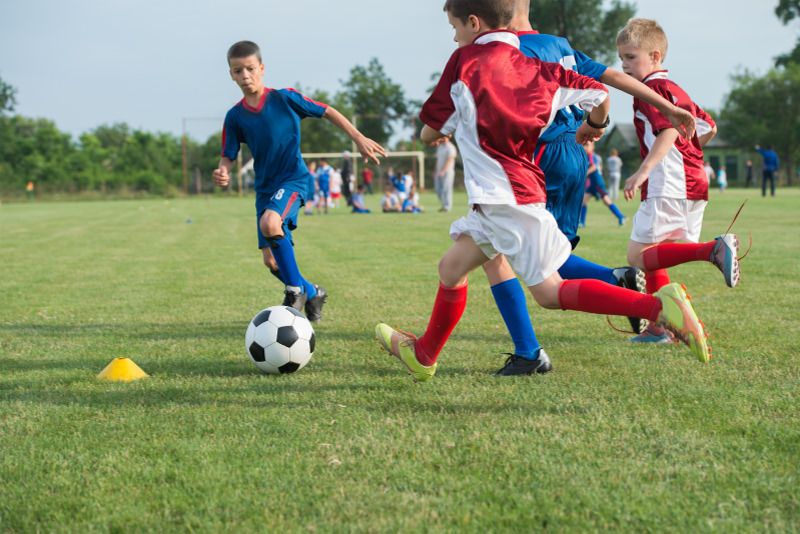
Over 3,000 children are hospitalised for sport-related head injuries in Australia each year (AIHW Injury in Australia, 2024). Developing brains are more vulnerable to concussion than adult brains, and the effects of repeated head trauma — even mild impacts — can be cumulative.
If your child plays contact sports like rugby, AFL, soccer, or netball, understanding medical alert bracelets and concussion protocols could prevent serious long-term consequences.
Warning Signs of Concussion in Children
- Headache, dizziness, or confusion that persists after a bump
- Nausea or vomiting
- Difficulty concentrating or remembering what happened
- Unusual irritability, tiredness, or changes in sleep patterns
- Balance problems or sensitivity to light and noise
What Parents Can Do
- Know the rules: Most Australian sporting codes now require immediate removal from play if concussion is suspected. No child should return to sport the same day.
- Get medical clearance: Always have a doctor clear your child before they return to training or competition after a head injury.
- Consider a medical ID: If your child has had a previous concussion or has a condition that increases risk (like epilepsy), a medical alert bracelet ensures coaches and first aiders know immediately.
3. Prepare for Flu Season Before It Arrives
Influenza kills between 600 and 3,000 Australians each year, and children under five are among the most vulnerable groups (Australian Government Department of Health, 2024). The annual flu vaccine remains the single most effective prevention measure — yet only around 40% of Australian children receive it.
Why the Whole Family Should Get Vaccinated
- Herd protection: When parents, siblings, and carers are vaccinated, they create a protective barrier around younger or immunocompromised family members.
- Fewer sick days: Vaccinated individuals who do catch the flu typically experience milder symptoms and recover faster.
- Timing matters: Get vaccinated in April or May (before the Australian winter peak) for the best protection window.
Beyond the Vaccine: Everyday Prevention
- Teach children to wash hands with soap for at least 20 seconds — before meals, after using the bathroom, and after coughing or sneezing.
- Cough and sneeze into the elbow, not the hands.
- Keep sick children home until they've been fever-free for at least 24 hours.
- Ensure 8–10 hours of sleep per night — sleep deprivation weakens the immune system significantly.
4. Manage Allergies Safely — At Home and Beyond
Australia has one of the highest rates of food allergy in the world. Approximately 10% of infants and 4–8% of children have a confirmed food allergy (ASCIA, 2024). For families managing allergies, the risk doesn't stop at the front door — school, sport, parties, and restaurants all present potential exposure.
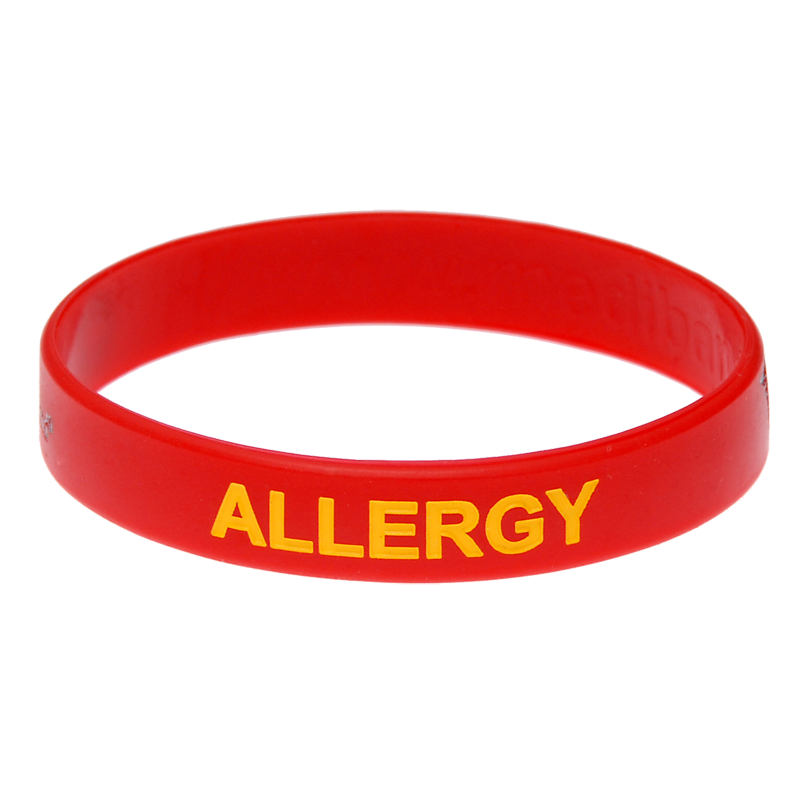
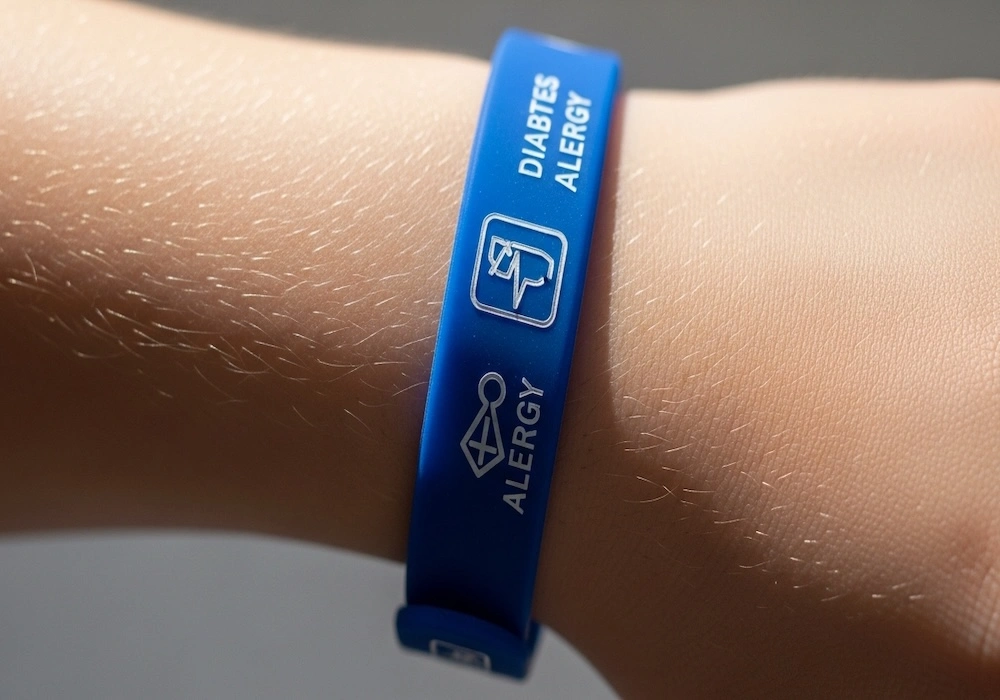
An allergy alert medical bracelet is one of the most effective ways to communicate critical allergy information when you're not there to speak for your child. Paramedics, teachers, and coaches check for medical IDs first in an emergency.
Allergy Safety Checklist for Families
- Carry an EpiPen at all times — and make sure your child, their teachers, and their friends' parents know where it is and how to use it.
- Label everything: Pack labelled, allergen-free lunches and snacks for school and outings.
- Wear a medical ID: A visible anaphylaxis alert bracelet tells first responders exactly what they need to know — even if your child can't speak.
- Have an action plan: Work with your GP to create an ASCIA Action Plan and share copies with your child's school and carers.
5. Address Bullying Early — Give Kids the Tools to Speak Up
One in four Australian students reports being bullied at school (Bullying. No Way!, 2024). Bullying affects not only mental health but physical health too — children who are bullied are more likely to experience headaches, sleep problems, anxiety, and depression.
The most important thing parents can do is create a safe space for their child to talk about what's happening — whether at the dinner table, on the drive to school, or during a quiet moment before bed.
Practical Steps for Parents
- Make it safe to talk: Ask open-ended questions like "What was the best and worst part of your day?" rather than "Were you bullied today?"
- Build diverse friendships: Enrol your child in activities outside school — sports clubs, art classes, community groups — so they have multiple social circles and aren't dependent on one peer group.
- Teach assertiveness, not aggression: Role-play scenarios where your child practises saying "Stop, I don't like that" firmly and walking away.
- Involve the school: If bullying persists, work with teachers and counsellors. Most Australian schools have anti-bullying policies and support programs.
6. Boost Your Child's Development with Simple Daily Habits
The first five years of a child's life are critical for brain development. According to the Raising Children Network (2024), everyday activities like outdoor play, reading, and problem-solving games build the neural connections that support learning, emotional regulation, and social skills throughout life.
Five Development Boosters That Cost Nothing
- Get outside daily: Unstructured outdoor play — climbing, running, exploring — develops gross motor skills, spatial awareness, and creativity. Aim for at least 60 minutes of physical activity per day (Australian Physical Activity Guidelines).
- Read together: Even 15 minutes of reading before bed strengthens vocabulary, comprehension, and the parent-child bond.
- Puzzles and building: Wooden puzzles, blocks, and construction toys develop fine motor skills and problem-solving. Your local library often has free puzzle collections.
- Prioritise sleep: Children aged 3–5 need 10–13 hours of sleep per night; ages 6–12 need 9–12 hours (Sleep Health Foundation Australia, 2024). A consistent bedtime routine is one of the best things you can do for your child's developing brain.
- Limit screen time: The Australian Government recommends no more than one hour of sedentary screen time per day for children aged 2–5, and no more than two hours for ages 5–17.
7. Be Prepared: Why Every Family Needs a Medical Safety Plan
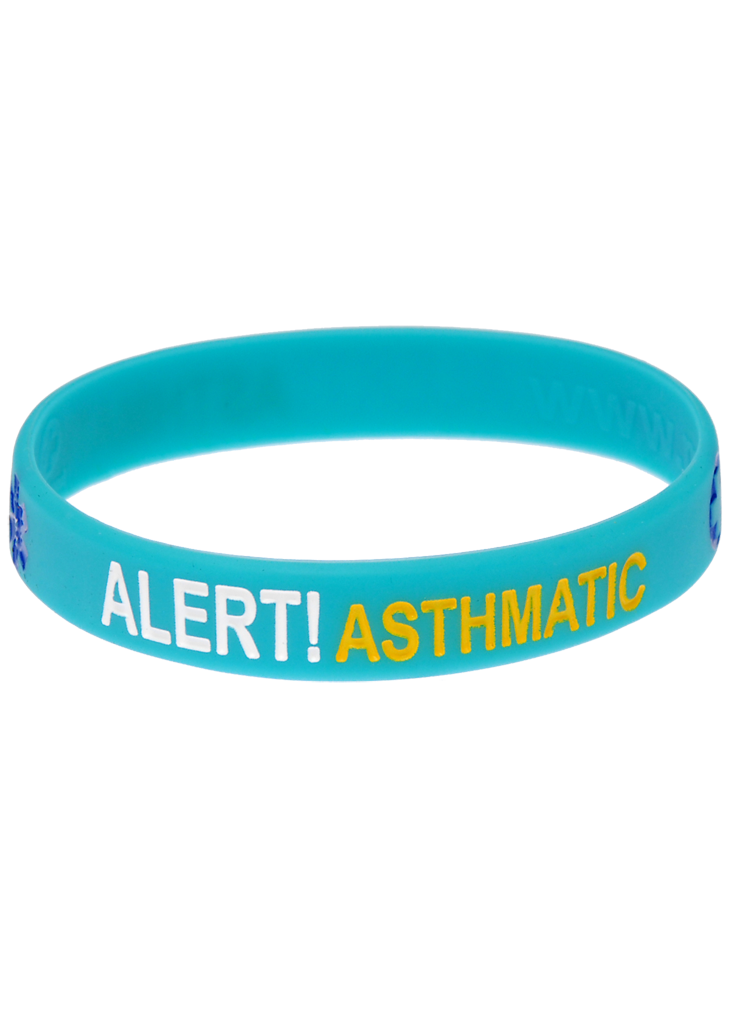
Emergencies don't send warnings. Whether it's a severe allergic reaction at a birthday party, an asthma attack during sport, or a diabetic episode at school, the first few minutes are critical — and the people nearby may not know your child's medical history.
A medical alert bracelet bridges that gap. Research shows that 95% of emergency responders check for a medical ID within the first 30 seconds of treating a patient. For children with allergies, asthma, epilepsy, diabetes, or any chronic condition, a visible medical ID can genuinely save their life.
Your Family Medical Safety Checklist
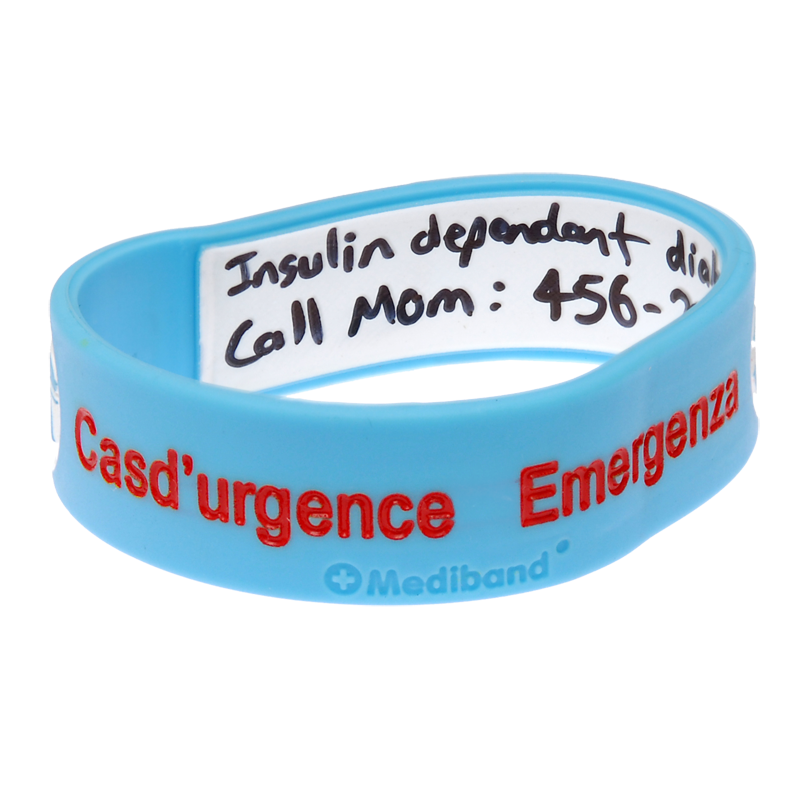
- Medical IDs for anyone with a chronic condition — children and adults. A kid's write-on travel ID bracelet is a simple first step.
- Up-to-date emergency contacts programmed into every family member's phone (and written on the child's medical ID).
- First aid kit in the home and car, checked every six months.
- ASCIA Action Plans for any family member with allergies or anaphylaxis — copies at home, school, and with carers.
- Know basic first aid: A simple first aid course can give you the confidence to respond calmly in an emergency.
Frequently Asked Questions
What age should a child start wearing a medical alert bracelet?
Children can wear a medical alert bracelet from as young as two years old. Silicone bracelets are lightweight, comfortable, and safe for toddlers. If your child has a diagnosed allergy, asthma, epilepsy, diabetes, or any condition that requires emergency treatment, a medical ID is recommended as soon as possible.
What information should I put on my child's medical alert bracelet?
Include the medical condition (e.g. "Peanut Allergy — Anaphylaxis"), critical medications (e.g. "Carries EpiPen"), and an emergency contact number. Avoid including your child's name and home address for safety reasons. Keep the engraving concise — emergency responders need to read it fast.
How can I get my child to actually wear a medical alert bracelet?
Let your child choose the colour and style — children are far more likely to wear something they picked themselves. Make putting it on part of the morning routine, like brushing teeth. Silicone bracelets are comfortable enough for sport, sleep, and everyday wear, so there's no need to take it off.
Are medical alert bracelets waterproof?
Yes. Silicone medical alert bracelets are fully waterproof and can be worn during swimming, bathing, and sport. Stainless steel engraved bracelets are also water-resistant. Clean with mild soap and water, then air dry.
How often should I update my family's first aid kit?
Check your first aid kit every six months. Replace expired medications, restock used items (bandages, antiseptic), and update any allergy action plans. Keep a kit at home and in the car, and make sure all family members know where it is.

Share on Facebook

Share on X

Share on Pinterest
Comment(s)
Recent Posts
The Risk Of Not Wearing An Allergy Medical Alert Bracelet
March 23, 2026