Make March purple this National Epilepsy Awareness Month
March 19, 2024

“Make March purple” is the theme for National epilepsy medical alert bracelet Awareness Month, taking place this March and culminating in Purple Day on 26 March.
Australians are encouraged to get involved in activities in their schools, communities and workplaces and embrace the colour purple as part of the campaign.
In this post, we’ll find out more about National Epilepsy Awareness Month and how you can support it.
What is National Epilepsy Awareness Month?
The month is part of a national campaign championed by epilepsy organisations across Australia. Its aim is to break down barriers and get people talking about epilepsy, not just in March but throughout the year.
Epilepsy Action Australia says that someone in Australia is diagnosed with epilepsy every 33 minutes.
During the month, people are encouraged to make March purple, using the colour to raise awareness and start conversations around epilepsy.
There are lots of ways you can show your support for this special month. Here are just a few:
- Hold a fundraising event for one of the epilepsy organisations in Australia (Epilepsy Action Australia, The Epilepsy Society of Australia, Epilepsy Australia, Epilepsy Foundation or Epilepsy ACT).
- Dress in purple for Purple Day on 26 March (or every day in March, if you like!).
- Share your stories and photos on social media using the hashtag #MakeMarchPurple.
This month is also the perfect opportunity to share your experiences of epilepsy or find out how the condition has affected others.
More about epilepsy
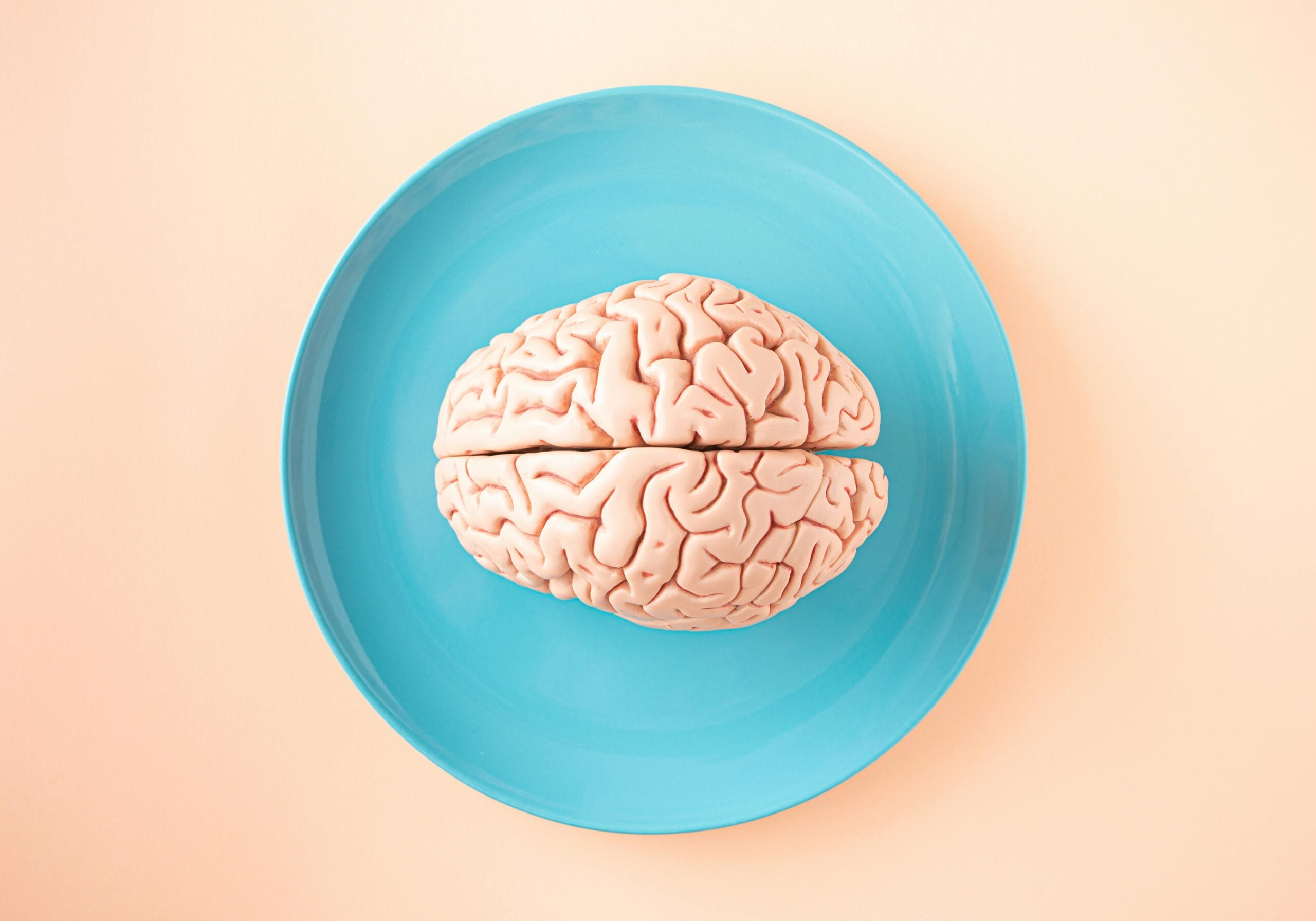
Epilepsy is a neurological condition that causes people to have seizures (also known as fits).

A seizure is a sudden and uncontrolled episode of electrical activity in the brain. There are different types of seizures:
Generalised tonic-clonic seizures (formerly known as grand mal seizures). With these seizures, a person loses consciousness suddenly, their body becomes stiff and they experience muscle contractions. The affected person may bite their tongue and lose control of their bladder. When they regain consciousness, they may be drowsy and confused.
Absence seizures (formerly known as petit mal seizures). When someone has one of these seizures, they appear to lose facial expression, stare and become unresponsive. Their eyes may blink or roll upwards. The person recovers quickly and has no memory of their seizure.
Focal seizures (formerly known as partial seizures). This type of seizure starts in one area of the brain and affects the parts of the body controlled by that location. Focal seizures involve a range of sensations and behaviours.
Febrile seizures. These seizures can affect young children experiencing fever or infection. Children who have a febrile seizure don’t have a higher risk of going on to develop epilepsy.
Causes of epilepsy
Epilepsy can be caused by things that damage the brain, such as:
- Head injury
- Stroke
- Brain infection or inflammation (for example, meningitis)
- Long-term drug or alcohol use
In many cases, the cause of epilepsy is unknown.
Treatment for epilepsy
Many people living with epilepsy can manage their condition by taking antiepileptic medication and avoiding triggers.
Other treatments include:
- Surgery on the area of the brain responsible for the seizures
- Stimulation of the vagus nerve in the neck
- Following a specific diet
- Medicinal cannabis
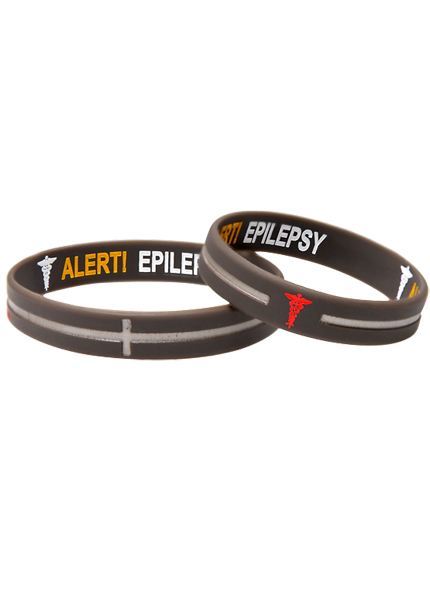
Shop Epilepsy Medical Alert Bracelets
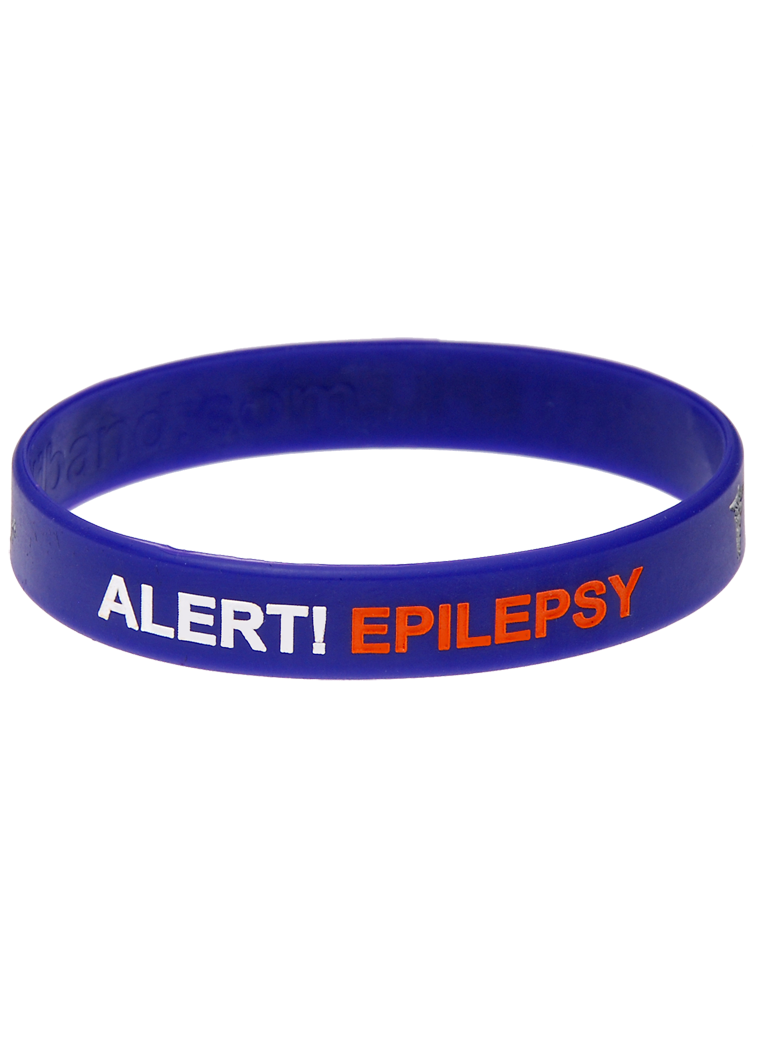
Help paramedics respond correctly during a seizure — wear an epilepsy medical alert bracelet.

How can I help a loved one with epilepsy?
The focus of this month’s awareness campaign is to get people talking about epilepsy. So, if you know someone with the condition, why not start a conversation with them about how epilepsy affects their life?
You could discuss things that trigger their seizures, such as lack of sleep, stress or alcohol consumption. You could then help them modify their lifestyle so they are less likely to experience a seizure.
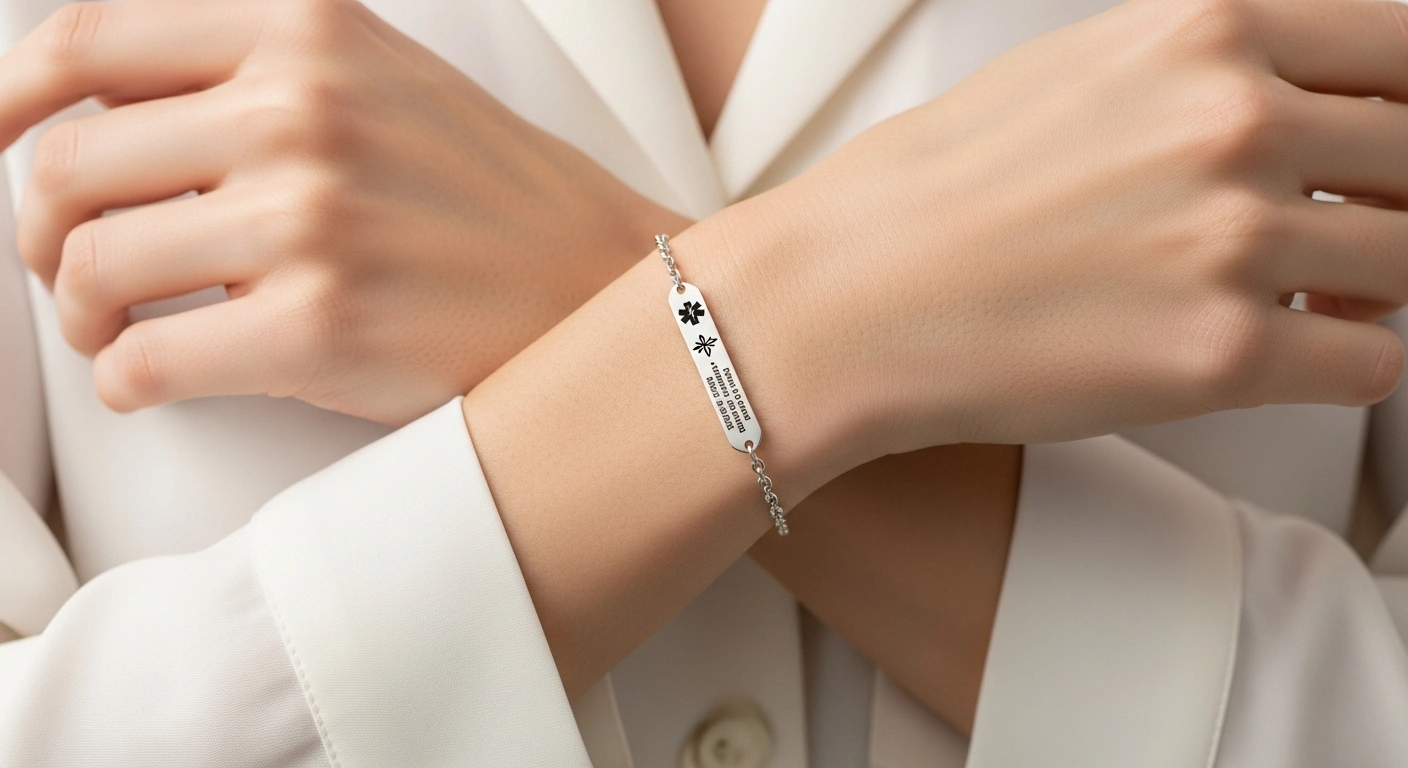
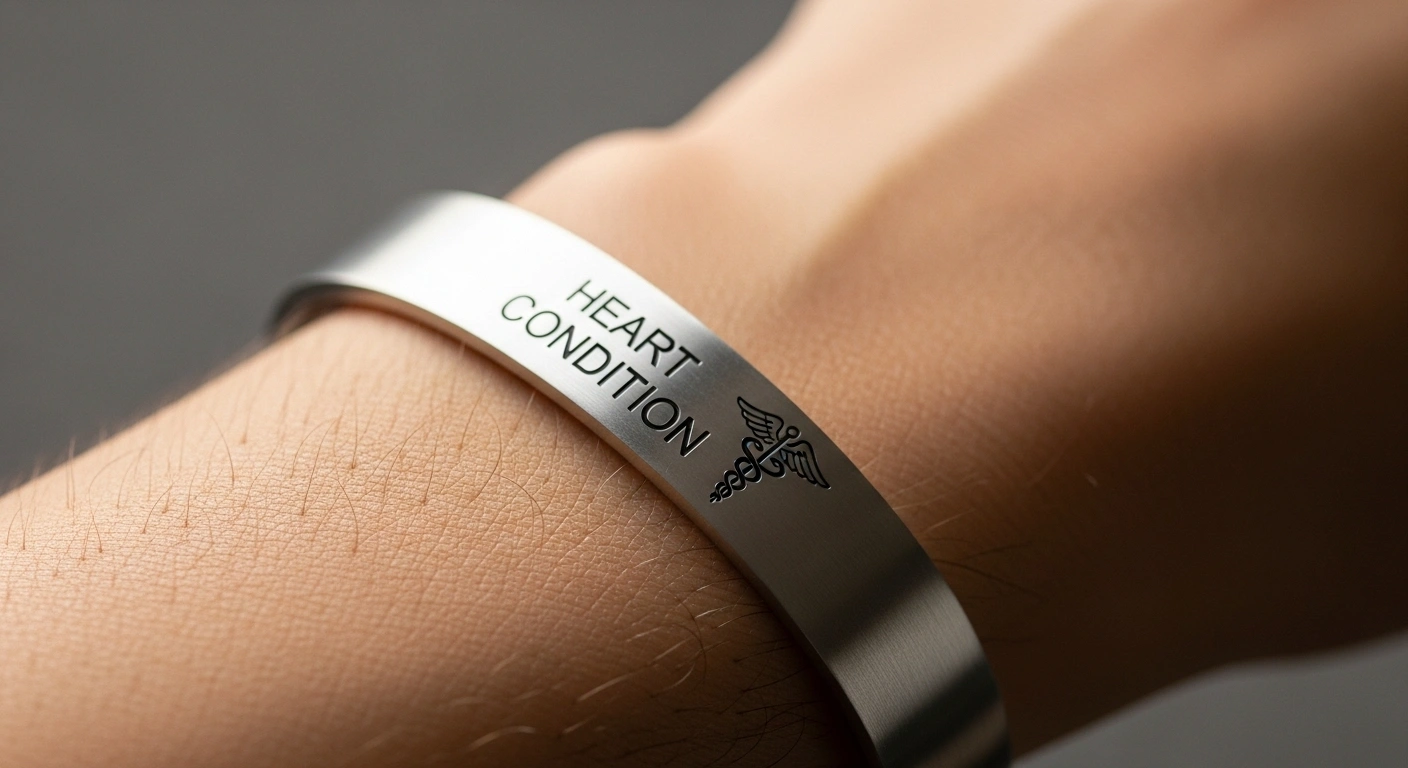
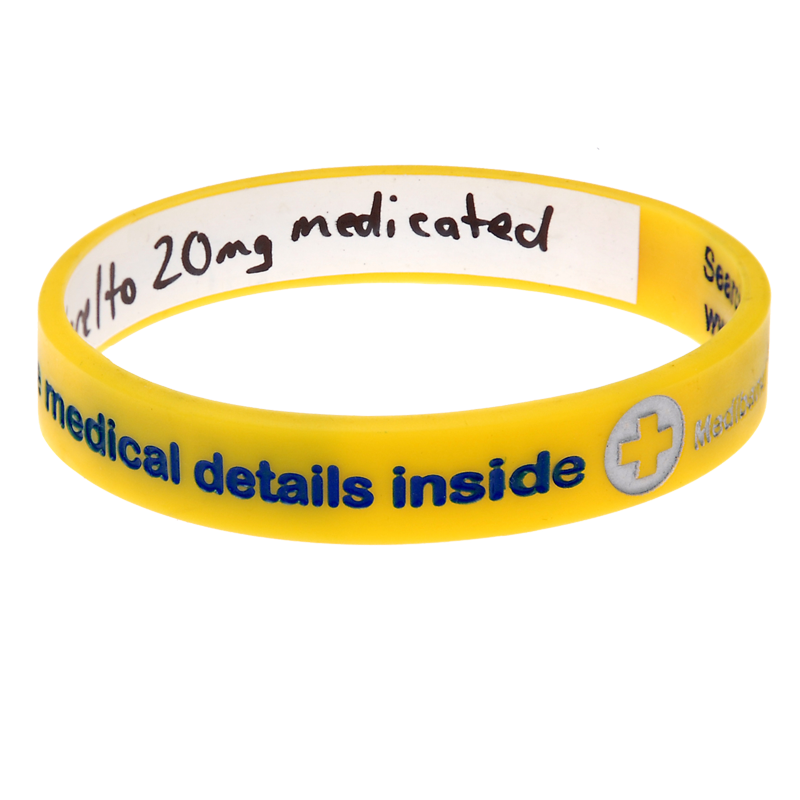
You may also want to offer them a practical gift that will raise awareness of their condition — and that could also help in a medical emergency. An epilepsy medical ID bracelet is a simple way to communicate the wearer’s condition to anyone helping them in an emergency or during a seizure.
Wearing a medical wristband means that health professionals caring for your loved one will know instantly about their condition if they can’t communicate. They can then give the right treatment in a timely way, ensuring the safety of their patient.
You can either choose from a pre-printed epilepsy medical ID from the Mediband range or have one of our plain wristbands customised with the details you want.
Silicone wristbands are the perfect choice since they’re hardwearing, comfortable and hypoallergenic. You can also choose from our stainless steel necklaces, which can be engraved with personalised information.
Let’s talk about epilepsy
This March, make it your mission to break down barriers and start a conversation about epilepsy. Since the condition affects 1 in 160 Australians, chances are you may know someone who’s living with it.
And if you want to place an order for an epilepsy alert wristband, take a look at our online shop. Mediband offers a wide range of wristbands for many health conditions, as well as personalised wristbands bearing your unique details.
Reach out to us if you have any questions about our products — we’re happy to help!
Frequently Asked Questions
What is National Epilepsy Awareness Month?
National Epilepsy Awareness Month is observed every March in Australia to raise awareness about epilepsy, reduce stigma, and support the estimated 250,000 Australians living with the condition. Purple Day on March 26 is the highlight, encouraging people worldwide to wear purple and share information about epilepsy.
How common is epilepsy in Australia?
According to Epilepsy Action Australia, approximately 250,000 Australians live with epilepsy, and around 3 to 4 percent of people will be diagnosed with epilepsy at some point in their life. It is one of the most common neurological conditions, affecting people of all ages from infants to the elderly.
Why should someone with epilepsy wear a medical alert bracelet?
During a seizure, a person cannot communicate their condition or medication needs. A medical alert bracelet immediately tells bystanders and paramedics that the person has epilepsy, what medications they take, and who to contact. This prevents incorrect treatment and ensures faster, safer emergency response.
What should I do if someone has a seizure?
Stay calm, time the seizure, clear the area of hazards, and place the person on their side once the seizure stops. Never restrain them or put anything in their mouth. Call 000 if the seizure lasts more than 5 minutes, if they are injured, or if it is their first seizure. Check for a medical alert bracelet for critical information.
What information should be on an epilepsy medical alert bracelet?
Include the word Epilepsy, your seizure type if known, current anti-epileptic medications, any drug allergies, and an emergency contact number. If you have a seizure action plan, note that too. Keep the text concise so paramedics can read it quickly during an emergency.

Share on Facebook

Share on X

Share on Pinterest
Comment(s)
Recent Posts

The Risk Of Not Wearing An Allergy Medical Alert Bracelet
March 23, 2026