First Aid Training Brought to Life with Medibands!
February 14, 2011

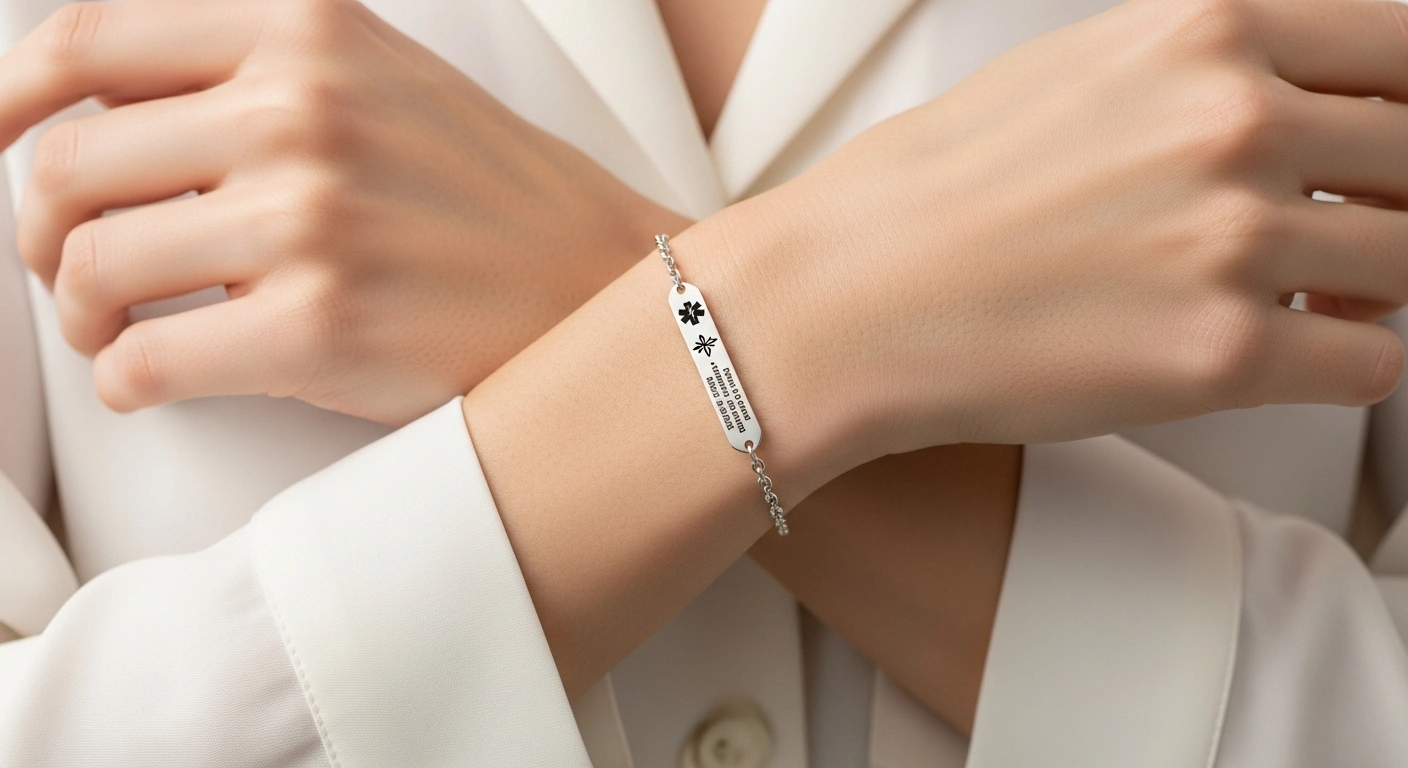
Every year, millions of Australians attend first aid courses to be ready when it matters most. But there's one critical skill that many first aid students miss — and Australia Wide First Aid lists it in their own first aid glossary: checking the patient's wrist for a medical alert bracelet. Richard Lloyd of DR ABCD First Aid Training has made this lesson a centrepiece of his courses — and Mediband medical alert bracelets play a key role in bringing it to life.
Why Medical Alert Bracelets Are a Critical Part of First Aid Training
In Australia, over 1.9 million people live with diabetes (according to Diabetes Australia), approximately 250,000 live with epilepsy (Epilepsy Action Australia), and over 1.5 million have food allergies. For all of them, a medical emergency can happen at any time — at the shops, at a sporting event, at the office, or in a school.
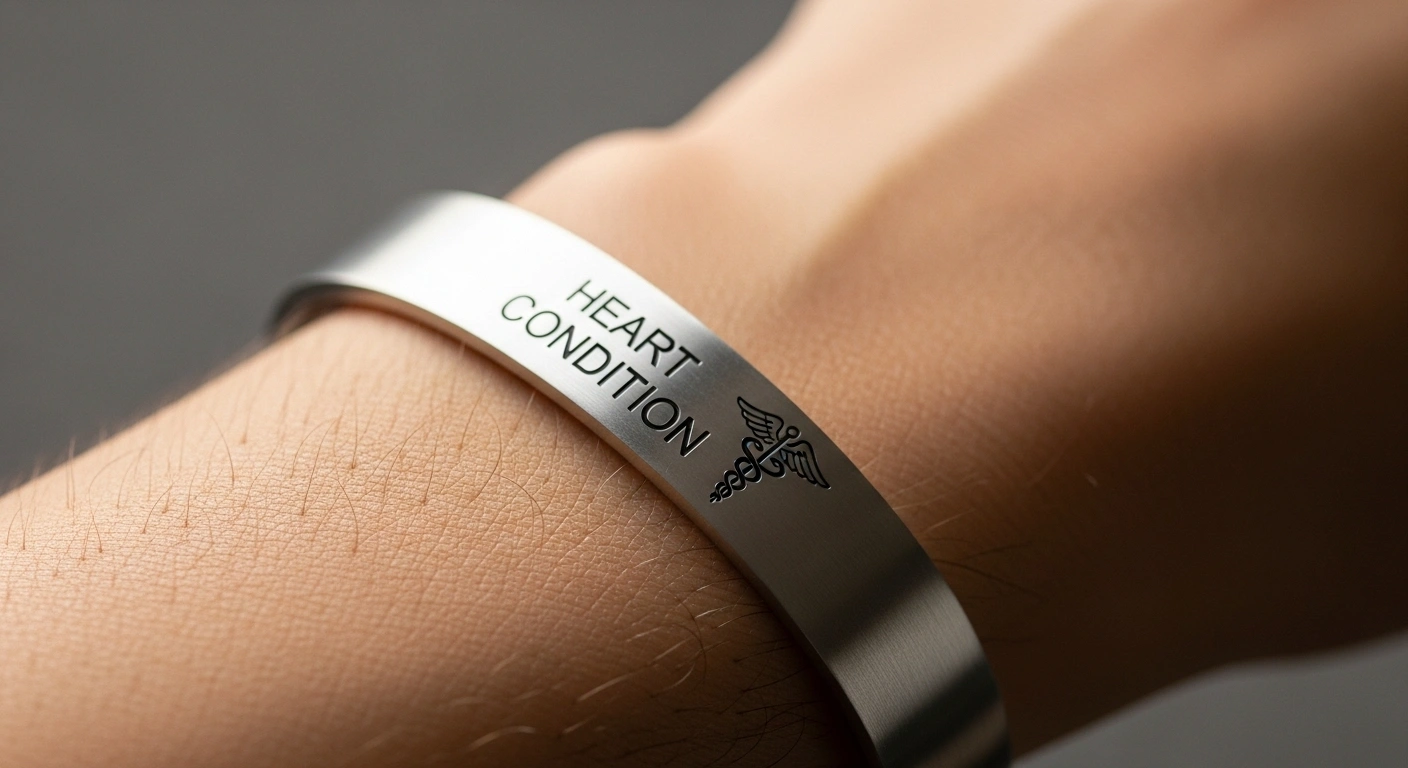
When an emergency occurs, the first 60 seconds are critical. If the person is unconscious, unable to speak, or confused, bystanders and first aiders have no way of knowing their medical history — unless they check the wrist. Paramedics, EMTs, and trained first aiders are taught to look for a medical alert bracelet as part of their primary patient assessment. A bracelet worn by someone with diabetes, epilepsy, a severe allergy, or a heart condition can instantly tell a first aider what they're dealing with — and what not to do.
Yet in real-world training scenarios, students consistently miss it.
How DR ABCD First Aid Training Uses Mediband in Role-Play Scenarios
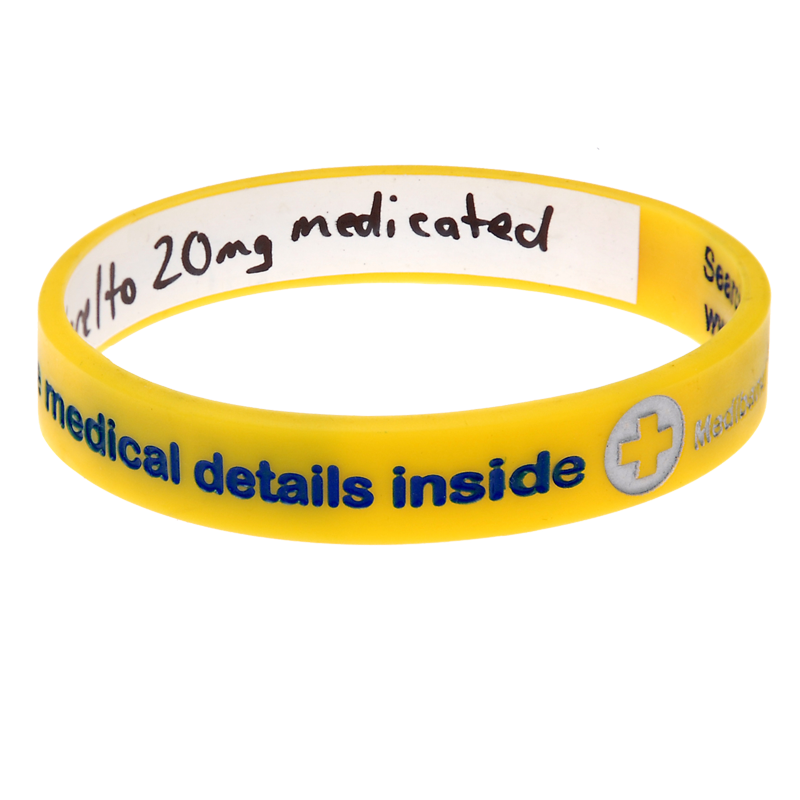
Richard Lloyd of DR ABCD First Aid Training has found an innovative and effective way to teach this lesson. He incorporates Mediband medical alert bracelets into the role-playing scenarios he runs during his one-day courses — and the results speak for themselves.
"Before people come to our one-day courses, they have already spent time studying the theory online and they have passed the theory assessment component of our courses," Mr Lloyd explains. "Whilst we recognise that knowing the theory is an important part of first aid training, it can be a lot easier to answer questions on paper than it is to put into practice what you have learnt."
Richard and his colleagues use carefully crafted scenarios to bring first aid theory to life — placing students in challenging, realistic situations where they must apply their skills under pressure.
"We create lots of really challenging, tricky situations for our students. Each scenario is designed to test them and show them how they can apply the theory that they have learned and in doing so, show themselves that they can do it."
Shop Medical Alert Bracelets
Give first aiders the information they need — wear a medical alert bracelet every day.

The Lesson Students Learn When They Miss the Bracelet
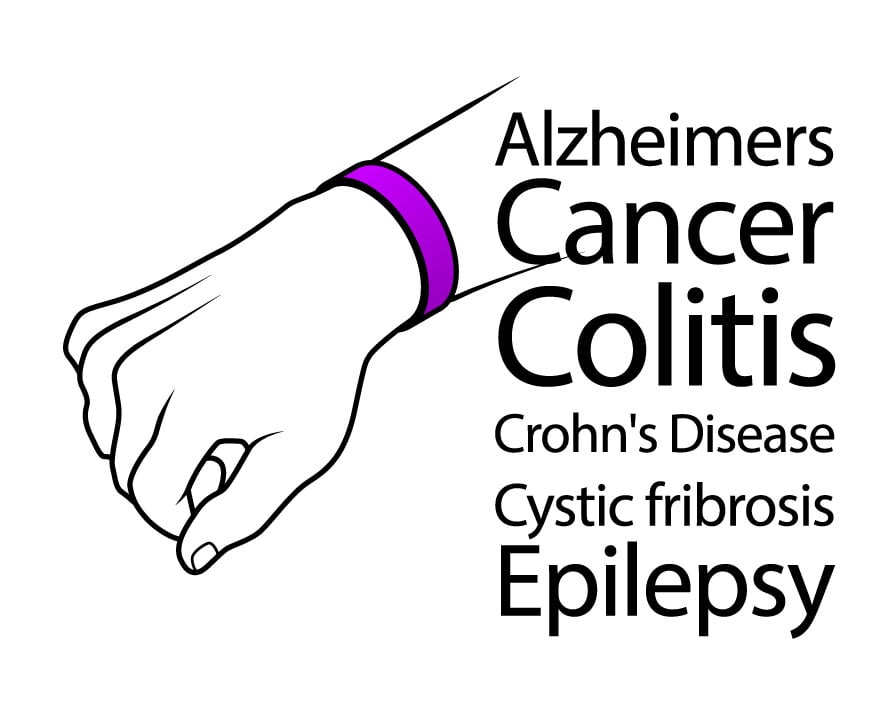
In almost every scenario, despite the simulated patient wearing a clearly visible Mediband, students fail to check the wrist. It's a powerful lesson that no textbook can replicate.
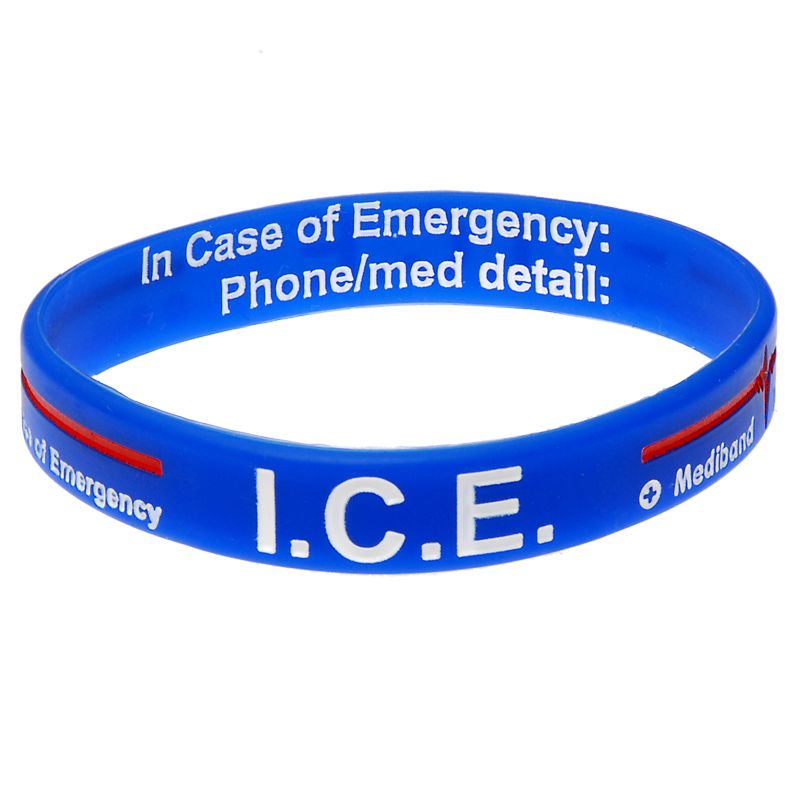
"When we've finished acting out a scenario we go back over everything that has happened with our students. In most cases, despite the fact that the 'patient' was wearing a Mediband, the students didn't notice or check the band to look for medical information," Richard explains. "So, we're able to demonstrate to them that it's important to look for medical alert bracelets and wallet cards, to ask the patient questions — particularly if they are still conscious — and that their role as an attending first aid trained person can help to save a life in more ways than one."
The feedback reveals a consistent misconception: students often assume the bracelet is decorative jewellery.
"We often get feedback from students that they didn't check the wristband being worn by their patient because they thought it was decorative or not important," Richard says. "We then educate them to understand that people with a medical condition don't want to shout it from the rooftops and tell the world. They often want their condition to be kept discreet, but also want to protect themselves by wearing a medical bracelet or wallet card."
This is precisely why the design of a Mediband matters. Bracelets that look too clinical are often left at home. Bracelets that look fashionable enough to wear every day are actually on the patient's wrist when they need them.
What Information Does a Medical Alert Bracelet Give First Aiders?
A well-chosen medical alert bracelet gives a first aider immediate, actionable information:
- The primary medical condition — e.g. "Type 1 Diabetic", "Epilepsy", "Anaphylaxis"
- Critical medications or allergies — e.g. "Penicillin Allergy", "Takes Warfarin", "Carries EpiPen"
- Emergency contact — a phone number for family or a carer
- Key instructions — e.g. "Do Not Give Aspirin", "Do Not Restrain"
This information is especially vital when a patient is unconscious, confused, or in shock — situations where they cannot answer questions. It's also critical for conditions like epilepsy and diabetes, where the symptoms of a medical emergency can be mistaken for intoxication or aggression, leading to incorrect or delayed treatment.
Which Conditions Make a Medical Alert Bracelet Essential?
Richard Lloyd highlights a striking observation from his training sessions: "The thing that continually intrigues me is the number of people with diabetes, debilitating asthma or other conditions who don't actually have anything on them at all that lets other people know of their condition."
The following conditions are widely recommended for medical alert identification:
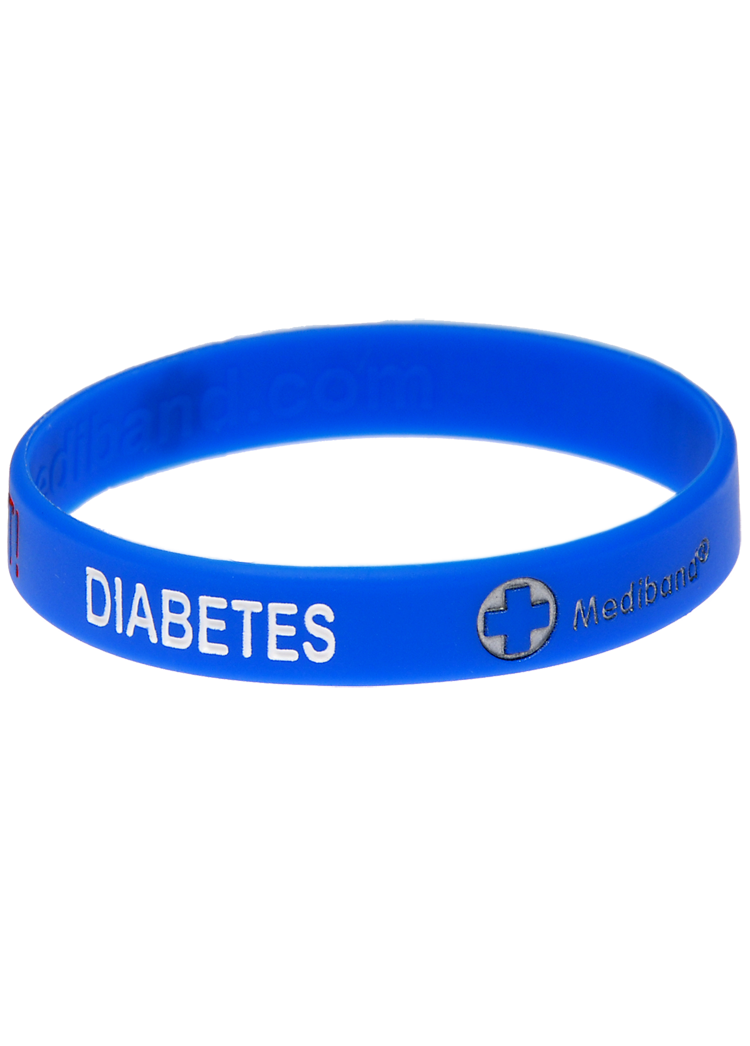
Diabetes
People with insulin-dependent diabetes are at risk of hypoglycaemia — dangerously low blood sugar that can cause unconsciousness within minutes. Without a medical ID, a first aider may not recognise this as a medical emergency, or may administer the wrong treatment. A diabetes alert bracelet communicates this instantly.
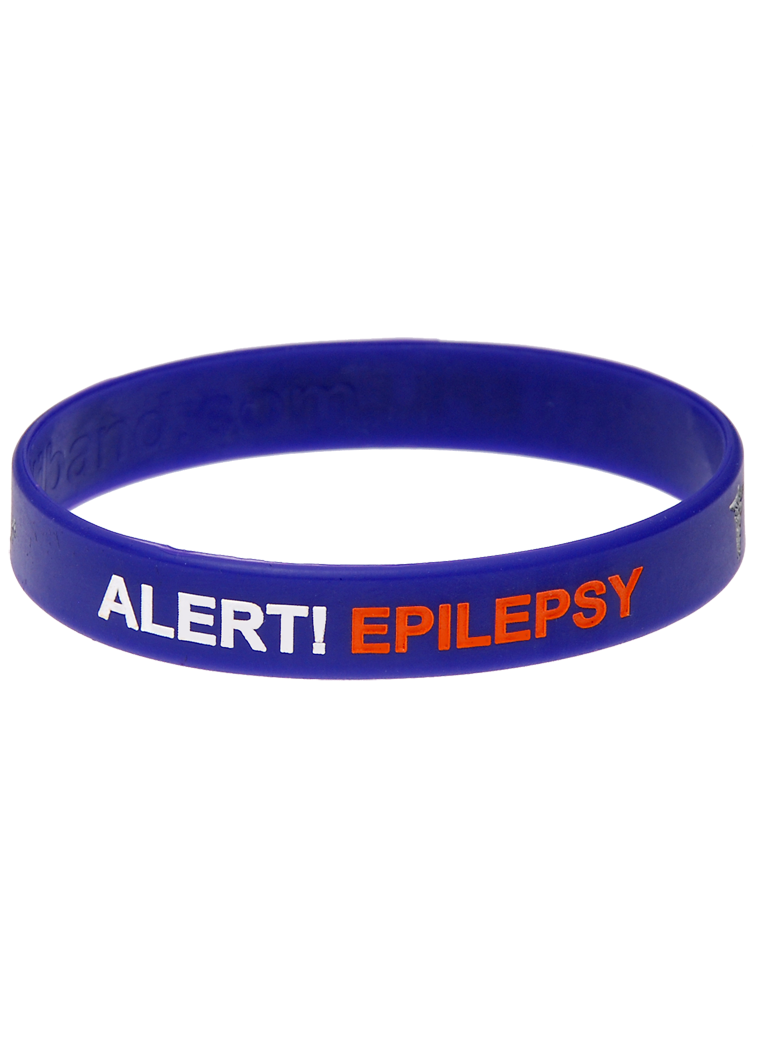
Epilepsy
During a seizure, a person cannot communicate. A first aider finding someone having a seizure needs to know immediately: does the person have epilepsy? Do they take medication? Should an ambulance be called? An epilepsy alert bracelet answers these questions before the first aider has to guess.
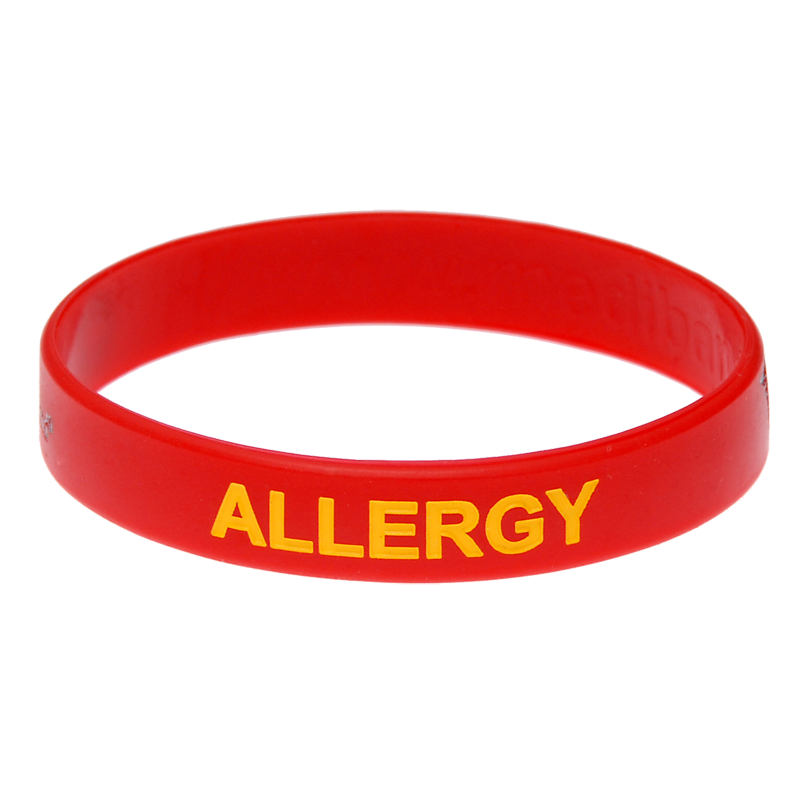
Severe Allergies and Anaphylaxis
Anaphylaxis is a life-threatening allergic reaction that can cause death within minutes without treatment. Emergency presentations for anaphylaxis in Australia have risen by 51% over five years, now exceeding 11,500 per year. An anaphylaxis alert bracelet tells first aiders to administer an EpiPen if available and call 000 immediately.
What Richard Lloyd Says About Mediband

"I applaud Mediband for creating a range of medical alert bracelets that are appealing and can be worn discreetly and comfortably. Mediband are also good for sensitive skin, they're hygienic and people can wear them without standing out in a crowd. All of this and the fact that Medibands are inexpensive means that it's never been easier for people with a medical condition to wear a Mediband."
Richard's endorsement reflects something important: for a medical alert bracelet to be effective, it has to be worn. A bracelet that is uncomfortable, unattractive, or embarrassing will be left at home on the day it's needed most. Mediband's range is designed to solve this problem — with lightweight, comfortable, and discreet designs that people are happy to wear every day.
"Medibands are an invaluable protection for people with a medical condition and they're an invaluable educational tool for our first aid training courses," Mr Lloyd concluded.
If you are completing a first aid course, ask your trainer to incorporate medical alert bracelet checking into your practice scenarios. And if you or someone you care for has a condition that affects emergency treatment, learn more about who should wear a medical alert bracelet and how to choose the right one.
Frequently Asked Questions
Do first aiders actually check for medical alert bracelets?
Yes — but research and training experience shows they often miss them. Trained first aiders and paramedics are taught to check both wrists during their initial patient assessment. However, as DR ABCD First Aid Training demonstrates in role-play scenarios, students regularly overlook medical alert bracelets, mistaking them for decorative jewellery. This is why ongoing training and awareness matters.
What should a medical alert bracelet say for first aiders?
Include your primary condition (e.g. "Epilepsy", "Type 1 Diabetic", "Anaphylaxis"), any critical medications or allergies, an emergency contact number, and any key instructions (e.g. "Carries EpiPen", "Do Not Give Aspirin"). Keep it brief — first aiders need to read it fast. See our guide to common medical ID abbreviations for help.
Why do people with medical conditions not always wear a medical ID?
The most common reasons are discomfort, appearance, and wanting to keep their condition private. Many traditional medical IDs look clinical and draw attention. Modern medical alert bracelets like Mediband are designed to be discreet, lightweight, and comfortable enough to wear all day — removing the main barriers to consistent use.
Can a medical alert bracelet be used in first aid training?
Absolutely. As DR ABCD First Aid Training demonstrates, Mediband bracelets are excellent tools for role-play scenarios in first aid courses. They teach students to check for medical identification, understand that not all bracelets are decorative, and practise asking the right questions when a patient is conscious but distressed.
How often should a first aid qualification be renewed in Australia?
The Australian Resuscitation Council recommends renewing your CPR qualification annually and your full first aid qualification every three years. Providers like Australian Red Cross, St John, and Australia Wide First Aid offer accredited courses (HLTAID011) across all states and territories.
Not sure which medical alert bracelet is right for your condition? Browse our full range or get in touch with our team — we're happy to help.

Share on Facebook

Share on X

Share on Pinterest
Comment(s)
Recent Posts
The Risk Of Not Wearing An Allergy Medical Alert Bracelet
March 23, 2026