
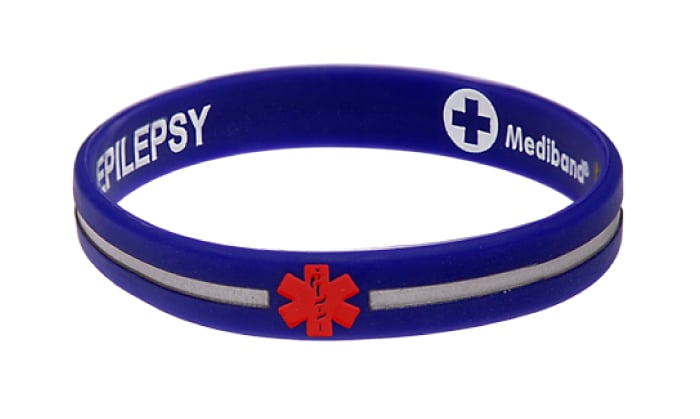
Why Epilepsy Bracelets Are More Than Jewellery
Epilepsy is one of the most common chronic neurological conditions in the world — affecting an estimated 50 million people globally. For most, with the right medication and management, daily life looks much like anyone else's. But seizures don't follow a calendar. They can happen at home, at work, in the supermarket, on a bike, in a swimming pool, in the middle of a meeting. In every one of those moments, the person with epilepsy may be unable to speak, unable to move correctly, and unable to direct the help that arrives.
That's where an epilepsy medical alert bracelet quietly does its job. It tells the next person — a stranger, a colleague, a paramedic — exactly what's happening, what to do, and what NOT to do. It's not jewellery; it's the wearer's voice when their voice is gone.
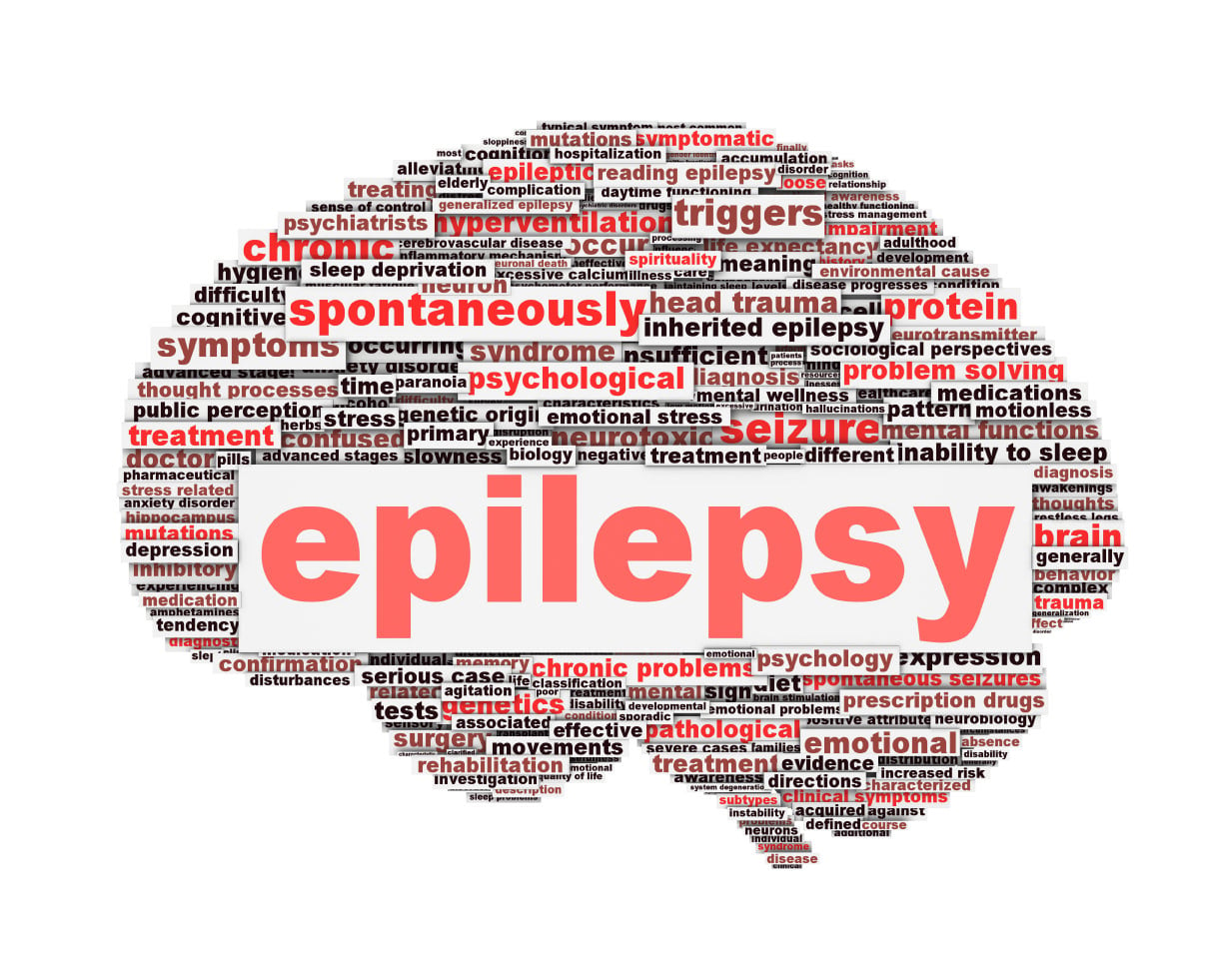
The Critical Information a Bracelet Communicates
Misunderstanding what's happening during a seizure leads to common, well-meaning mistakes. Bystanders sometimes try to restrain the person, put objects in their mouth, or move them aggressively — all of which can cause injury. A clear epilepsy bracelet shifts bystander behaviour from improvised intervention to correct first aid.
What the Bracelet Tells Responders
- This is a seizure — not a stroke, panic attack, fall, or substance reaction. The right diagnosis changes everything that follows.
- Don't restrain or move the person unless they're in immediate danger.
- Don't put anything in the mouth — a long-debunked myth that still causes injuries.
- Time the seizure — most last under 5 minutes; longer needs urgent ambulance.
- Recovery position after the seizure stops — turn on side once movement ends.
- Call the emergency contact — family member can confirm seizure history and current medications.
According to HealthDirect's epilepsy guidance, accurate first-aid response dramatically reduces seizure-related injuries. The bracelet is the first piece of information that gets that response right.
Recommended for you
Products related to this article
Hand-picked to go with what you just read.
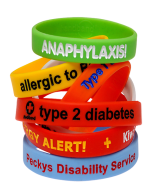
Who Benefits From Wearing an Epilepsy Bracelet
The short answer: anyone with diagnosed epilepsy. The longer answer covers some specific situations where a bracelet is non-negotiable:
Recently Diagnosed
Adjusting to life with epilepsy takes time — finding the right medication, identifying triggers, recognising aura signs. During this period of higher seizure frequency, a clear bracelet ensures responders know what they're dealing with even if family or friends aren't around.
Children with Epilepsy
Schools, sports clubs, camps, and excursions all involve adults who may not know about your child's condition. A visible bracelet plus a written care plan ensures consistent response from every adult your child interacts with.
Drug-Resistant Epilepsy
For the 30-40% of people whose seizures aren't fully controlled by medication, the bracelet is even more important — seizures may be more frequent, longer, or more severe. The combination of bracelet + smartphone medical ID + wallet card creates a strong safety net.
Athletes, Cyclists, Hikers, Swimmers
Active outdoor pursuits add risk if a seizure happens in a remote setting. The bracelet helps fellow athletes, course marshals, lifeguards, or trail-runners respond correctly. QR-coded bands link to a fuller profile for medics in remote events.
Travellers
Across countries, languages, and healthcare systems, the universal Star of Life symbol on the bracelet remains recognised. Bilingual or QR-coded bracelets bridge the language gap when needed.
What to Engrave on an Epilepsy Bracelet
Five priority fields cover the essentials:
- Wearer's name
- "EPILEPSY" alert prominently
- Seizure type if known — "Tonic-Clonic", "Focal", "Absence"
- Critical medication — "Keppra", "Tegretol", "Valproate", or specific anti-seizure med
- Emergency contact phone number
For people on rescue medications (midazolam, diazepam) used by family or first-aiders to stop prolonged seizures, add a brief instruction line: "Rescue Med – Midaz". Pair the bracelet with a wallet card carrying neurologist details, recent medication changes, and seizure pattern history.
Choosing the Right Bracelet for Daily Wear
Epilepsy bracelets are worn 24/7 — which means material, fit, and visibility all matter. Some people prefer subtle daily wear; others prefer maximum visibility. Both are valid.
Engraved Stainless Steel
Polished, durable, dressy. Ideal for adults with stable medication and seizure pattern. Engraving stays sharp for years.
Designer Reversible Purple
Purple is the recognised colour for epilepsy awareness. Reversible designs let the wearer flip between a fashion side for daily life and an alert side for clinical or risky settings.
Silicone Write-On
Best for kids, teens, and people whose medication or seizure pattern changes regularly. Cheap to replace as condition evolves.
Smart-Tech Layer
Many people with epilepsy now combine a traditional bracelet with a smartwatch's medical ID feature, a QR-coded band, or a NFC tag linking to a digital profile. The bracelet handles the universal first 30 seconds; the digital layer adds depth.
Beyond the Bracelet — Full Epilepsy Safety Plan
The bracelet is one part of a layered safety system. The full plan typically includes:
- Wallet card with full medication list, neurologist contact, recent seizure history
- School or workplace care plan co-signed by your GP or neurologist
- Smartphone Medical ID visible from the lock screen
- Family/carer training in seizure first aid and rescue medication if applicable
- Sleep, stress, and trigger management — sleep deprivation is a major seizure trigger
- Regular review with neurologist — typically every 6-12 months once stable
The bracelet is the always-on layer that protects you in the moment when everything else is out of reach.
Frequently Asked Questions
Do I really need to wear an epilepsy bracelet if my seizures are controlled?
Yes. "Controlled" doesn't mean zero risk — medication can be missed, miss-doses happen, illness can lower threshold, and breakthrough seizures occur. The bracelet costs little and protects you from being treated for the wrong condition (stroke, intoxication, panic attack) on the rare day a seizure does happen.
What's the most important information to put on an epilepsy bracelet?
Five essentials: your name, "EPILEPSY" alert, seizure type if known, critical medication, and emergency contact. For people on rescue meds (midazolam, diazepam), add a brief instruction. Pair with a wallet card carrying fuller history.
What's the right colour for an epilepsy alert bracelet?
Purple is the recognised global colour for epilepsy awareness. Many designer reversible bands use purple on the alert side. Bright neon and red bands work too — visibility matters more than specific colour. Pick a colour you'll actually wear daily.
Should children with epilepsy wear a bracelet at school?
Yes, definitely. Schools welcome epilepsy bracelets — they help teachers, casual relief teachers, sport coaches, and excursion leaders respond correctly. Pair with a school epilepsy care plan signed by your child's GP or neurologist that lists medications, seizure type, rescue plan, and emergency contacts.
Do paramedics actually look for epilepsy bracelets?
Yes — paramedics worldwide are trained to check for medical IDs on the wrist, neck, and pockets of an unresponsive patient. The Star of Life and snake-and-staff symbols are universally recognised. A clear "EPILEPSY" alert directs them to seizure-appropriate care from the first 30 seconds.

Written by
Founder, Mediband
Founder of Mediband; over 20 years providing medical IDs worldwide.

Thank you
We ship world-wide from www.mediband.com.
Hope this helps.
regards,
Michael
Thanks
Karin
Most pharmacies stock medibands, although they may not have the ones you want in stock.
Try searching for your closest pharmacy here: https://www.mediband.com/au/ustorelocator/location/map
Make sure you enter your address including state.
Otherwise, please search www.mediband.com - we're an Australian company, and ship from Sydney.
Please let me know if we can help further.
Regards,
Michael