
Australia has the highest rate of skin cancer in the world. Two in three Australians will be diagnosed with some form of skin cancer by age 70 — and most of that damage happens in childhood and the teenage years.
The good news: skin cancer is one of the most preventable cancers. The bad news: most of us still get it wrong on hot days, especially with kids. Sunscreen alone is not enough.
Here are the five evidence-based habits that keep Australian families safe through summer — and a few quick tips to make sure no one gets lost or left behind on a busy beach day.
1. Wear Broad-Spectrum SPF 50+ Sunscreen — and Reapply Properly
Most people use about a quarter of the sunscreen they should. The Cancer Council recommends:
- SPF 50+, broad-spectrum, water-resistant — on every exposed area of skin
- 20 minutes before you go outside — so it has time to bond to the skin
- Roughly 35 mL for a full adult body — a teaspoon per limb, plus front, back, and face
- Reapply every 2 hours, or after swimming, sweating, or towelling off
Skip the spray bottle for kids — you can't see how much you've actually applied. Use cream or lotion you can rub in.
2. Cover Up — Sun-Smart Clothing Beats Sunscreen Alone
Fabric is a 24-hour sunscreen that doesn't wear off. The Cancer Council's "Slip, Slop, Slap, Seek, Slide" rule still holds:
- Slip on a UPF 50+ rash shirt or long-sleeve top
- Slop on sunscreen for the bits you can't cover
- Slap on a broad-brim, legionnaires, or bucket hat — not a baseball cap (it leaves the ears and neck exposed)
- Seek shade, especially between 10am and 4pm
- Slide on wraparound sunglasses (UV 400)
For kids at the beach or pool, a UPF 50+ rash shirt with sleeves and built-in collar dramatically reduces what you have to apply — and what you have to remember to reapply.
Recommended for you
Products related to this article
Hand-picked to go with what you just read.
3. Stay Hydrated
Dehydration in the Australian summer is faster than people think. Adults should aim for around 2–3 litres of water across a hot day; more if you're exercising. Watch for warning signs in kids and elderly relatives: dark urine, headache, dizziness, nausea, dry lips, low energy.
Pack more water than you think you need. Add electrolytes for long beach days, hikes, or sporting events. Skip sugary soft drinks and energy drinks — they make dehydration worse.
4. Find or Create Shade
UV reflects off sand, water, snow, and concrete — you can still burn under a partly cloudy sky. The single best move on a beach or park day is taking a beach umbrella, a UPF-rated tent, or claiming a tree.
Plan outdoor activity for early morning (before 10am) or late afternoon (after 4pm) in summer. The middle of the day is where most damage happens.
Use the free ARPANSA UV index to plan your day — if UV is 3 or above, sun protection is needed.
5. Wear a Medical ID Outdoors — Especially with Kids
Beaches, parks, festivals, and bushwalks are the places kids most commonly get separated from their parents. They're also the places where allergic reactions to bee stings, jellyfish, and unfamiliar food are most likely.
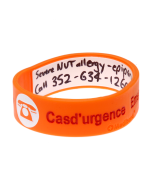
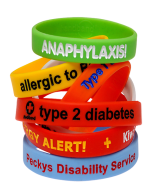
A kids' write-on travel ID bracelet with your phone number and any allergy info means a lifeguard, ranger, or stranger can reunite you in minutes — not hours.
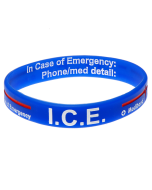
Adults with medical conditions, medication, or allergies should wear a waterproof medical alert bracelet that surf, sweat, and sand can't ruin. The ICE Reversible Write-On line is a popular choice for active outdoor families.
Sun Safety Goes With You Everywhere
Sun damage is cumulative. Every burn-free summer your kids get now lowers their lifetime skin cancer risk. Build the habits early, model them yourself, and pack the right gear.
Browse the full Mediband range for medical alert bracelets that hold up to surf, sun, sweat, and sand — or contact our team if you'd like help picking the right ID for kids or adults.
Frequently Asked Questions
How often should I reapply sunscreen on a hot day?
Every 2 hours, and immediately after swimming, sweating heavily, or towelling off — even if the bottle says "water resistant." Reapplication matters more than initial application for total protection.
Is a baseball cap good enough for sun protection?
No. Baseball caps leave the ears, neck, and lower face fully exposed — the most common spots for skin cancer. Use a broad-brim, bucket, or legionnaires-style hat for kids and adults.
Do I need sunscreen on a cloudy day in Australia?
Yes, if the UV index is 3 or above — which it usually is in Australia from September to April. Up to 80% of UV passes through cloud cover. Check the ARPANSA UV index daily.
What should I include on my child's beach-day medical ID?
Their first name, your phone number, any allergies (e.g. "Bee Sting Allergy — EpiPen in bag"), and a meeting point if you get separated. A bright, waterproof, write-on band is best.
Are all medical ID bracelets waterproof?
Most silicone Mediband models are water-resistant and fine for swimming, surfing, and showers. Stainless steel models are fully waterproof. Check the product page or ask our team if you're unsure for a specific model.

Written by
Founder, Mediband
Founder of Mediband; over 20 years providing medical IDs worldwide.
← Previous
10 Tips for Living Your Best Life: A Practical Wellness Guide (2026)
Next →
Understanding Autism in Children: Signs, Support and Safety (2026 Parent Guide)
Comment(s)