
Do you ever feel as though your life could benefit from some improvements? You're not alone. In 2024, Australia slipped down the World Happiness Rankings, with stress, sleep deprivation, and disconnection cited as the biggest drivers.
"Living your best life" doesn't mean a curated Instagram feed. It means a body that works, a mind that's quiet enough to enjoy things, and the kind of relationships that show up when life gets hard. The research on what actually moves the dial is surprisingly consistent — and surprisingly simple.
Here are 10 evidence-based tips, in roughly the order they tend to compound into the biggest difference.
1. Protect Your Sleep Like Your Life Depends on It
Because it does. Adults who consistently sleep less than 7 hours have significantly higher rates of cardiovascular disease, depression, type 2 diabetes, and early death. Sleep is the foundation everything else sits on. Same wake time every day, no screens for the last 30 minutes, cool dark room.
2. Eat Mostly Real Food
You don't need a complicated diet plan. The simplest rule: most of what you eat should look like it did when it came out of the ground or the ocean. Vegetables, legumes, fruit, whole grains, fish, eggs, nuts. Less ultra-processed food. The Australian Dietary Guidelines are a sensible starting point.
Recommended for you
Products related to this article
Hand-picked to go with what you just read.
3. Move Your Body Every Single Day
You don't need a gym membership. Walking 7,000–10,000 steps a day, plus two short strength sessions a week, beats most expensive fitness fads. Movement is the single most underrated antidepressant ever discovered.
4. Get Outside and Soak Up Some Sun (Safely)
Even 15 minutes of daylight has been linked to better mood, better sleep, and healthier vitamin D levels. Use SPF 50+ if you're out long enough to burn — Australia has the highest skin cancer rate in the world.
5. Cultivate Real Relationships
The longest-running study on human happiness, the Harvard Study of Adult Development, found one factor predicted lifelong wellbeing better than money, fame, or genes: the quality of close relationships. Call a friend. Have people over for a simple dinner. Show up for the people who show up for you.
6. Manage Stress Before It Manages You
Chronic stress increases your risk of heart disease, anxiety, and burnout. Build a daily decompression routine: a walk after work, a 5-minute breathing exercise, a hobby that has nothing to do with your job.
7. Practice Gratitude on Purpose
It sounds soft, but the research is robust. Writing down three things you're grateful for, three times a week, for eight weeks measurably reduces depression scores and improves life satisfaction. Try it before bed.
8. Keep Learning Something New
The brain rewards novelty. Learn an instrument, a language, a new sport, a new recipe. People who keep learning into their 60s and 70s have measurably lower rates of dementia and report higher life satisfaction.
9. Have a Plan for the Worst Day
"Living your best life" includes being ready for the day life throws something at you. That means a current will, an up-to-date emergency contact list, and — if you have any medical condition or medication — a way for first responders to identify it.
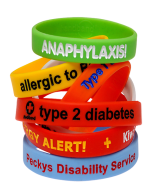
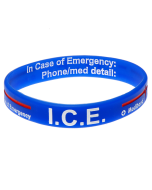
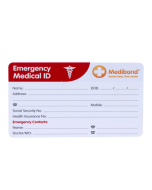
A medical alert bracelet communicates allergies, medication, conditions, and emergency contacts in seconds — even when you can't speak. A backup emergency wallet card sits in your wallet alongside your driver's licence.
10. Look After Your Health Records
Australians can use My Health Record to keep medications, allergies, immunisations, and discharge summaries in one place. Get a yearly GP review. Know your blood pressure, cholesterol, blood sugar, and BMI. You can't manage what you don't measure.
The Compounding Effect
None of these tips will transform your life on their own. But stack three or four together, run them for six months, and the change is hard to miss. Sleep, movement, real food, real friends — that's roughly 80% of "living your best life." The remaining 20% is being prepared, including for the days when something unexpected happens.
Browse our wellness blog for more practical guides, or contact our team if you want help choosing a medical ID for daily wear.
Frequently Asked Questions
How long does it take to feel the benefits of these habits?
Sleep and movement compound fastest — most people feel a difference in 2–3 weeks. Diet changes take 4–8 weeks to show in energy and mood. Relationship and stress habits compound slowly but produce the biggest long-term gains.
Do I need a medical ID if I'm generally healthy?
If you have no medical conditions, no medications, and no allergies, an ID isn't critical — but a basic one with emergency contacts is still useful in any accident scenario. The moment you start any prescription medication, develop an allergy, or get a chronic diagnosis, an ID becomes essential.
What should I write on a medical ID for general health and safety?
Your full name, an emergency contact's name and phone number, any medications, any allergies, and any conditions a paramedic would need to know in 5 seconds. Keep it brief enough to read without glasses.
Is it really worth tracking my sleep, steps, and diet?
You don't need to obsess. But tracking even loosely for a few weeks tells you where you actually stand — most people are surprised. Once you know your baseline, you can change one thing at a time and see what works for you.
How do I stay motivated to live well long-term?
Build habits that don't depend on motivation: a fixed bedtime, a daily walk built into the commute, food prep on Sundays, a friend you call every Friday. Systems beat willpower every time.

Written by
Founder, Mediband
Founder of Mediband; over 20 years providing medical IDs worldwide.
← Previous
Why you need a medical ID bracelet
Next →
5 Ways to Stay Sun Safe This Summer: An Australian Family's Guide (2026)
Comment(s)