
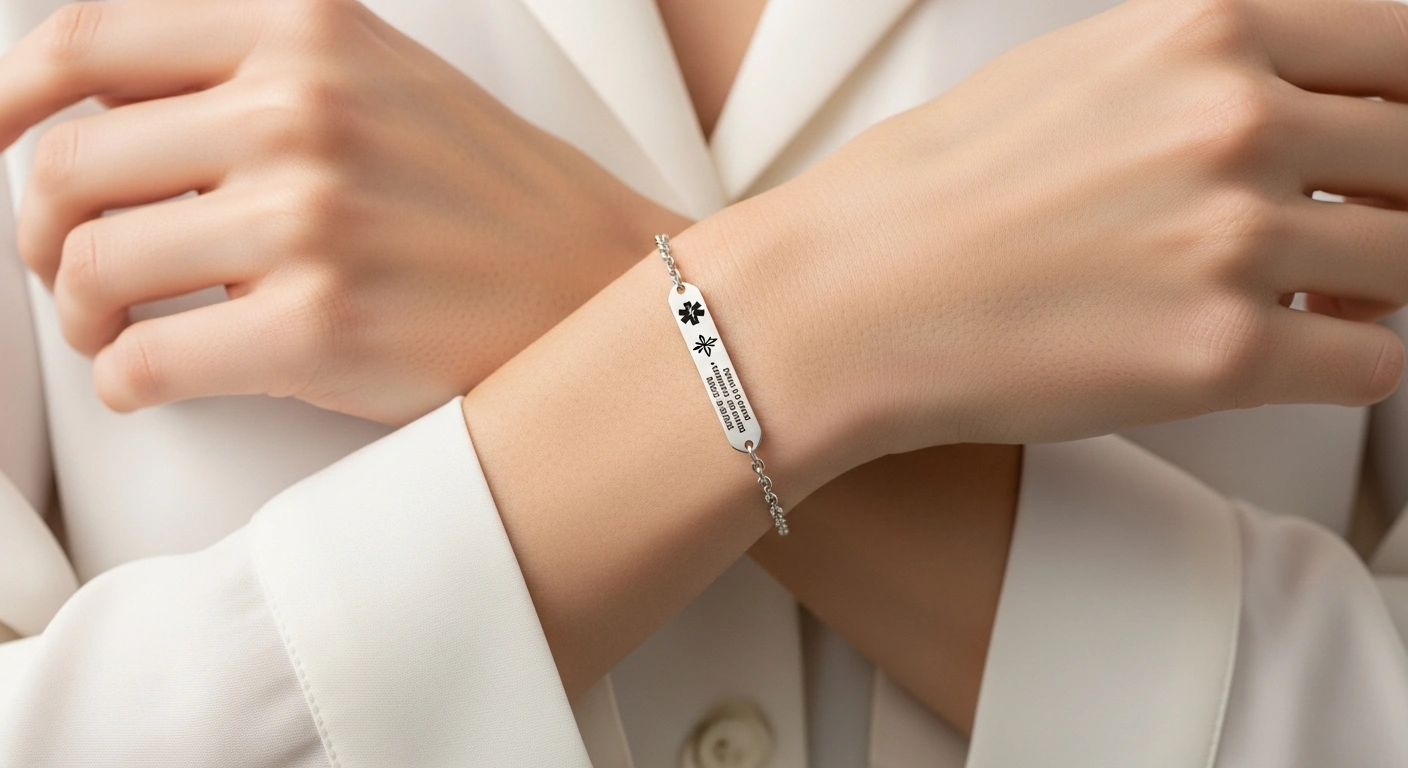
For years, medical ID bracelets had a reputation problem. They saved lives — but they looked like hospital wristbands. Parents struggled to get teens to wear them. Adults took them off before work events. The jewellery that was supposed to protect you in an emergency often sat in a drawer.
That started to change in 2012, when Kroger pharmacies in the United States began stocking a new range of stylish, customisable medical IDs — and today, Australian pharmacies, online retailers and specialists like Mediband offer dozens of designs that look like everyday jewellery while still speaking to a paramedic when it matters. This updated guide walks you through every place you can buy a medical ID in 2026, what to look for, what to engrave, and why the old "ugly hospital band" reputation is gone for good.
How Kroger Changed the Medical ID Market in 2012
Kroger — one of the US's largest supermarket chains — began stocking a new range of medical ID jewellery in partnership with Medical ID Marketplace, a Pennsylvania company founded in 2003. The retail launch mattered because, for the first time, shoppers could pick up a medical alert bracelet the same way they picked up a bottle of aspirin. Medical ID Marketplace co-founders Shelly Hope Fisher and Lisa Paige Hobyak had started the company after watching a friend's teenage daughter refuse to wear her medical alert bracelet because she thought it was ugly.
The Kroger range introduced:
- Bright rubber and mesh bands
- Crystal, bead, rope and leather designs
- Traditional engraved stainless steel
- Pendant and dog-tag options
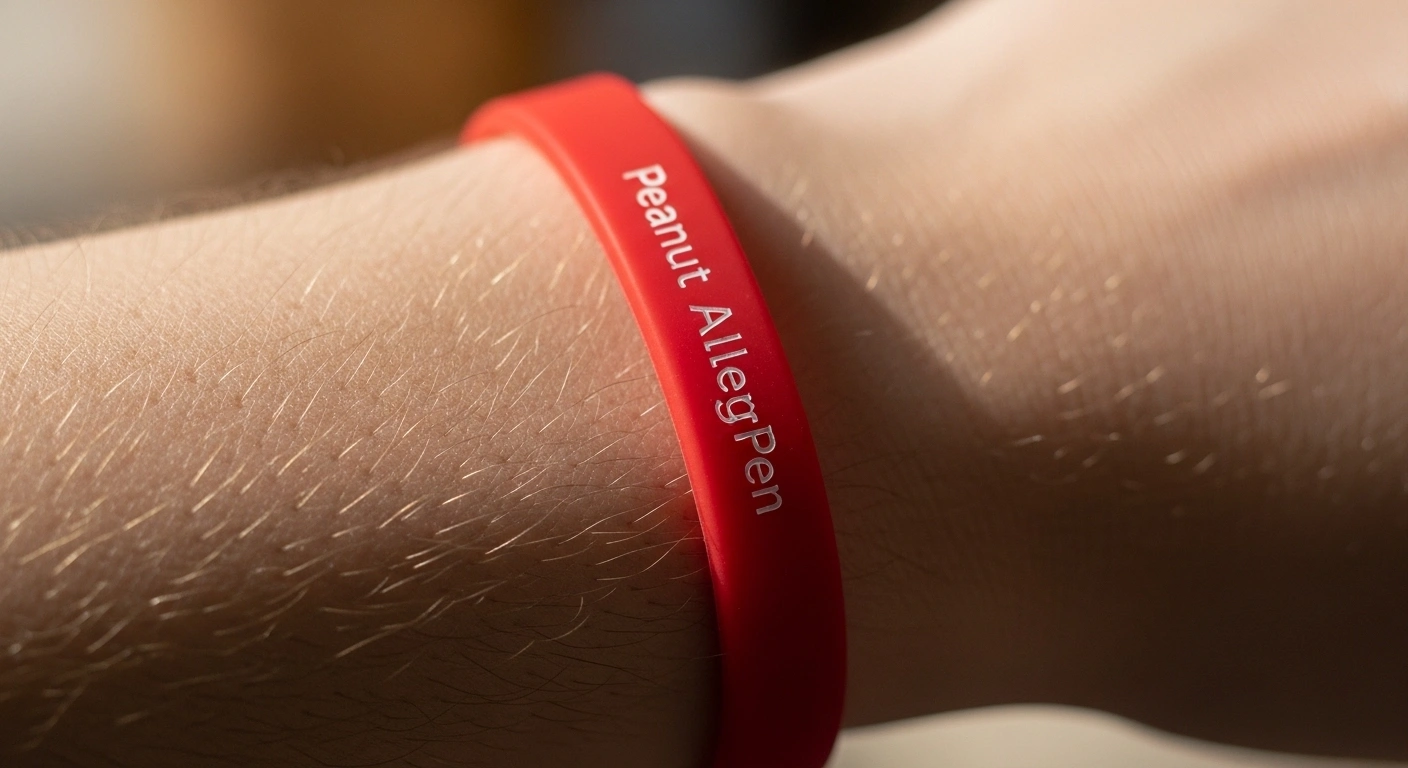
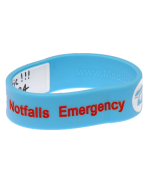
- The original "write-on" silicone bracelets — still sold today as Medibands
Medical ID Marketplace later partnered with the Ronald McDonald House Charities, Juvenile Diabetes Research Foundation, Make-A-Wish Foundation, Coca-Cola and McDonald's — proof that the "wearable, stylish medical ID" idea had found its audience.
TextID — The 2012 Idea That Became Today's QR-Code Medical IDs
Kroger's launch also introduced TextID: an optional annual subscription where a customer's full medical profile was stored in a secure online account. Each account had a PIN engraved on the bracelet, plus a phone number; a paramedic could text the PIN to the number and instantly pull the person's medications, conditions and emergency contacts.
Fast-forward to today and that same concept has evolved into QR-code medical IDs (used by many modern Medibands), NFC-chip medical bracelets that unlock a profile when tapped with a phone, and cloud services like MyHealthRecord that paramedics can access through their dispatch system. The core idea hasn't changed — your wrist is still the fastest way to tell a stranger what's wrong.
Recommended for you
Products related to this article
Hand-picked to go with what you just read.
Who Should Wear a Medical ID?
If any of the conditions below apply to you or someone you love, a medical ID isn't optional — it's a first-aid essential:
- Diabetes — Type 1, Type 2, gestational, or insulin-pump users
- Severe allergies — peanut, nut, shellfish, dairy, bee sting, drug allergies, anaphylaxis
- Asthma — especially severe or exercise-induced
- Heart conditions — arrhythmia, defibrillator, pacemaker, coronary bypass
- Epilepsy and seizure disorders
- Blood thinners — warfarin, apixaban, rivaroxaban
- Autism or communication differences — so responders know why someone may not respond to questions
- Dementia / cognitive impairment
- Kidney disease, especially on dialysis
- Rare drug allergies — such as propofol, penicillin or latex
Where to Buy a Medical ID Bracelet in Australia
Australian shoppers have more choice than Kroger shoppers ever did. The main options:
1. Major Pharmacies
Chemist Warehouse, Priceline, TerryWhite, Amcal and most independent pharmacies carry a small selection of silicone medical IDs — usually write-on or condition-specific (diabetes, allergy, epilepsy). Great for an urgent, same-day purchase. The trade-off is limited styles and sizes.
2. Specialist Online Retailers
Online shops like Mediband offer the full range — silicone write-on, pre-engraved, custom reversible, stainless steel, rose gold, kids' sizes, Fevermate fever monitors, wallet cards, dog tags and more. Most ship Australia-wide within 1–3 business days, with free engraving and free replacement-size bands during kids' growth spurts.
3. NDIS-Registered Suppliers
If your child or family member has an NDIS plan, medical ID bracelets may be fundable under "consumables" or "low-cost assistive technology." Mediband is a registered NDIS provider — ask your plan manager about adding a bracelet to your plan.
4. US Retail (Kroger, CVS, Walgreens)
If you're travelling in the US, Kroger, CVS and Walgreens all stock basic silicone and engraved medical IDs in their pharmacy sections. Useful for an emergency replacement while on holiday — but selection is limited and pricing usually higher than Australian online retailers.
5. Hospitals and Specialist Clinics
Endocrinology, cardiology and allergy clinics often have sample Medibands on display and can point you to the right style. Some Australian hospitals also hand out free basic silicone write-on bands at discharge for patients starting insulin therapy, Warfarin, or dialysis.
Types of Medical ID Bracelets (And Who They Suit)
- Silicone write-on — cheapest, easiest to update. Good for evolving conditions, kids, travel.
- Silicone pre-engraved — durable and legible. Ideal for stable, single-condition wearers.
- Reversible silicone designer — two looks, one wrist. Great for teens and anyone who wants a "going out" option.
- Stainless steel engraved — jewellery-grade, lifetime product. Best for adults who want a formal look.
- Rose gold, brass, gold — premium styles that don't look medical at all.
- Dog tags and pendants — neck-worn option for wrist-shy wearers or anyone with a wrist-heavy job.
- Wallet cards — pair with any bracelet for extra detail paramedics can scan.
- QR/NFC smart bracelets — linked to an online medical profile that can be updated anytime.
What to Engrave on Your Medical ID
Shorter is better. Paramedics scan a wrist in under 5 seconds — they don't stop to read paragraphs. The ideal pattern:
- Line 1 — primary condition. "DIABETES T1", "ANAPHYLAXIS — peanut", "EPILEPSY".
- Line 2 — first name + emergency contact. "Sarah +61 412 345 678".
- Line 3 — critical meds or devices. "Insulin pump", "Warfarin", "EpiPen", "DNR".
Write-on bands let you add longer details on the hidden inner strap — useful for "allergic to: propofol, codeine, latex" or "autism — non-verbal, may wander."
How Much Should You Expect to Pay?
Australian prices as of 2026:
- Silicone write-on bands: AU$15–25
- Pre-engraved silicone condition bands: AU$25–40
- Reversible designer silicone: AU$30–55
- Stainless steel engraved bracelets: AU$50–150
- Rose gold and premium finishes: AU$120–250
- Wallet cards: AU$10–15 (often bundled with a bracelet)
Many Medibands are covered by NDIS plans, private health fund "extras" schedules, and in some cases TAC/workcover where a medical ID is deemed clinically necessary.
Final Word — Don't Let the Bracelet Sit in a Drawer
Whether you buy it at Kroger in the US, Chemist Warehouse in Australia or directly from Mediband, the best medical ID bracelet is the one you actually wear. A drawer full of them protects nobody. Pick one you like, wear it daily, update the engraving when your condition changes, and tell the people closest to you where it is and what it means.
Worry less. Live more.
Frequently Asked Questions
Does Kroger sell medical alert bracelets?
Yes — US Kroger pharmacies have stocked medical alert bracelets since 2012, originally through the Medical ID Marketplace range. Most Kroger stores carry basic silicone and stainless steel options; more specialised or custom-engraved bracelets are usually ordered online.
Where can I buy a medical ID bracelet in Australia?
In Australia, medical IDs are available at most major pharmacies (Chemist Warehouse, Priceline, TerryWhite), through NDIS-registered suppliers, online retailers like Mediband, and at hospital gift shops. Online specialists usually offer the widest range of styles, engraving options and condition-specific designs.
What is a "write-on" Mediband?
A write-on Mediband is a food-grade silicone bracelet with a white writing surface on the inside. You write your name, condition and emergency details with a permanent marker, then heat-set the ink by dipping the strap in boiling water for 30 seconds. The result is a durable, personalised medical ID that can be updated if your details change.
How much does a medical ID bracelet cost?
Silicone write-on bracelets start around AU$15–25. Pre-engraved silicone condition bracelets are typically AU$25–40. Stainless steel engraved bracelets range from AU$50 to AU$150 depending on finish. Designer reversible and rose-gold pieces can run higher. Medibands are covered by many NDIS and private health plans.
What should I engrave on a medical ID bracelet?
Keep it short and scannable: primary condition (e.g. "Diabetes Type 1", "Anaphylaxis — peanut"), first name, emergency contact number, and any critical medication or device (e.g. "insulin pump", "EpiPen"). Paramedics read wrists in under 5 seconds, so brevity beats thoroughness.
Can You Buy Medical Alert Bracelets at Chemist Warehouse or Priceline?
Availability at chemists varies by store and is often limited to generic, non-engraved bands. For a medical alert bracelet with your own conditions, medications and emergency contacts engraved, most Australians order direct: Mediband has made medical IDs in Australia since 2004, with engraved medical alert bracelets in silicone and stainless steel, kids to adult sizes, shipped Australia-wide.
Do chemists sell engraved medical alert bracelets?
Generally no — pharmacy stock is usually blank or pre-printed. Engraving with your specific conditions and contacts is done by specialist suppliers like Mediband.

Written by
Founder, Mediband
Founder of Mediband; over 20 years providing medical IDs worldwide.
← Previous
Ashleigh's Story: How a Mediband Saved Her Life After Epilepsy & Propofol Allergy
Next →
Health News Roundup: 6 Australian Updates Worth Knowing
1 Comment(s)
Bettye Harrison
Mar 28, 2022 15:11
Is it possible to have more than two alerts on bracelets