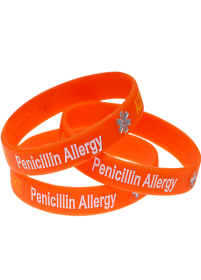
Some medical ID stories are about "just in case". Ashleigh's isn't. Hers is a story of waking up from a three-week induced coma after a near-fatal allergic reaction — and realising that the small piece of silicone on her wrist was now the single thing standing between her and another life-threatening emergency.
When we launched our quarterly testimonial competition, Ashleigh's submission stood out immediately. She was 21, from Queensland, and had been through an ordeal most of us can barely imagine. We wanted to share her story in full — not because she won an iPod Shuffle (she did), but because every person with epilepsy, a drug allergy, or any life-threatening condition needs to hear it.
Ashleigh's Story — In Her Own Words
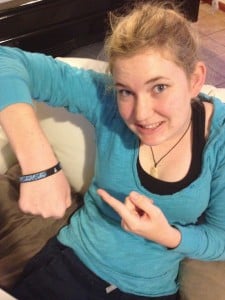
"My name's Ash, I'm 21 years old, I recently just purchased a Mediband — I suffer from epilepsy since 2009 and refused to wear a medical band as I thought the shop one was so ugly! But just 5 months ago epilepsy nearly took my life and put me in a coma for 3 weeks. The drug keeping me asleep, propofol (I had an allergic reaction to 1 in 10,000), gave me a 2% chance to survive — normally killing within 24 hours.
I suffered a heart attack, kidney failure and rhabdomyolysis (all my muscles wasted away from the drug), and doctors now tell me that I MUST wear a Mediband informing people of this allergy, as next time I won't be so lucky. So now that I found this website, I was able to design 2 funky looking bracelets — one for epilepsy and one for propofol — and the best thing is, so many people have commented on how cool they look. So thank you, I definitely have told others about this site."
Ashleigh's story is hard to read and harder to forget. It's also an almost textbook case of why custom medical ID jewellery saves lives.
Why a Medical ID Actually Saved Ashleigh's Life
Most people don't realise how many invisible details sit behind every emergency response. When paramedics arrive, they have seconds — not minutes — to make decisions. Two of the most dangerous gaps in those seconds are:
- Unknown seizure history. Epilepsy changes the drugs paramedics can safely administer, the oxygen they need, and whether to restrain, protect or transport immediately.
- Unknown drug allergies. Propofol is used routinely in emergency sedation and anaesthesia. Administered to someone with Ashleigh's allergy, it can cause a cascade of organ failure within minutes.
A Mediband on the wrist flips both unknowns into knowns. It turns a chaotic scene into a checklist. It tells paramedics: this person is allergic to propofol, has epilepsy, and her emergency contact is on her wrist. No guessing, no assumptions, no missed detail.
Recommended for you
Products related to this article
Hand-picked to go with what you just read.
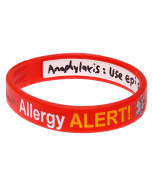
When You Should Always Wear a Medical ID Bracelet
Ashleigh's story highlights two conditions that are common enough that every Australian first responder will recognise them, but serious enough that missing them can be fatal. She is far from alone. A medical ID is considered essential for anyone living with:
- Epilepsy — especially if seizures are frequent or recently diagnosed.
- Drug allergies — penicillin, sulfa drugs, codeine, propofol, and anaesthetic reactions.
- Food allergies — nut, shellfish, dairy, egg and anaphylactic triggers.
- Diabetes — both Type 1 and Type 2, especially if insulin-dependent.
- Heart conditions — arrhythmias, pacemaker recipients, congenital defects.
- Blood thinners — warfarin, apixaban, rivaroxaban and other anticoagulants.
- Asthma — particularly severe or exercise-induced asthma.
- Autism or non-verbal communication differences — so emergency crews know why someone may not respond to questions.
If any of those sound like you or someone you love, don't wait for a near-miss like Ashleigh's to be convinced. Browse our epilepsy medical bracelets, allergy alert bracelets, or our full custom silicone range to find something you'll actually enjoy wearing.
Designing a Medical ID You'll Actually Wear
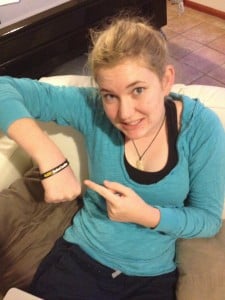
Ashleigh's comment cuts to the heart of why so many people refuse medical IDs: "I thought the shop one was so ugly." A bracelet that sits in a drawer saves nobody. That's why we designed Mediband around the idea that medical ID should look like something you'd actually want to wear.
Here's what Ashleigh had to choose from — and what's available to you:
- Reversible silicone bracelets — two looks in one, perfect for people who want to swap between subtle and bold.
- Write-on bands — add your name, condition and emergency contact directly onto the bracelet in permanent marker. Ideal for rare allergies (like propofol) that aren't pre-engraved on stock designs.
- Custom engraved stainless steel — a polished, durable, jewellery-style option for people who want their medical ID to look like a piece of fashion.
- Rose gold and gold plated — premium finishes that don't look medical at all.
- Kids "Growing Up Healthy" packs — multiple sizes so the bracelet grows with your child.
Ashleigh chose two reversible designs. Dozens of customers have since told us they did the same — one for everyday wear, one for going out.
Tips for First-Time Medical ID Wearers
If you're about to buy your first medical ID bracelet — whether for epilepsy, a drug allergy, diabetes or something else — here are the things we wish every new customer knew:
- Lead with your most dangerous condition. Put the thing that most changes emergency treatment first on the line.
- Use short, clinical terms. "Epilepsy" not "seizure history". "Propofol allergy" not "bad reaction to anaesthesia".
- Include an ICE (In Case of Emergency) number. One phone number on the strap saves paramedics minutes.
- Wear it on your dominant wrist. Paramedics check the left wrist first, then the right — either works, just be consistent.
- Own a backup. Silicone bands last years but accidents happen. A second bracelet means you're never caught without one.
- Tell the people closest to you. Partners, flatmates, colleagues. A medical ID works best when the people around you know to point it out.
A Final Word from the Team
Every quarter we read through dozens of customer testimonials, and every quarter we're reminded how much weight a tiny strip of silicone can carry. Ashleigh's story is the one we'll remember longest — not because it's dramatic, but because it's so specific. A 1-in-10,000 allergic reaction. Three weeks in an induced coma. A 2% chance to survive. A doctor standing over her bed saying you must wear a Mediband.
If you've been putting it off — because the shop version looked "ugly", because you didn't think your condition was serious enough, because you didn't want to be labelled — we hope Ashleigh's story changes your mind. Design one you'll actually wear. Keep it on. And tell someone.
Worry less. Live more.
Congratulations to Ashleigh from all of us at the Mediband Team — we all wish you a long and healthy life ahead.
Frequently Asked Questions
Do I really need a medical ID bracelet if I only have one condition?
Yes — even one condition can change the treatment you receive in an emergency. Paramedics are trained to look for medical IDs within the first 10 seconds of arriving on scene. A single engraved line can prevent a dangerous drug interaction or a misdiagnosis, as Ashleigh's story shows.
Can a medical bracelet list a drug allergy like propofol?
Absolutely. Rare drug allergies are exactly why write-on and custom-engraved bracelets exist. Because medications like propofol are only used under anaesthesia, most people aren't aware of their allergy until a reaction occurs. A Mediband with "Propofol allergy" printed clearly can stop a hospital from administering it again.
Will a silicone bracelet look too casual for everyday wear?
Modern silicone Medibands come in bold, reversible and custom designs that look like fashion accessories rather than hospital bands. Ashleigh specifically chose two "funky" designs that people complimented her on — proof that practical safety and personal style aren't opposites.
What information should I put on my medical ID?
Include your primary condition (e.g. "Epilepsy"), any critical allergies (e.g. "Allergic to propofol"), your first name, and an emergency contact phone number. Keep it short and legible — paramedics scan, they don't read essays.
How do I choose between engraved and write-on bracelets?
Choose engraved stainless steel for a permanent, durable, jewellery-style ID. Choose write-on silicone if your condition or medication might change, or if you travel and want to update details quickly. Many customers, like Ashleigh, own one of each.

Written by
Founder, Mediband
Founder of Mediband; over 20 years providing medical IDs worldwide.
← Previous
How Medical ID Bracelets Save Kids' Lives in Emergencies
Next →
Where to Buy Medical ID Bracelets: Kroger, Pharmacies & Online (Australia & US Guide)
Comment(s)