

By Michael Randall, Founder, Mediband · Updated 10 June 2026 · 9 min read
Australian health news moves quickly — what was best practice last year may already be outdated. This roundup distils six of the most important updates from 2024-2026 into plain English, and shows how a current medical ID bracelet keeps your family protected as the science evolves.
Each section flags the practical action: what to ask your GP, what to update on a write-on bracelet, what to file with the school nurse or aged-care provider. Twenty minutes of reading saves hours later.
Why staying current with Australian health news matters
The Australian Institute of Health and Welfare publishes biennial reports showing roughly 1 in 5 emergency presentations could have been managed better with up-to-date medical information. Outdated allergy lists, expired EpiPens and unrecorded condition changes all cost crucial response seconds.
A simple six-month audit — pair it with daylight saving — keeps your bracelet, family plan and GP records aligned with the latest evidence.
6 Australian health news updates worth knowing
1. RSV immunisation added to the National Immunisation Program
From 2024, free RSV (respiratory syncytial virus) immunisation is available for at-risk infants and pregnant women in their third trimester. Talk to your GP about eligibility — protection passes from mother to baby through the placenta.
2. Anaphylaxis Action Plan revised — 2023 ASCIA update
The 0.3 mg adrenaline auto-injector is now consistently recommended for adults and children weighing 50 kg+. Positioning guidance updated. Refresh school records and double-check your EpiPen expiry every six months.
3. Type 2 diabetes remission formally recognised
RACGP and Diabetes Australia now formally recognise Type 2 diabetes remission via sustained 10–15 kg weight loss. Ask your GP about structured low-calorie protocols.
4. Telehealth Medicare rebates now permanent
Telehealth GP consultations remain a permanent Medicare item. Great for medication reviews, mental-health follow-ups and updating medical-ID information without a clinic visit.
5. Bowel cancer screening age dropped to 45
The National Bowel Cancer Screening Program now invites Australians from age 45 (was 50). Free home test kit every two years. Don't skip — 90% curable when caught early.
6. AI skin-check apps approved as TGA Class IIa medical devices
Several AI-assisted skin check apps are now approved as Class IIa medical devices. Useful for triage but not a replacement for in-person dermatology, especially in high-UV Australian summers.

Recommended for you
Products related to this article
Hand-picked to go with what you just read.

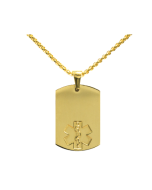

Building a six-month health-news routine that fits busy lives
Step 1: Subscribe to one trusted source
HealthDirect Australia is government-funded, plain-English and free. One 20-minute scan every quarter is enough to catch most policy and clinical updates.
Step 2: Schedule the annual GP review
Same week each year (birthday week works). Bring the current medical-ID text, ask about any new immunisation eligibility, refresh allergy status. Most GPs welcome a short checklist visit.
Step 3: Audit the bracelet text
Wipe with isopropyl alcohol, rewrite with permanent fine-point. Replace any silicone band that's cracked or sun-bleached (3-5 year lifespan).
Step 4: Update school and workplace records
Anaphylaxis plans, asthma plans and chronic-condition flags all live in multiple places. The bracelet covers the moment; the plan covers the day-to-day.
What to put on the medical ID as health news evolves
- Name + date of birth — speeds up hospital admission
- Primary condition — Anaphylaxis: peanuts, Type 1 Diabetes, Asthma, Epilepsy
- Key medication — insulin dependency, anticoagulant warning, EpiPen prescribed
- Emergency contact — phone number a first responder can reach in seconds
Reversible write-on bracelets keep details inside, blank style outside. Premium SS dog tags engrave permanently — choose by lifestyle.
Partnering with Australian health authorities
- HealthDirect Australia — government-funded plain-English health library
- Australian Government Department of Health — policy + immunisation updates
- RACGP — general practice clinical guidelines
- Diabetes Australia — NDSS subsidies + research news
- Allergy & Anaphylaxis Australia — ASCIA action plans
- Cancer Council — screening + sun safety

Twenty minutes a quarter, lifelong safety
Health news only matters if it changes behaviour. Subscribe to one source. Diarise the GP visit. Audit the bracelet. Twenty minutes every three months and the family stays current as evidence evolves.
Frequently Asked Questions
Where is the most trusted source for Australian health news?
HealthDirect Australia (government-funded) for plain-English summaries, the Department of Health for policy, and the RACGP for clinical guidelines. ABC Health & Wellbeing also reliable with primary-source citations.
How often should I update the information on my medical ID?
Audit twice a year — daylight-saving prompts work well. Update immediately after any new diagnosis, medication change or allergy identification.
Has the Australian immunisation schedule changed recently?
Yes — RSV immunisation for at-risk infants was added in 2024, and meningococcal B coverage expanded for Aboriginal and Torres Strait Islander children. Speak with your GP.
Is the bowel cancer screening age really 45 now?
Yes — the National Bowel Cancer Screening Program lowered the invitation age from 50 to 45. Free home test kit posted every two years.
Can Type 2 diabetes really go into remission?
Yes — sustained 10-15 kg weight loss can put Type 2 diabetes into remission. RACGP and Diabetes Australia now formally recognise this clinical outcome.
Are AI skin-check apps reliable enough to skip the dermatologist?
No — they're useful for triage but not a replacement for in-person dermatology. Use them as a first scan; book a GP or dermatologist for anything flagged or suspicious.
What's the simplest way to keep up without information overload?
20 minutes scanning HealthDirect every three months. Add a six-monthly bracelet refresh and an annual GP visit. That's the whole routine.

Written by
Founder, Mediband
Founder of Mediband; over 20 years providing medical IDs worldwide.
← Previous
Where to Buy Medical ID Bracelets: Kroger, Pharmacies & Online (Australia & US Guide)
Next →
How Stress Affects Your Heart Health: What the Research Says — and What to Do About It
Comment(s)