
Medical ID bracelets for heart conditions and blood thinners
If you take a blood thinner or live with a heart condition, a medical alert bracelet tells responders the one thing that changes emergency care: that you are on an anticoagulant, and why.
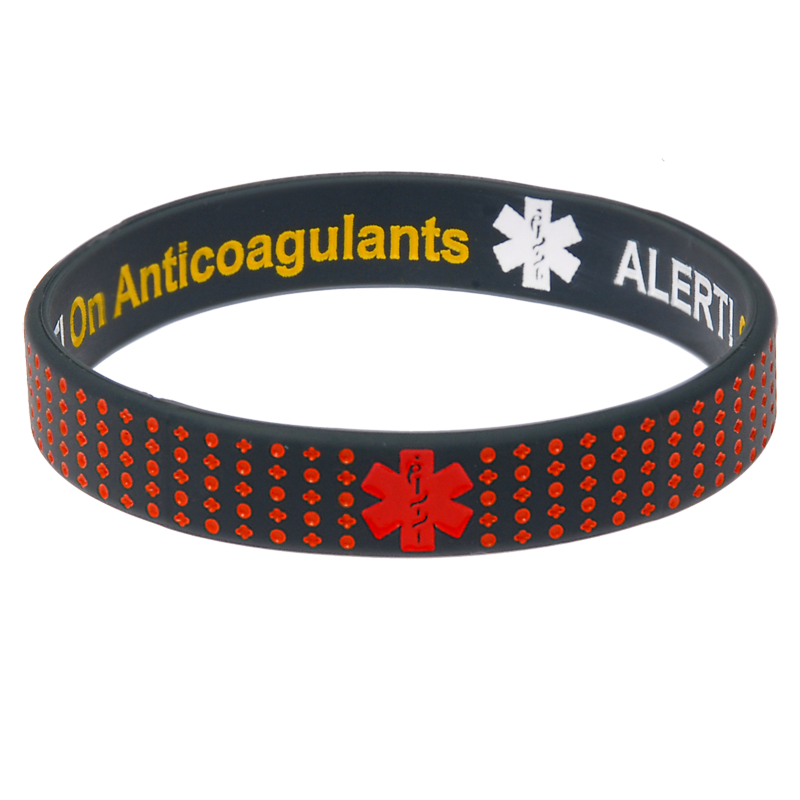
Quick answer
A heart-condition or blood-thinner medical alert bracelet flags the details that change emergency treatment — a condition such as atrial fibrillation or heart failure, and especially an anticoagulant (warfarin, apixaban, rivaroxaban or dabigatran), which raises bleeding risk and affects how responders manage trauma and surgery. Engrave the condition and the medication clearly; a Mediband ID is a one-off purchase, engraved to order and designed in Australia, with NDIS-registered options.
Who a heart or blood-thinner medical ID is for
A medical alert bracelet helps if you live with, or take medication for, a cardiac condition — including:
- Atrial fibrillation (AF) and other arrhythmias — often managed with an anticoagulant.
- Heart failure and other chronic heart conditions.
- People taking a blood thinner / anticoagulant — warfarin, apixaban, rivaroxaban or dabigatran — for any reason, including after a clot (DVT/PE) or stroke.
- People with an implanted device — for pacemaker and ICD wearers, see the dedicated pacemaker medical ID hub.
Blood thinner and anticoagulant alert bracelets
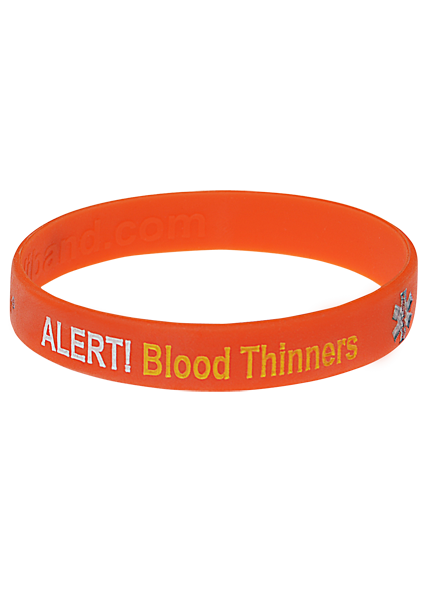
Anticoagulants are the single most important thing for a first responder to know in a cardiac or trauma emergency. They raise bleeding risk, so they change how a patient is managed after a fall, accident or before emergency surgery. If you cannot speak, an engraved bracelet states it immediately — for example "ON WARFARIN — HIGH BLEED RISK" or "ON ANTICOAGULANTS".
Shop anticoagulant & heart medical IDs →
In a bleed or a collapse, knowing you are on an anticoagulant can change the first treatment decision. An engraved medical ID says it before anyone can ask.
Heart conditions: AF, heart failure and more
Beyond the medication, the underlying condition matters too. Atrial fibrillation can mimic or complicate other emergencies; heart failure affects fluid and medication decisions. Engraving the condition — "ATRIAL FIBRILLATION", "HEART FAILURE", "AFIB / ON APIXABAN" — gives responders context in seconds and points them to the right treatment path.
Stroke survivors and TIA
After a stroke or transient ischaemic attack (TIA, sometimes called a mini-stroke), two things matter to responders: the history of stroke, and any anticoagulant taken to lower the risk of another. A stroke can also affect speech — so a person may be unable to explain their history in an emergency, which is exactly when an engraved medical ID speaks for them. Engrave "STROKE" or "TIA", the anticoagulant if one is prescribed (the section above applies), and an ICE contact.
What to engrave on a heart or blood-thinner medical ID
Lead with the medication and condition, then an emergency contact. Keep it short and use recognised terms:
- The anticoagulant by name — e.g. "ON WARFARIN", "ON APIXABAN".
- The condition — e.g. "ATRIAL FIBRILLATION", "HEART FAILURE".
- A bleed-risk flag if relevant — "HIGH BLEED RISK".
- An ICE (in case of emergency) contact number.
For the abbreviations responders recognise, see our guide to medical ID abbreviations, and make sure the band fits where it will be seen with our wrist-sizing guide. New to anticoagulants? Our blood thinners guide explains the basics.
NDIS: Mediband is an NDIS-registered provider (4050021192). Medical IDs may be claimable for eligible participants — see NDIS funding for medical IDs.
Designed in Australia•
NDIS-registered•
4.9★ verified customer rating•
Engraved to order, no membership
Related medical IDs and guides
- All medical alert bracelets
- Pacemaker & ICD medical ID bracelets
- New to blood thinners: what you need to know
- Diabetes medical ID bracelets
- What to engrave: medical ID abbreviations
- Do paramedics check a medical ID?
Heart & blood-thinner medical ID FAQs
Should I wear a medical alert bracelet if I take blood thinners?
It is widely recommended. Anticoagulants raise bleeding risk, which changes how responders manage trauma and emergency surgery. A bracelet engraved "ON WARFARIN" or "ON ANTICOAGULANTS" flags this immediately if you cannot speak.
What should I engrave if I have atrial fibrillation?
Engrave the condition and your anticoagulant, for example "ATRIAL FIBRILLATION / ON APIXABAN", plus an ICE contact number. Lead with the medication, as it most affects emergency treatment.
Which blood thinners should be flagged on a medical ID?
Any anticoagulant — warfarin, apixaban, rivaroxaban or dabigatran — should be engraved. Use the medication name; if space allows, add "HIGH BLEED RISK".
Should a stroke survivor wear a medical alert bracelet?
Yes. It flags the stroke or TIA history and any anticoagulant, and it speaks for someone whose speech has been affected. Engrave "STROKE" or "TIA", the medication if prescribed, and an ICE contact.
I have a pacemaker — is this the right page?
For implanted devices, see our dedicated pacemaker and ICD medical ID hub. If you also take an anticoagulant, engrave both.
About this guide. Mediband has designed engraved medical IDs in Australia since 2004 and is an NDIS-registered provider (4050021192). This page is general information, not medical advice; engrave details in consultation with your prescriber, and follow their guidance on your condition and medication.