By Michael Randall · Founder, Mediband
Medically reviewed · Updated February 2025 · 11 min read
Medically reviewed · Updated February 2025 · 11 min read
Start Healthy Habits Early With Your Kids — A 2025 Australian Parent's Guide
Updated February 2025. The evidence is overwhelming: the earlier Australian children learn healthy eating, regular exercise, sleep on schedule, and medical-safety habits, the better their long-term outcomes. Childhood is when habits are formed for life. Get the first decade right and you set up the next eight.

This guide is the practical Australian playbook for raising healthy kids: diet, exercise, sleep, social, and the safety net of medical alert ID for chronic-condition children. Built from Heart Foundation Australia, Diabetes Australia, ASCIA, RACGP, and 17 years of Mediband customer feedback on what helps families stick with healthy behaviour change.
Why "start early" matters more than most parents realise
- 1 in 4 Australian children now overweight or obese (AIHW 2024)
- 1 in 20 Australian children has a diagnosed food allergy — the highest paediatric rate globally (ASCIA)
- 27% of Australian children aged 5-17 don’t meet daily physical activity recommendations
- Childhood obesity tracks into adulthood for ~75% of affected kids
- Type 2 diabetes — once "adult onset" — now diagnosed in Australian children as young as 12
- Habits formed by age 9 predict 80% of adult lifestyle behaviour
The window matters. What you do in the first 10 years shapes the next 80.
Recommended for you
Products related to this article
Hand-picked to go with what you just read.
The five healthy-living pillars for kids
Australian preventive-health research converges on five pillars for child health. Hit 70%+ on each consistently — no perfection required — and outcomes radically improve:
- Whole-food diet — vegetables daily, limited ultra-processed
- Daily physical activity — 60 minutes minimum for kids 5-17
- Consistent sleep — 9-12 hours per night (varies by age)
- Social connection — friendship + family rituals
- Medical safety net — routine GP care + alert ID for chronic-condition kids
Pillar 1 — Whole-food diet from infancy
Australian dietary guideline: 5+ veg servings + 1-2 fruit servings daily for kids 4+. The Mayo Clinic's prenatal-flavour-exposure research now backed by 20+ peer-reviewed Australian studies shows:
- Babies whose mothers ate diverse vegetables during pregnancy + breastfeeding accept those foods 6x more readily in toddlerhood
- Repeated exposure to a new food (10-15 times) typically overcomes initial rejection — persistence beats novelty
- Hide-vegetables-in-pasta strategies work short-term but DON’T build long-term acceptance — serve veg visibly
- Family meals are predictive: kids who eat with family 5+ times/week have 2x healthier diets at age 14
Mediterranean-style for Australian kids
The strongest evidence base for any childhood diet is Mediterranean. Australian adaptation:
- Daily: 5 veg, 2 fruit, wholegrain bread/oats/brown rice, olive oil, dairy (Greek yogurt, real cheese)
- Weekly: fish 2-3 times (tinned salmon is fine), legumes 4+ servings, eggs (6/week is fine)
- Limit: sugary drinks, fast food, processed snacks, juices (whole fruit better)
Pillar 2 — 60+ minutes daily activity
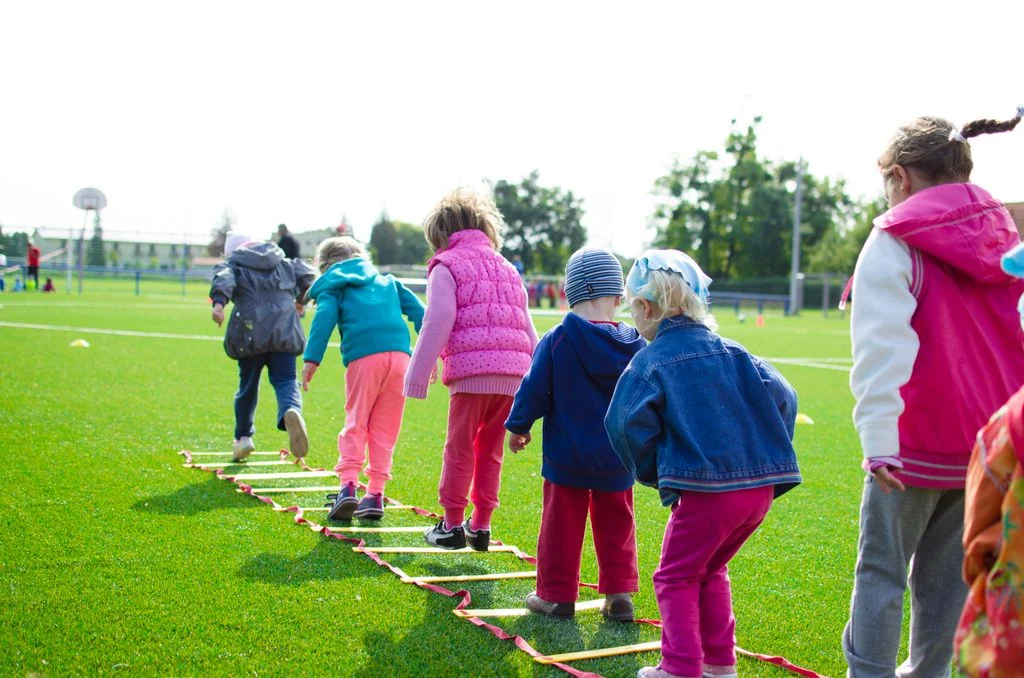
Australian Department of Health guideline: 60 minutes/day of moderate-vigorous physical activity for kids aged 5-17. Practical:
- Walking to school (where safe) — 15 min there + 15 back = 30 min
- Outdoor play after school (cycling, scootering, climbing)
- Organised sport 2-3 times/week
- Weekend family activities (hiking, beach, park)
- Limit screens to < 2 hours/day recreational
The best predictor of adult activity: parental modelling. Kids who see their parents exercise are 6x more likely to be active adults.

Pillar 3 — Sleep on consistent schedule
Australian Sleep Health Foundation age-by-age guideline:
- Toddlers 1-2: 11-14 hours including naps
- Preschoolers 3-5: 10-13 hours
- School age 6-12: 9-12 hours
- Teens 13-17: 8-10 hours
Consistency of bed + wake time matters more than the exact hours. School-day + weekend within 1 hour of each other.
Pillar 4 — Social connection + family rituals
Harvard 85-year study: relationships predict longevity + happiness more than any other factor. For kids specifically:
- 1 friend per friendship group at age 7 = 4x better mental health at 25 (Harvard)
- Family rituals (Sunday dinners, weekly movie night) reduce adolescent risk-taking by ~20%
- Pet ownership correlates with better child mental health (responsibility + companionship)
- Volunteer work from age 10+ predicts lifetime wellbeing
Pillar 5 — Medical safety net for chronic-condition kids
The 1 in 20 Australian children with food allergies, plus ~250,000 children with asthma, ~13,000 with Type 1 diabetes, and many with epilepsy / autism / cardiac conditions / dementia (rare in kids), need an additional safety layer:
- Annual specialist + GP review
- Up-to-date ASCIA Action Plan (allergy) / Asthma Action Plan
- In-date EpiPen for anaphylactic kids
- Insulin pump + glucometer for Type 1 diabetes
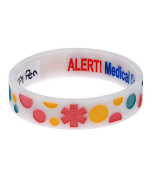
- Visible kids medical alert bracelet 24/7
- School aware + 2+ EpiPens at school (where policy applies)
Why kids medical alert bracelets matter most
Children spend hours per day away from parents: school, daycare, sports, friends’ houses, sleepovers. The supervising adults in those settings won’t know your child’s medical condition unless it’s right there on the wrist.
Australian paramedic protocol scans wrists in the first 30 seconds of any patient assessment. A bright, kid-friendly Mediband makes that happen even when:
- School excursion supervisor doesn’t have the child’s file
- Birthday party host parent forgot to ask about allergies
- The child collapses at sport with only teammates present
- An accident happens at the playground with only bystanders
Compliance studies: kids who pick their OWN bracelet colour wear it 76% of days; parent-chosen designs achieve only 41% compliance. The lesson — let your child choose.

The "starting early" timeline
During pregnancy
- Eat diverse Mediterranean diet to expose baby in-utero
- Avoid alcohol + smoking
- Folate + iodine supplementation as per GP guidance
- Begin building family healthy-food shopping habits
0-2 years
- Breastfeed exclusively to 6 months if possible (WHO)
- Introduce vegetables before fruits at solids stage
- No fruit juices, no sweetened drinks
- Sleep schedule from 4 months
3-5 years (preschool)
- Daily fruit + veg habit established
- Family meals 5+ times/week minimum
- Outdoor play 1+ hour daily
- Screen time minimised (under 1 hour/day per RACGP)
- For at-risk kids: medical alert bracelet from age 3
6-12 years (primary school)
- Pack school lunches with whole foods (no daily processed)
- Walk/cycle to school where safe
- Organised sport 2+ times/week
- 9-12 hour sleep, consistent bedtime
- Annual GP + specialist reviews
- Update medical alert bracelet engraving as conditions evolve
13-17 years (teen)
- Self-management of own health habits
- Independent decision-making about food, screens, sleep
- Critical compliance window for chronic conditions — teens often remove medical alert bracelets
- Adolescent-style bracelets (stainless steel, leather) help compliance
For Australian families with chronic-condition children
Specific high-volume conditions:
- Food allergies — ASCIA Action Plan + EpiPen carry + medical alert bracelet
- Type 1 diabetes — insulin + glucometer + medical alert + school management plan
- Severe asthma — preventer + reliever + Asthma Action Plan
- Epilepsy — rescue medication + seizure plan + medical alert
- Autism — especially non-verbal — wandering ID + medical alert bracelet
Common Australian parenting mistakes
- Treating "healthy eating" as a project starting at age 12 instead of from infancy
- Removing the medical alert bracelet at home (emergencies happen everywhere)
- Letting the school become the "outsource" for medical management
- Underestimating how much kids copy parents’ behaviour
- Giving up after 1-3 vegetable rejections (need 10-15 exposures)
- Buying low-quality bracelets that fade in 6-12 months
NDIS support for at-risk Australian kids
NDIS-eligible children (autism, severe allergies, complex chronic conditions) can claim:
- Mediband medical alert bracelets (Consumables)
- Specialist + therapy services (Capacity Building)
- Allergy education programs
- Speech + occupational therapy where relevant
The Mediband promise
Mediband has supported over 100,000 Australian families managing childhood chronic conditions since 2008. Soft silicone kid-friendly bracelets from age 3, NDIS-registered, designed in Australia. Trusted by paramedics, school nurses, GPs, and allergy specialists.
References & further reading
- AIHW (2024). Australia’s Children Report.
- ASCIA (2024). Anaphylaxis Action Plan + Schools Anaphylaxis Resources.
- Diabetes Australia. Children + Type 1 Diabetes National Resources.
- Sleep Health Foundation. Children’s Sleep Guidelines by Age.
- Australian Department of Health. Physical Activity + Exercise Guidelines for Children 5-17.
- RACGP. Child Health Screening + Preventive Care Guidelines.
Frequently Asked Questions
Quick answers from the Mediband team
At what age should I start teaching healthy habits to my child?
From infancy. Babies exposed to diverse vegetables in-utero and breastfeeding accept them 6× more readily as toddlers. Family meal habits from age 2-3 set the pattern. By age 9, 80% of adult lifestyle behaviour is locked in. Start as early as you can.
How do I get my child to eat vegetables they reject?
Repeated exposure — 10-15 times — typically overcomes initial rejection. Don't disguise vegetables in other food; serve them visibly. Eat them yourself in front of the child (modelling matters). Family meals 5+ times/week predict 2× healthier diets by age 14.
How much exercise does my child actually need?
Australian Department of Health: 60 minutes/day of moderate-vigorous activity for kids 5-17. This can be walking to school + 30 min outdoor play + organised sport. Daily consistency beats weekend-only sport. The single biggest predictor: parents who exercise themselves.
Does my child need a medical alert bracelet?
Yes if they have: diagnosed food allergy with EpiPen, Type 1 diabetes, severe asthma, epilepsy, autism (especially non-verbal), cardiac conditions, or any chronic illness affecting emergency care. From age 3, soft silicone Mediband is safe and comfortable for 24/7 wear.
How much sleep do Australian kids need by age?
Sleep Health Foundation: toddlers 11-14 hours (with naps), preschoolers 10-13 hours, primary 9-12 hours, teens 8-10 hours. CONSISTENCY of bed + wake time matters more than the exact hours — weekend bedtime should be within 1 hour of school nights.
Will my child actually wear a medical alert bracelet?
If THEY pick the colour: 76% daily compliance after 6 months. If the parent picks: 41% daily compliance. Let your child choose. Habit-stack onto morning routine (brushing teeth, getting dressed) for 2 weeks and it becomes automatic.
Are kids medical alert bracelets NDIS-claimable in Australia?
Yes for eligible participants with documented chronic conditions (autism, severe allergies, Type 1 diabetes, epilepsy etc). Mediband is a registered NDIS provider — bracelets fall under Consumables. Plan managers can invoice Mediband directly. Most plans cover one bracelet replacement per year.

Written by
Founder, Mediband
Founder of Mediband; over 20 years providing medical IDs worldwide.
← Previous
Australian Super Foods You Didn't Know Were Super — 2025 Guide
Next →
Nickel Allergy and Medical IDs: The Best Hypoallergenic Options
Comment(s)