

By Michael Randall · Founder, Mediband
Medically reviewed · Updated February 2025 · 12 min read
Medically reviewed · Updated February 2025 · 12 min read
Australian Super Foods You Didn't Know Were Super — 2025 Guide
Updated February 2025. The phrase “super food” is overused on Instagram, but the underlying science is real: some everyday Australian foods carry an extraordinary density of nutrients that genuinely shift health outcomes — lower cardiovascular risk, better blood sugar control, sharper immune response, and stronger mental health. The catch: most Australians overlook the local options in favour of imported expensive trends.
This 2025 guide is the practical, evidence-based Australian super-food roster: native ingredients, supermarket staples, and the most-researched additions. Backed by the Heart Foundation Australia, Dietitians Australia, Diabetes Australia, and the latest peer-reviewed nutrition studies.
What actually qualifies as a super food
A genuine super food meets three criteria:
- Exceptionally high concentration of a specific nutrient (antioxidants, omega-3s, fibre, vitamins, minerals)
- Peer-reviewed evidence of measurable health benefit in human trials
- Reasonable cost + accessibility for everyday consumption
The list below sticks to foods that pass all three tests — not influencer fads.
Recommended for you
Products related to this article
Hand-picked to go with what you just read.
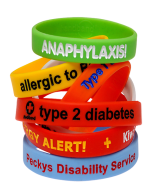


The Australian super-food roster
1. Kakadu plum — the world’s highest vitamin C
The native Australian kakadu plum contains 100x more vitamin C than oranges — the highest concentration of any food on Earth. One small fruit covers a week’s vitamin C target. Available as powder, freeze-dried capsules, or in some Australian health bars. Indigenous Australians have used kakadu plum for over 40,000 years.
2. Tasmanian salmon + sardines
Cold-water oily fish deliver concentrated omega-3 fatty acids (EPA + DHA), proven in the GISSI-Prevenzione trial to cut cardiovascular events by 15% in heart-disease patients. Australian Tasmanian salmon + tinned sardines are far more affordable than imported wild salmon and just as effective. Aim for 2 servings per week per Heart Foundation Australia guidelines.
3. Blueberries (frozen counts)
Per-gram, blueberries carry the highest anthocyanin antioxidant load of any common Australian supermarket fruit. The PREDIMED-Plus trial linked daily blueberry consumption to a 17% reduction in cognitive decline in older adults. Frozen blueberries retain 99% of the antioxidants and cost a third of fresh.
4. Macadamia nuts
The most native Australian nut on the list. Macadamias have the best monounsaturated-fat profile of any tree nut, a study in the British Journal of Nutrition showed daily macadamia intake reduces LDL cholesterol by 8-10% within 4 weeks. Naturally low-carb, suits Type 2 diabetes management.
5. Rolled oats
Cheap, plentiful, transformative for cardiovascular health. The beta-glucan fibre in oats lowers LDL cholesterol by 5-8% over 8 weeks of daily consumption (FDA + TGA cardiovascular health claim). Steel-cut or rolled (NOT instant) for the best effect. A daily 40g serving is enough.
6. Greek yogurt
Higher protein, lower carb than regular yogurt. Live probiotic cultures support gut microbiome — increasingly linked to immune function, mood, even Type 2 diabetes risk. Plain unsweetened is essential; flavoured varieties are mostly sugar.
7. Lentils + chickpeas
Australian-grown legumes deliver low-GI carbohydrates, plant protein, soluble fibre, and folate in one cheap package. The PREDIMED trial linked 4+ legume servings per week to a 35% reduction in cardiovascular mortality. Australian red and green lentils are pantry staples for $4-6/kg.
8. Leafy greens (kale, spinach, silverbeet)
The highest vitamin K density of any common food, plus folate, vitamin A, antioxidants. The Nurses’ Health Study II found 1+ daily serving of leafy greens cut Type 2 diabetes risk by 14%. Australian English spinach + silverbeet are cheaper and nearly identical to kale.
9. Australian avocado
Australian Hass avocados deliver monounsaturated fats, fibre, potassium (more than bananas), and vitamin E. Replacing 30g of butter with 30g of avocado improves cholesterol ratios within 3 weeks. Cheaper in season (autumn-spring Australia).
10. Dark chocolate (70%+ cocoa)
Yes — with caveats. 20-30g per day of 70%+ dark chocolate carries cocoa flavanols that lower blood pressure by 2-3 mmHg, improve endothelial function, and reduce platelet stickiness. Australian brands like Loving Earth, Pana, and Whittaker’s carry quality options.
11. Eggs (with caveats)
The old “eggs are bad” advice has been overturned by 2020+ research. Australian eggs deliver complete protein, choline, lutein + zeaxanthin (eye health), vitamin D, B12, and selenium. The latest Heart Foundation Australia position: up to 6 eggs per week is fine for most adults, including those with Type 2 diabetes.
12. Beetroot
Nitric-oxide precursors in beetroot reduce systolic blood pressure by 4-5 mmHg within 24 hours (peer-reviewed Australian + UK trials). Athletes use beetroot juice for endurance. Cheap, available canned or fresh year-round.
13. Tomatoes (especially cooked)
Lycopene in tomatoes is one of the most-studied antioxidants for prostate health and cardiovascular protection. Cooking tomatoes increases lycopene bioavailability 4-fold. Tinned diced tomatoes are a cheap, year-round Australian staple.
14. Garlic + onion
Allicin in raw garlic and quercetin in onions both have measurable cardiovascular benefit. Australian Heart Foundation evidence shows 1-2 cloves daily reduces blood pressure by 5-8 mmHg in pre-hypertensive patients.
15. Wattleseed (native Australian super food)
Indigenous bush food returning to mainstream kitchens. Wattleseed delivers 25% protein, 50% complex carbs, iron, calcium, low GI, and a delicate roasted-coffee flavour. Premium Australian native producers like Outback Pride supply it nationally.
How to actually use super foods for chronic conditions
For diabetes (Type 2)
- Daily: oats, blueberries, leafy greens, lentils, Greek yogurt, eggs
- Weekly: oily fish 2x, macadamias daily handful, avocado, chickpeas
- Pair with diabetes alert bracelet for emergencies + glucometer for tracking
For cardiovascular health
- Daily: oats, leafy greens, dark chocolate (20g), olive oil, garlic
- Weekly: fish 2-3x, legumes 4+ servings, nuts daily
- Limit red meat, processed foods, refined sugar
For cognitive function (dementia prevention)
- Mediterranean + MIND diet pattern
- Daily blueberries, leafy greens, nuts, olive oil
- Weekly fish, beans, whole grains
- Limit fast food, red meat, butter, cheese, sweets
What super foods can’t do
Super foods don’t replace medication, exercise, sleep, or stress management. They’re ONE pillar of health. Anyone with a chronic condition — diabetes, heart disease, autoimmune, allergies — should still:
- Take prescribed medications
- Get 150 min/week moderate exercise
- Sleep 7-9 hours per night
- Wear a visible medical alert bracelet for emergency identification
- See your GP + specialist team annually
The cost-effective super-food shopping list
- Rolled oats (kg bag) — $4
- Tinned salmon or sardines (4 cans) — $10
- Frozen blueberries (kg bag) — $8-12
- Dried lentils (kg) — $5
- Spinach or kale (bag) — $4
- Eggs (12) — $6-8
- Greek yogurt (1 kg tub) — $7
- Macadamias (250g) — $15
- Beetroot (tin) — $2
- Garlic + onion + tomatoes (kg each) — $10
Total weekly super-food shop: $70-80. Roughly the same as 3 days of takeaway.
For Australians on medication
Some super foods interact with medications:
- Leafy greens (vitamin K) can affect warfarin dosing — consistent intake is key, not avoidance
- Grapefruit interacts with statins, calcium channel blockers, immunosuppressants
- Garlic supplements can affect blood-thinning medications
- St John’s wort (sold as herbal “super food”) interacts with many prescriptions
Always discuss new dietary patterns with your GP or pharmacist if you take regular medications.
The Mediband promise
Mediband supports 500,000+ Australian adults + families managing chronic conditions since 2008. Permanent laser engraving, medical-grade silicone + steel, NDIS-registered, Australian-designed. Trusted by paramedics, GPs, dietitians, and Type 1 diabetes educators.
References & further reading
- Heart Foundation Australia (2024) — Healthy Eating Position Statement + Mediterranean Diet Guide.
- Dietitians Australia — Smart Eating for Diabetes Prevention.
- PREDIMED Trial (2018). New England Journal of Medicine.
- Nurses’ Health Study II — Leafy Greens + Diabetes Risk.
- Diabetes Australia — National Diabetes Prevention Resources.
- British Journal of Nutrition (2017). Macadamia Nut + LDL Cholesterol Trial.
Frequently Asked Questions
Quick answers from the Mediband team
Are super foods really better than regular foods?
Yes — when 'super food' is defined as a food with peer-reviewed evidence of measurable health benefit. Blueberries, oats, oily fish, leafy greens, legumes — all backed by randomised trials. Avoid the marketing-driven 'super food' fads (chia bowls, açai overpriced powders) and stick to evidence-based whole foods.
Can I use super foods to replace my diabetes or heart medication?
No. Super foods are an addition to medication, exercise, sleep, and medical care — not a replacement. Stopping prescribed meds based on dietary changes is dangerous. Talk to your GP before changing your treatment plan.
What's the most cost-effective super food for Australian families?
Rolled oats, frozen blueberries, tinned salmon or sardines, dried lentils, and seasonal leafy greens. A full week of super-food staples costs around $70-80 — less than 3 takeaway dinners. Frozen counts: nutrients are equivalent to fresh.
Do native Australian super foods like kakadu plum really work?
Kakadu plum genuinely carries the world's highest vitamin C concentration — 100x more than oranges. Wattleseed delivers complete plant protein. Both are backed by peer-reviewed nutrient analysis. Buy from Indigenous-owned suppliers (Outback Pride, Reconciliation Action plan-aligned brands) when possible.
Are super foods safe with blood thinners or other medications?
Some interact significantly: leafy greens (vitamin K) affect warfarin dosing; grapefruit affects statins and immunosuppressants; garlic supplements affect blood-thinning meds. Consistent daily intake is usually safer than wild swings. Always discuss new dietary patterns with your GP or pharmacist.
How long until super foods make a measurable health difference?
Cholesterol changes from oats or macadamias: visible at 4-8 weeks. Blood pressure changes from beetroot/garlic: within 24-72 hours. Cardiovascular event reduction: 2+ years of consistent intake. Cognitive protection: 5+ years. Compounding habit beats sporadic perfection.
Is dark chocolate really a super food?
Yes, with caveats. 20-30g per day of 70%+ cocoa lowers blood pressure 2-3 mmHg, improves endothelial function, reduces platelet stickiness. Pick brands without milk fat dilution. Above 30g per day, the sugar + calories cancel out the benefits.

Written by
Founder, Mediband
Founder of Mediband; over 20 years providing medical IDs worldwide.
← Previous
Why Medibands Are Important — Australian Safety Guide 2025
Next →
Start Healthy Habits Early — A 2025 Australian Parent's Guide for Kids
Comment(s)