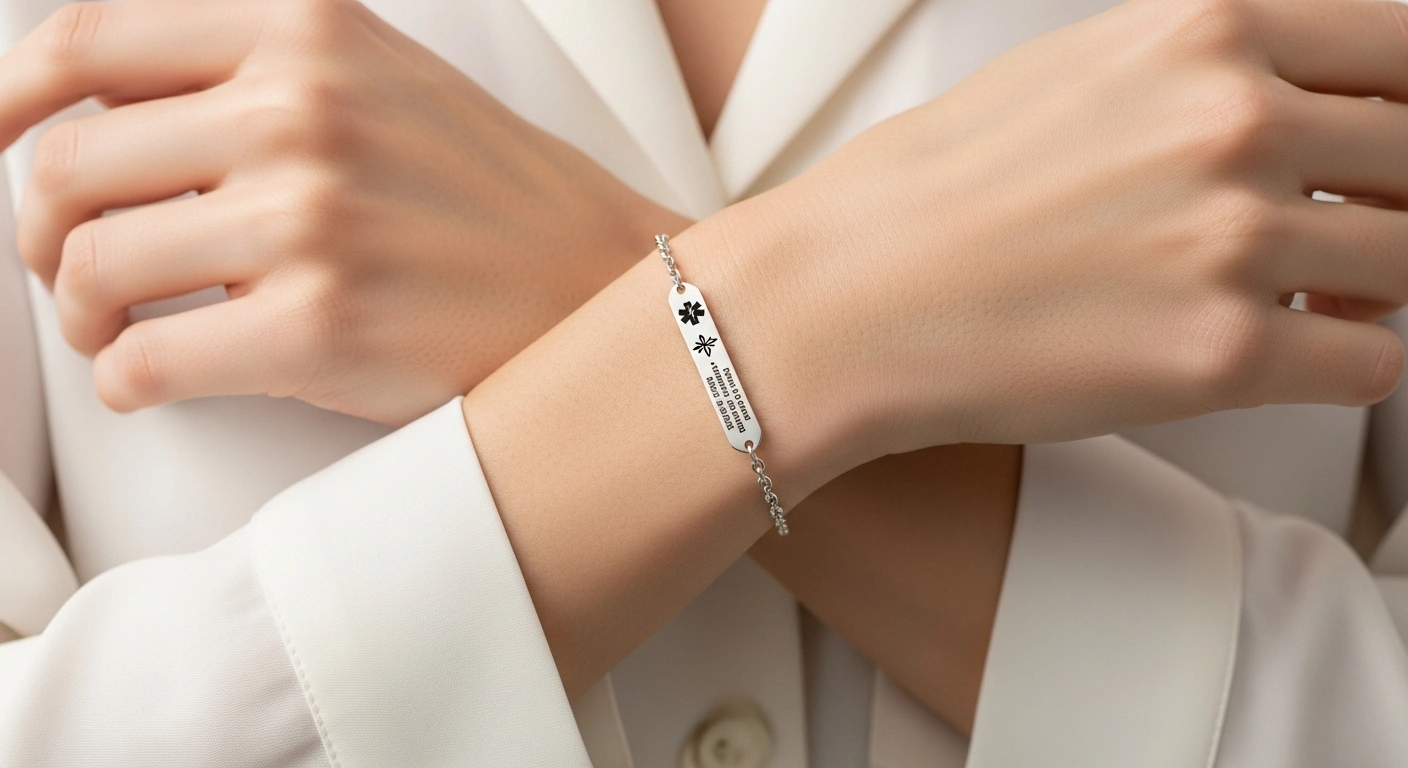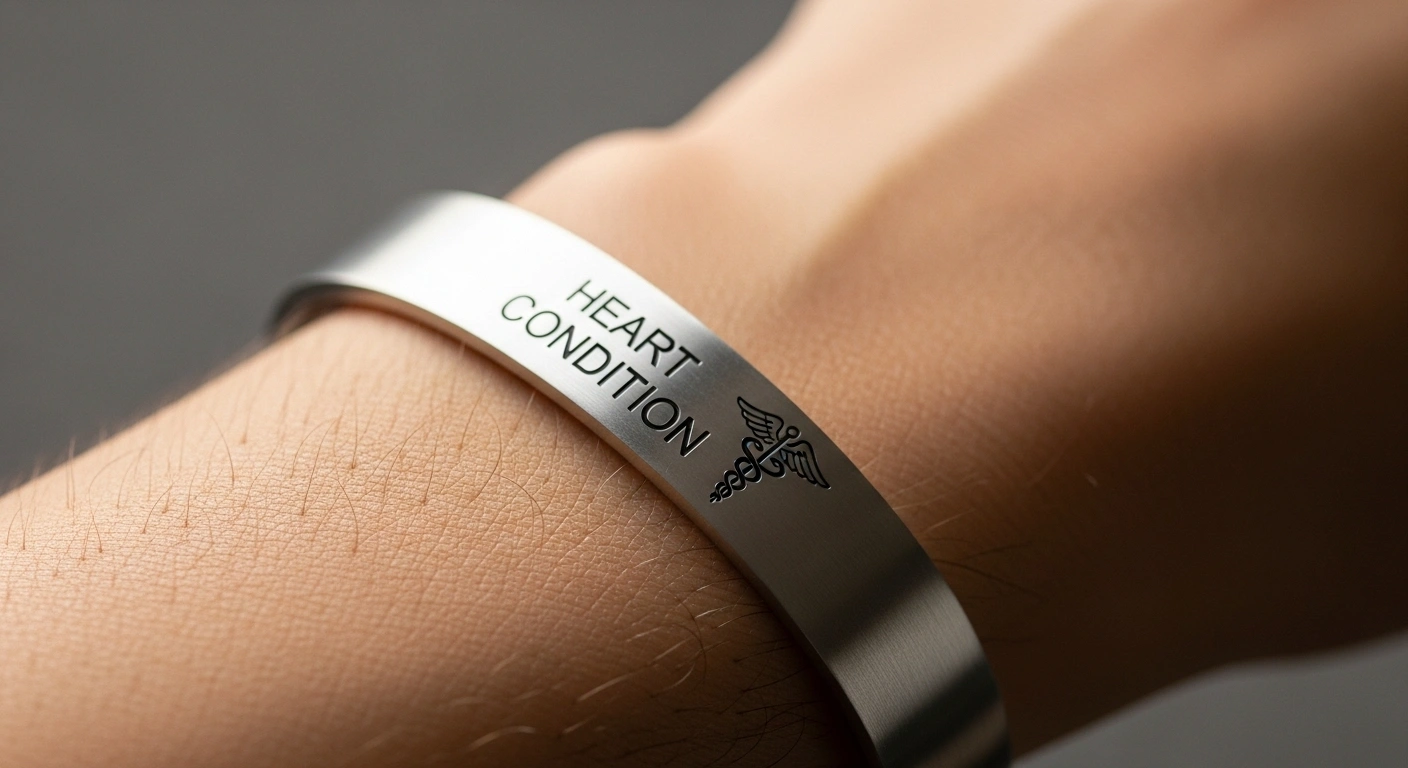
Wristbands for Dementia Patients
January 17, 2008
More than 400,000 Australians are living with dementia today — and that number is projected to reach nearly 1.1 million by 2058, according to Dementia Australia (2024). For many families and carers, one of the most important safety steps they can take is ensuring their loved one wears a dementia medical alert wristband. In a moment of confusion, wandering, or medical emergency, that small band can provide first responders and strangers with the information they need to act quickly and correctly.
Why Do People with Dementia Need a Medical Alert Wristband?
Dementia affects memory, communication, and orientation. As the condition progresses, a person may not be able to state their name, explain their condition, or recall who to contact in an emergency. This creates a serious safety risk — particularly for those who wander, which affects an estimated 6 in 10 people with dementia at some stage of their illness (Alzheimer's Australia).
Emergency services, police, and members of the public are trained to check for medical identification on an individual who appears confused or distressed. A clearly labelled dementia wristband gives them immediate, actionable information: who this person is, who to call, and what medical condition they have. Without it, emergency responders may not know whether symptoms are due to dementia, a stroke, intoxication, or another medical episode — all of which require very different responses.
Beyond emergencies, medical ID wristbands provide ongoing peace of mind. Carers, support workers, and family members can rest assured that if their loved one is separated from them — at a shopping centre, at an event, or overnight — anyone who finds them has a way to help.
Shop Medical Alert Wristbands for Dementia
Worn every day, read in seconds. Choose the style that suits your loved one best.
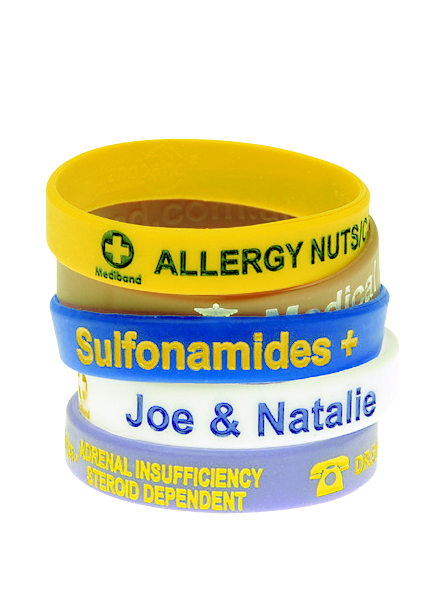
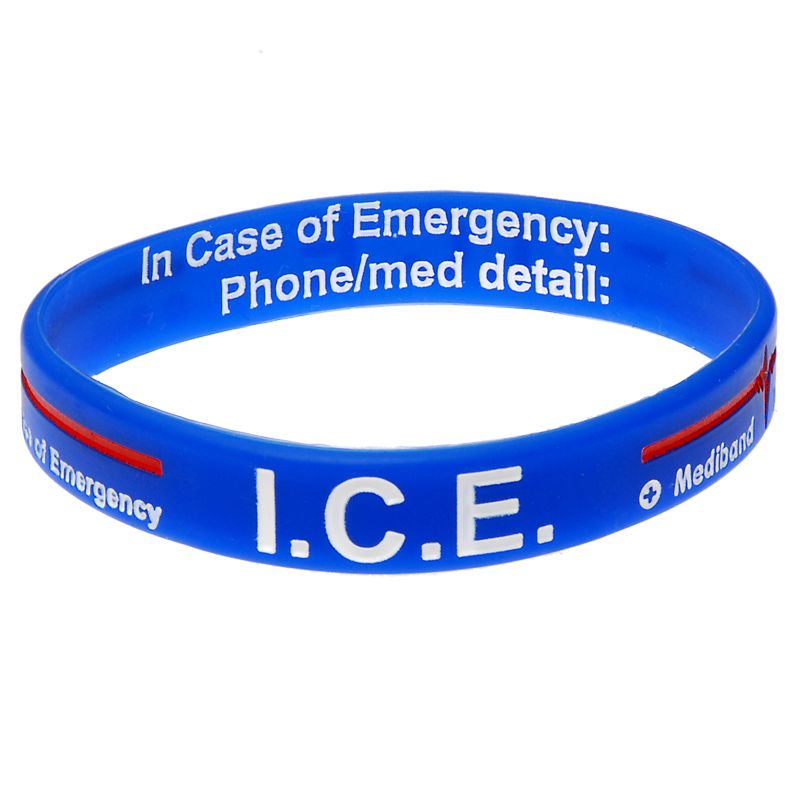
The information engraved or written on a dementia wristband should be concise, clear, and immediately useful to someone who has never met your loved one before. Paramedics and first responders need to read it in seconds.
Full Name
Always include the person's full name. This allows emergency services to quickly confirm identity and locate next-of-kin records if needed. Avoid nicknames that may not match official records.
Medical Condition
Include "Dementia" or the specific diagnosis if relevant (e.g., "Alzheimer's Disease", "Vascular Dementia"). If the person also has a secondary condition such as epilepsy, diabetes, or a heart condition, list the most critical one that affects emergency treatment. For example: "Dementia | Type 2 Diabetic".
Emergency Contact Number
Include a mobile number for the primary carer or family member — someone who is available and can be reached quickly. A second contact number can be added if space allows. For engraved bracelets, keep the number to one reliable contact to preserve space for other critical information.
Medications and Allergies
If your loved one takes medications that affect emergency treatment — such as blood thinners, insulin, or anti-epileptics — note these on the wristband if space allows. Likewise, any serious allergy (e.g., "Penicillin Allergy") that could affect treatment choices should be included.
Types of Dementia Medical Alert Wristbands
Not all dementia wristbands work the same way. Choosing the right type depends on your loved one's stage of dementia, their comfort preferences, and how frequently the information needs to change.
Write-On Medical ID Wristbands
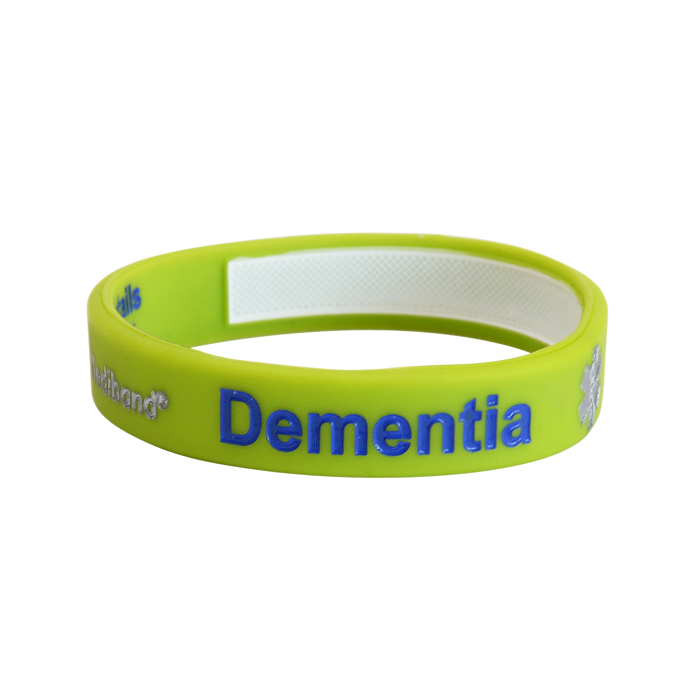
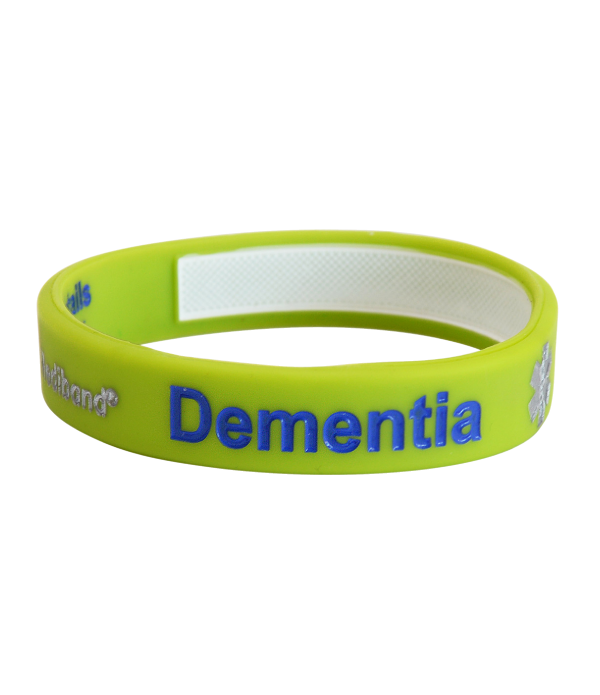
Write-on wristbands are ideal for carers who need flexibility. The surface allows you to write directly with a permanent marker, meaning information can be updated as circumstances change — for example, if a phone number changes or new medications are added. These are particularly useful in aged care facilities and hospitals where patient information updates regularly. Mediband's Dementia Alert Write-On Medical ID Bracelet is designed specifically for this purpose, with a high-visibility format that makes the dementia condition immediately recognisable.
Engraved Stainless Steel Bracelets
Engraved bracelets offer a more permanent and dignified option for people at a stable stage of their illness. Stainless steel is durable, water-resistant, and suitable for everyday wear. Engraved information cannot fade or wash off, making it reliable even in wet conditions. Mediband's engraved dementia bracelets come in medium and large sizes to ensure a comfortable, secure fit for a variety of wrist sizes.
Hospital Identification Wristbands
For individuals in acute care or aged care settings, hospital-style identification wristbands are a common choice. These single-use bands are printed with detailed patient information and are designed for short-term use during hospital admissions. They are not suitable as a long-term everyday solution, but can be used alongside a permanent engraved bracelet for additional identification during hospital stays.
How First Responders Use Medical Alert Wristbands
Paramedics and emergency responders in Australia are trained to conduct a rapid physical assessment when attending to a patient who is confused, unresponsive, or unable to communicate. Part of this assessment includes checking the wrists, neck, and ankles for medical alert jewellery.
When a dementia wristband is found, the responder can immediately:
- Confirm the person's identity and medical condition
- Contact the emergency number provided
- Alert the attending doctor or hospital to the dementia diagnosis before any treatment is given
- Avoid administering medications that may conflict with existing prescriptions
According to St John Ambulance Australia, patients who wear medical alert identification are more likely to receive appropriate treatment faster, particularly in cases where the individual cannot communicate due to their condition. For dementia patients — who may become agitated, uncooperative, or unable to answer questions under stress — this is especially valuable.
Choosing the Right Dementia Wristband
When selecting a dementia wristband, prioritise the wearer's comfort and compliance above all else. A wristband that is uncomfortable is likely to be removed — rendering it useless in an emergency.
Comfort and Wearability
Look for lightweight materials, smooth edges, and a secure but comfortable clasp. For people with dementia who may not understand the purpose of the bracelet, a low-profile design that does not attract their attention to remove is preferable. Silicone bands and slim stainless steel options tend to work well for everyday wear.
Durability and Waterproofing
Dementia patients may wear their wristband continuously — through bathing, activities, and sleep. Choose a band that is waterproof or water-resistant, and made from a material that does not tarnish, fade, or deteriorate with regular exposure to moisture and soap. Stainless steel engraved options offer the best long-term durability, while write-on plastic bands should be checked and refreshed regularly.
Visibility and Legibility
High-contrast colour or bold text can make a significant difference in how quickly a wristband is noticed. Mediband's dementia-specific wristbands are designed with clear labelling and condition-specific colouring so that anyone — not just trained medical staff — can quickly identify that the wearer has dementia and act accordingly.
Frequently Asked Questions
What should I write on a dementia wristband?
Include the person's full name, the diagnosis (e.g., "Dementia" or "Alzheimer's Disease"), and at least one emergency contact phone number. If space allows, add any critical medications or allergies. Keep it brief and legible — emergency responders need to read it at a glance.
Will my loved one with dementia keep the wristband on?
This is a common concern. Choose a lightweight, comfortable design that doesn't stand out or feel unusual. Some carers introduce the bracelet gradually as a familiar accessory. For people who repeatedly remove jewellery, a write-on silicone wristband in a contrasting colour can be less noticeable. Stainless steel engraved bracelets with smooth clasps also tend to be better tolerated.
Is a dementia wristband the same as a medical alert bracelet?
Yes — a dementia wristband is a type of medical alert bracelet. The key difference is that dementia-specific wristbands are often colour-coded or labelled to immediately signal the condition to first responders and the public, rather than only conveying information when read closely. Mediband's dementia bracelets are designed specifically with this visibility in mind.
Can children with dementia-related conditions wear these wristbands?
Dementia itself is rare in children, but conditions causing memory loss or cognitive impairment — such as certain genetic disorders — may warrant medical ID identification. Mediband offers a range of medical ID bracelets suitable for younger wearers. Contact us to discuss the most appropriate option for your child's needs.
How often should I replace a dementia write-on wristband?
Write-on wristbands should be checked monthly and replaced whenever the text becomes faded or unreadable. Always check after extended periods of water exposure. Keep a small supply on hand so there is no gap in identification if the bracelet needs replacing quickly.
Shop Dementia Medical Alert Wristbands
At Mediband, we've been helping Australians living with chronic conditions stay safe and identified since 2009. Browse our full range of dementia medical alert wristbands — available in write-on and engraved styles to suit every stage of the journey. For more information on dementia in Australia, visit Dementia Australia.

Share on Facebook

Share on X

Share on Pinterest
Comment(s)
Recent Posts
The Risk Of Not Wearing An Allergy Medical Alert Bracelet
March 23, 2026