Not Just for Seniors: Who Really Needs a Medical Alert Wallet Card?
January 02, 2026

When you think about a medical alert wallet card, who comes to mind? Perhaps you picture it as something for the elderly—maybe a card tucked in the wallet of a grandparent who has a heart condition or diabetes. It's easy to assume that these cards are mainly for seniors, given the prevalence of health conditions that come with age. But here's the thing: medical alert cards are far more universal than many realize.
What if you have a chronic condition like asthma or an allergy to nuts? Or, perhaps you're pregnant and have specific health risks that require attention in an emergency. Or maybe you're an athlete, always on the move, with a history of concussions or heart issues that could flare up at any time. A medic alert wallet card could be the key to ensuring that, no matter the situation, you're prepared.
In this article, we'll explore why medical alert cards are not just for seniors, and how they can truly make a life-saving difference for a wide variety of individuals. It’s time to rethink who should carry one—and why it’s something everyone should consider.
What Is a Medical Alert Wallet Card?
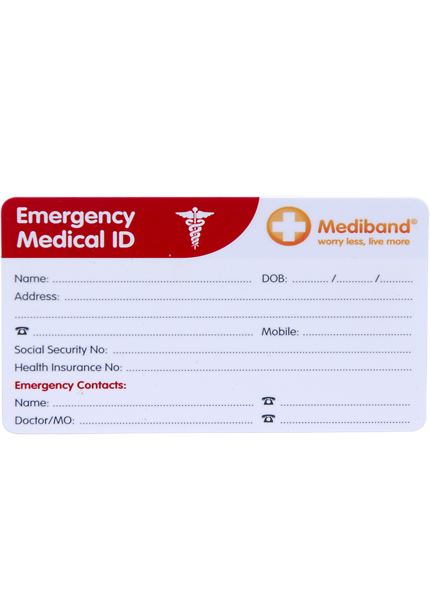
A medical alert wallet card is exactly what it sounds like—a small card designed to be carried in your wallet that holds crucial medical information. Think of it as a quick reference for healthcare professionals in the event of an emergency, containing details about your health that could make all the difference in how you're treated. You can explore examples of medical alert wallet cards here.
Types of Medical Alert Cards
These cards can range from general medical IDs to ones specifically tailored to individual health needs. If you have a serious allergy, your medical alert card wallet could highlight the allergen to prevent any further complications. People with heart disease, diabetes, epilepsy, or other chronic conditions can use a medic alert wallet card to provide critical details about their condition and treatment preferences.
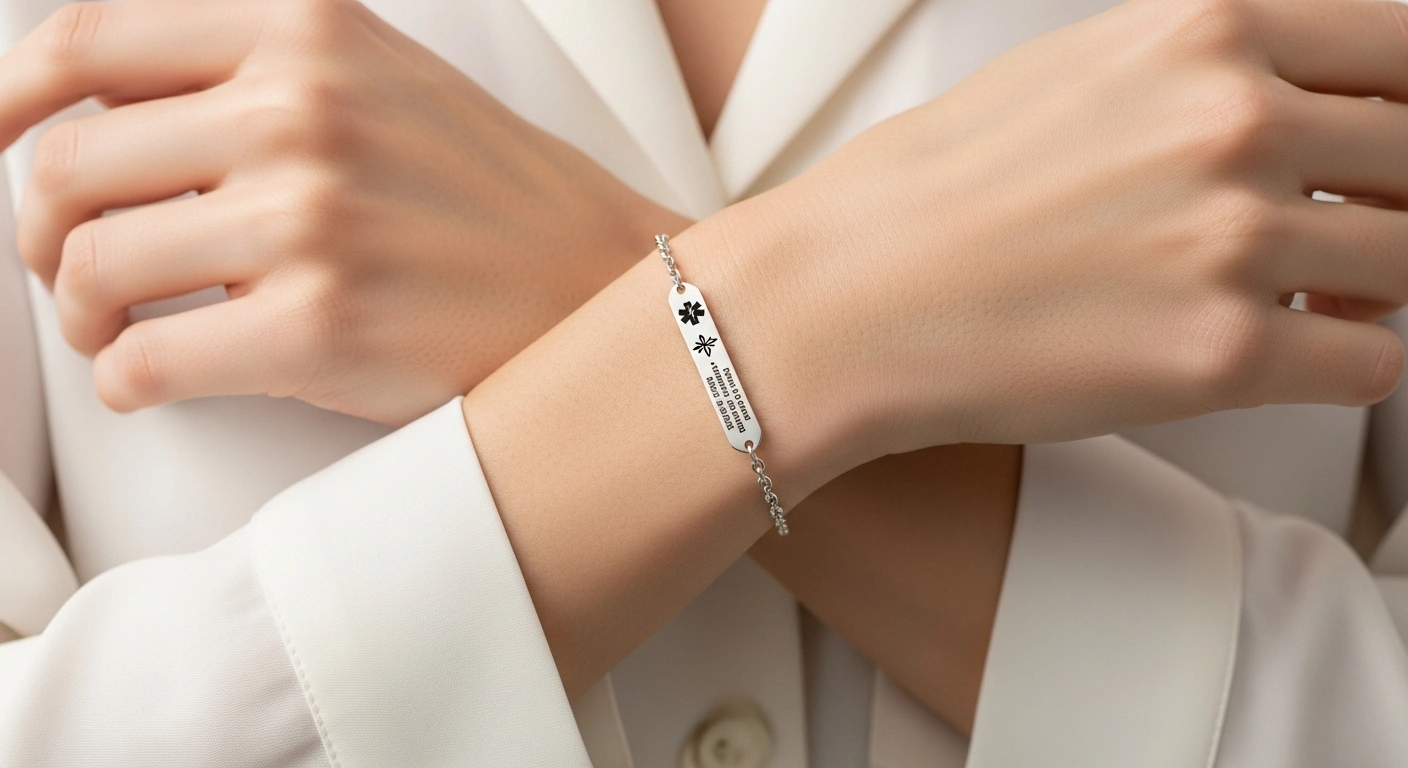
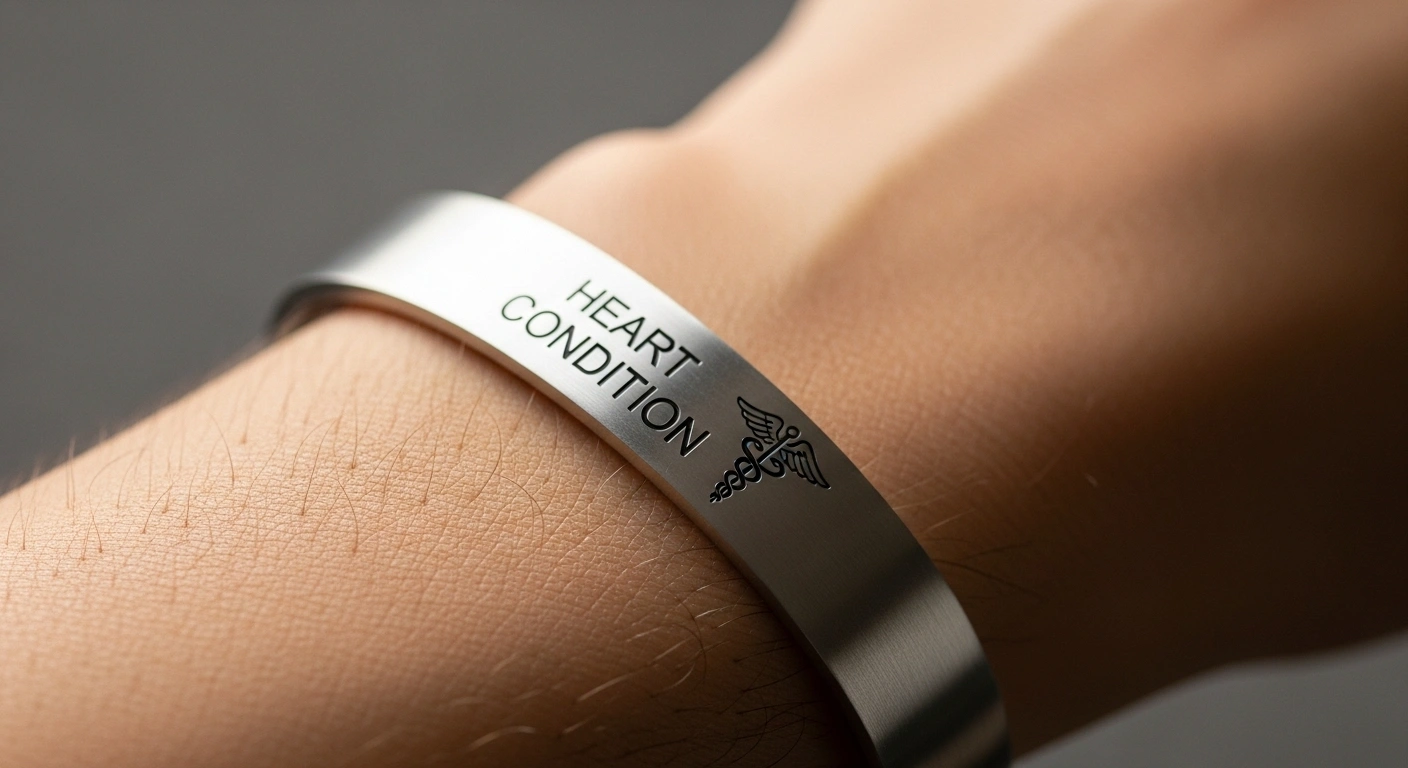
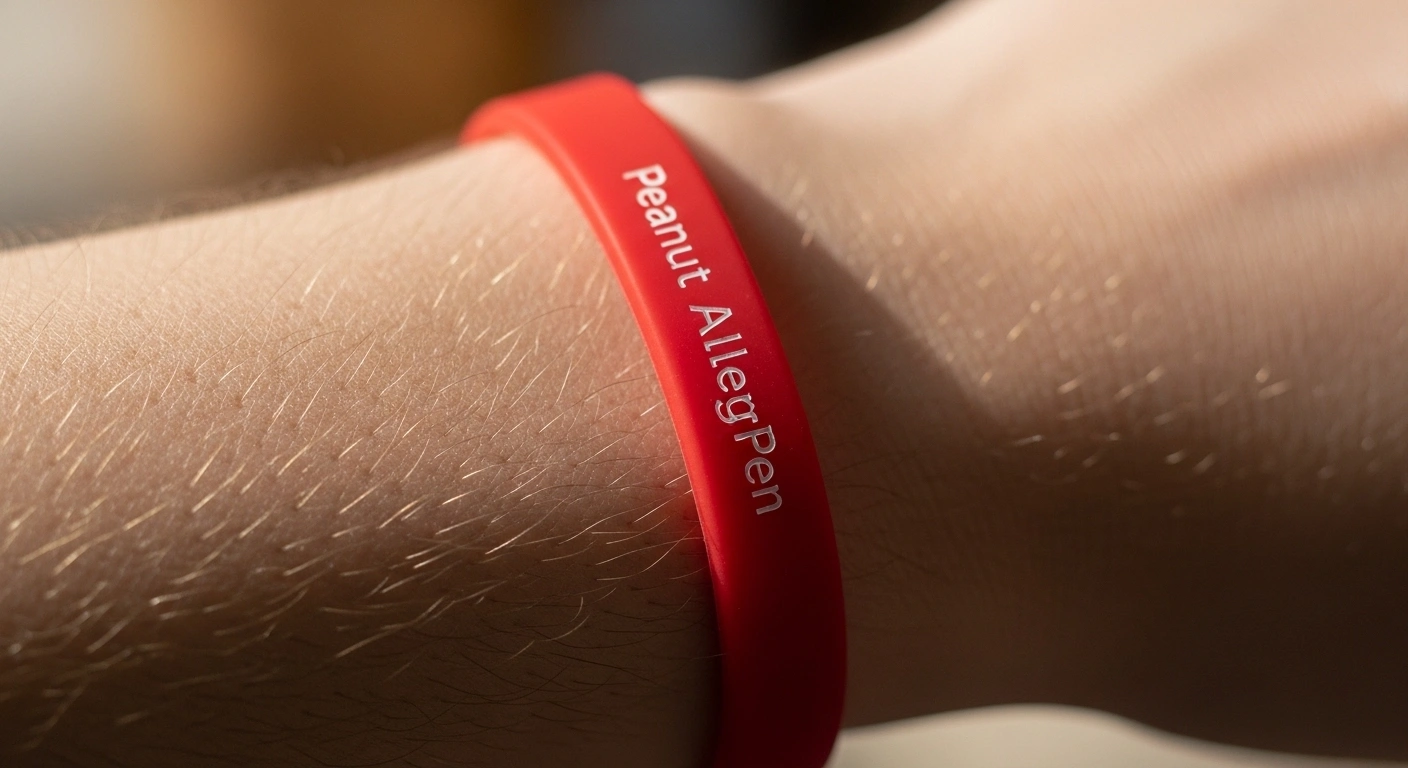
Unlike more traditional forms of medical identification, like bracelets or necklaces, wallet cards are a discreet option that doesn’t require you to wear anything visible. You can store them in your wallet or purse, and they’re easily accessible in an emergency.
Comparison with Other Forms of Medical ID
While medical alert bracelets and necklaces are effective, they are often limited in how much information they can carry. For example, a bracelet may include basic information like allergies, but it doesn't allow space for important details like medication dosages, emergency contacts, or your doctor’s number. In contrast, a medical alert wallet card offers the ability to include more comprehensive and specific information that can guide emergency care providers quickly.
Why Medical Alert Cards Are Important
A study conducted by the National Institutes of Health (NIH) highlighted that medical identification tools, such as medical alert wallet cards, significantly improve treatment outcomes during emergencies. The study found that patients with a visible medical ID experienced quicker responses and better treatment accuracy from emergency responders, as discussed in this NIH study.
Accessibility
The beauty of a medical alert wallet card is that it’s small and easily accessible. Unlike medical bracelets that some people find uncomfortable to wear, a wallet card fits into your everyday routine without causing any inconvenience. You’re already carrying a wallet or purse, so adding a small card to your essentials is easy.
Quick Response in Emergencies
The value of a medical alert card wallet becomes especially apparent in high-stress situations. When you’re unwell or injured, emergency responders need to know your health history quickly. Without a medical alert wallet card, they may waste valuable time asking questions about your allergies, medications, or chronic conditions—time that could be used for life-saving measures.
Who Should Carry a Medical Alert Wallet Card?
While medical alert cards are often associated with the elderly, they are a critical tool for people of all ages and health conditions. Here are some key groups who can benefit from carrying one:
People with Chronic Health Conditions
Chronic health conditions like diabetes, epilepsy, or cardiovascular disease require constant management. Having a medic alert wallet card ensures that emergency responders are aware of your condition and can provide appropriate treatment quickly. This could mean the difference between life and death, particularly if you’re unable to communicate your medical needs.
Allergy Sufferers
Severe allergies, such as a peanut or bee sting allergy, can be life-threatening. A medical alert card wallet detailing your allergies allows first responders to act immediately if you’re unable to speak for yourself. These cards can also include instructions for the administration of epinephrine or other medications needed to counteract the allergic reaction.
Pregnant Women
Pregnancy presents its own set of health risks, and complications like gestational diabetes or preeclampsia can occur. For pregnant women, carrying a medical alert wallet card with information about their pregnancy and any specific conditions can ensure that medical professionals take the right steps if complications arise.
Young Children
Many children have medical conditions like asthma, allergies, or other health issues that might not be immediately obvious to caregivers or emergency responders. A medical alert card wallet for children can contain important information like emergency contacts, medications, and medical conditions that can help in the event of a health emergency.
Travelers and Adventurers
Traveling opens up a world of new experiences but also presents a variety of risks. If you have a health condition, allergy, or specific treatment needs, carrying a medic alert wallet card while traveling ensures that, wherever you go, emergency services will have quick access to important medical information.
Athletes and Active Individuals
Athletes and people who live active lifestyles often push their bodies to the limit, which can lead to unforeseen medical emergencies. Whether you have a heart condition, asthma, or a history of injury, a medical alert wallet card can help ensure that emergency personnel know how to respond to your specific health needs in case something goes wrong during physical activities.
Key Information to Include on a Medical Alert Wallet Card
A medic alert wallet card isn’t just about having something on hand. It’s about making sure the information included is both clear and comprehensive. Here’s what should be included:
- Personal Identification – Full name and date of birth.
- Medical Conditions – Chronic illnesses like diabetes, asthma, epilepsy, heart disease, etc.
- Allergies – Specify any severe allergies, such as to food, medications, or environmental triggers.
- Medications – Include a list of prescribed medications, including dosages and why they’re needed.
- Emergency Contacts – Name and number of someone who can be reached for additional assistance.
- Doctor’s Information – The name, number, and address of your primary healthcare provider.
- Insurance Information – Insurance provider and policy number, if applicable.
Including all of this information can be critical for medical responders who may not be familiar with your health history. It allows them to provide treatment quickly and accurately.
How to Choose the Right Medical Alert Wallet Card
When selecting a medical alert wallet card, it’s important to make sure it suits your specific needs. Here are some things to consider:
1. Customization
Choose a card that allows for customization so you can include all of the necessary details. The more personalized your card is, the more useful it will be in an emergency. For instance, if you have a rare condition or a specific treatment requirement, ensure your medical alert wallet card reflects this.
2. Durability
Look for a medic alert wallet card that’s built to last. You want a card that will withstand everyday wear and tear, and ideally one that’s resistant to water damage. The last thing you want is a card that becomes unreadable after a few months in your wallet.
3. Size and Discreetness
Your medical alert card wallet should be compact enough to fit comfortably in your wallet without being cumbersome. You don’t want it to be too bulky or obvious, but you also want it large enough to contain all the relevant information.
4. Visibility
While you want your medic alert wallet card to be discreet, it’s also important that it’s easy for medical responders to spot in an emergency. Choose a design that stands out, whether through color or a clear “medical alert” indicator.
Recap: Medical Alert Wallet Cards Are for More Than Just Seniors
At the end of the day, medical alert wallet cards are not reserved for seniors. They are a crucial tool for anyone with a medical condition, allergy, or health concern that requires immediate attention. Whether you’re an athlete, a parent, a traveler, or someone managing a chronic condition, carrying a Medic Alert wallet card ensures that you have the right information on hand when it matters most.
The simplicity, accessibility, and effectiveness of a medical alert wallet card cannot be overstated. It could make all the difference in an emergency, providing first responders with the information they need to treat you quickly and accurately. So, if you haven’t already, consider adding one to your wallet today—you never know when it could save your life.
Shop Medical Alert Wallet Cards and Bracelets
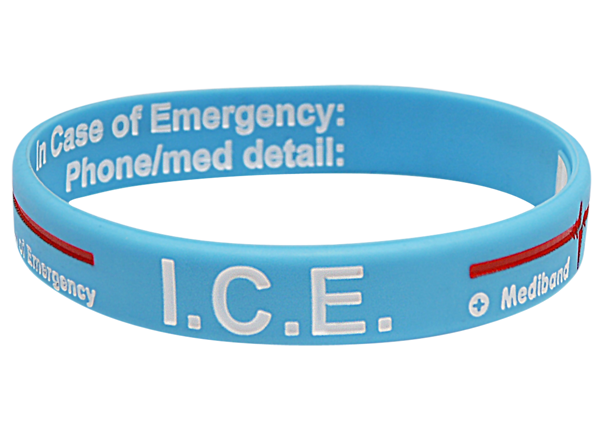
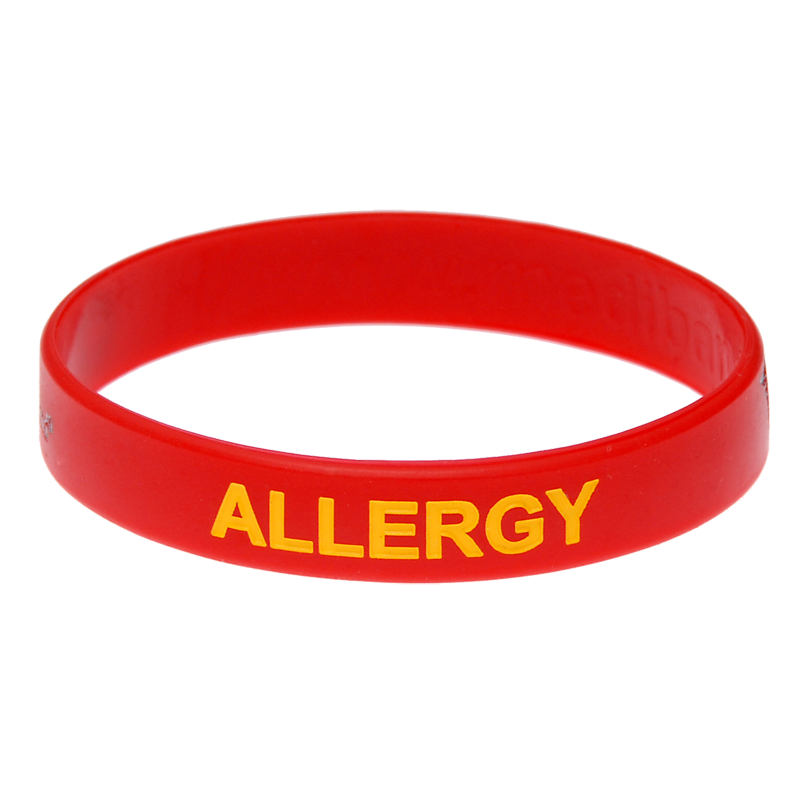
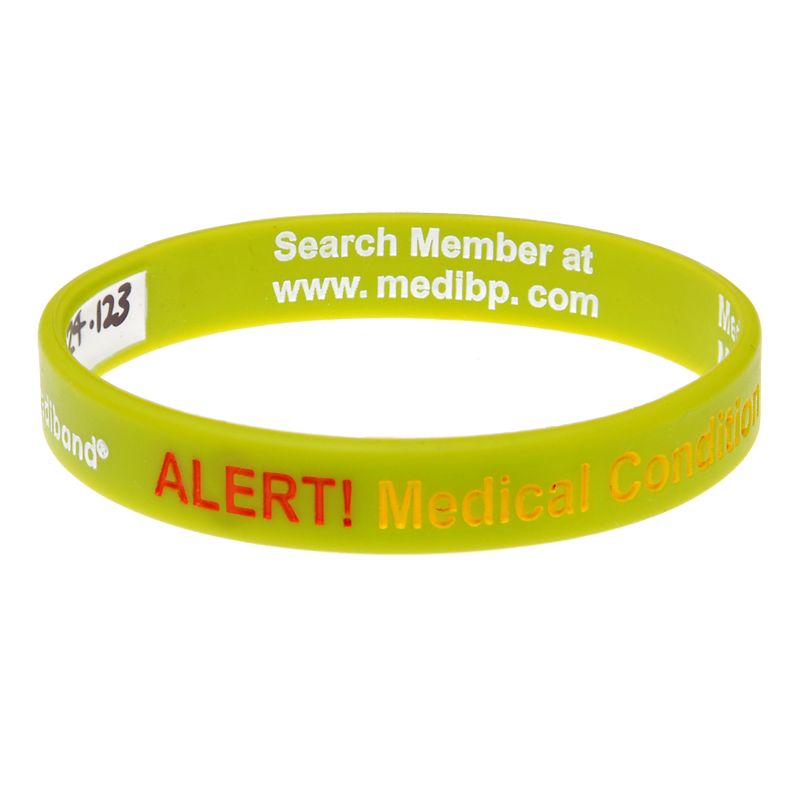
A wallet card carries your full medical details — pair it with a bracelet for maximum visibility in emergencies.
Frequently Asked Questions
What information should I include on a medical alert wallet card?
Include your full name, date of birth, primary medical conditions, all allergies, current medications with dosages, emergency contact numbers, your doctor name and phone number, and any special instructions such as insulin dependent or uses a pacemaker. A wallet card can hold more detail than a bracelet.
Who should carry a medical alert wallet card?
Anyone with a medical condition that affects emergency treatment — including diabetes, epilepsy, heart disease, blood disorders, severe allergies, and mental health conditions. Wallet cards are also ideal for people taking multiple medications, elderly individuals, travellers, and anyone whose condition may not be visible to others.
Is a medical alert wallet card as effective as a bracelet?
Both serve important roles. A bracelet is immediately visible on your wrist and is the first thing paramedics check. A wallet card carries more detailed information but requires someone to search your wallet. For the best protection, carry both — the bracelet for instant recognition and the card for comprehensive details.
Where should I keep my medical alert wallet card?
Keep it in the front of your wallet, behind your driver licence or primary ID card. Paramedics are trained to check wallets for medical information if a patient is unresponsive. Some people also keep a second copy in their phone case, car glove box, or with their passport when travelling.
How often should I update my medical alert wallet card?
Update your card whenever your medications, conditions, allergies, or emergency contacts change. At minimum, review and update it every six months. After any hospital visit, new diagnosis, or medication change, update the card immediately so the information is always current and accurate for first responders.

Share on Facebook

Share on X

Share on Pinterest
Comment(s)
Recent Posts
The Risk Of Not Wearing An Allergy Medical Alert Bracelet
March 23, 2026