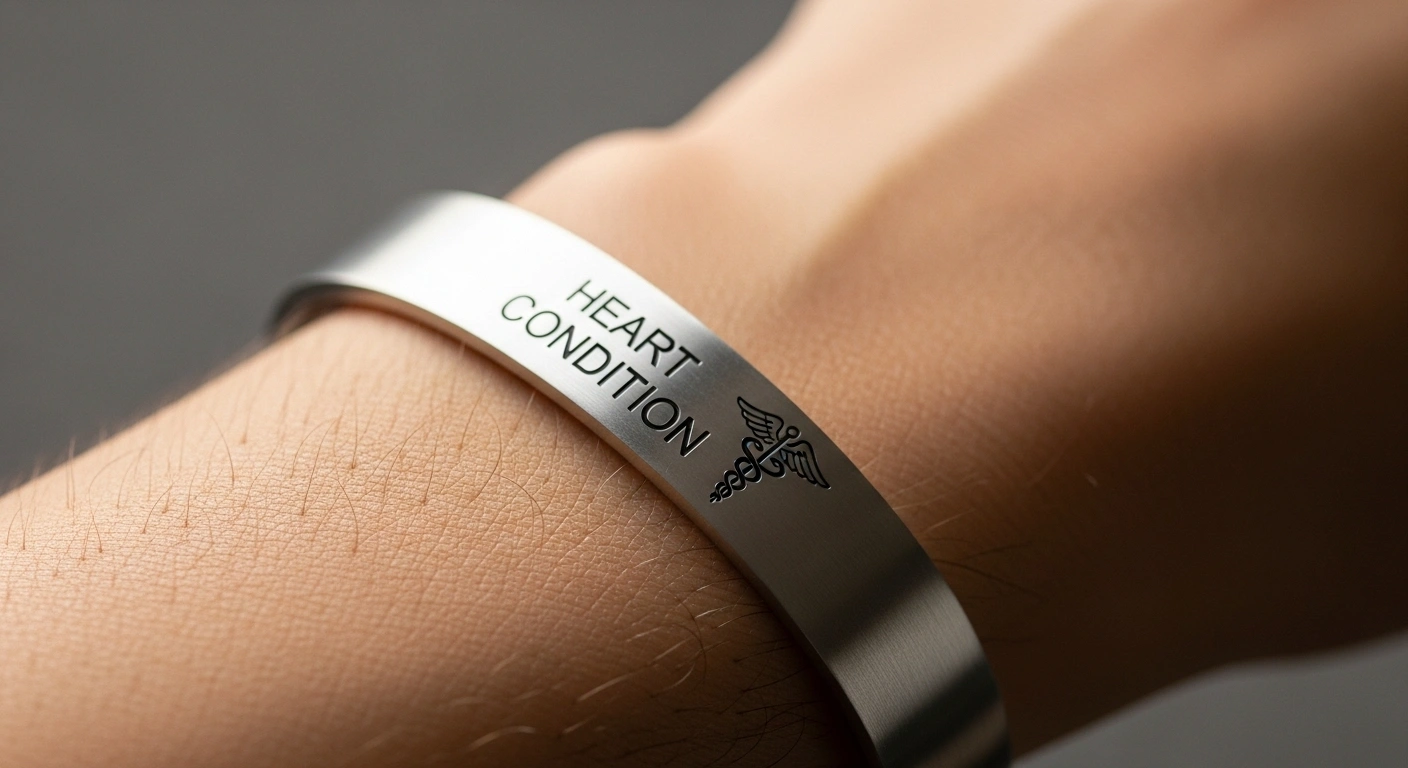
Medical Abbreviations for Medical ID Bracelets: The Complete Guide
September 17, 2021

Medical alert bracelets save lives — but only if the information engraved on them is clear, accurate, and meaningful to emergency responders. One of the most common questions people ask when ordering a medical ID bracelet is: “What abbreviations can I use to fit more information on my bracelet?” With limited engraving space, abbreviations allow you to communicate far more critical information than full phrases would permit. According to the Medical ID Foundation, emergency responders check for medical ID within the first 60 seconds of attending to a patient — and they understand the standard medical abbreviation system that medical professionals worldwide use daily.
This comprehensive guide covers the most important medical abbreviations for bracelets, how to prioritise your information, and what to include for common conditions.
Why Medical Abbreviations Matter on a Medical Alert Bracelet
A medical alert bracelet typically offers limited engraving space — often two to four lines with around 25-35 characters per line, depending on the bracelet style and manufacturer. This means every character counts. Medical abbreviations are the solution: used correctly, they allow a single bracelet to communicate conditions, medications, allergies, and emergency contacts in the space of a few lines.
Emergency responders — paramedics, emergency nurses, and doctors — use medical abbreviations constantly in their professional work. Standard abbreviations are understood across the profession, so you can use them confidently.
However, be cautious about inventing your own abbreviations. If an abbreviation isn’t universally recognised in the medical field, it may cause confusion rather than clarity in an emergency. Stick to established medical abbreviations and spell out anything unusual.
Most Important Medical Abbreviations for Bracelets
Allergy Abbreviations
Allergy information is among the most critical for emergency responders, who may be about to administer medications that could trigger a life-threatening reaction.
- NKA — No Known Allergies
- NKDA — No Known Drug Allergies (commonly used in clinical settings)
- PCN ALLERGY or PCN↓ — Penicillin Allergy
- ASA ALLERGY — Aspirin (acetylsalicylic acid) Allergy
- NSAID ALLERGY — Non-Steroidal Anti-Inflammatory Drug Allergy
- LATEX ALLERGY — (this one is worth spelling out; latex allergy affects medical equipment used during treatment)
- SULFA ALLERGY — Sulfonamide Antibiotic Allergy
Diabetes Abbreviations
- DM1 or T1DM — Type 1 Diabetes Mellitus
- DM2 or T2DM — Type 2 Diabetes Mellitus
- INSULIN DEPENDENT or INS DEPT — Takes insulin
- HYPOGLYCAEMIA or HYPOGLYCEMIA — Risk of low blood sugar (can also abbreviate as HYPO)
Heart and Cardiac Abbreviations
- CAD — Coronary Artery Disease
- AF or AFIB — Atrial Fibrillation
- CHF — Congestive Heart Failure
- PACEMAKER — Has a pacemaker (can abbreviate as PPM for Permanent Pacemaker)
- ICD — Implantable Cardioverter-Defibrillator
- ON WARFARIN or ANTICOAG — Taking anticoagulant medication
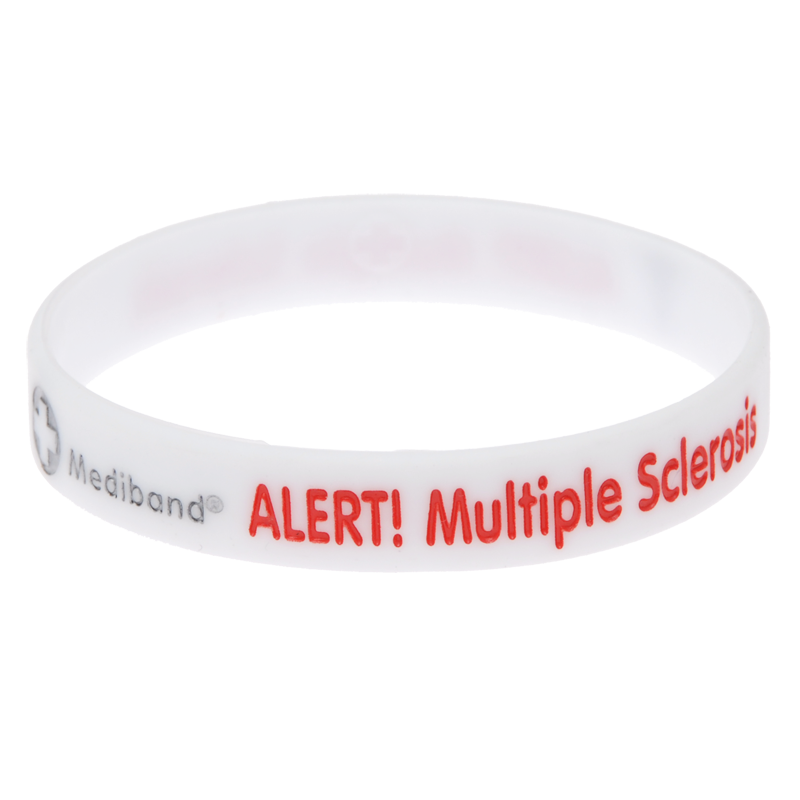
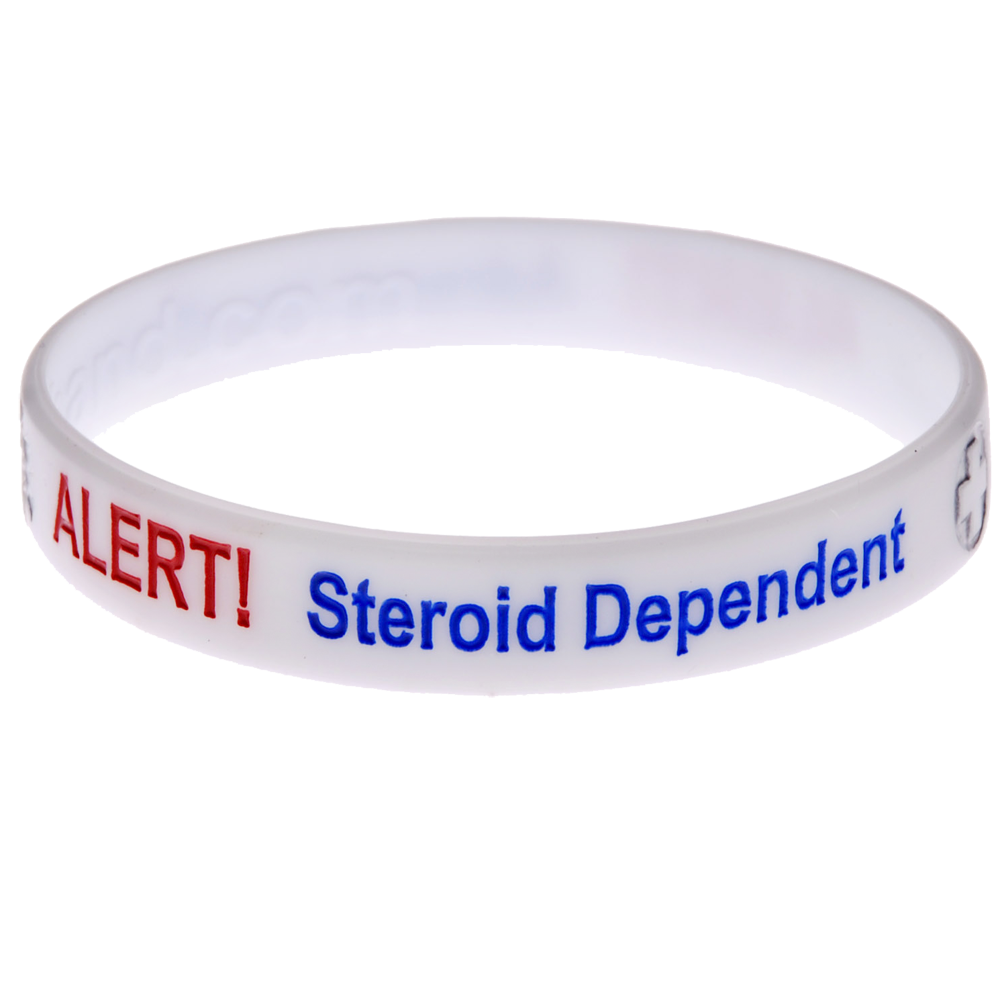
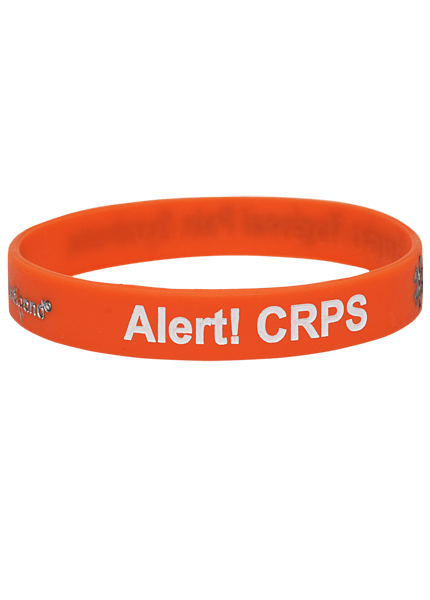
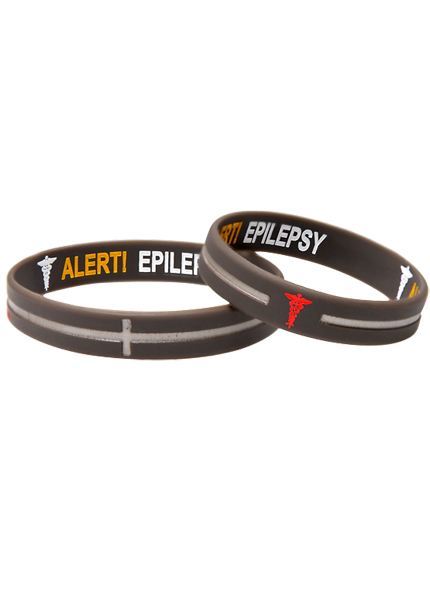
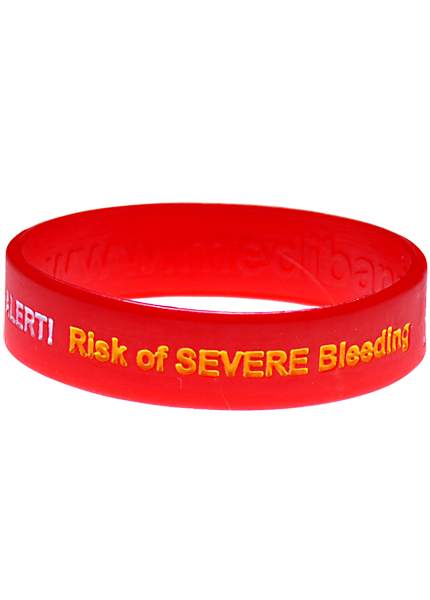
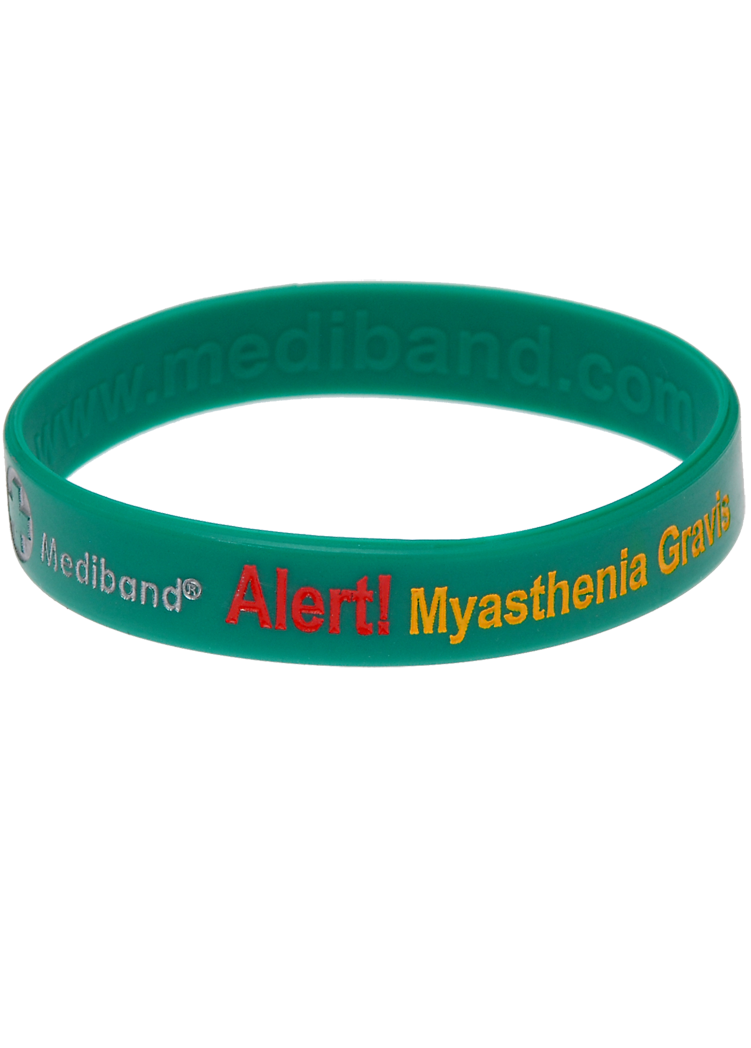
Medical Alert Bracelets for Your Condition
Pre-engraved or custom — find the right medical ID to communicate your needs clearly in any emergency.
More Essential Medical Abbreviations by Condition
Neurological Conditions
- EPILEPSY or SEIZURE DISORDER — (spell out where space allows; this is high-stakes information)
- MS — Multiple Sclerosis
- TBI — Traumatic Brain Injury
- CVA — Cerebrovascular Accident (stroke history)
- ASD — Autism Spectrum Disorder
- CRPS — Complex Regional Pain Syndrome
Respiratory Conditions
- ASTHMA — (worth spelling out — short and critical)
- COPD — Chronic Obstructive Pulmonary Disease
- O2 DEPENDENT — Oxygen Dependent
Medications and Treatment Abbreviations
- WARFARIN or COUMADIN — Taking warfarin (blood thinner)
- HEPARIN — Taking heparin anticoagulant
- STEROID DEPENDENT or STEROID DEPT — Requires steroid dose in emergencies
- INS — Insulin (in context with DM1/DM2)
- CHEMO — Currently receiving chemotherapy
- IMMUNOSUPPRESSED or IMMUNO SUPPRESSED — On immunosuppressant therapy
Surgical and Organ-Related Abbreviations
- TRANSPLANT — Has had an organ transplant (specify organ if space allows: KIDNEY TRANSPLANT)
- SPLENECTOMY or NO SPLEEN — Has had spleen removed (affects antibiotic protocols in emergency)
- STOMA — Has a colostomy or ileostomy (affects abdominal examination and positioning)
- NO BP LEFT ARM or NO BP/NEEDLES L ARM — After axillary lymph node removal or fistula in that arm
What to Put on Your Medical Alert Bracelet: A Practical Engraving Guide
When deciding what to engrave, prioritise the information that would most affect your emergency treatment. Follow this hierarchy:
- Line 1: MEDICAL ALERT or the universal medical symbol (some bracelets include this automatically)
- Line 2: Most critical condition(s) — e.g. EPILEPSY | DM1
- Line 3: Critical medications or allergies — e.g. WARFARIN | PCN ALLERGY
- Line 4: Emergency contact — e.g. ICE: 0400 000 000
ICE stands for “In Case of Emergency” and is a universally recognised prefix for emergency contact numbers.
If your medical history is complex, consider pairing your medical alert bracelet with a medical wallet card that can include more detailed information. Together, they give emergency responders the quick-read summary (bracelet) and the detailed reference (card).
Common Abbreviation Mistakes to Avoid
- Don’t invent abbreviations: Only use abbreviations that are standard in medical settings. If you’re not sure, spell it out.
- Don’t include too much: A crowded bracelet is harder to read than a clear one. Prioritise ruthlessly.
- Don’t use outdated abbreviations: Some abbreviations have changed meanings in clinical practice. If in doubt, ask your doctor or pharmacist.
- Don’t forget to update: As conditions or medications change, update your bracelet. An outdated medical ID can be as dangerous as no medical ID.
Browse Mediband’s full range of medical alert bracelets to find styles that offer the engraving space you need. Many include condition-specific pre-engraving as a starting point, with options to add custom text for your unique medical profile.
Frequently Asked Questions
What does NKDA mean on a medical alert bracelet?
NKDA stands for "No Known Drug Allergies." It is one of the most widely used medical abbreviations and immediately communicates to healthcare providers that the patient has no documented allergies to medications. This is useful even as a negative finding — it confirms that standard medications can be administered without allergy-related concern. NKA (No Known Allergies) is a broader version covering all allergy types.
What abbreviations can I use for diabetes on a medical alert bracelet?
Common diabetes abbreviations include: T1DM or DM1 (Type 1 Diabetes Mellitus), T2DM or DM2 (Type 2 Diabetes Mellitus), INS DEPENDENT or INSULIN DEPT (insulin-dependent), and HYPO (at risk of hypoglycaemia). If space permits, spelling out INSULIN DEPENDENT is preferable to ensure absolute clarity in an emergency. Always include the most critical fact — whether insulin is used, as this affects emergency treatment decisions.
What does ICE mean on a medical alert bracelet?
ICE stands for "In Case of Emergency." It is a universally recognised prefix used before an emergency contact name or phone number — for example, "ICE: John Smith 0400 000 000." Emergency responders are trained to look for ICE information. Including an ICE contact on your medical ID bracelet ensures first responders can quickly reach someone who knows your full medical history if more information is needed.
How do I decide what information to include on my medical alert bracelet?
Prioritise information that would most affect your emergency treatment. Ask yourself: "If I were unconscious and a paramedic had 60 seconds to read my bracelet, what are the three things they most need to know?" Typically this is your most critical condition, key medications (especially anticoagulants, insulin, or steroids), and any life-threatening allergies. Add an ICE contact number and, if space allows, secondary conditions. Consider pairing with a wallet medical card for more detailed information.
Can I use my own abbreviations on a medical alert bracelet?
No — stick to standard medical abbreviations used in clinical settings. Inventing your own abbreviations risks confusion in an emergency, which could delay or misdirect treatment. If a medical term does not have a widely recognised standard abbreviation, spell it out in full — clarity is always more important than brevity. If you are unsure whether an abbreviation is standard, ask your doctor or pharmacist before engraving.

Share on Facebook

Share on X

Share on Pinterest
Comment(s)
Recent Posts

The Risk Of Not Wearing An Allergy Medical Alert Bracelet
March 23, 2026