Movember and Men's Health: Why Every Man Should Prioritise His Wellbeing
November 18, 2022
Movember: More Than a Moustache — A Global Men's Health Movement
Every November, millions of people around the world grow moustaches, run marathons, and host fundraising events in support of Movember — the global movement dedicated to changing the face of men's health. Since its founding in 2003 in Melbourne, Australia, the Movember Foundation has funded over 1,320 men's health projects across more than 20 countries, raising over $1.3 billion for prostate cancer, testicular cancer, mental health, and suicide prevention.
But Movember is about far more than growing facial hair for a month. It is a call to action for men everywhere to take their health seriously — because the statistics paint a sobering picture. On average, men die 4.5 years earlier than women globally, and three-quarters of all suicides are male. This guide explores the key men's health issues that Movember champions and explains why every man should prioritise his wellbeing year-round.
Prostate Cancer: The Facts Every Man Should Know
Understanding Prostate Cancer
Prostate cancer is the second most common cancer in men worldwide, with approximately 1.4 million new cases diagnosed each year according to the World Cancer Research Fund (2022). The prostate is a small walnut-shaped gland that produces seminal fluid. Cancer develops when cells in the prostate begin to grow uncontrollably.
Key facts about prostate cancer:
- Age is the biggest risk factor: The risk increases significantly after age 50, with most cases diagnosed in men over 65
- Family history matters: Men with a father or brother diagnosed with prostate cancer have approximately double the risk
- Early detection saves lives: When caught early, the 5-year survival rate for prostate cancer exceeds 99%
- Screening is simple: A PSA blood test and digital rectal examination can detect prostate cancer before symptoms appear
When to Get Screened
Speak with your doctor about prostate cancer screening from age 50, or from age 45 if you have a family history of prostate cancer or are of African descent (which carries a higher risk). Early conversations lead to early detection, and early detection leads to better outcomes.
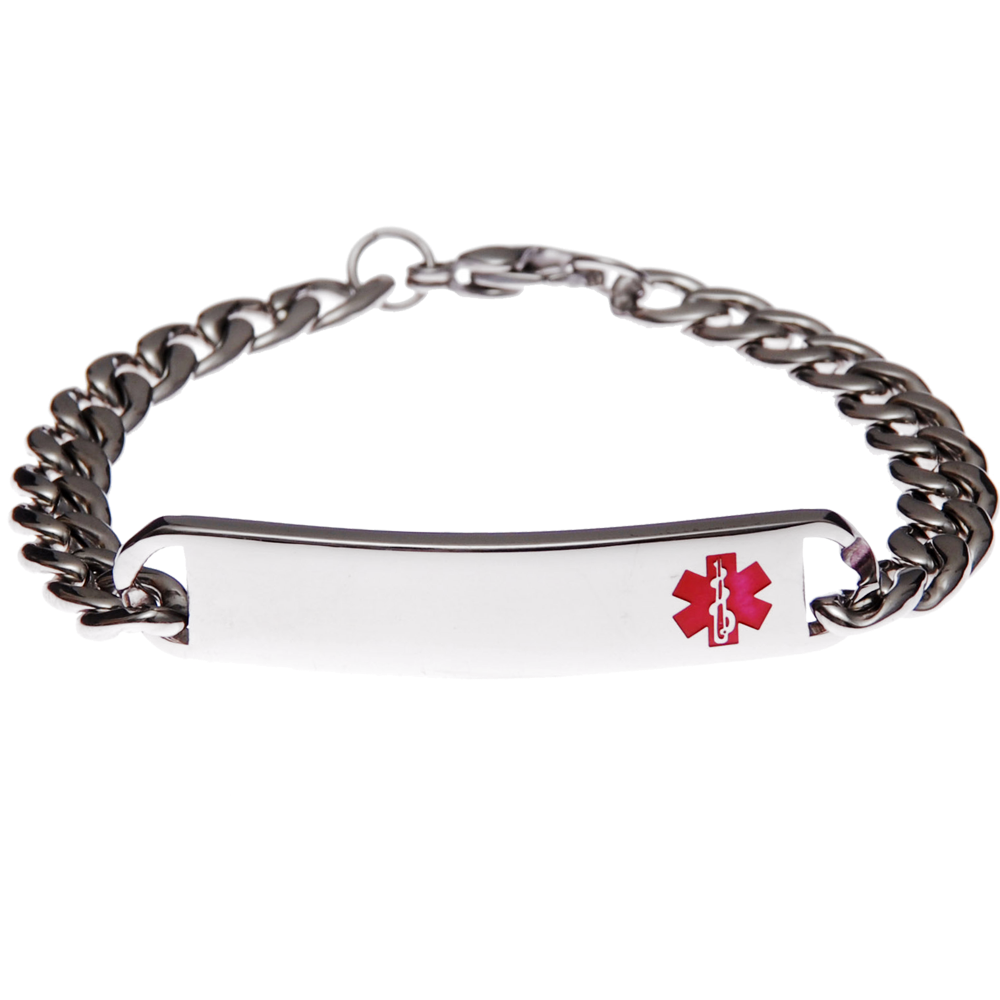
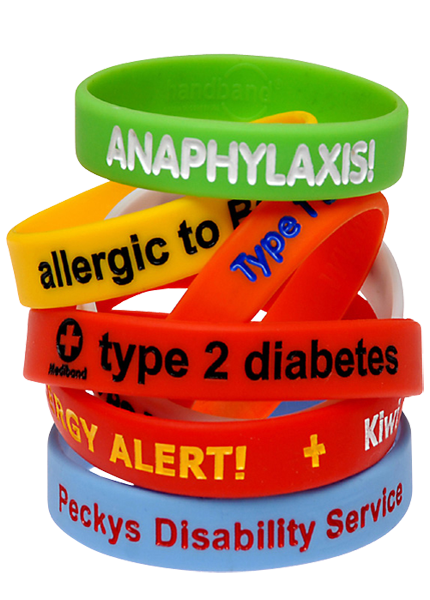
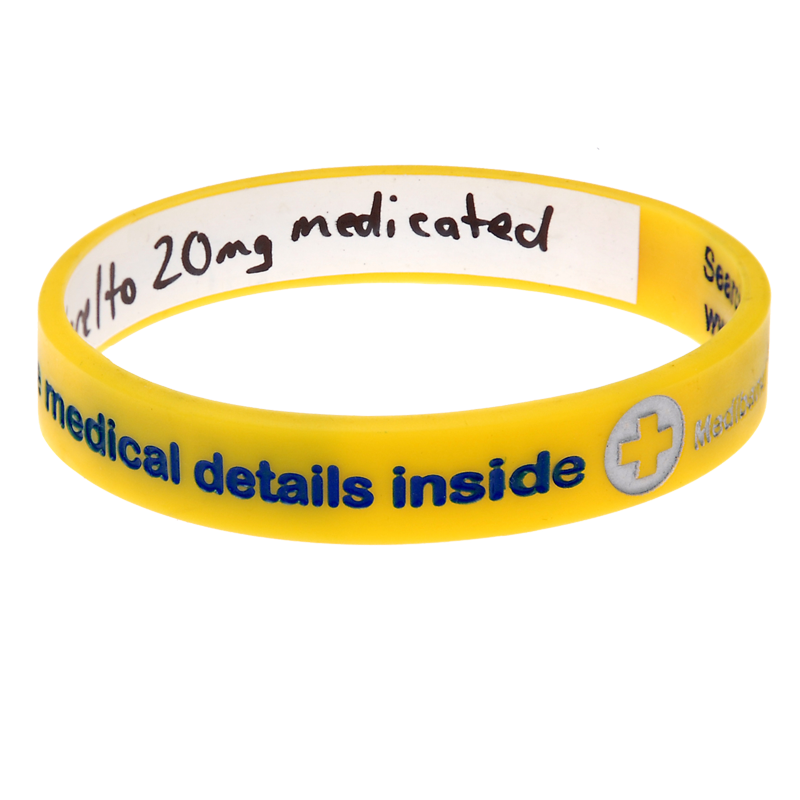
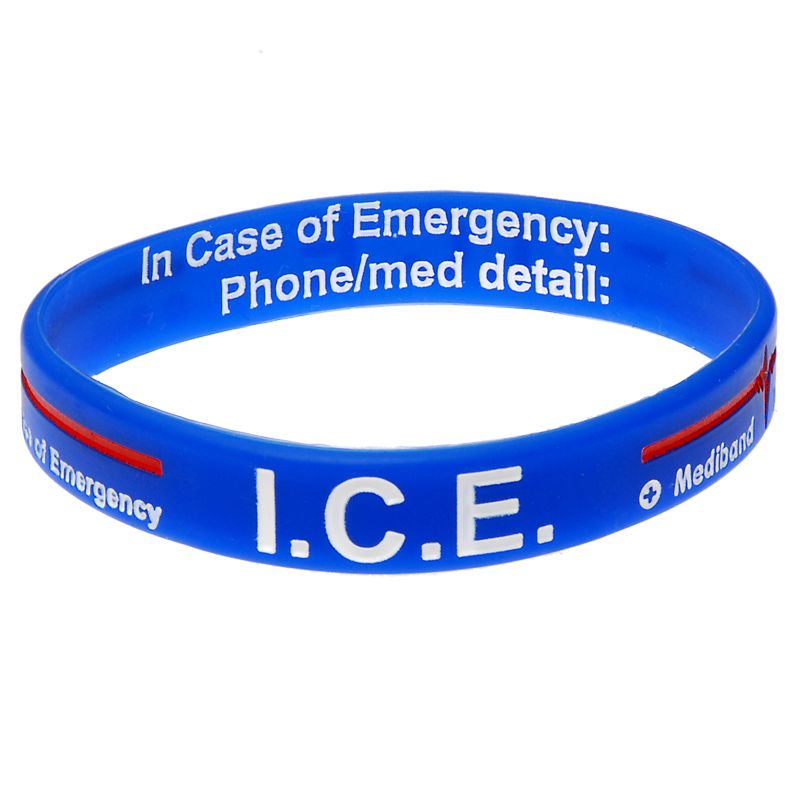
Medical Alert Bracelets Built for Men
Durable, masculine designs that keep you safe around the clock.

Testicular Cancer: A Young Man's Disease
Why Awareness Matters for Younger Men
Unlike prostate cancer, testicular cancer primarily affects younger men aged 15 to 44. It is the most common cancer in young men in many countries, yet it is also one of the most treatable — with a cure rate exceeding 95% when diagnosed early.
Symptoms to watch for include:
- A painless lump or swelling in either testicle
- A feeling of heaviness in the scrotum
- A dull ache in the lower abdomen or groin
- Sudden fluid collection in the scrotum
- Pain or discomfort in a testicle
Regular self-examination takes less than two minutes and should be performed monthly. If you notice any changes, see your doctor promptly. Early detection is the most critical factor in successful treatment.
Men's Mental Health: Breaking the Silence
The Scale of the Crisis
Mental health is arguably the most pressing men's health issue of our time. The World Health Organization reports that approximately 800,000 people die by suicide every year, with men accounting for roughly 75% of all suicides in high-income countries. Depression affects an estimated 280 million people worldwide, yet men are significantly less likely than women to seek help.
The reasons are deeply cultural. Traditional expectations of masculinity often discourage emotional expression, vulnerability, and help-seeking behaviour. Men are socialised to be stoic, self-reliant, and "tough" — qualities that can be valuable but become dangerous when they prevent someone from reaching out during a mental health crisis.
Signs of Mental Health Struggles in Men
Men often express mental health difficulties differently from women. Rather than expressing sadness directly, men may display:
- Irritability and anger: Unexplained outbursts or a shortened temper
- Risk-taking behaviour: Increased alcohol consumption, drug use, or reckless driving
- Social withdrawal: Pulling away from friends, family, and activities they previously enjoyed
- Physical complaints: Headaches, digestive problems, or chronic pain without clear medical cause
- Work obsession: Throwing themselves into work to avoid confronting emotional pain
How to Help — and How to Get Help
If you are struggling, know that seeking help is not weakness — it is one of the strongest things you can do. Reach out to a trusted friend, family member, or mental health professional. Crisis helplines are available 24/7 in most countries.
If you are concerned about a man in your life, start a conversation. Movember's campaign encourages people to "Ask him, are you okay?" — a simple question that can open the door to a life-changing conversation. Listen without judgment, express concern, and encourage professional support.
Why Men Should Wear Medical Alert Bracelets
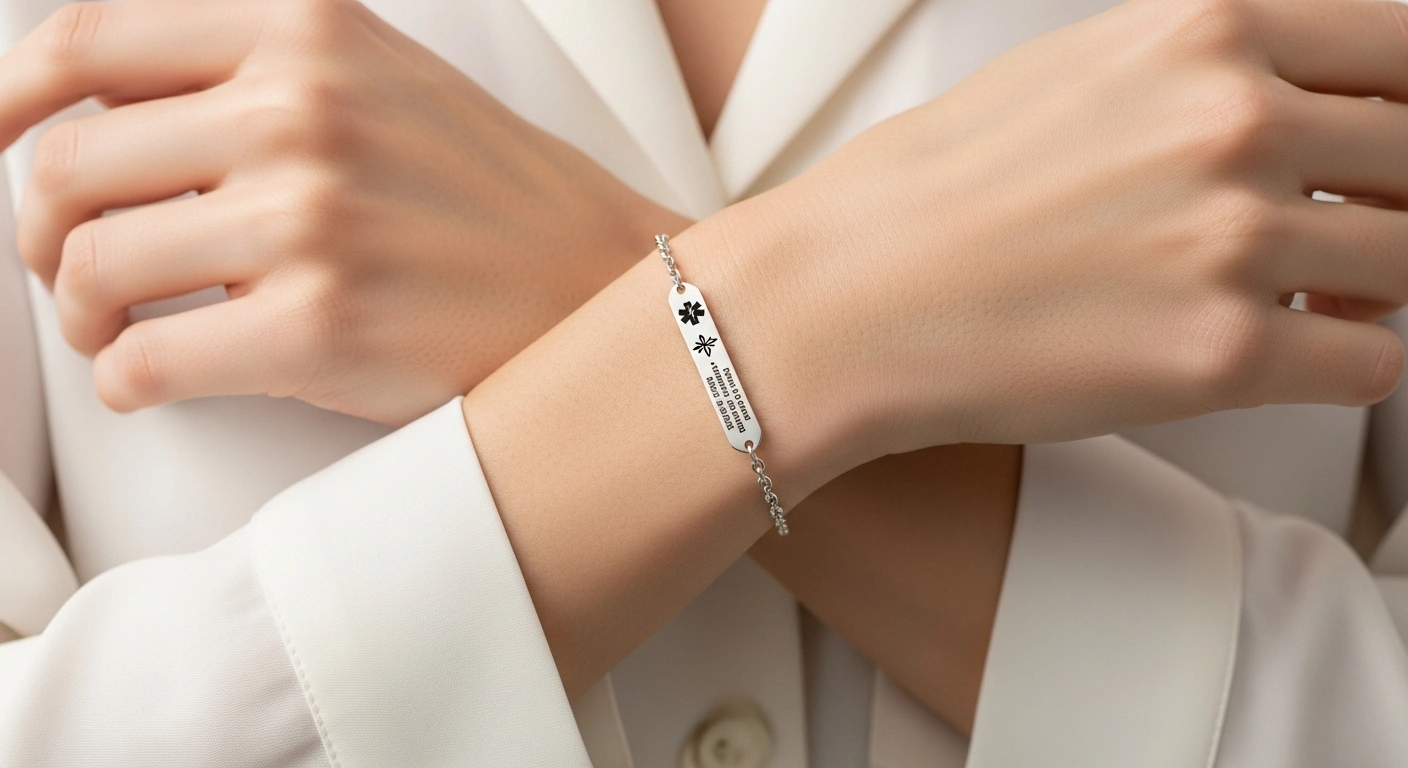
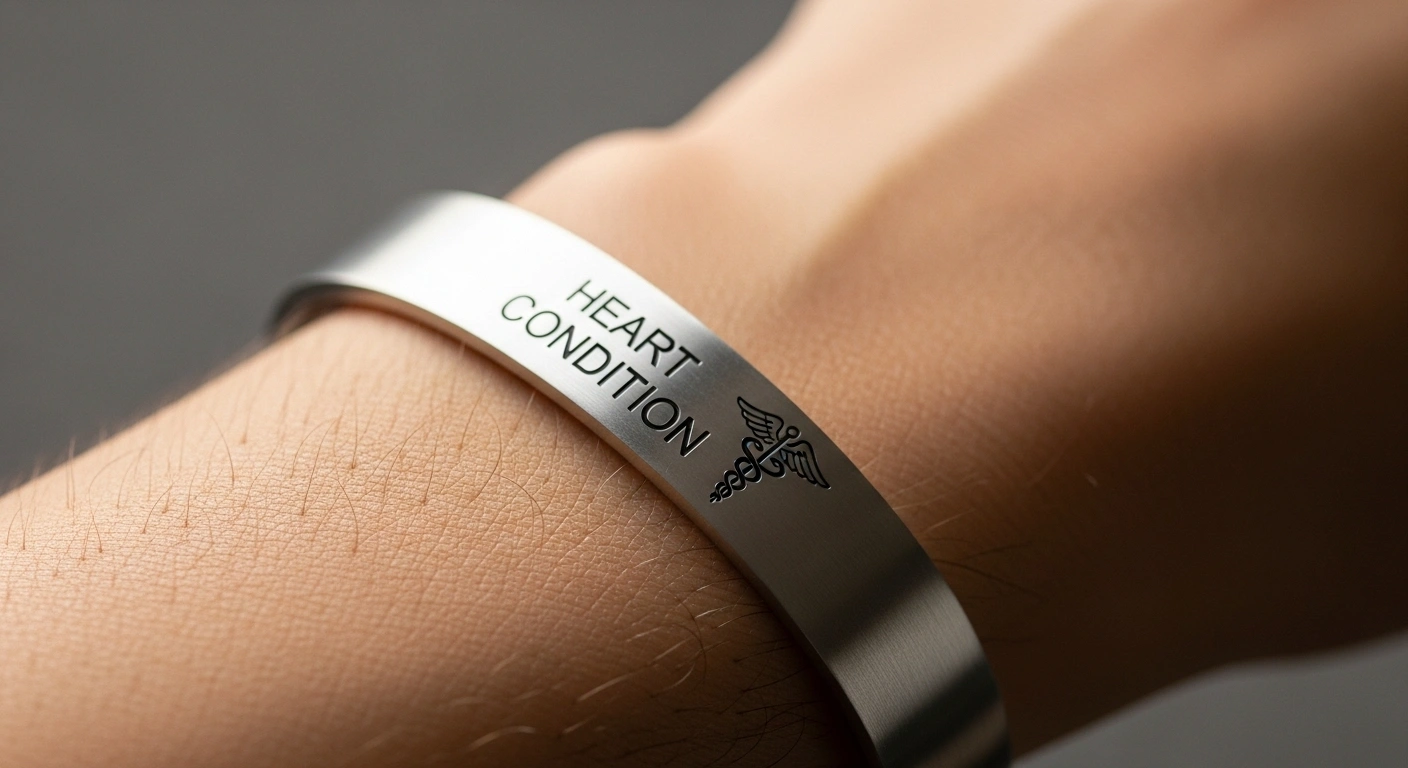
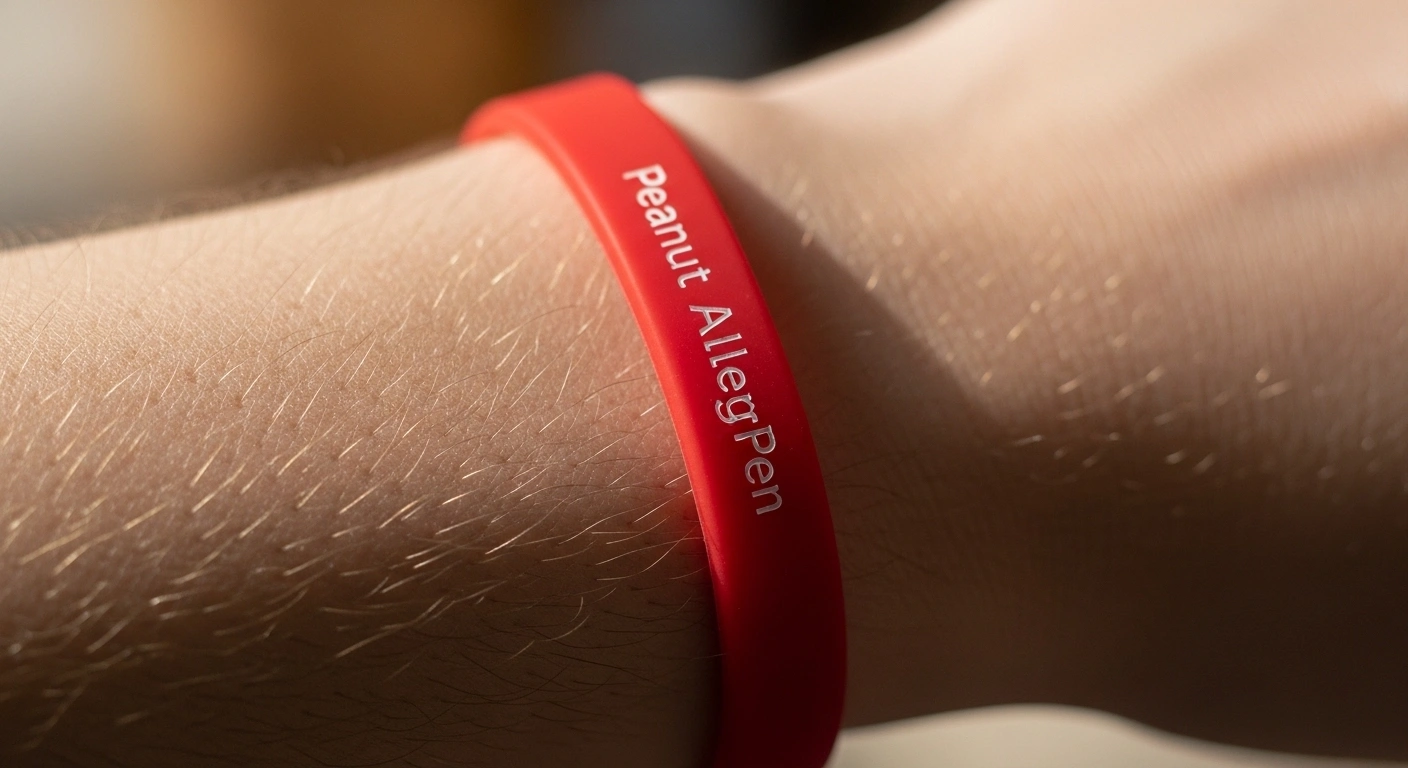
Men are statistically less likely to wear medical identification than women, despite being just as likely to have conditions that require it. Whether you live with heart disease, diabetes, epilepsy, severe allergies, or take medications like blood thinners, a medical alert bracelet can save your life.
Common reasons men avoid medical IDs include concerns about appearance and stigma. That is why Mediband designs masculine, durable bracelets that look like regular jewellery while carrying life-saving information. Our stainless steel range is designed specifically for men who want protection without compromising on style.
In an emergency — whether it is a car accident, a workplace injury, a severe allergic reaction, or a seizure — your medical alert bracelet speaks for you when you cannot. It tells paramedics exactly what they need to know: your condition, your medications, your allergies, and who to call.
Taking Action Beyond Movember
Movember is a powerful catalyst for conversation, but men's health requires attention all year round. Here is your action plan:
- Schedule regular check-ups: Do not wait until something feels wrong. Annual health screenings can catch problems early.
- Know your numbers: Blood pressure, cholesterol, blood sugar, and BMI — understand what they mean and keep them in healthy ranges.
- Talk about your mental health: Make it a habit to check in with yourself and others. Normalise conversations about how you are really feeling.
- Stay physically active: Regular exercise reduces the risk of almost every chronic disease and is one of the most effective natural treatments for mild to moderate depression.
- Wear a medical alert bracelet: If you have any chronic condition, allergy, or take ongoing medication, a medical ID protects you in every situation.
- Encourage the men around you: Share information, start conversations, and support the men in your life to prioritise their health.
This Movember — and every month after — make your health a priority. Your life is worth protecting, and it starts with one small step today.
Frequently Asked Questions
What is Movember and what health issues does it focus on?
Movember is a global men's health movement founded in 2003 that raises awareness and funds for prostate cancer, testicular cancer, mental health, and suicide prevention. Since its founding, the Movember Foundation has funded over 1,320 projects across 20 countries, raising more than $1.3 billion to improve men's health outcomes worldwide.
At what age should men start screening for prostate cancer?
Most health guidelines recommend discussing prostate cancer screening with your doctor from age 50. However, men with a family history of prostate cancer or those of African descent should begin conversations about screening from age 45 due to higher risk factors. Early detection through PSA blood tests results in a 5-year survival rate exceeding 99%.
What are the signs of testicular cancer?
Key symptoms include a painless lump or swelling in either testicle, a feeling of heaviness in the scrotum, dull aches in the lower abdomen or groin, and sudden fluid collection. Monthly self-examinations take less than two minutes. Testicular cancer primarily affects men aged 15-44 and has a cure rate exceeding 95% when diagnosed early.
Why do men avoid seeking help for mental health issues?
Traditional masculinity expectations often discourage emotional expression and vulnerability. Men are socialised to be stoic and self-reliant, which can prevent them from reaching out during crises. Men may express depression through irritability, risk-taking behaviour, social withdrawal, or physical complaints rather than expressing sadness directly, making it harder to recognise.
Should men wear medical alert bracelets?
Absolutely. Men are statistically less likely to wear medical identification despite equal likelihood of having conditions requiring it. Modern medical alert bracelets from Mediband come in masculine stainless steel designs that look like regular jewellery. In emergencies such as car accidents, workplace injuries, or medical episodes, a bracelet communicates your conditions and medications when you cannot speak.

Share on Facebook

Share on X

Share on Pinterest
Comment(s)
Recent Posts

The Risk Of Not Wearing An Allergy Medical Alert Bracelet
March 23, 2026