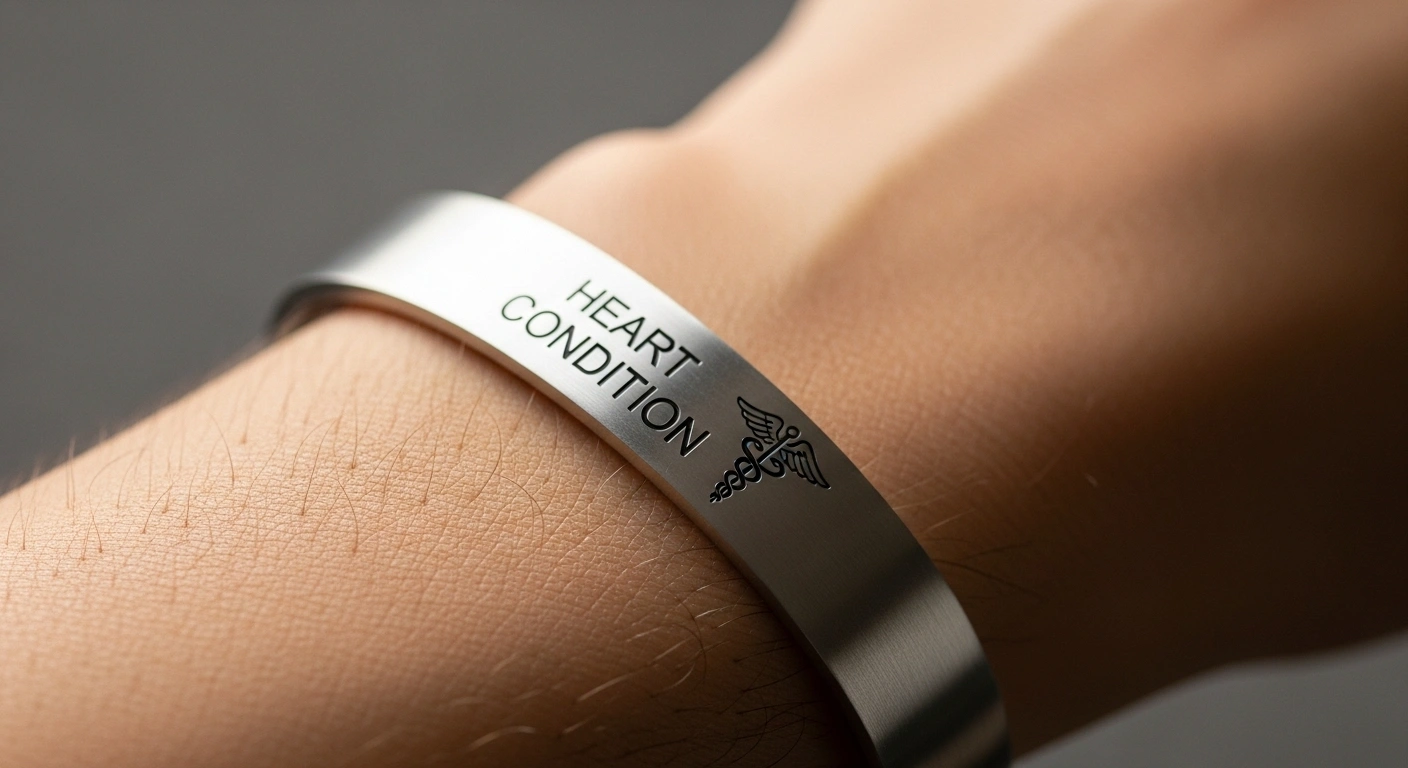
Organ Donation and DonateLife Week: Everything You Need to Know
July 29, 2022

Organ Donation: The Gift That Saves and Transforms Lives
Every single day, people around the world die waiting for an organ transplant that never comes. According to the World Health Organization, approximately 150,000 solid organ transplants are performed globally each year — yet this meets less than 10% of the actual need. In many countries, the waiting list for a life-saving organ grows longer every year, with thousands of people dying before a suitable organ becomes available.
DonateLife Week — observed annually in many countries to promote organ and tissue donation awareness — serves as a powerful reminder that a single decision to become a donor can save up to eight lives through organ donation and enhance the lives of up to 50 more through tissue donation. This guide covers everything you need to know about organ donation, how to register your wishes, and why medical alert bracelets play an important role for both donors and recipients.
How Organ Donation Works
Types of Organ and Tissue Donation
Organ donation falls into two main categories:
- Deceased donation: Organs and tissues are retrieved after a person has been declared brain dead or, in some cases, after circulatory death in hospital. This is the most common pathway for organ donation and can provide kidneys, liver, heart, lungs, pancreas, and intestines.
- Living donation: A living person donates an organ (most commonly a kidney) or part of an organ (such as a liver lobe) to someone in need. Living donation accounts for a significant proportion of kidney transplants worldwide.
Tissues that can be donated include corneas, skin, heart valves, bone, tendons, and blood vessels. Tissue donation is possible in many more circumstances than organ donation and can be performed up to 24 hours after death.
The Donation Process
Organ donation only occurs after every effort has been made to save the patient's life and death has been confirmed by doctors who are completely independent of the transplant team. The process follows strict medical and ethical protocols:
- Doctors confirm brain death or circulatory death using rigorous clinical criteria
- The organ donation team is notified and checks the national donor registry
- Family members are consulted about the patient's wishes regarding donation
- Medical suitability is assessed — blood type, organ function, infectious disease screening
- Recipients are matched through the national allocation system based on medical urgency, compatibility, and waiting time
- Organs are retrieved in a surgical procedure performed with the same care and respect as any other operation
- Organs are transported to recipient hospitals, often with extreme time urgency
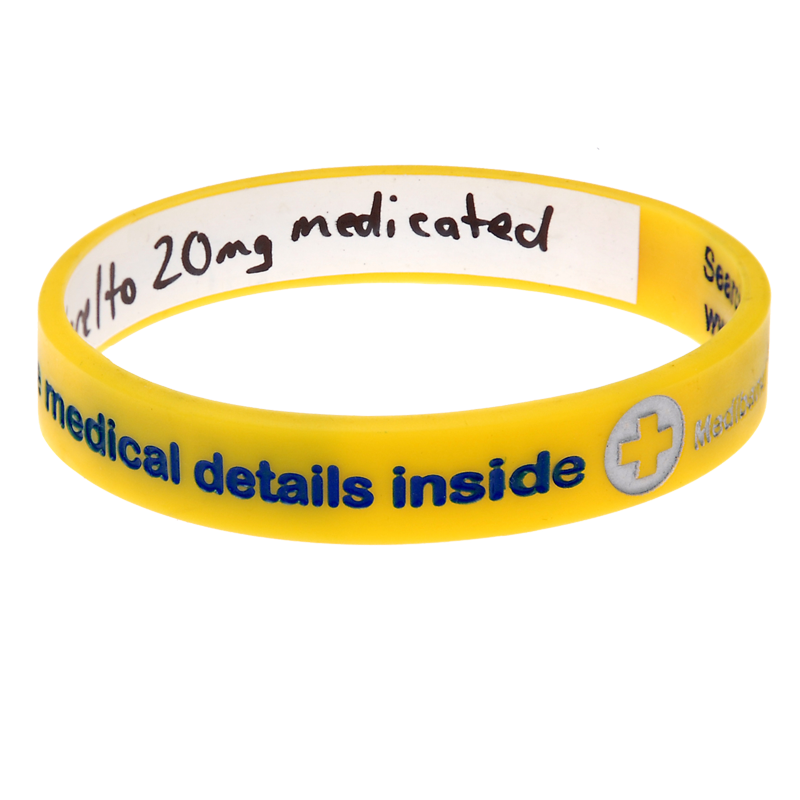
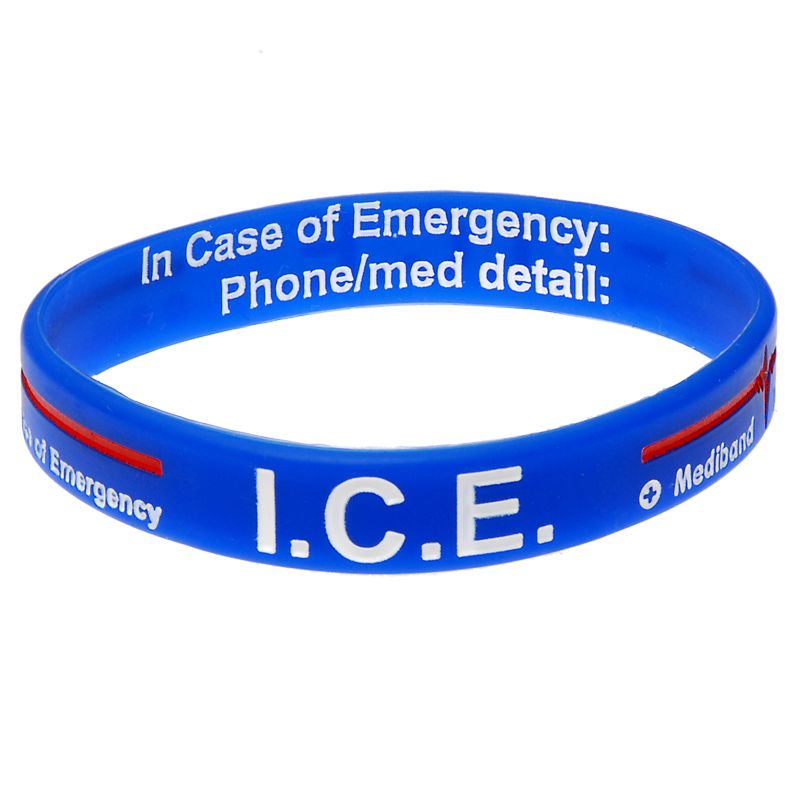
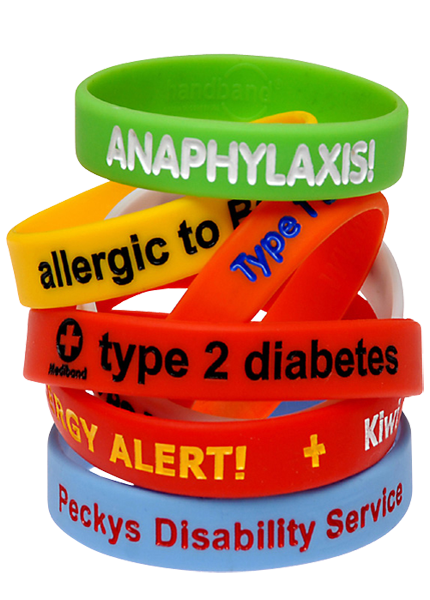
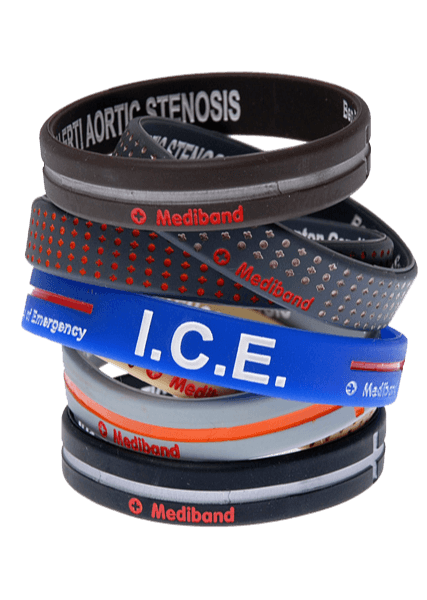
Medical Alert Bracelets for Organ Donors & Recipients
Communicate your donor status or transplant needs to emergency responders instantly.

Debunking Common Myths About Organ Donation
Myth: Doctors Will Not Try as Hard to Save My Life if I Am a Registered Donor
This is one of the most persistent and harmful myths about organ donation. The reality is that the medical team treating you has absolutely no connection to the transplant team. Their sole focus is saving your life. Organ donation is only considered after all life-saving measures have been exhausted and death has been formally declared. Donation teams are never involved in end-of-life care decisions.
Myth: I Am Too Old or Too Unhealthy to Donate
There is no age limit for organ donation. The oldest organ donor on record was over 90 years old. Medical suitability is assessed on a case-by-case basis at the time of death. Even people with chronic conditions can often donate — the transplant team evaluates each organ individually. The only absolute exclusions are active cancer (except certain brain tumours) and active HIV infection.
Myth: My Religion Does Not Support Organ Donation
Most major religions — including Christianity, Islam, Judaism, Hinduism, Buddhism, and Sikhism — support or permit organ donation as an act of charity and compassion. Many religious leaders actively encourage their communities to consider donation. If you have specific concerns, speak with your religious leader for guidance relevant to your faith tradition.
Myth: Rich or Famous People Get Organs Faster
Organ allocation is governed by strict medical criteria and national allocation systems designed to ensure fairness. Factors include medical urgency, blood type compatibility, body size match, waiting time, and geographic proximity (because organs have limited preservation time). Wealth, race, celebrity status, and social position play no role in the allocation process.
How to Register as an Organ Donor
Registering your donation wishes is simple and takes just minutes:
- Sign up to your national donor registry: Most countries maintain an official online registry where you can record your wish to be an organ and tissue donor
- Tell your family: This is critically important. Even if you are registered, your family may be consulted at the time of your death. A study published in Transplantation (2021) found that families are 90% more likely to support donation when they know their loved one's wishes
- Discuss it with your partner and close family members: Have an open, honest conversation about your decision and your reasons
- Include it in your advance care directive: A legal document outlining your healthcare wishes
- Wear identification: A medical alert bracelet or card indicating your donor status can reinforce your wishes
Medical Alert Bracelets for Organ Donors and Transplant Recipients
For Organ Donors
While wearing a medical alert bracelet is not a legal substitute for official donor registration, it provides an additional layer of communication. A bracelet stating "Organ Donor" reinforces your wishes to healthcare teams and family members, ensuring your decision is visible and unambiguous even in chaotic emergency situations.
For Transplant Recipients
For people who have received an organ transplant, a medical alert bracelet is medically essential. Transplant recipients:
- Take immunosuppressant medications for life: These drugs prevent organ rejection but significantly increase infection risk. Emergency teams need to know about these medications immediately.
- Require special medical considerations: Standard treatments for infections, injuries, or other emergencies may need to be modified for transplant recipients.
- May experience organ rejection symptoms: If a transplant recipient presents with fever, pain at the transplant site, or organ dysfunction, emergency teams need to know about the transplant to provide appropriate urgent care.
- Cannot receive certain medications: Some common drugs interact dangerously with immunosuppressants. A medical ID alerts providers to check for interactions before administering any medication.
An ICE write-on bracelet is ideal for transplant recipients because it allows you to include your transplant type, key medications, and your transplant coordinator's contact number — all updatable as your treatment evolves.
The Impact of Organ Donation: Real Numbers That Matter
The impact of organ donation extends far beyond the individual recipients:
- One organ donor can save up to 8 lives and enhance up to 50 more through tissue donation
- A kidney transplant from a deceased donor lasts an average of 12-15 years, while a kidney from a living donor can last 15-20 years or more
- Heart transplant recipients have a median survival of 12.5 years, with many living much longer
- Cornea transplants restore sight to approximately 50,000 people worldwide each year
- The cost savings are significant: A kidney transplant is far less expensive long-term than dialysis, benefiting both the patient's quality of life and healthcare systems
Despite these incredible outcomes, the gap between supply and demand remains vast. The single most impactful thing you can do is register your decision and tell your family. Whether you choose to donate or not, having your wishes clearly recorded removes an enormous burden from your loved ones during the most difficult time of their lives.
This DonateLife Week — and every week — consider the extraordinary gift that organ donation represents. One decision, made now, could one day give someone the chance to see their children grow up, return to work, or simply enjoy another sunrise. Register, discuss, and wear your wishes proudly.
Frequently Asked Questions
How many lives can one organ donor save?
A single organ donor can save up to eight lives through organ donation (two kidneys, liver, heart, two lungs, pancreas, and intestines) and enhance the lives of up to 50 more people through tissue donation including corneas, skin, heart valves, bone, and tendons. This makes organ donation one of the most impactful acts of generosity possible.
Is there an age limit for organ donation?
There is no age limit for organ donation. The oldest organ donor on record was over 90 years old. Medical suitability is assessed individually at the time of death based on each organ's condition. Even people with chronic health conditions can often donate. The only absolute exclusions are active cancer (except certain brain tumours) and active HIV infection.
Will doctors still try to save my life if I am a registered organ donor?
Absolutely. The medical team treating you is completely separate from any transplant team and has no knowledge of your donor status during treatment. Their sole priority is saving your life using every available measure. Organ donation is only considered after death has been formally declared by independent doctors following rigorous clinical criteria.
Why should transplant recipients wear a medical alert bracelet?
Transplant recipients take lifelong immunosuppressant medications that increase infection risk and interact dangerously with common drugs. In emergencies, medical teams need to know about the transplant immediately to modify treatment appropriately, check for drug interactions, and recognise potential organ rejection symptoms. A bracelet communicates this critical information instantly.
How do I register as an organ donor?
Register through your country's official donor registry — most offer quick online registration. Crucially, tell your family about your decision, as they may be consulted at the time of death. Research shows families are 90% more likely to support donation when they know their loved one's wishes. Include your decision in your advance care directive and consider wearing a donor identification bracelet.

Share on Facebook

Share on X

Share on Pinterest
Comment(s)
Recent Posts

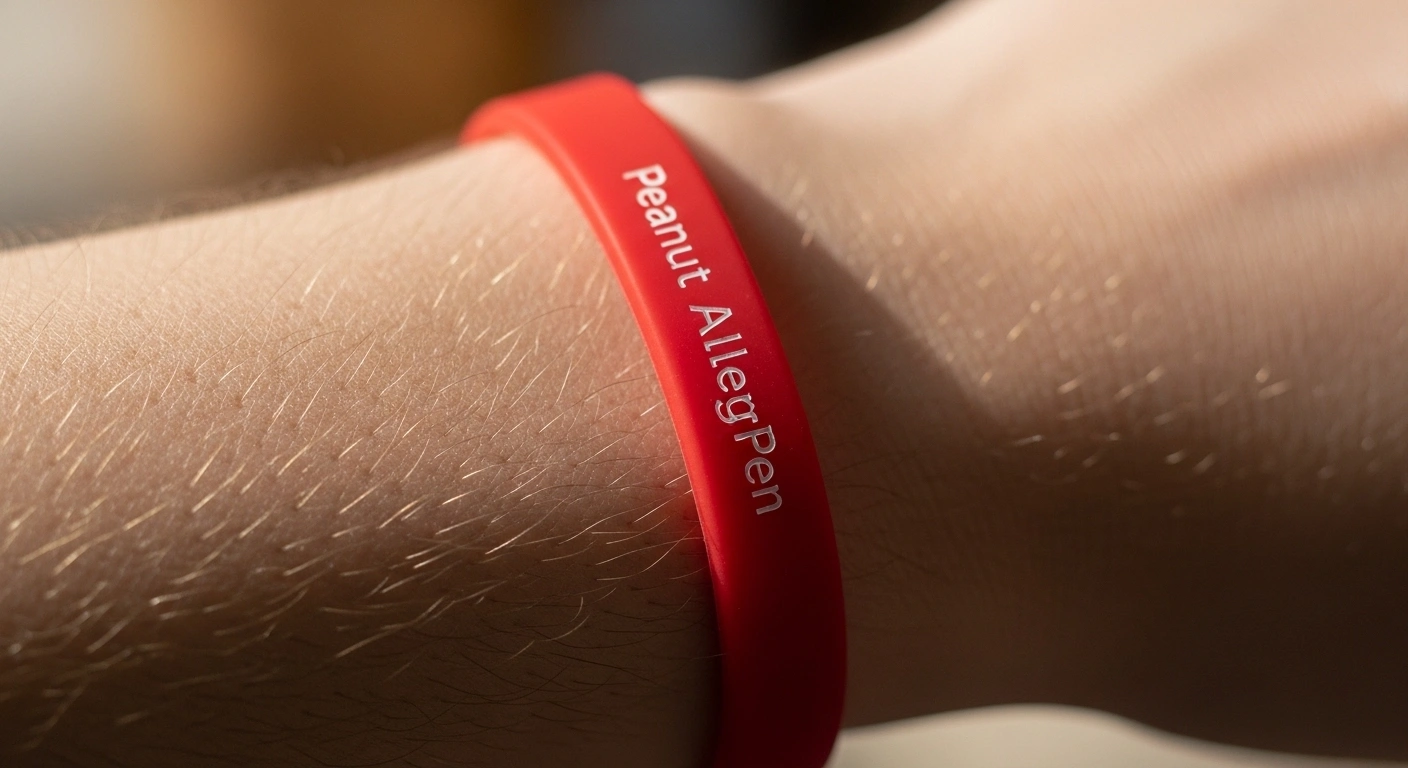
The Risk Of Not Wearing An Allergy Medical Alert Bracelet
March 23, 2026