Sports Medical ID Wristbands: Why Every Active Person Needs One
July 31, 2023

What Is a Sports Medical ID Wristband?
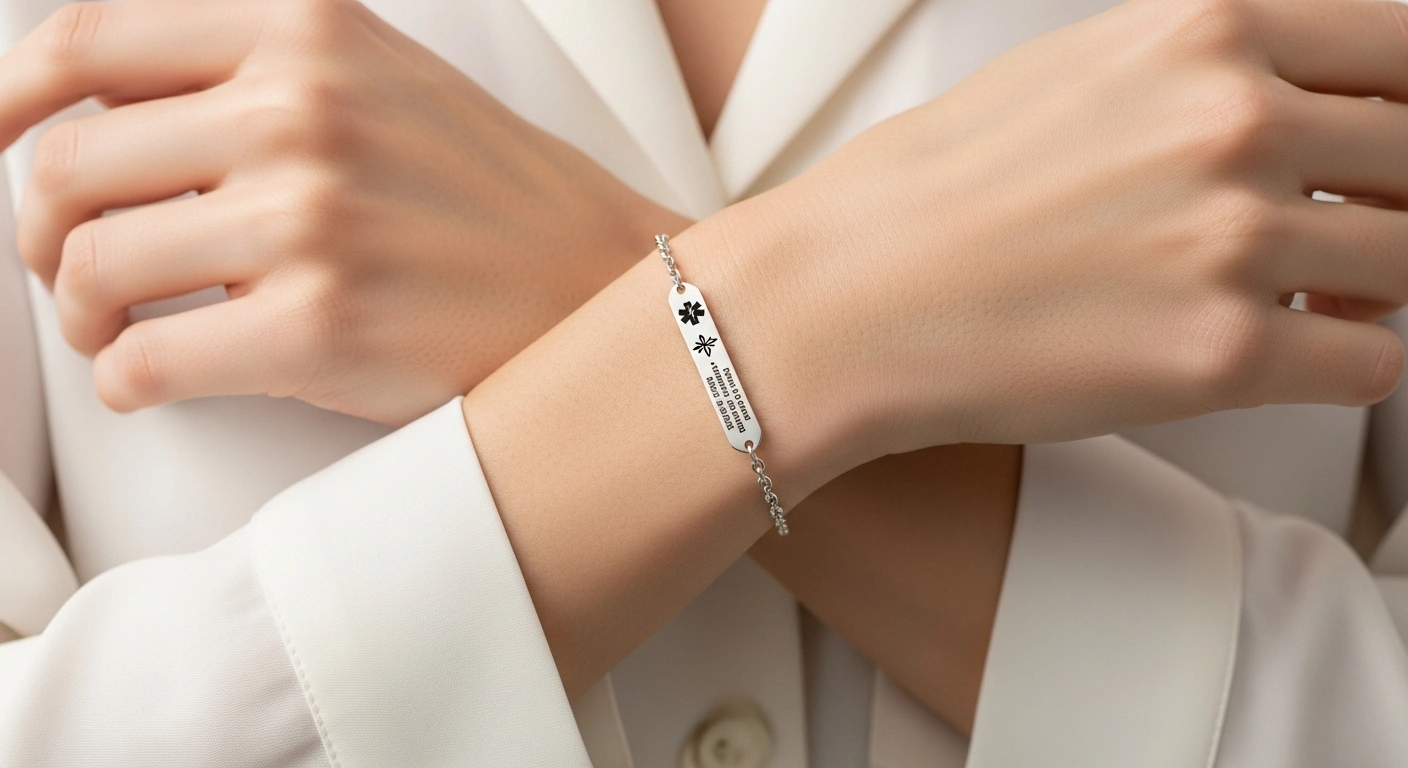
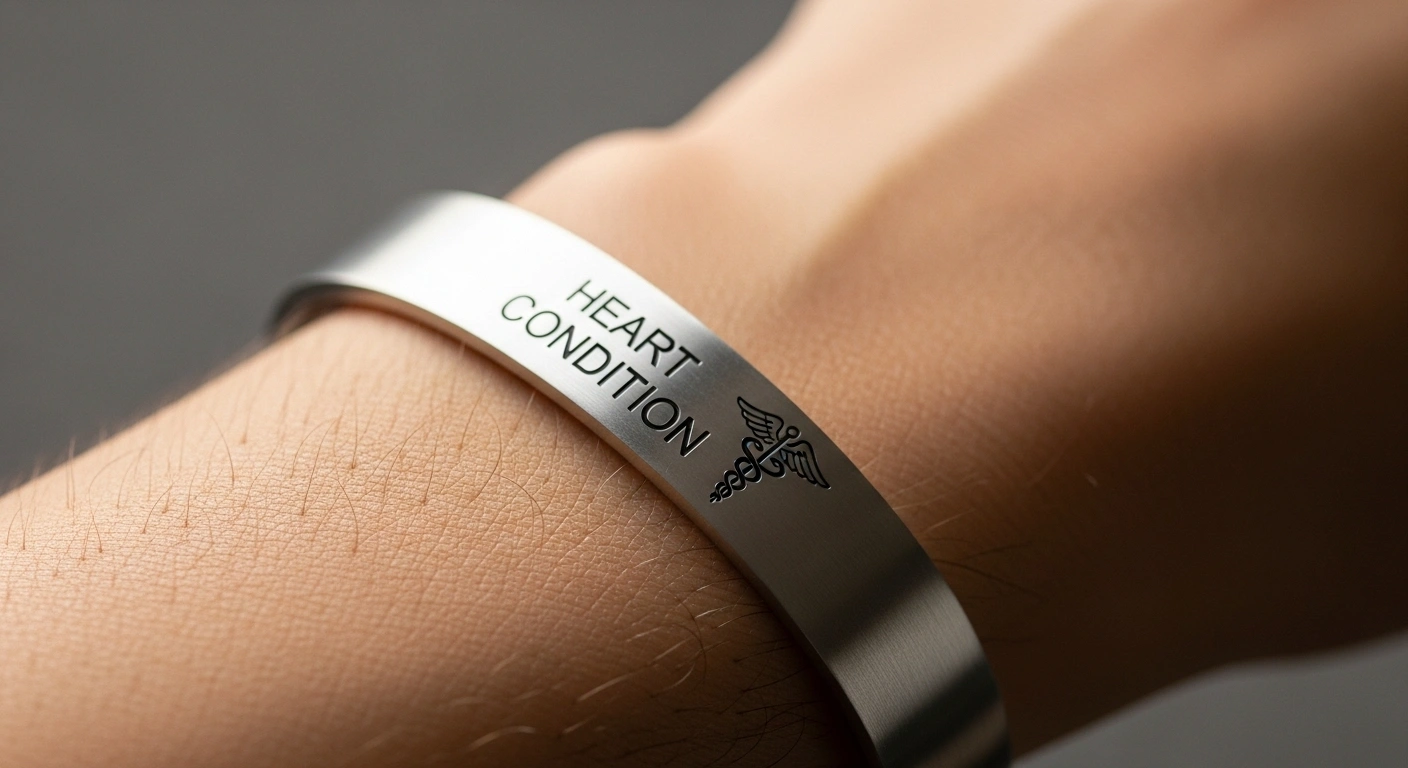
A sports medical ID wristband is a wearable identification device designed to communicate critical health information about the wearer — quickly and reliably — in an emergency situation during or after physical activity. Unlike traditional medical jewellery, sports medical IDs are specifically designed to withstand the demands of athletic environments: sweat, water, impact, and sustained wear during intense exercise.
For the hundreds of millions of people worldwide who manage a chronic or serious medical condition while maintaining an active lifestyle, a sports medical ID is not just useful — it is potentially life-saving. In a medical emergency during sport — an anaphylactic reaction, an epileptic seizure, a hypoglycaemic episode, or a cardiac event — the minutes between the onset of the emergency and appropriate treatment are critical. A bracelet that immediately communicates the wearer's condition, relevant allergies, medications, and emergency contacts removes dangerous information gaps that could delay correct care.
According to the American College of Emergency Physicians, medical identification is one of the first things checked by emergency responders when a patient is unable to communicate. For athletes and active individuals, this makes a sports medical ID bracelet the single most reliable piece of personal safety equipment they can carry — or rather, wear.
Who Needs a Sports Medical ID Wristband?
Any active person with a medical condition that could affect them during exercise or that is relevant to emergency treatment should wear a sports medical ID. This includes people with: asthma; epilepsy; type 1 or type 2 diabetes; severe allergies (including bee sting allergy); cardiac conditions such as arrhythmia, stents, or pacemakers; blood clotting disorders; significant drug allergies; and any other condition that requires a specific emergency response.
Even people who feel their condition is well-controlled should wear identification during sport. Conditions that are stable day-to-day can behave unpredictably during physical exertion — blood glucose drops in diabetic athletes are more common during sustained aerobic exercise; asthma can be triggered by cold air, pollution, or rapid breathing; anaphylaxis can be triggered by insect stings encountered on trails or sports fields. The bracelet's purpose is precisely to protect you in situations you cannot fully predict.
How Sports Medical IDs Differ from Standard Medical Jewellery
Traditional medical ID jewellery — stainless steel or gold bracelets and pendants — is designed for everyday wear in normal environments. Sports medical IDs, by contrast, must meet a higher standard of practicality: they must stay securely on the wrist during vigorous activity; remain legible after repeated exposure to sweat, sunscreen, and water; not cause skin irritation during extended wear; and not interfere with wrist movement, equipment grip, or swimming stroke.
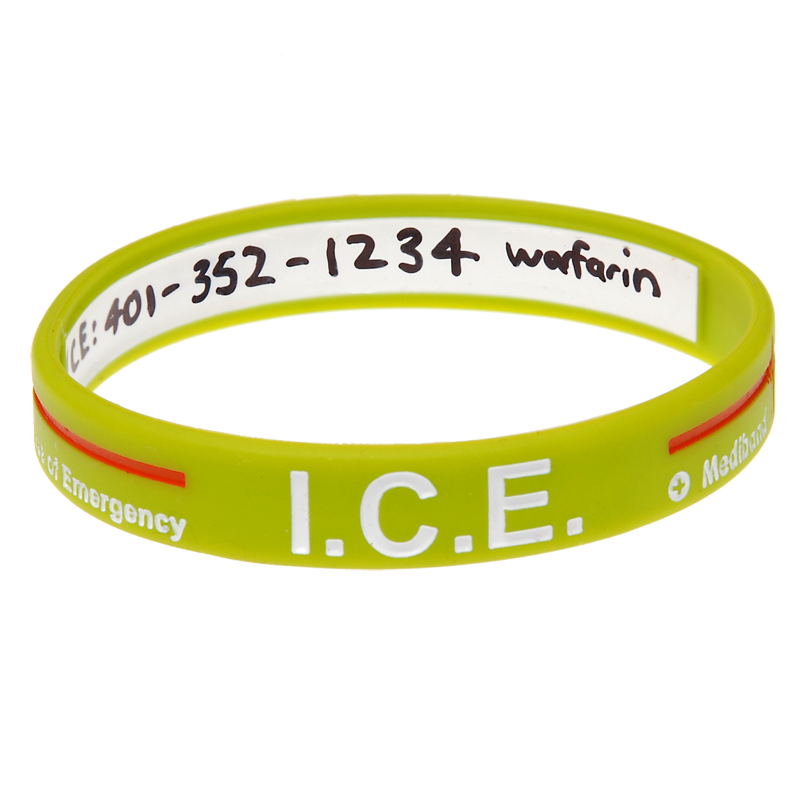
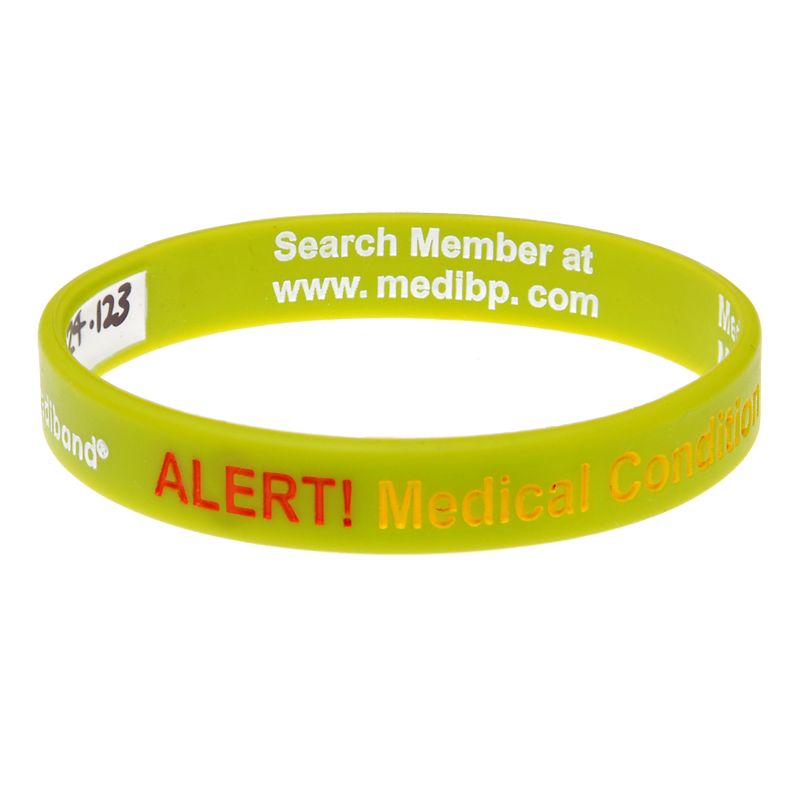
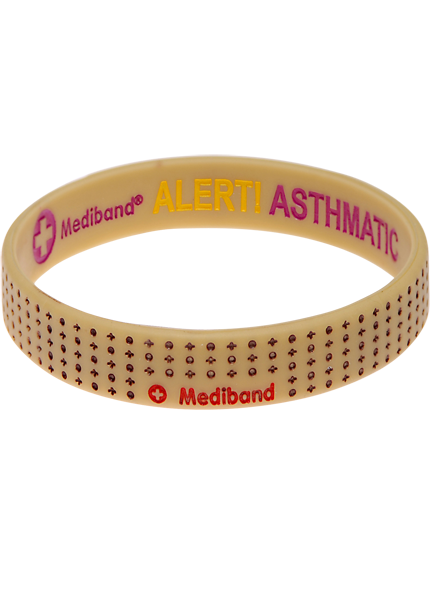
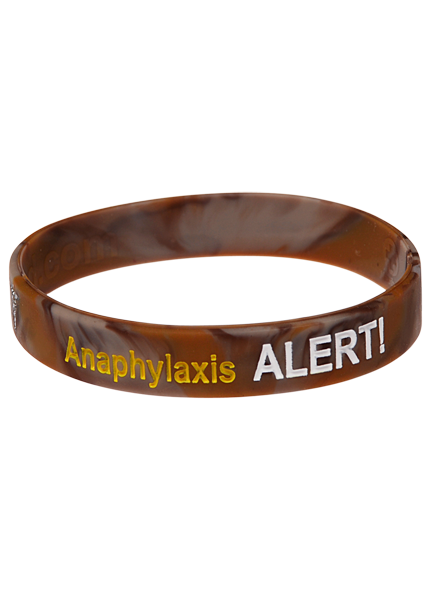
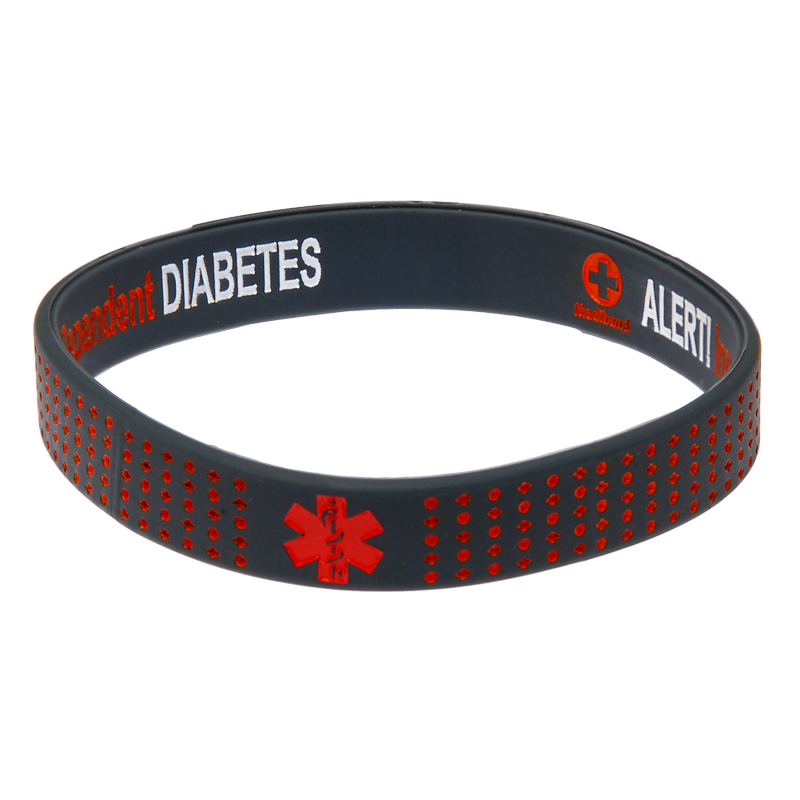
Silicone wristbands meet all of these criteria. They are flexible, lightweight, hypoallergenic, fully waterproof, and comfortable for sustained wear during any sport. Reversible silicone write-on wristbands offer the additional advantage of customisation — the wearer can record their specific condition, medications, and emergency contact details directly on the bracelet, without waiting for engraving and without being limited to a fixed set of pre-printed options.
What Information Should a Sports Medical ID Display?
The most effective sports medical IDs strike a balance between comprehensive and concise — enough detail to guide emergency treatment, compact enough to fit on a wristband. The universally recommended approach is to prioritise the information most critical for emergency decisions.
Primary Medical Alert Information
The most important single piece of information is the condition itself, stated clearly: "Epilepsy," "Diabetes — Insulin Dependent," "Anaphylaxis Risk — Peanuts," "Asthma — Use Inhaler," or equivalent. This tells responders immediately what they are dealing with and guides the first and most critical decisions. If you have multiple conditions, list the most emergency-relevant first.
Medication and Emergency Response
If you carry emergency medication — an adrenaline auto-injector, a glucagon kit, rescue bronchodilator, or nitroglycerin — include the instruction "Use EpiPen" or "Carry EpiPen" as appropriate. This directs responders to look for and use your emergency medication rather than waiting for hospital-dispensed drugs. For diabetics, "Check Blood Sugar" prompts the correct first assessment. For cardiac conditions, "Has Pacemaker" prevents the use of certain equipment that could interfere with the device.
Sports Medical ID Wristbands for Active People
The bracelet that works while you do. Built for sport, essential for safety.

How to Choose the Right Sports Medical ID Wristband
The most important criterion for a sports medical ID is simple: it must be the one you actually wear. The best bracelet in the world provides zero protection if it is left on the bedside table because it is uncomfortable, inconvenient, or unattractive. Choosing a bracelet you are willing to wear consistently — through training sessions, competitions, and all forms of outdoor activity — is the non-negotiable starting point.
Beyond this, consider: waterproofing (essential for swimmers, outdoor athletes, and anyone who sweats heavily); comfort during extended wear (silicone is generally superior to metal for active use); information capacity (reversible write-on bracelets carry more detail than single-sided engraved options); adjustability (a bracelet that stays securely positioned on the wrist without slipping); and visibility (bright colours or high-contrast printing ensures the bracelet is noticed immediately in an emergency).
For children who participate in sport, the same principles apply — with the additional consideration that children's bracelets must be sized and secured appropriately for active young bodies. Mediband's children's medical ID range includes sport-appropriate options in sizes and colours that children are likely to accept and wear willingly.
Real-World Scenarios: When a Sports Medical ID Makes the Difference
Understanding the concrete difference a sports medical ID makes in real emergency scenarios helps illustrate why it is such a critical piece of equipment. Consider these representative situations:
A recreational runner with epilepsy has a tonic-clonic seizure on a park path. A passer-by calls emergency services and sees the bracelet on their wrist: "Epilepsy — Do Not Restrain — Call Doctor [number]." The correct response is applied immediately — no restraint, positioning on their side, timing the seizure, calling the listed contact. Without the bracelet, well-meaning bystanders might attempt to restrain the person, causing injury, or might administer incorrect treatment while responders try to ascertain the cause.
A competitive cyclist with severe bee sting anaphylaxis is stung during a race. They are unable to speak. A race marshal sees the bracelet: "Anaphylaxis — Bee Sting — Use EpiPen in Race Kit." The marshal retrieves the auto-injector and administers it within two minutes. Without the bracelet, the marshal might not have known about the allergy or the location of the medication until it was too late.
These scenarios are not hypothetical — they represent the situations medical ID bracelets are specifically designed for. The investment is small; the potential impact is profound. Explore Mediband's full range of sports-appropriate medical ID bracelets to find the right option for your condition and activity level.
Combining Your Sports Medical ID with a Broader Safety Plan
A sports medical ID is one component of a broader safety strategy for active people with medical conditions. For maximum protection, combine it with: informing training partners, coaches, and teammates about your condition and emergency response; carrying appropriate emergency medication in your sports kit; registering with relevant emergency response systems if available in your area; and maintaining an up-to-date medical summary with your GP.
Many sports clubs and organisations have first aid protocols that specifically reference medical ID bracelets — staff are trained to look for them and act on the information. By wearing a clearly legible bracelet, you are working with these systems rather than relying on other people to guess correctly under pressure.
A medical alert bracelet can also reduce your own anxiety during sport. Knowing that you are identifiable and that the people around you know what to do if something goes wrong is psychologically liberating — it allows you to focus on performance and enjoyment rather than the background worry that can accompany sport when you have a medical condition. View Mediband's reversible write-on sport bracelets and find your perfect match today.
Frequently Asked Questions
Are silicone sports medical ID wristbands waterproof?
Yes — silicone medical ID wristbands are fully waterproof and suitable for swimming, water sports, and heavy sweating during exercise. The silicone material itself is completely water-resistant, and the information is either debossed into the material or printed with inks designed to resist water and UV exposure. For swimmers, silicone wristbands are significantly more practical than metal medical bracelets, which may corrode with repeated exposure to chlorinated or salt water.
Can a sports medical ID bracelet be worn during competition?
Yes — in most sports, medical ID bracelets can be worn during competition. Check the specific rules of your sport or event: some contact sports require tape over bracelets; swimming rules vary by governing body. In almost all cases, officials and medical staff are aware of and supportive of medical ID jewellery, and exceptions can usually be arranged with advance notice. A bracelet removed for a specific competition should always be put back on immediately after.
How often should I update the information on my sports medical ID?
Update your medical ID whenever your medical situation changes: new diagnosis, change of medication, new allergy identified, or change of emergency contact details. Review the information on your bracelet at least annually as part of your general health review. For write-on bracelets, information can be updated at any time by cleaning the surface and rewriting with an appropriate pen. For engraved bracelets, a new bracelet may be required when information changes significantly.
What is the difference between a sports medical ID and a regular medical alert bracelet?
Sports medical IDs are specifically designed for active use: they are typically made from silicone or other flexible, durable materials rather than metal; they are fully waterproof; they sit securely on the wrist during vigorous movement; they do not have clasps or links that could catch on equipment; and they are often available in bright colours that make them highly visible. Regular medical alert bracelets, particularly metal designs, are better suited to everyday professional and social wear. Many people choose to have both — a silicone sports ID for active use and a stainless steel or sterling silver bracelet for other occasions.
Can children wear sports medical ID wristbands?
Absolutely — and for children with medical conditions who participate in sport, a medical ID is essential. Children's sports medical ID wristbands should be sized appropriately to fit snugly on a child's wrist without slipping, and should be comfortable enough that the child is willing to wear them consistently. Bright colours and fun designs increase compliance. For non-verbal children or those who may not be able to communicate their condition and emergency contact in a stressful situation, a medical ID is particularly critical.

Share on Facebook

Share on X

Share on Pinterest
Comment(s)
Recent Posts
The Risk Of Not Wearing An Allergy Medical Alert Bracelet
March 23, 2026