How to Respond to a Medical Emergency: Essential First Aid Steps
July 14, 2020
1

Why Your First Response Matters More Than You Think
In a medical emergency, the actions taken in the first few minutes can determine whether a person survives, recovers fully, or sustains lasting harm. The American Heart Association reports that for every minute without CPR after cardiac arrest, survival rates decrease by 7-10%. For anaphylaxis, the window between symptom onset and treatment is often as short as 15 minutes. Yet most bystanders hesitate — not from indifference, but from uncertainty about what to do.
This guide provides clear, actionable first aid steps for the most common medical emergencies, so you can act with confidence when it matters most.
The Universal First Response: DRSABCD
Before addressing any specific emergency, apply the DRSABCD framework used by first aid providers globally:
- D — Danger: Ensure the scene is safe for you, bystanders, and the casualty
- R — Response: Check if the person is conscious (squeeze shoulders, ask “Can you hear me?”)
- S — Send for help: Call emergency services immediately or direct someone else to do so
- A — Airway: Tilt the head back gently to open the airway
- B — Breathing: Look, listen, and feel for normal breathing for up to 10 seconds
- C — CPR: Start CPR if the person is not breathing normally
- D — Defibrillation: Apply an AED if available and follow voice prompts
Responding to Cardiac Arrest
Cardiac arrest occurs when the heart stops beating effectively. The person collapses, becomes unresponsive, and stops breathing normally (they may gasp or make abnormal sounds). Act immediately:
- Call emergency services now — put the phone on speaker
- Begin chest compressions: place hands on the centre of the chest and push hard and fast (at least 5cm deep, 100–120 compressions per minute)
- Give rescue breaths if trained (30 compressions to 2 breaths); if untrained, continue compressions only
- Use an AED as soon as one is available and follow the device instructions
- Continue until emergency services arrive or the person recovers
Responding to Anaphylaxis
Anaphylaxis is a severe, life-threatening allergic reaction. Symptoms include hives, facial swelling, throat tightening, breathing difficulty, rapid pulse, and collapse. Time is critical:
EpiPen First, Then Call Emergency Services
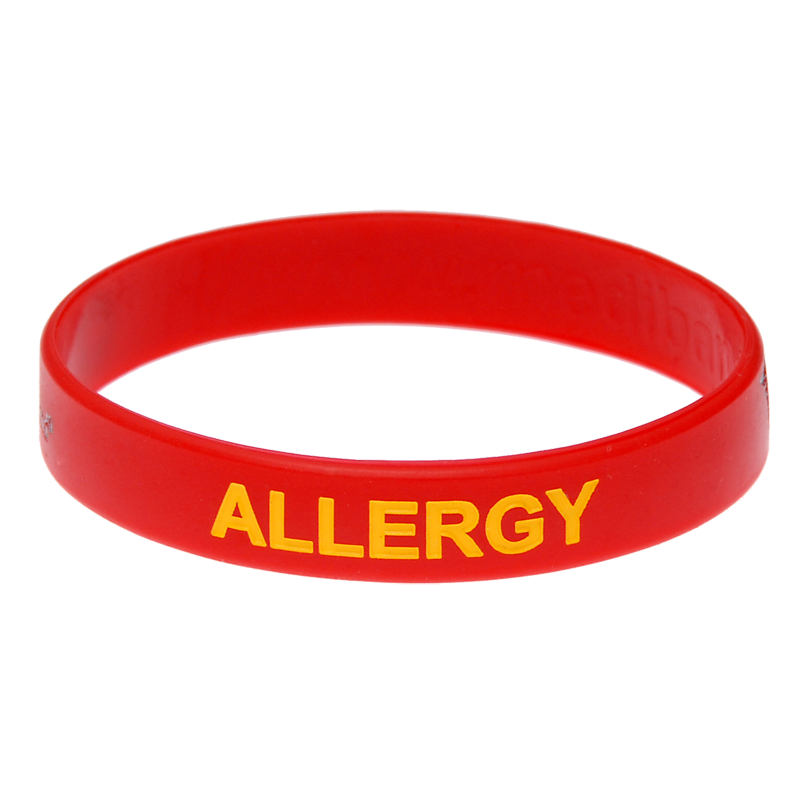
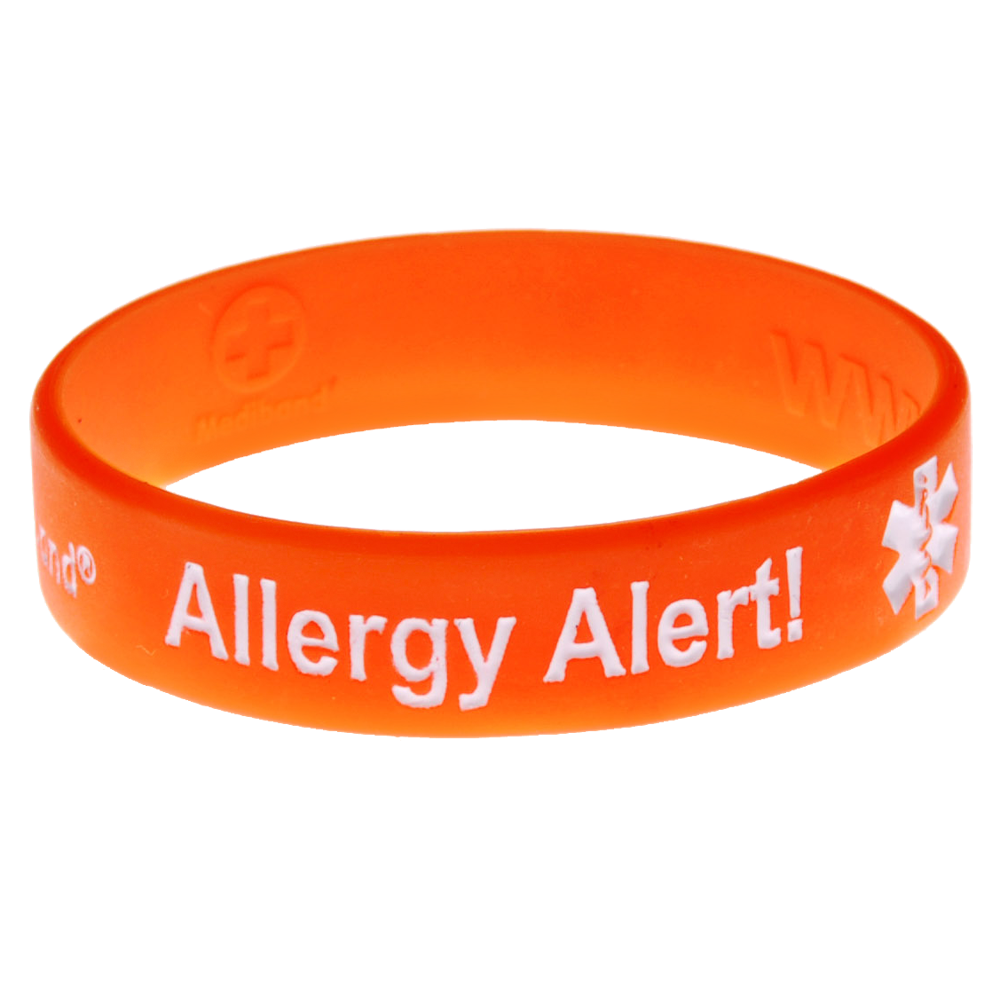
- Use the EpiPen (adrenaline auto-injector) immediately if available — check the person’s medical alert bracelet for confirmation
- Call emergency services immediately, even if symptoms improve
- Lay the person flat with legs elevated unless they have breathing difficulty (sit them up)
- A second EpiPen can be administered after 5 minutes if symptoms do not improve
- Do not give oral medications — the airway may be compromised
Responding to a Seizure
Seizures can look frightening, but most are not immediately life-threatening. Your primary roles are protection and observation:
- Clear the area of hard or sharp objects
- Cushion the person’s head with something soft
- Do NOT restrain the person or put anything in their mouth
- Turn them onto their side if possible (recovery position) to prevent aspiration
- Time the seizure — call emergency services if it lasts more than 5 minutes or a second seizure follows immediately
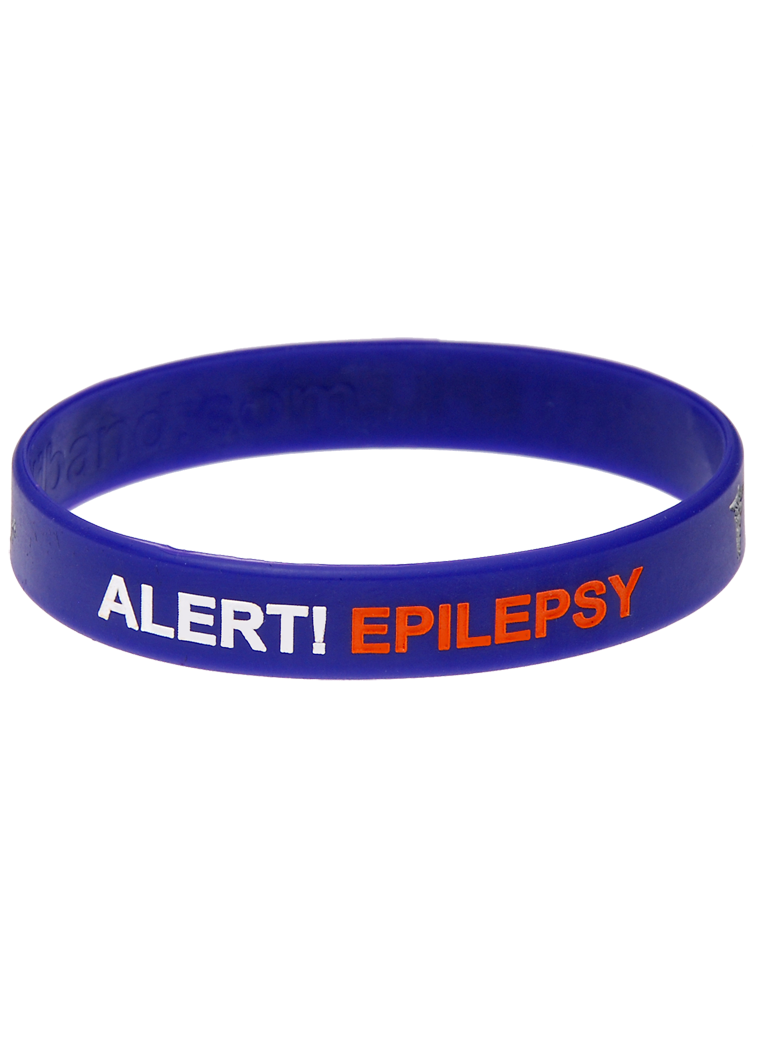
- Check their epilepsy medical alert bracelet for specific care instructions
Responding to a Diabetic Emergency
Low blood sugar (hypoglycaemia) can cause confusion, shakiness, sweating, pale skin, and loss of consciousness. If the person is conscious and able to swallow:
- Give 15–20g of fast-acting sugar: glucose tablets, 150ml of fruit juice, or regular soft drink
- Wait 15 minutes and recheck — repeat if symptoms persist
- Once recovered, give a longer-acting carbohydrate (bread, crackers)
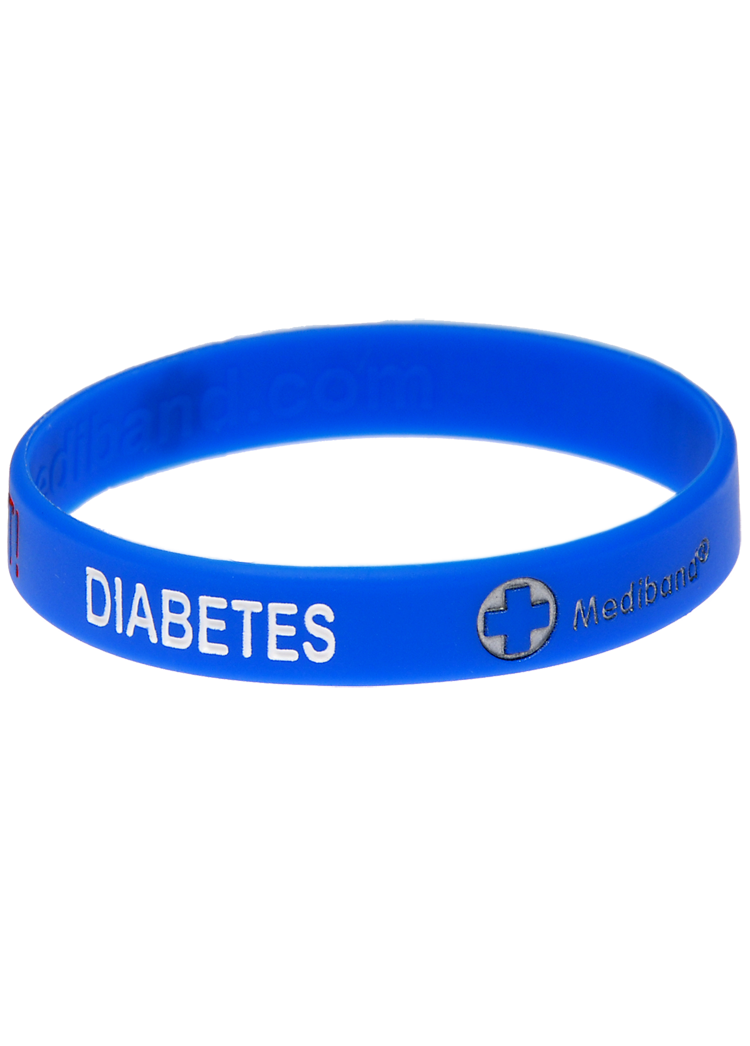
If the person is unconscious, do not attempt to give food or drink. Call emergency services immediately and place them in the recovery position. Their diabetes medical alert bracelet will alert responders to their condition.
How Medical Alert Bracelets Support Emergency Response
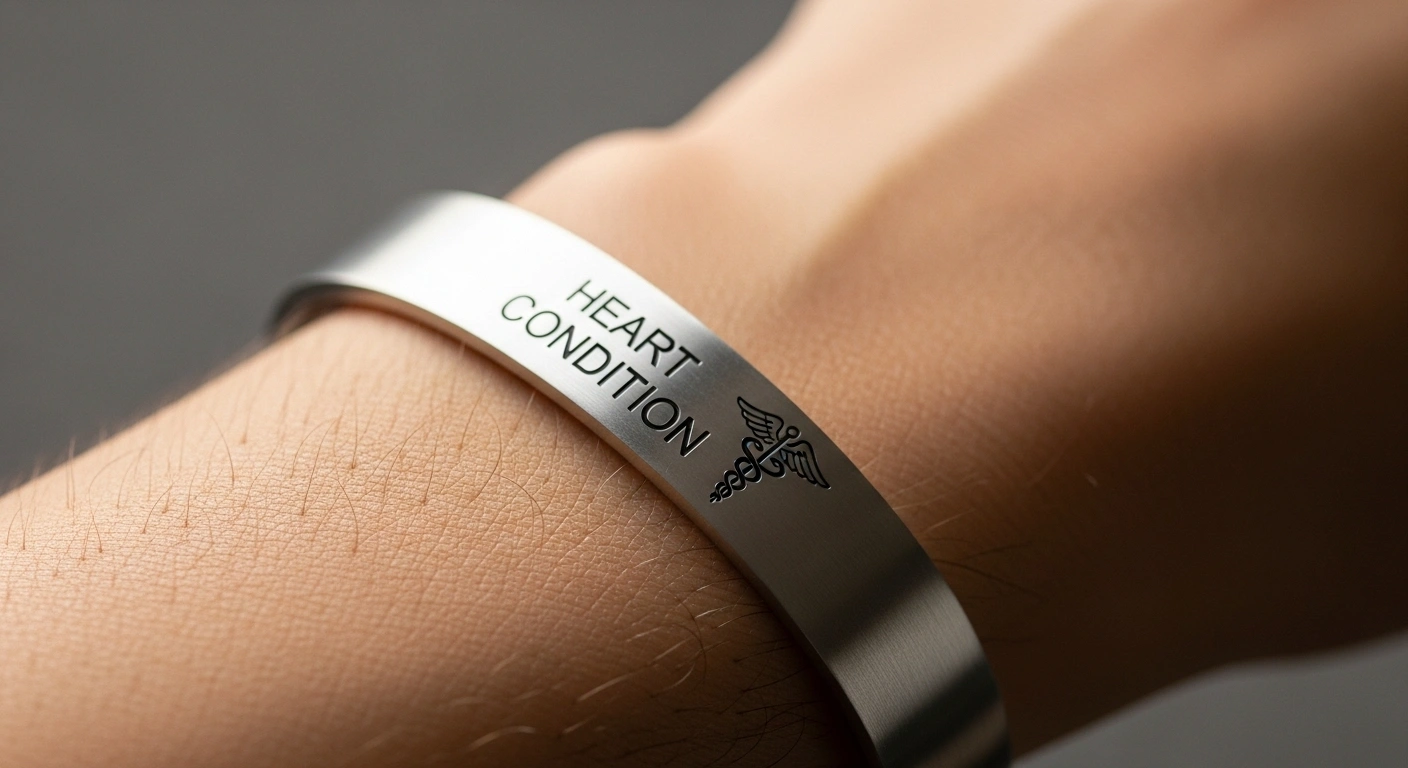
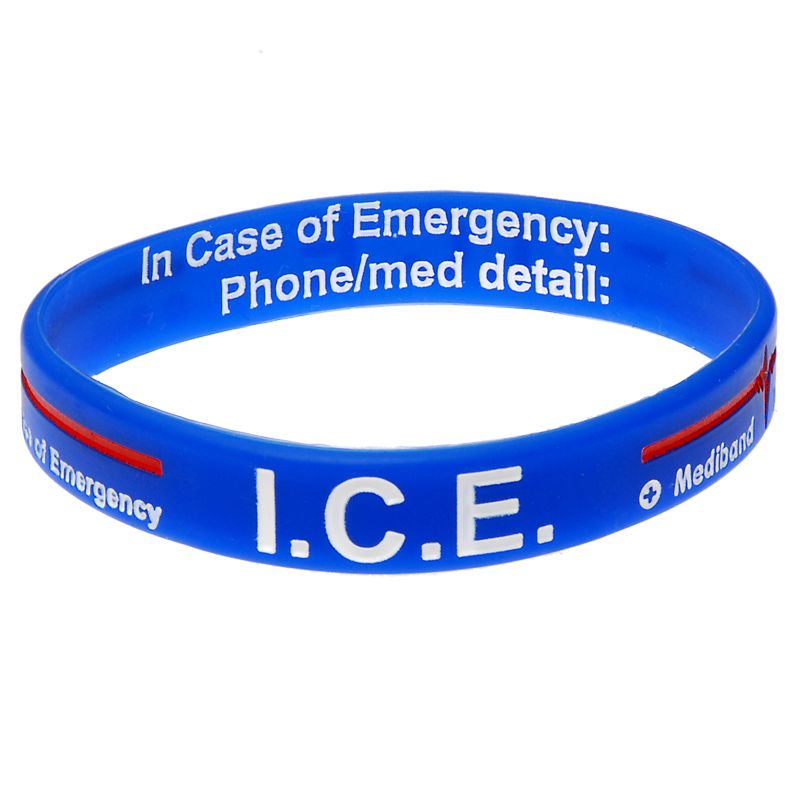
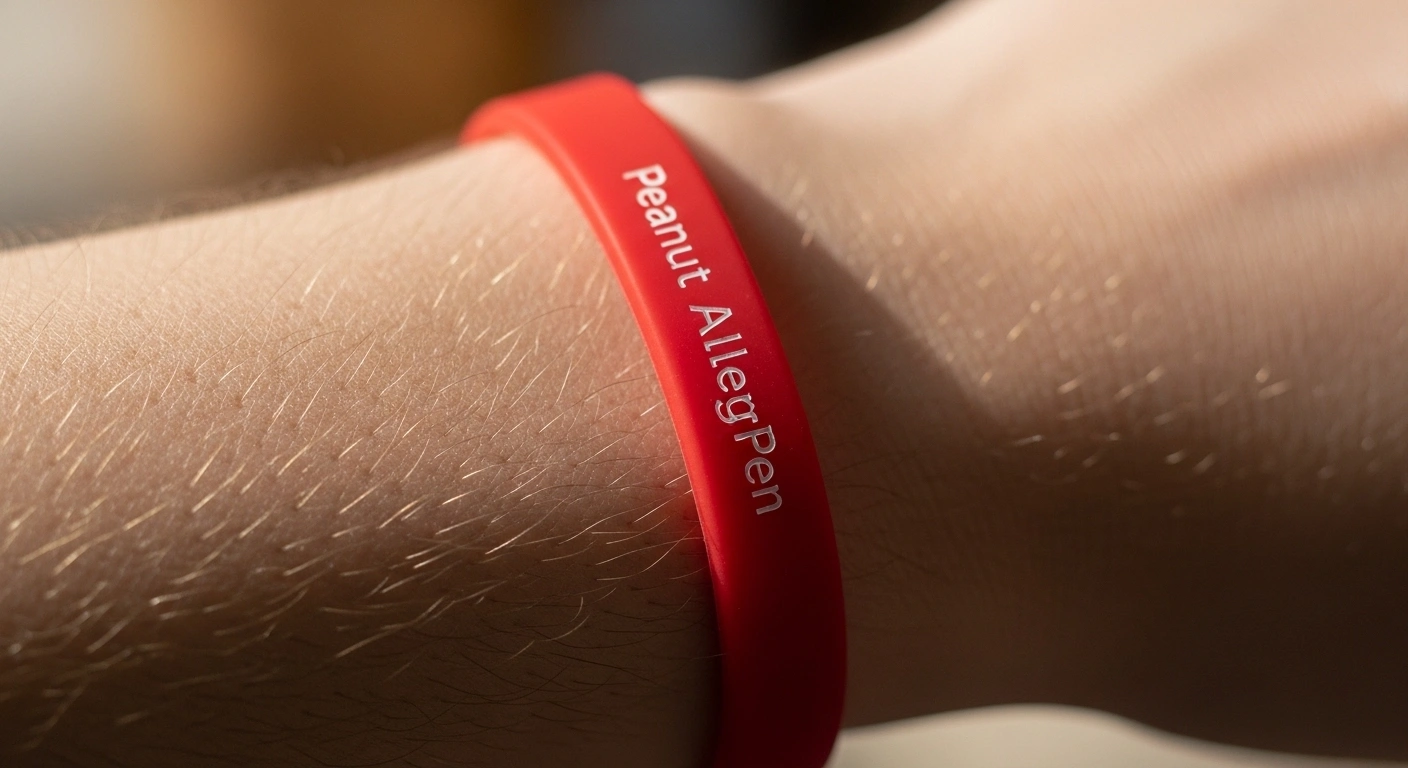
Emergency responders are trained to check the wrist for a medical alert bracelet as part of their initial assessment. A bracelet that clearly states the condition, key medications, and allergies — including whether an EpiPen is needed — enables faster, more accurate treatment decisions. According to the Medic Alert Foundation, medical ID information influences treatment decisions in approximately 1 in 4 emergency responses. It is one of the simplest, most effective safety measures available.
Give Responders the Information They Need Instantly
A medical alert bracelet is the first thing paramedics check.

Be Ready Before the Emergency Happens
The best time to learn first aid is before you need it. Take a certified course, review the DRSABCD framework, and ensure the high-risk people in your life are wearing appropriate medical alert bracelets. These small preparations can make the difference between an effective emergency response and a delayed one.
Frequently Asked Questions
Should I call emergency services before or after giving first aid?
Call emergency services first (or direct a bystander to call), then begin first aid. Emergency dispatchers can guide you through CPR and other procedures by phone while help is on the way. The only exception is anaphylaxis with an EpiPen available: administer the EpiPen immediately, then call emergency services, as the medication window is very short.
How can I tell if someone is having a seizure versus fainting?
Fainting typically involves a brief loss of consciousness with rapid recovery (within 1-2 minutes), pale or grey skin, and a weak pulse. Seizures involve involuntary rhythmic muscle movements or stiffening, often lasting 1-5 minutes, followed by a confused or sleepy post-ictal phase. The person may have tongue biting or loss of bladder control during a seizure. A medical alert bracelet can confirm a known seizure disorder.
What is the recovery position and when should I use it?
The recovery position involves rolling an unconscious but breathing person onto their side with the top knee bent forward to stabilise them. This prevents choking if they vomit and keeps the airway open. Use it when someone is unconscious and breathing but not in cardiac arrest. Do not use it if you suspect a spinal injury unless the airway is compromised.
Do I need first aid training to help in an emergency?
Training is valuable but not required to provide meaningful help. In cardiac arrest, even untrained bystanders can provide chest-compression-only CPR after being guided by an emergency dispatcher. Calling emergency services and staying calm are the most critical first steps. That said, a first aid course dramatically improves confidence and effectiveness and is recommended for all adults.

Share on Facebook

Share on X

Share on Pinterest
1 Comment(s)
Millie Hue
Sep 06, 2022 21:09
It got me when you said that learning first aid skills would be able to help you and others to treat any issues you have in an emergency situation. Since I have kids now who are still toddlers, I should definitely undergo courses related to this. It will be vital for to save their lives if accidents happen such as choking incidents which would be usual in younger kids.
Recent Posts
The Risk Of Not Wearing An Allergy Medical Alert Bracelet
March 23, 2026