Lymphoedema: Symptoms, Treatment, and Why a Medical Alert Bracelet Is Essential
September 30, 2021

Lymphoedema is a chronic condition caused by damage to or blockage of the lymphatic system, resulting in swelling — most commonly in the arms or legs. While it has no cure, it can be effectively managed with the right approach. For those at risk or living with lymphoedema, a medical alert bracelet is an essential part of staying safe.
According to the International Lymphoedema Framework, more than 250 million people worldwide are living with lymphoedema or chronic oedema. Despite its prevalence, it remains widely underdiagnosed.
What Causes Lymphoedema?
Lymphoedema has two main types. Primary lymphoedema is caused by abnormal development of the lymphatic system and can appear at birth or develop later in life. Secondary lymphoedema is the most common form and results from damage to an otherwise healthy lymphatic system.
The most common causes of secondary lymphoedema include: cancer treatment (particularly lymph node removal or radiation), infection — especially filariasis in tropical regions, trauma or injury, chronic venous disease, and obesity.
Recognising the Symptoms
Early Signs
Early symptoms include a feeling of heaviness or tightness in the affected limb, mild swelling that may come and go, skin that feels full or tight, and reduced flexibility in the wrist, ankle, or fingers.
Progressive Symptoms
Without treatment, lymphoedema can progress to more significant swelling, skin thickening (fibrosis), recurring infections (cellulitis), and permanent changes to tissue texture. Early intervention is the key to minimising progression.
Managing Lymphoedema
While there is no cure, a combination of approaches can significantly reduce symptoms and improve quality of life.
Complete Decongestive Therapy (CDT)
CDT is the gold-standard treatment and combines manual lymphatic drainage (a specialised massage technique), compression bandaging, therapeutic exercise, and skin care. It is typically delivered by a trained lymphoedema therapist.
Compression Garments
Compression sleeves, stockings, and gloves help maintain fluid reduction achieved during CDT. They must be fitted by a professional and replaced regularly as they lose elasticity.
Exercise and Movement
Gentle, regular exercise — particularly swimming and walking — helps stimulate lymphatic flow. Avoid activities that cause significant strain to the affected limb.
Skin Care and Infection Prevention
The skin over a lymphoedematous limb is vulnerable to infection. Keep skin clean, moisturised, and protected from cuts, burns, and insect bites. Any sign of infection (redness, warmth, pain) requires prompt medical attention.
Why a Medical Alert Bracelet Is Essential for Lymphoedema
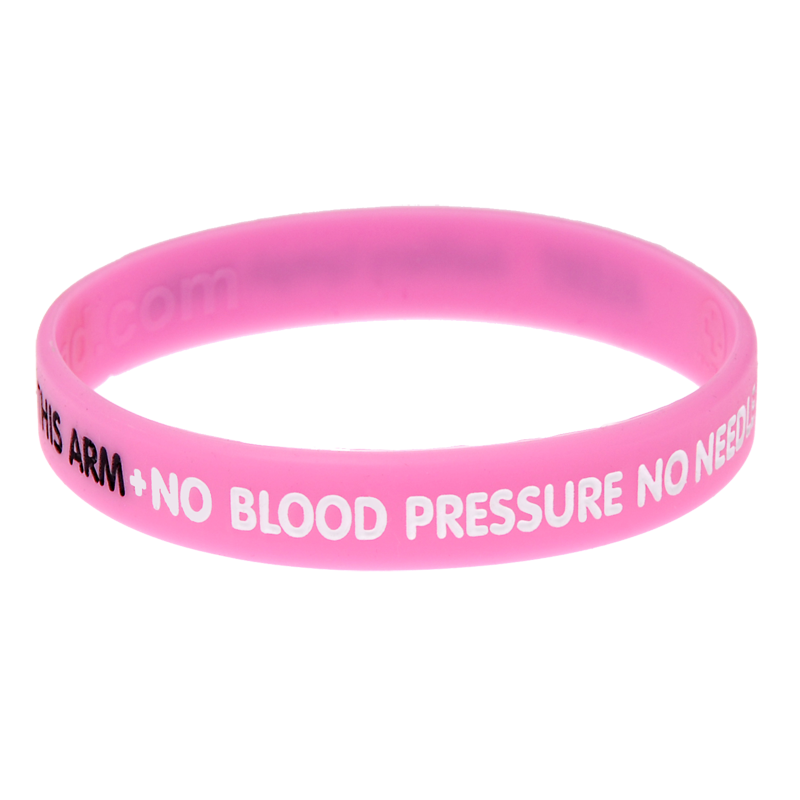
For people with lymphoedema — particularly following cancer treatment — certain medical procedures can cause serious harm to the affected arm or leg. These include blood pressure measurements, injections, IV lines, and blood draws on the affected limb.
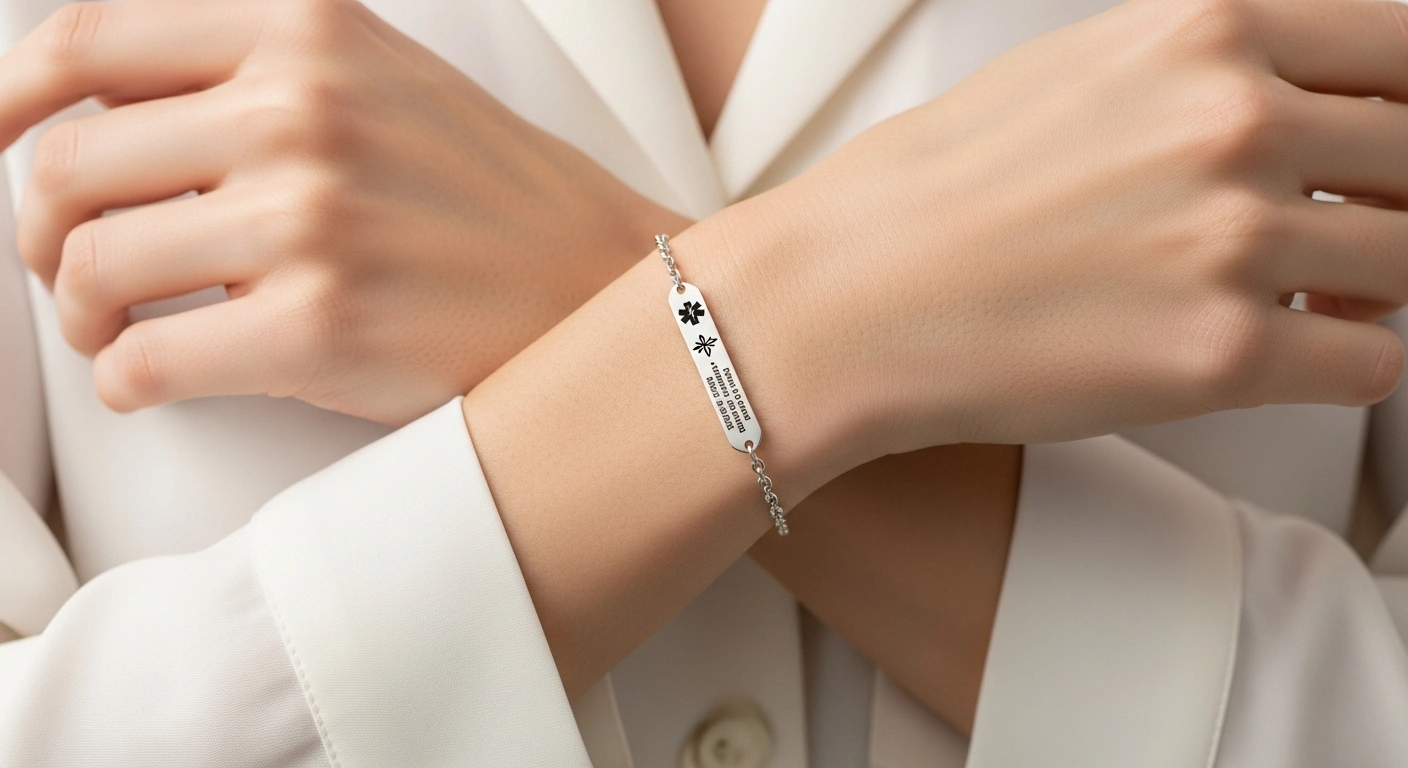
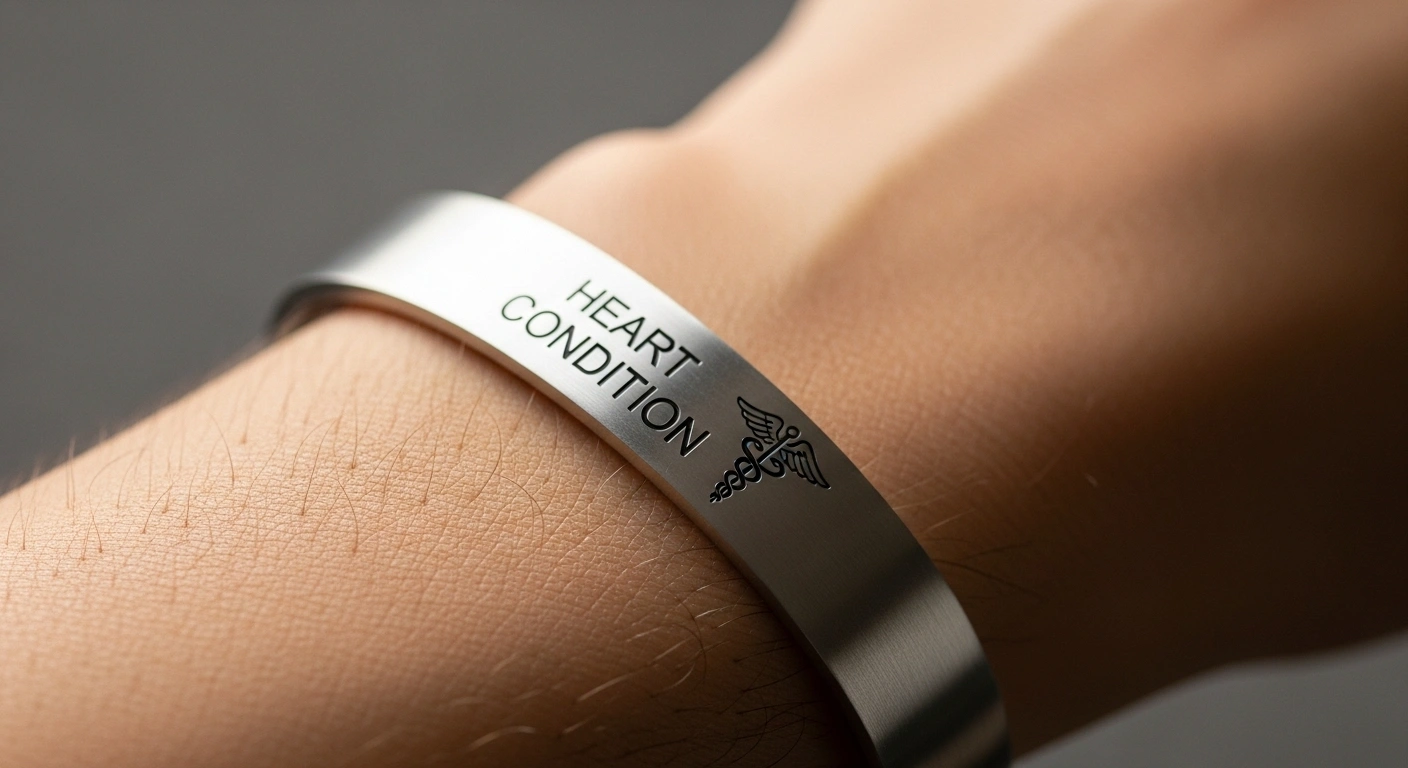
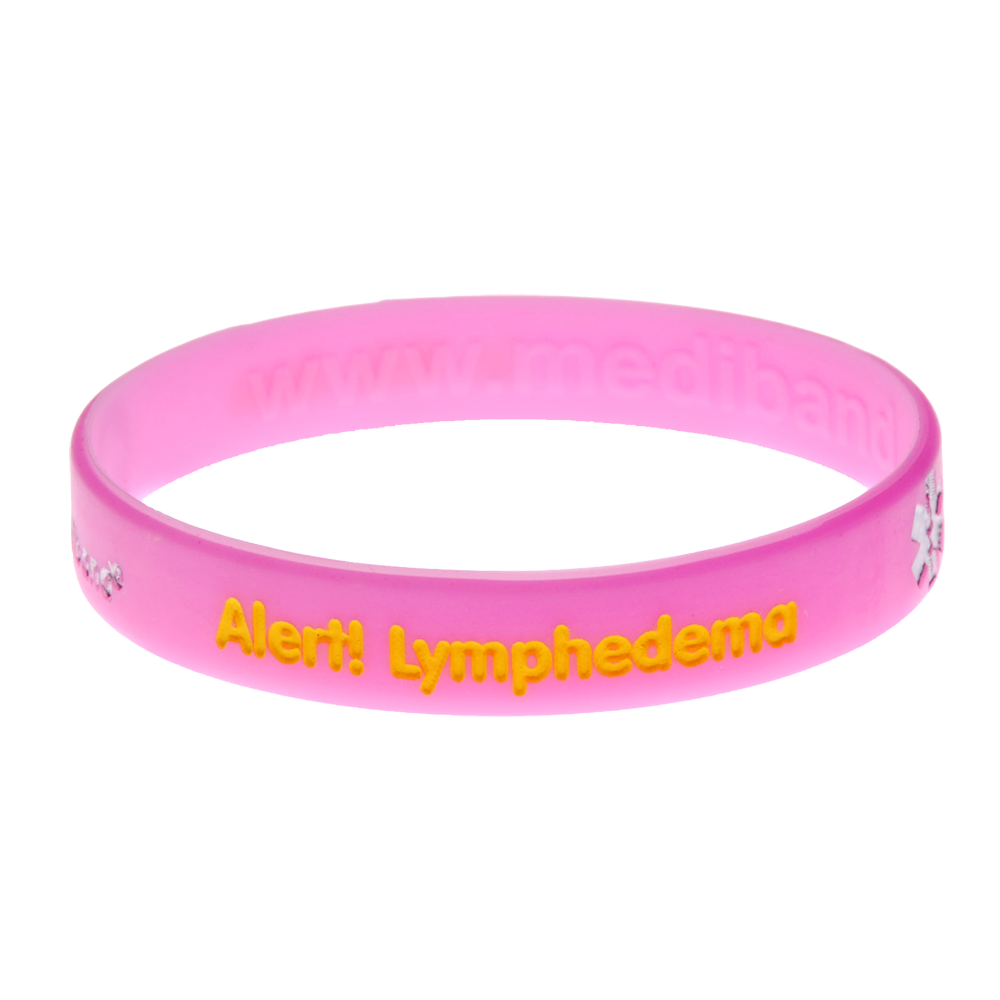
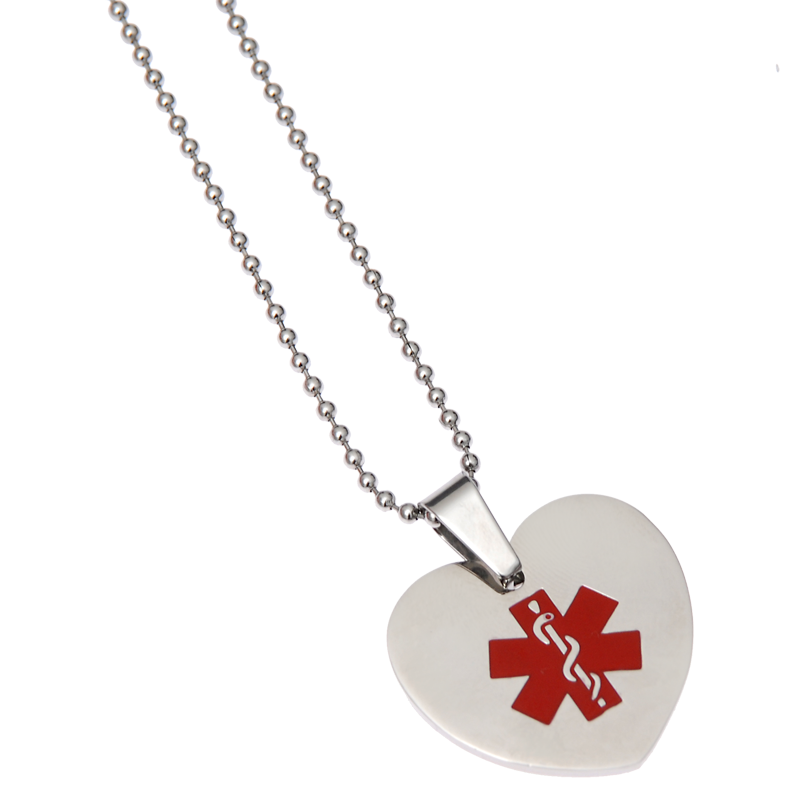
A lymphoedema alert bracelet instantly communicates this risk to medical personnel — even if you are unconscious or unable to speak. Similarly, an axillary lymph nodes bracelet flags the specific nature of your lymph node surgery to first responders.
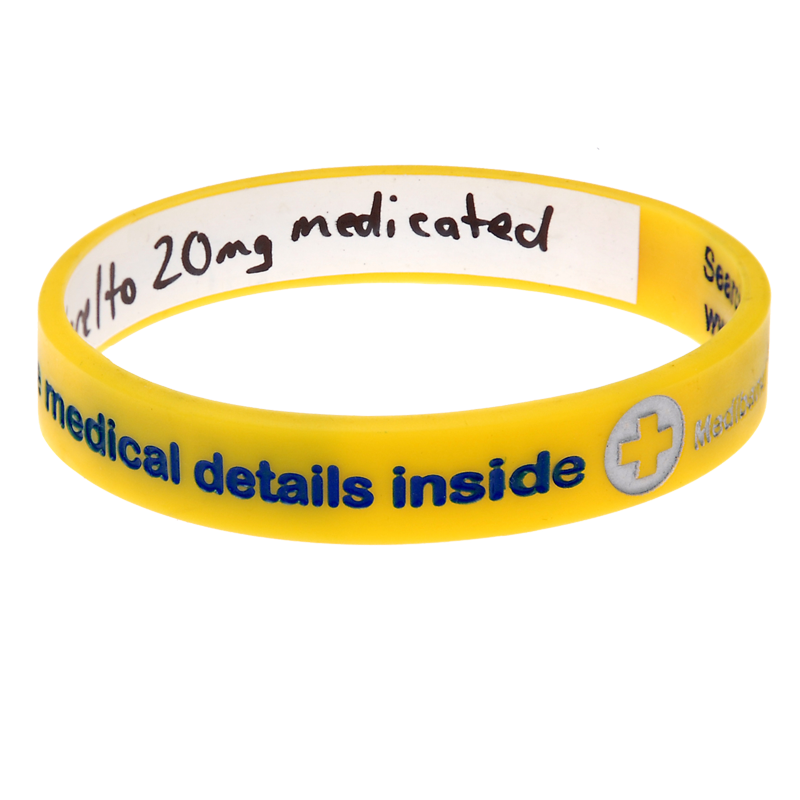
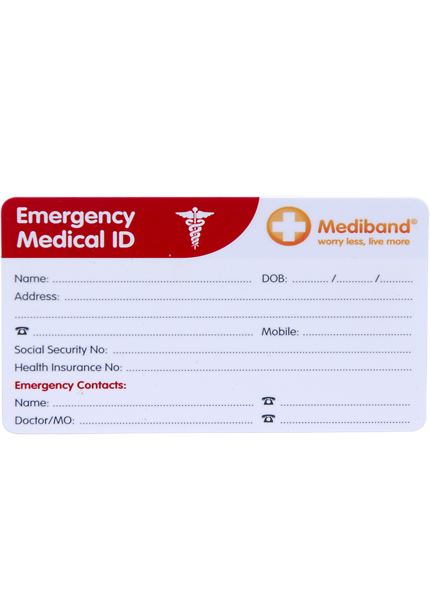
For personalised details about your treatment history, a write-on medical bracelet allows you to add your specific information. Pair it with an emergency wallet card for a comprehensive emergency communication solution.
Living Well with Lymphoedema
With consistent management, most people with lymphoedema lead full and active lives. The key is consistency — wearing compression garments daily, practising skin care, staying active, and attending regular appointments with a lymphoedema specialist. Early diagnosis and treatment lead to significantly better long-term outcomes.
Medical Alert Bracelets for Lymphoedema
Protect your affected limb — alert medical staff before they act.

Lymphoedema is a lifelong condition, but it does not have to define your life. With the right treatment team, the right equipment — including reliable medical identification — and a proactive approach, you can minimise symptoms and stay safe in any situation.
Frequently Asked Questions
What is lymphoedema?
Lymphoedema is a chronic condition caused by damage to or blockage of the lymphatic system, resulting in fluid accumulation and swelling, most commonly in the arms or legs. It can be primary (developmental) or secondary (caused by cancer treatment, infection, or injury).
Can lymphoedema be cured?
There is currently no cure for lymphoedema, but it can be effectively managed with Complete Decongestive Therapy, compression garments, exercise, and meticulous skin care. Early intervention leads to significantly better long-term outcomes.
Why should people with lymphoedema wear a medical alert bracelet?
Certain medical procedures — such as blood pressure cuffs, injections, IV lines, or blood draws on an affected limb — can worsen lymphoedema or cause serious complications. A medical alert bracelet ensures that medical personnel are aware of this risk before acting, even if you cannot communicate.
What causes secondary lymphoedema?
Secondary lymphoedema is most commonly caused by cancer treatment — particularly lymph node removal or radiation to the lymphatic system. It can also result from infection, trauma, chronic venous disease, or obesity.

Share on Facebook

Share on X

Share on Pinterest
Comment(s)
Recent Posts
The Risk Of Not Wearing An Allergy Medical Alert Bracelet
March 23, 2026