Coeliac Disease Australia: Symptoms, Diet, and Why You Need a Medical Alert Bracelet
May 02, 2022

Coeliac disease affects an estimated 1 in 70 Australians — approximately 367,000 people — yet according to Coeliac Australia, around 80 per cent of those affected remain undiagnosed. That means hundreds of thousands of Australians are unknowingly damaging their small intestine every time they eat gluten.
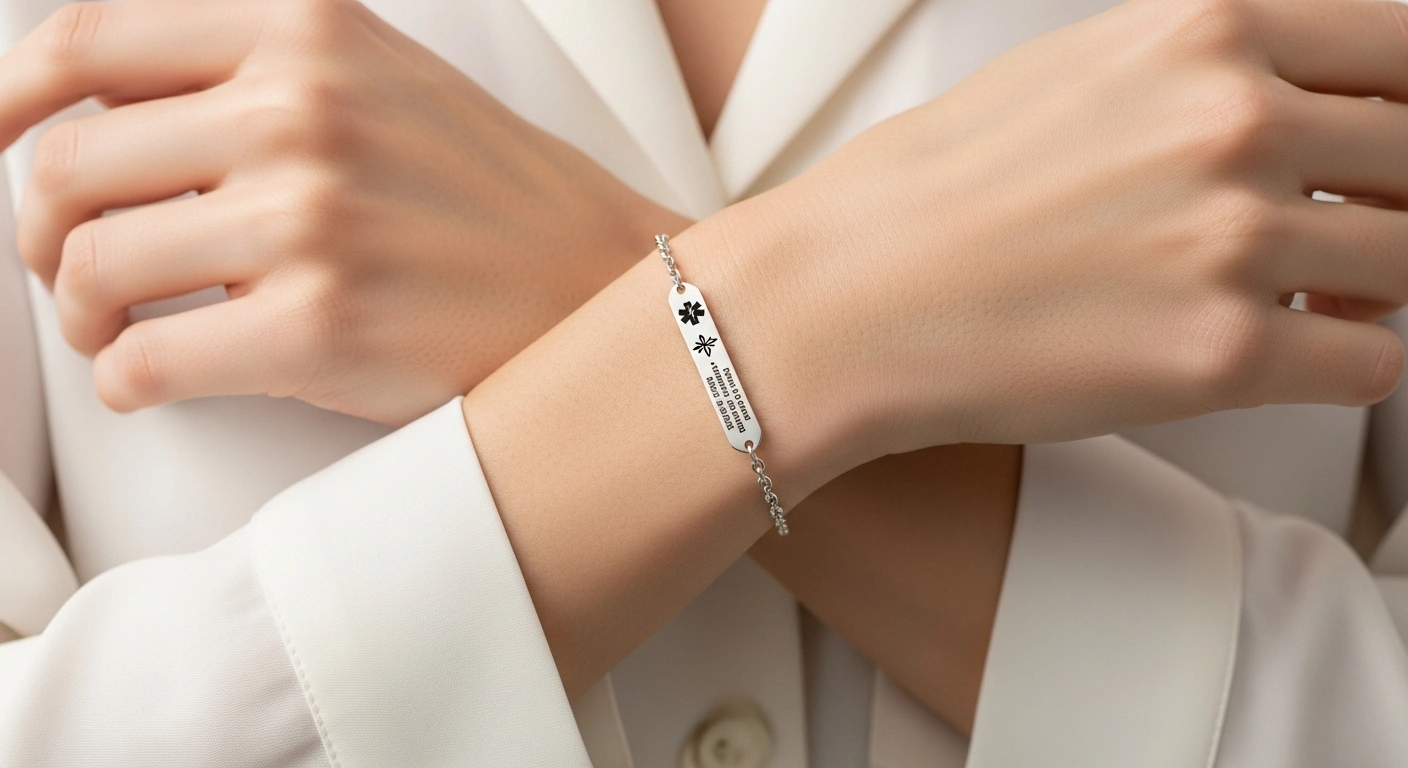
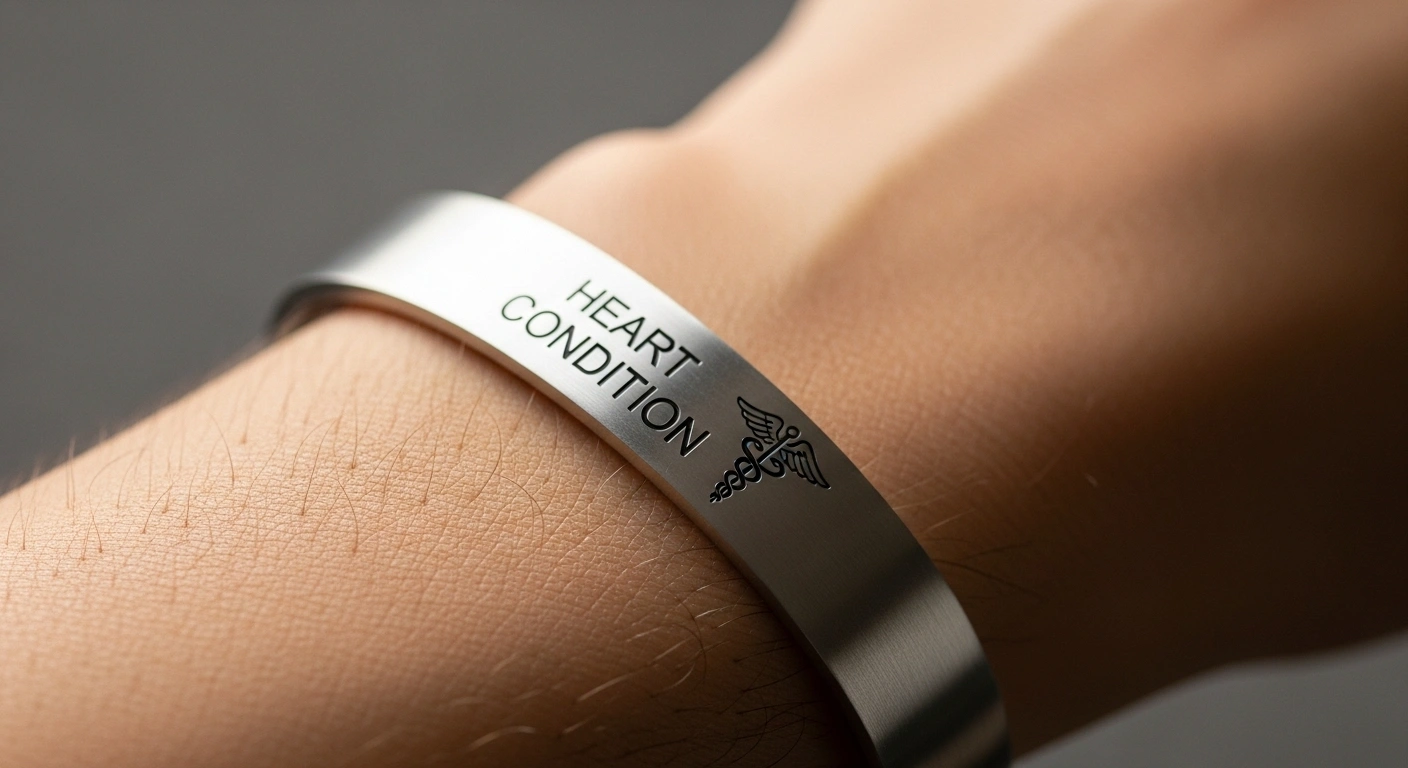
This autoimmune disorder is lifelong and has no cure. The only treatment is a strict gluten-free diet. But beyond diet, there is another critical safety step that many people overlook: wearing a coeliac disease medical alert bracelet. In an emergency, it ensures paramedics and hospital staff know about your condition — because gluten is not just in food. It is also found in many medications, cosmetics and personal care products.
What Is Coeliac Disease?
Coeliac disease is an autoimmune disorder triggered by the ingestion of gluten — a protein found in wheat, barley, rye and oats (unless certified gluten-free). When someone with coeliac disease eats gluten, their immune system attacks the lining of the small intestine, damaging tiny finger-like projections called villi that are responsible for absorbing nutrients.
Over time, this damage leads to malabsorption of essential nutrients including iron, calcium, folate and vitamin D. If left untreated, coeliac disease can lead to serious complications including osteoporosis, anaemia, infertility and an increased risk of certain cancers.
Coeliac Disease Symptoms in Adults and Children
Symptoms in Children
- Chronic diarrhoea or constipation
- Abdominal bloating and pain
- Nausea and vomiting
- Failure to thrive or poor weight gain
- Delayed growth and puberty
- Damaged tooth enamel
- Behavioural changes, irritability or ADHD-like symptoms
Symptoms in Adults
- Fatigue and brain fog
- Unexplained weight loss (or weight gain)
- Diarrhoea, constipation or bloating
- Iron-deficiency anaemia that does not respond to supplements
- Joint pain
- Dermatitis herpetiformis — an intensely itchy blistering rash
- Mouth ulcers
- Bone loss (osteoporosis or osteomalacia)
- Tingling and numbness in hands and feet
Many adults with coeliac disease have few or no digestive symptoms — which is why it is often called the "clinical chameleon." If you have unexplained anaemia, fatigue or bone loss, ask your doctor to test for coeliac disease.
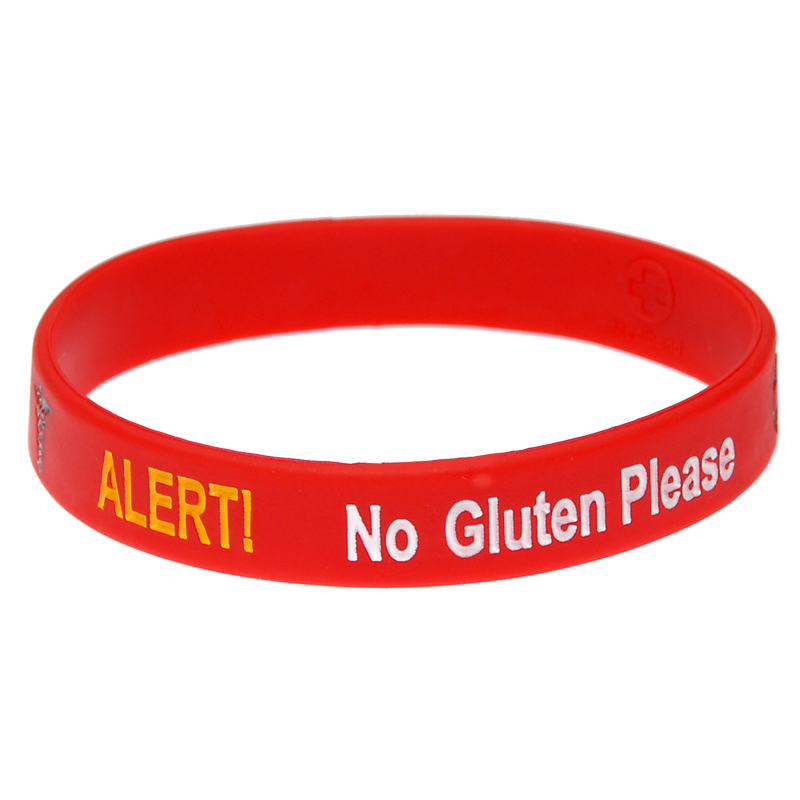
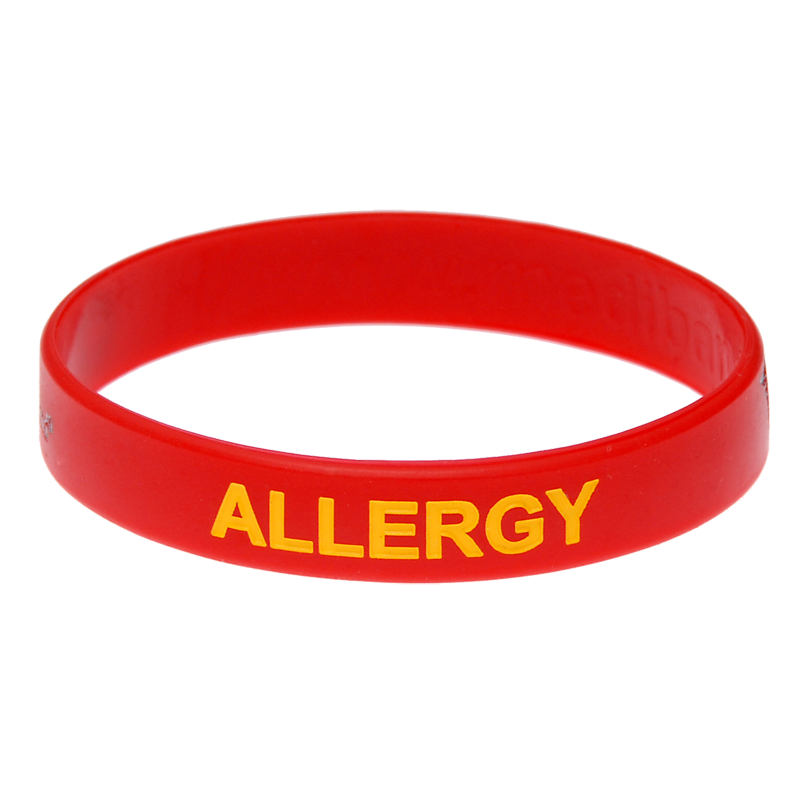
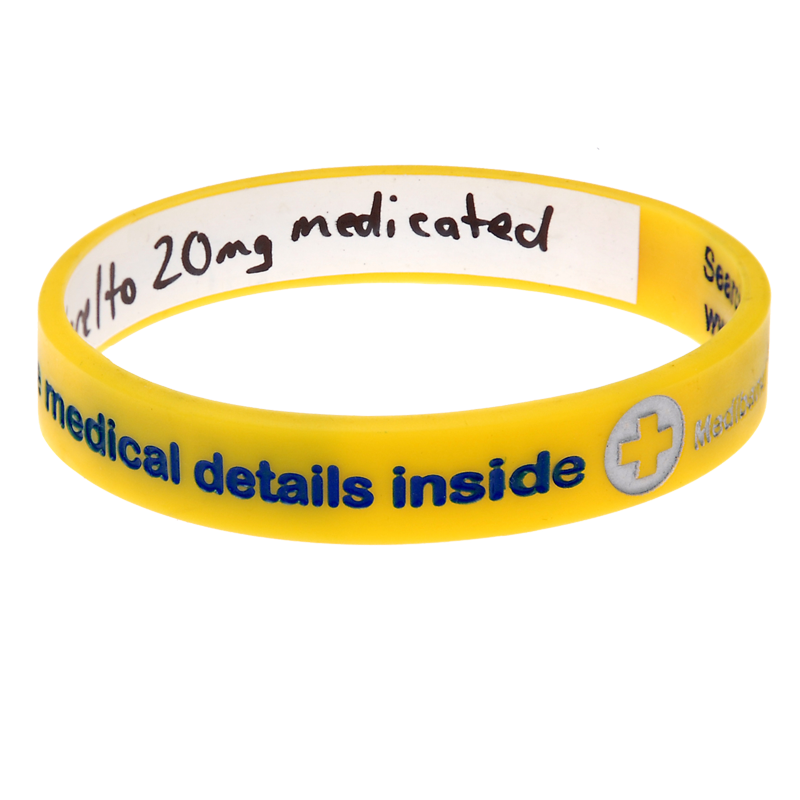
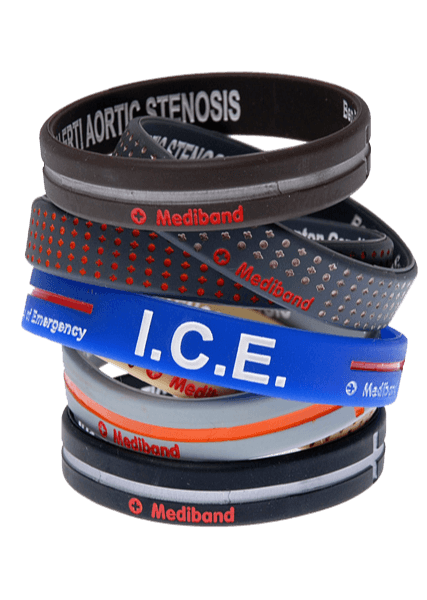
Shop Coeliac & Gluten Allergy Medical Alert Bracelets
Alert emergency responders to your coeliac disease — prevent gluten in medications and treatment.
How Is Coeliac Disease Diagnosed?
Diagnosis involves two steps:
- Blood test — your doctor will test for specific antibodies (tTG-IgA and EMA). You must be eating gluten at the time of testing for the results to be accurate.
- Small bowel biopsy — if your blood test is positive, a gastroenterologist will take tiny samples from your small intestine via an endoscope to confirm the diagnosis.
Important: Do not start a gluten-free diet before being tested. Removing gluten beforehand can cause false-negative results, making diagnosis much harder.
Living with Coeliac Disease: Diet and Lifestyle Tips
Foods to Avoid
You must strictly avoid all foods containing wheat, barley, rye and non-certified oats. Common sources include bread, pasta, cereals, biscuits, cakes, pies, beer, soy sauce, gravies and many processed foods. Always read ingredient labels carefully — gluten hides in surprising places.
Safe Gluten-Free Foods
Many delicious foods are naturally gluten-free: fresh fruit and vegetables, meat, fish, eggs, dairy, rice, quinoa, legumes, potatoes and corn. Australia also has an excellent range of certified gluten-free products available in every major supermarket.
Eating Out and Travelling
When eating out, always inform restaurant staff about your coeliac disease. Many Australian restaurants now offer gluten-free menus or can modify dishes on request. When travelling, a medical alert bracelet stating your condition can communicate your needs even if there is a language barrier.
Why a Medical Alert Bracelet Is Essential for Coeliac Disease
In a medical emergency, you may not be able to tell hospital staff about your coeliac disease. This matters because:
- Many medications contain gluten as a binding agent — hospital staff need to choose gluten-free alternatives
- IV fluids and supplements may contain gluten-derived ingredients
- Cross-contamination in hospital meals — staff need to flag your dietary requirements immediately
- Associated conditions — if you have related autoimmune conditions (type 1 diabetes, thyroid disease), your bracelet alerts staff to check for all of them
Frequently Asked Questions
How common is coeliac disease in Australia?
Coeliac disease affects approximately 1 in 70 Australians — about 367,000 people. However, around 80 per cent remain undiagnosed. It is more common in women (1 in 60) than men (1 in 80) and is often diagnosed after the age of 30.
Can coeliac disease develop later in life?
Yes. While some people are diagnosed in childhood, coeliac disease can develop at any age. Many Australians are not diagnosed until their 30s, 40s or later, often after years of unexplained symptoms like fatigue, anaemia or digestive issues.
Is coeliac disease the same as a gluten intolerance?
No. Coeliac disease is an autoimmune condition where gluten triggers the immune system to attack the small intestine, causing lasting damage. Gluten intolerance (also called non-coeliac gluten sensitivity) causes symptoms but does not involve the immune system or intestinal damage.
What should I put on a coeliac disease medical alert bracelet?
Include "Coeliac Disease — No Gluten," any other allergies or conditions, medications you take, and an emergency contact number. This ensures hospital staff choose gluten-free medications and meals.

Share on Facebook

Share on X

Share on Pinterest
Comment(s)
Recent Posts

The Risk Of Not Wearing An Allergy Medical Alert Bracelet
March 23, 2026