Understanding Blood Pressure Readings: What Your Numbers Mean and When to Act
September 30, 2022
Why Understanding Your Blood Pressure Numbers Could Save Your Life
High blood pressure — or hypertension — is often called the "silent killer" because it typically produces no symptoms while quietly damaging your heart, blood vessels, kidneys, and brain. According to the World Health Organization (2023), an estimated 1.28 billion adults aged 30-79 have hypertension worldwide, yet nearly half do not know they have it.
Your blood pressure reading is one of the most important indicators of your cardiovascular health. Understanding what those two numbers mean — and knowing when they signal danger — empowers you to take control of your health before a heart attack, stroke, or other cardiovascular event occurs. This guide breaks down exactly what your blood pressure readings mean, what affects them, and when you should take action.
What Do Blood Pressure Numbers Actually Measure?
The Two Numbers Explained
A blood pressure reading consists of two numbers written as a fraction, such as 120/80 mmHg (millimetres of mercury):
- Systolic pressure (top number): The pressure in your arteries when your heart beats and pumps blood out. This is the higher number and reflects the maximum force on your artery walls.
- Diastolic pressure (bottom number): The pressure in your arteries between heartbeats, when your heart is resting and refilling with blood. This reflects the constant baseline pressure on your arterial walls.
Blood Pressure Categories
Health organisations classify blood pressure into the following categories:
- Normal: Less than 120/80 mmHg — Your blood pressure is healthy. Maintain this through a balanced lifestyle.
- Elevated: 120-129/less than 80 mmHg — Your systolic pressure is creeping up. Lifestyle changes can often bring it back to normal.
- High Blood Pressure Stage 1: 130-139/80-89 mmHg — Your doctor may recommend lifestyle changes and possibly medication depending on your cardiovascular risk.
- High Blood Pressure Stage 2: 140+/90+ mmHg — Medication is typically required alongside lifestyle modifications.
- Hypertensive Crisis: Higher than 180/120 mmHg — This is a medical emergency. Seek immediate medical attention.
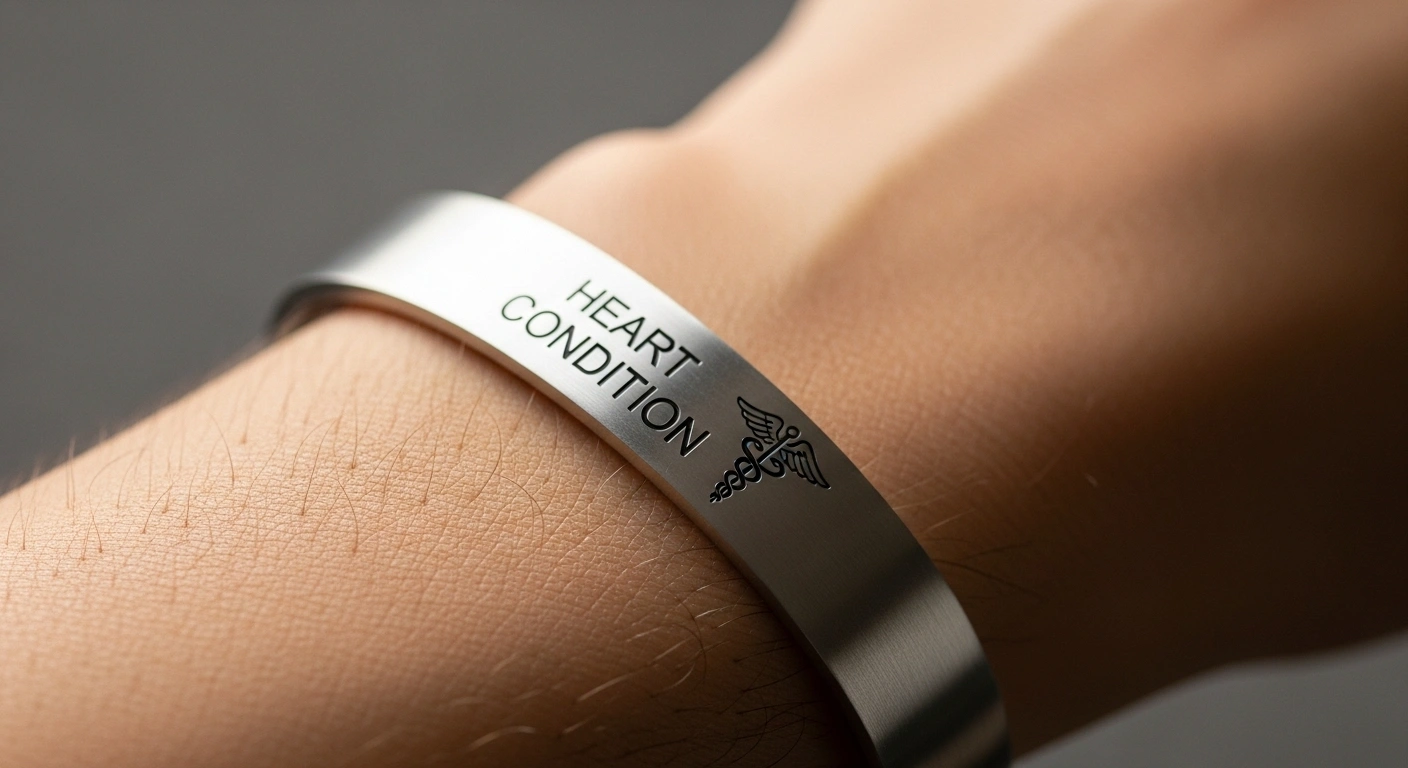
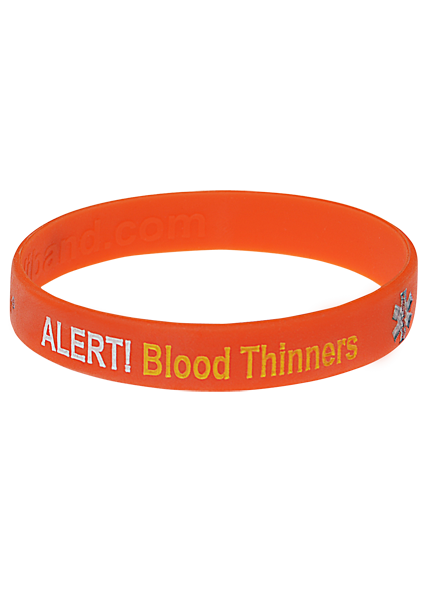
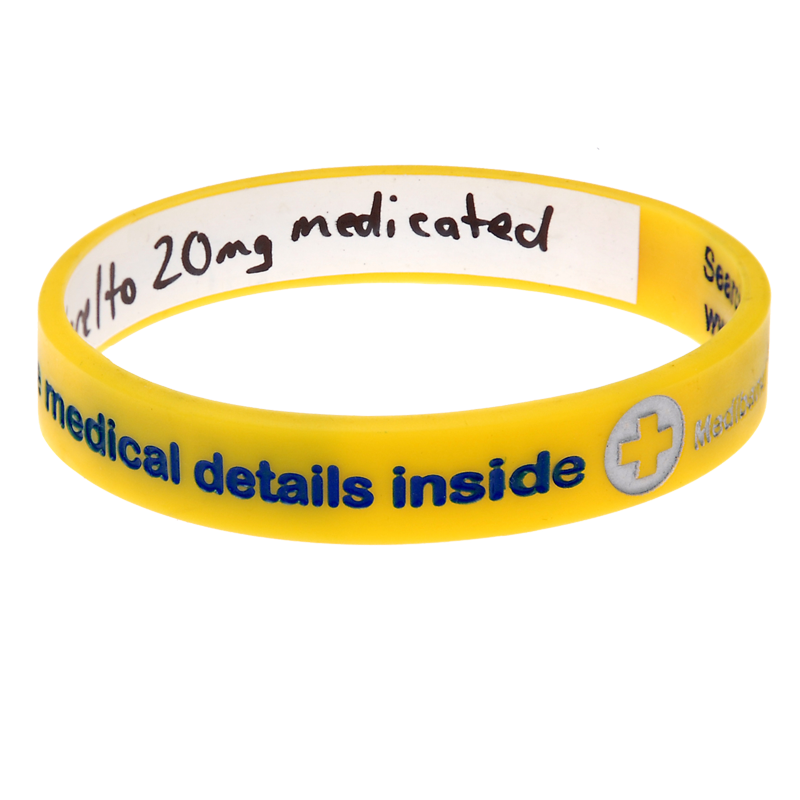
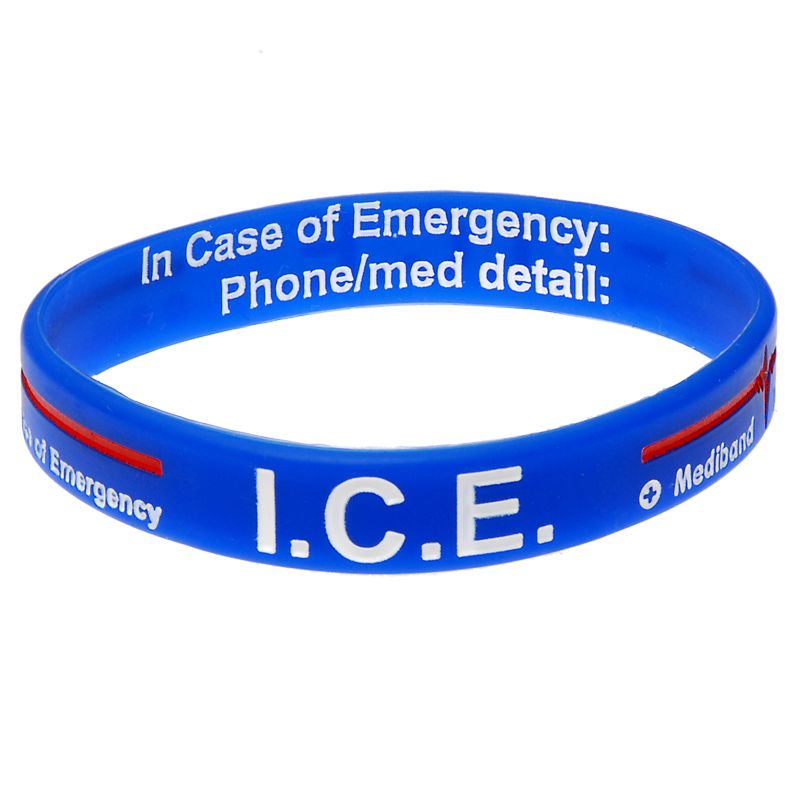
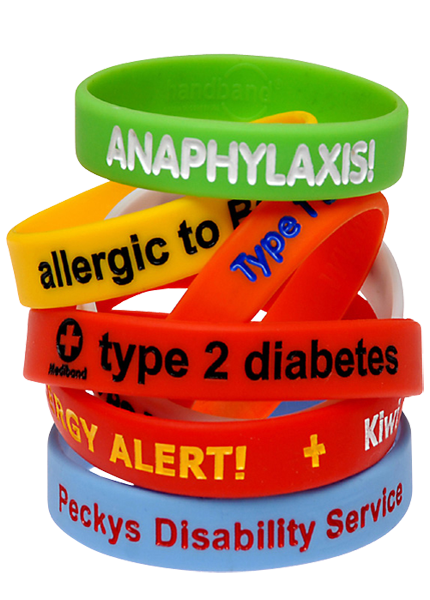
Medical Alert Bracelets for Heart & Blood Pressure Conditions
Ensure emergency responders know about your medication and condition instantly.

What Causes High Blood Pressure?
Primary (Essential) Hypertension
Approximately 90-95% of high blood pressure cases have no single identifiable cause. This is known as primary or essential hypertension. It develops gradually over many years and is influenced by:
- Age: Blood vessels naturally lose flexibility as you age, increasing blood pressure
- Genetics: If your parents or siblings have hypertension, your risk is significantly higher
- Diet: High sodium intake, excessive alcohol, and low potassium all contribute to elevated blood pressure
- Physical inactivity: A sedentary lifestyle increases heart rate and forces the heart to work harder with each contraction
- Excess weight: The more you weigh, the more blood your body needs to supply oxygen and nutrients to tissues, increasing pressure on artery walls
- Stress: Chronic stress triggers hormonal responses that temporarily raise blood pressure and can contribute to sustained elevation over time
- Smoking: Each cigarette temporarily raises blood pressure, and the chemicals in tobacco damage artery lining, causing narrowing
Secondary Hypertension
In 5-10% of cases, high blood pressure results from an underlying condition such as kidney disease, thyroid disorders, adrenal gland tumours, certain medications (including oral contraceptives and NSAIDs), or sleep apnoea. Treating the underlying cause can often resolve the hypertension.
Low Blood Pressure: When Is It a Problem?
While most medical attention focuses on high blood pressure, low blood pressure (hypotension) can also cause significant problems. A reading below 90/60 mmHg is generally considered low. Symptoms include:
- Dizziness and lightheadedness, especially when standing up
- Fainting (syncope)
- Blurred vision
- Nausea
- Fatigue and difficulty concentrating
- Cold, clammy, pale skin
Low blood pressure can be caused by dehydration, prolonged bed rest, nutritional deficiencies (B-12, folate, iron), heart problems, endocrine disorders, severe infection (sepsis), and certain medications including those used to treat high blood pressure.
Severely low blood pressure can lead to shock — a life-threatening condition where organs do not receive enough blood and oxygen to function. This requires immediate emergency treatment.
Monitoring Your Blood Pressure at Home
Choosing a Home Blood Pressure Monitor
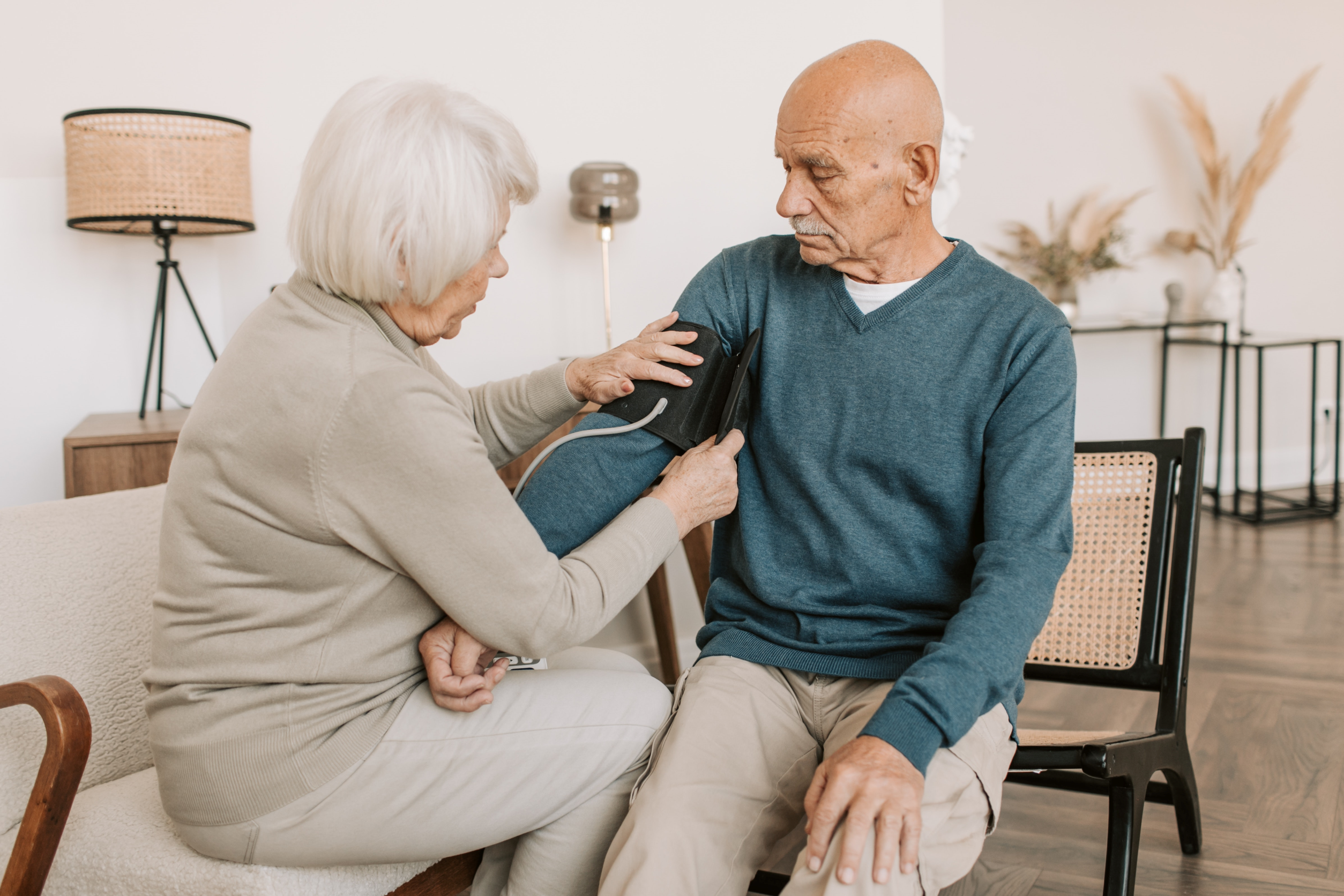
Home monitoring is recommended by the American Heart Association for anyone diagnosed with hypertension or at risk. When choosing a monitor:
- Select an upper arm (cuff) monitor over wrist or finger devices for greatest accuracy
- Ensure the cuff size fits your arm circumference — an incorrect cuff size gives inaccurate readings
- Choose a clinically validated device (check with your doctor or pharmacist)
- Digital monitors with memory storage help track trends over time
Tips for Accurate Readings
To get consistent, accurate readings:
- Sit quietly for five minutes before measuring
- Sit with your back supported and feet flat on the floor
- Place the cuff on bare skin at heart level
- Avoid caffeine, exercise, and smoking for 30 minutes before testing
- Take two readings one minute apart and record both
- Measure at the same times each day (morning and evening)
Why People with Blood Pressure Conditions Should Wear a Medical Alert Bracelet
If you have high or low blood pressure, take blood pressure medications, or use blood thinners, a medical alert bracelet provides vital protection:
- Blood thinner alert: If you take warfarin, rivaroxaban (Xarelto), or other anticoagulants, emergency teams need to know immediately. A blood thinners alert bracelet warns that you are at high risk of excessive bleeding during injuries or surgery.
- Medication interactions: Many emergency medications interact with blood pressure drugs. Your bracelet helps paramedics avoid potentially dangerous combinations.
- Fainting episodes: If low blood pressure causes you to faint in public, your medical ID explains the situation to bystanders and first responders, preventing misdiagnosis as a drug overdose or other condition.
- Stroke identification: Hypertension is the leading risk factor for stroke. If you suffer a stroke, your medical ID provides critical context that speeds appropriate treatment.
A study in the American Journal of Emergency Medicine (2019) found that patients wearing medical identification received faster and more appropriate treatment in emergency departments compared to those without visible medical IDs. When every minute counts during a cardiac event or stroke, your bracelet could be the difference between a good outcome and a devastating one.
Know your numbers, monitor them regularly, and take the simple step of wearing a medical alert bracelet to protect yourself in any situation. Your heart works tirelessly for you — give it the support and protection it deserves.
Frequently Asked Questions
What is a normal blood pressure reading?
A normal blood pressure reading is less than 120/80 mmHg. The top number (systolic) measures pressure when your heart beats, while the bottom number (diastolic) measures pressure between beats. Readings between 120-129 systolic with less than 80 diastolic are considered elevated, and 130/80 or higher is classified as high blood pressure requiring medical attention.
What are the symptoms of high blood pressure?
High blood pressure is called the silent killer because it typically produces no symptoms while damaging your heart, blood vessels, kidneys, and brain. Some people with very high readings may experience headaches, shortness of breath, or nosebleeds, but these symptoms usually only occur during hypertensive crisis (above 180/120 mmHg), which requires immediate emergency care.
How often should I check my blood pressure?
If your blood pressure is normal, check at least once a year during routine health visits. If you have been diagnosed with hypertension or are at elevated risk, the American Heart Association recommends daily home monitoring — taking two readings one minute apart, morning and evening, at the same times each day to track trends accurately.
Why should I wear a medical alert bracelet for blood pressure conditions?
If you take blood pressure medications or blood thinners like warfarin or Xarelto, emergency teams need to know immediately during accidents, fainting episodes, or strokes. A medical alert bracelet prevents dangerous drug interactions and alerts responders to bleeding risks. Research shows patients with medical IDs receive faster, more appropriate emergency treatment.
What lifestyle changes help lower blood pressure?
Effective lifestyle modifications include reducing sodium intake to less than 2,300mg daily, maintaining a healthy weight, exercising for at least 150 minutes per week, limiting alcohol consumption, eating a diet rich in fruits, vegetables, and whole grains, managing stress through relaxation techniques, and quitting smoking. These changes can reduce systolic pressure by 5-15 mmHg.

Share on Facebook

Share on X

Share on Pinterest
Comment(s)
Recent Posts

The Risk Of Not Wearing An Allergy Medical Alert Bracelet
March 23, 2026