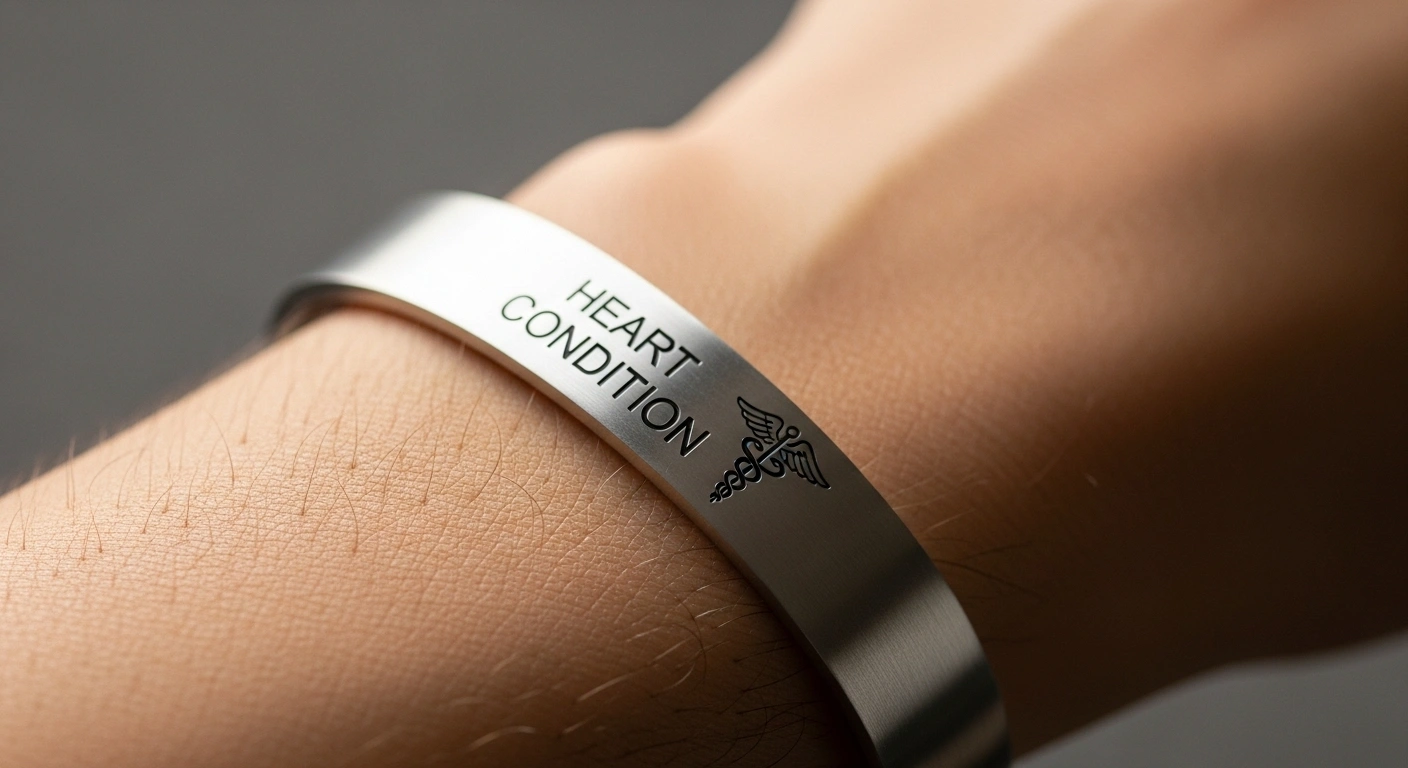
Long-Term Steroid Use: Risks, Side Effects, and Why You Need a Medical Alert Bracelet
September 02, 2022

Corticosteroids: Powerful Medications with Serious Long-Term Implications
Corticosteroids — commonly known as steroids — are among the most widely prescribed medications in the world. Used to treat conditions ranging from asthma and rheumatoid arthritis to inflammatory bowel disease, lupus, and organ transplant rejection, these powerful anti-inflammatory drugs have transformed the management of chronic disease. However, long-term steroid use carries significant risks that every patient should understand.
According to a study published in the Annals of the Rheumatic Diseases (2020), approximately 1-3% of the adult population in developed countries is prescribed long-term oral corticosteroids at any given time. For these millions of people, understanding the risks — particularly adrenal insufficiency — and wearing a medical alert bracelet is not just advisable, it is potentially life-saving.
How Corticosteroids Work and Why They Are Prescribed
The Anti-Inflammatory Powerhouse
Corticosteroids are synthetic versions of cortisol, a hormone naturally produced by the adrenal glands. Cortisol plays essential roles in your body's stress response, immune regulation, metabolism, and inflammation control. When prescribed as medication, corticosteroids suppress the immune system and reduce inflammation far more powerfully than your body's natural cortisol.
Common corticosteroids include prednisolone, prednisone, dexamethasone, hydrocortisone, and methylprednisolone. They may be prescribed as tablets, injections, inhalers, or topical creams depending on the condition being treated.
Conditions Treated with Long-Term Steroids
Long-term steroid use (typically defined as more than three months) may be necessary for:
- Autoimmune conditions: Rheumatoid arthritis, lupus (SLE), polymyalgia rheumatica, vasculitis
- Respiratory conditions: Severe asthma, chronic obstructive pulmonary disease (COPD)
- Inflammatory bowel disease: Crohn's disease and ulcerative colitis
- Organ transplants: To prevent rejection of transplanted organs
- Skin conditions: Severe eczema, pemphigus, dermatitis
- Neurological conditions: Multiple sclerosis flare-ups, myasthenia gravis
- Adrenal insufficiency: When the adrenal glands cannot produce enough cortisol naturally
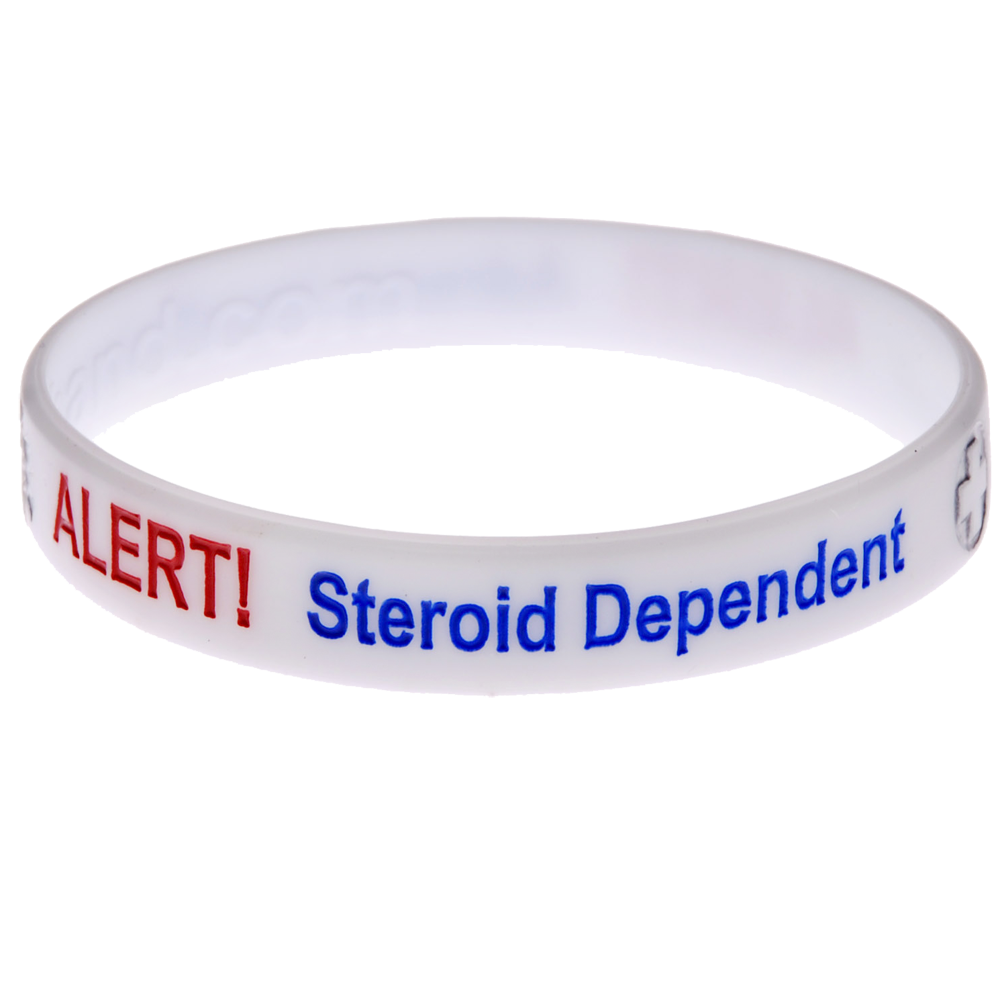
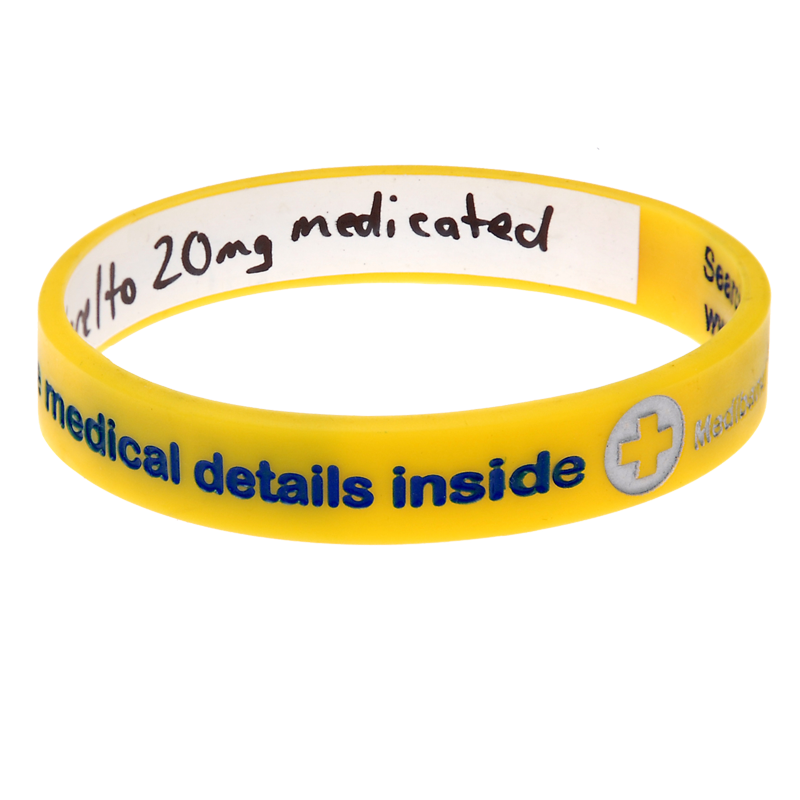
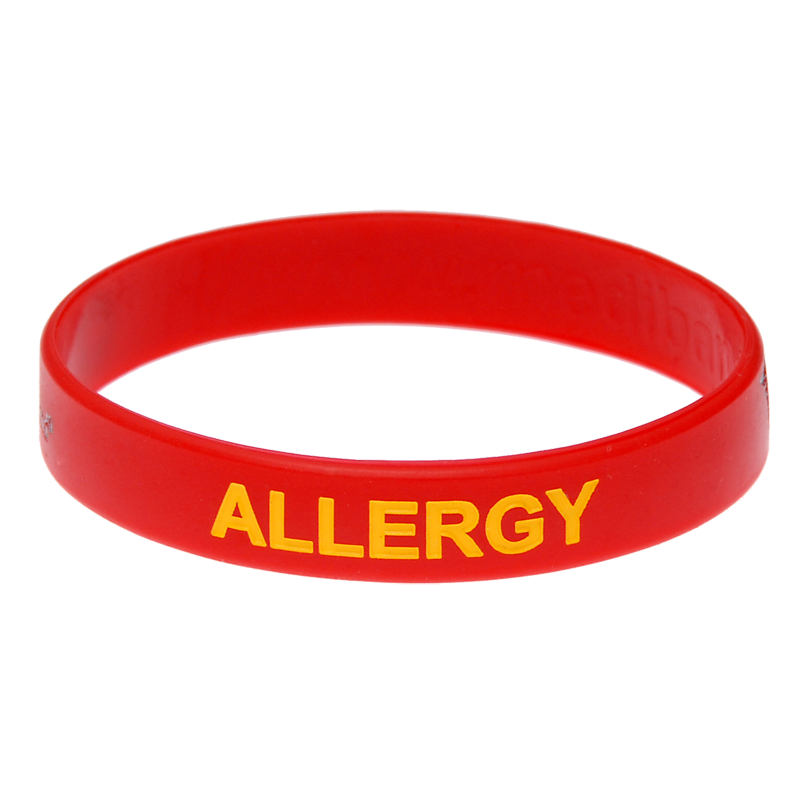
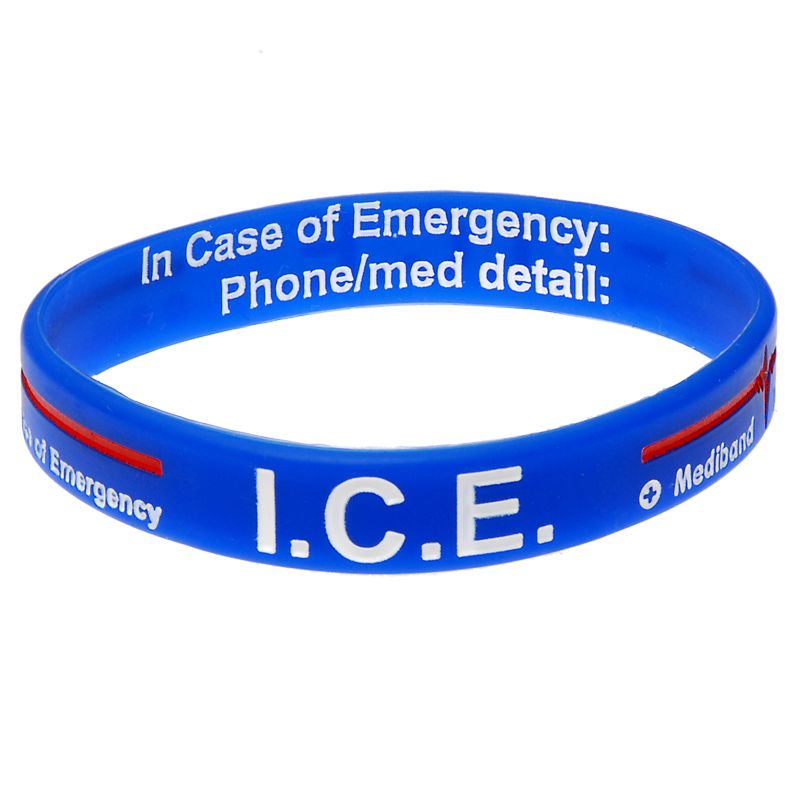
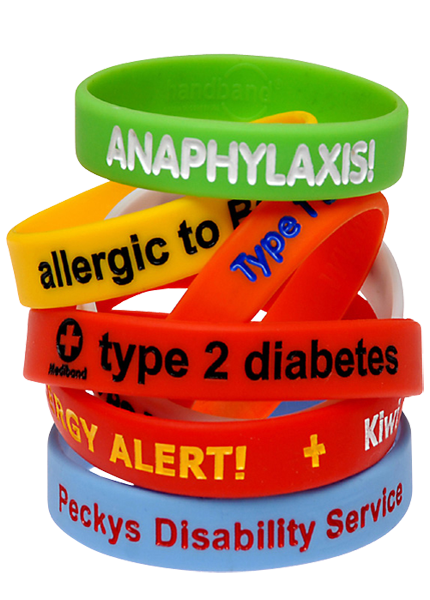
Steroid-Dependent Medical Alert Bracelets
If you take long-term steroids, a medical alert bracelet could save your life in an adrenal crisis.
The Risks of Long-Term Steroid Use
Physical Side Effects
Long-term corticosteroid use affects virtually every system in the body. Common side effects include:
- Osteoporosis: Steroids reduce bone density, increasing fracture risk. Research published in the Journal of Bone and Mineral Research (2021) found that 30-50% of long-term steroid users develop osteoporosis. This is one of the most serious long-term complications.
- Weight gain: Particularly around the face (moon face), abdomen, and upper back (buffalo hump) due to fat redistribution
- Elevated blood sugar: Steroids can cause steroid-induced diabetes or worsen existing diabetes by increasing insulin resistance
- Increased infection risk: Immunosuppression makes you more vulnerable to infections and slower to recover from them
- Skin changes: Thinning skin, easy bruising, poor wound healing, and stretch marks
- Muscle weakness: Particularly in the legs and arms (steroid myopathy)
- Eye problems: Cataracts and glaucoma risk increases with prolonged use
- Cardiovascular effects: Increased blood pressure, fluid retention, and higher cholesterol levels
Mental Health Effects
Steroids can significantly affect mood and mental health. Effects range from mild mood swings and irritability to severe depression, anxiety, psychosis, and insomnia. The British Medical Journal (2019) reported that psychiatric adverse effects occur in up to 60% of patients on high-dose corticosteroids, though most are mild.
Adrenal Insufficiency: The Hidden Danger of Stopping Steroids
How Your Adrenal Glands Are Affected
This is perhaps the most critical risk of long-term steroid use — and the one that makes a medical alert bracelet essential. When you take corticosteroids regularly, your body reduces or stops its own cortisol production because the medication provides an external supply. Over time, the adrenal glands can atrophy (shrink) from disuse.
If you suddenly stop taking steroids, your body cannot produce enough cortisol on its own to meet its needs. This is called adrenal insufficiency or adrenal crisis, and it can be life-threatening.
Adrenal Crisis: A Medical Emergency
An adrenal crisis can be triggered by:
- Abruptly stopping steroid medication
- Physical stress (surgery, illness, injury) when the body needs more cortisol than it can produce
- Missing doses of steroid medication
- Vomiting or diarrhoea that prevents absorption of oral steroids
Symptoms of adrenal crisis include severe fatigue, confusion, dizziness, dangerously low blood pressure, abdominal pain, nausea, vomiting, loss of consciousness, and — without treatment — potentially death. An adrenal crisis requires emergency injection of hydrocortisone and immediate medical care.
Why a Steroid-Dependent Medical Alert Bracelet Is Essential
If you take long-term steroids, wearing an adrenal insufficiency / steroid-dependent medical alert bracelet could literally save your life. Here is why:
- Adrenal crisis recognition: If you collapse, a medical alert bracelet tells paramedics you are steroid-dependent. They can immediately administer emergency hydrocortisone rather than wasting precious time investigating other causes.
- Surgical emergencies: If you need emergency surgery, the surgical team must know you take steroids. Without additional "stress dose" steroids during surgery, you are at risk of cardiovascular collapse. Your bracelet communicates this critical information instantly.
- Unconscious or confused: During an adrenal crisis, confusion is a primary symptom. You may not be able to tell people about your medication. Your bracelet speaks for you.
- Never stop steroids abruptly: Your bracelet reinforces the message that steroid treatment must not be interrupted — something that might otherwise be overlooked if you are admitted to hospital for an unrelated reason.
Managing Long-Term Steroid Use Safely
Monitoring and Prevention
Work closely with your doctor to minimise the risks of long-term steroid use:
- Have regular bone density scans (DEXA scans) to monitor for osteoporosis
- Take calcium and vitamin D supplements as recommended
- Monitor blood sugar levels regularly, especially if you have diabetes or are at risk
- Have regular eye examinations to check for cataracts and glaucoma
- Maintain a healthy diet to combat weight gain and fluid retention
- Engage in weight-bearing exercise to support bone health (with medical approval)
Never Stop Steroids Without Medical Guidance
The most important rule of long-term steroid use is: never stop taking steroids suddenly. Your doctor will taper your dose gradually over weeks or months to allow your adrenal glands time to resume natural cortisol production. Abrupt withdrawal can trigger an adrenal crisis.
Always carry a steroid alert card and wear a medical alert bracelet. Inform all healthcare providers, including dentists and pharmacists, that you take long-term steroids. And ensure family members and close friends know the signs of adrenal crisis and what to do in an emergency.
Long-term steroid treatment is sometimes the best or only option for managing serious chronic conditions. By understanding the risks, monitoring your health, and taking simple protective measures like wearing a medical alert bracelet, you can use these powerful medications more safely while protecting yourself in every situation.
Frequently Asked Questions
What are the side effects of long-term steroid use?
Long-term corticosteroid use can cause osteoporosis (affecting 30-50% of users), weight gain with fat redistribution, elevated blood sugar, increased infection risk, skin thinning and bruising, muscle weakness, cataracts, glaucoma, cardiovascular effects, and mental health changes including mood swings and depression. Regular monitoring helps manage these risks effectively.
What is adrenal insufficiency and why is it dangerous?
Adrenal insufficiency occurs when long-term steroid use suppresses your adrenal glands' ability to produce cortisol naturally. If steroids are suddenly stopped or during physical stress, your body cannot produce enough cortisol, causing adrenal crisis — a life-threatening emergency with symptoms including severe fatigue, dangerously low blood pressure, confusion, and potential loss of consciousness.
Why should people on long-term steroids wear a medical alert bracelet?
A steroid-dependent medical alert bracelet tells emergency responders you require stress-dose steroids during emergencies, surgery, or severe illness. During an adrenal crisis, confusion prevents you from communicating your medication needs. Your bracelet ensures paramedics can immediately administer hydrocortisone rather than losing critical time investigating other causes.
Can you stop taking steroids suddenly?
Never stop taking corticosteroids suddenly without medical guidance. After prolonged use, your adrenal glands need time to resume natural cortisol production. Your doctor will gradually reduce your dose over weeks or months through a careful tapering process. Abrupt withdrawal can trigger a potentially fatal adrenal crisis requiring emergency medical treatment.
How can I reduce the side effects of long-term steroid use?
Work with your doctor to use the lowest effective dose. Have regular bone density scans and take calcium and vitamin D supplements. Monitor blood sugar levels, maintain a healthy diet, engage in weight-bearing exercise, and have regular eye examinations. Never miss doses, wear a medical alert bracelet, and ensure all healthcare providers know about your steroid treatment.

Share on Facebook

Share on X

Share on Pinterest
Comment(s)
Recent Posts


The Risk Of Not Wearing An Allergy Medical Alert Bracelet
March 23, 2026