Lymph Nodes and Lymphoedema: What You Need to Know About Your Lymphatic System
November 01, 2022

What Are Lymph Nodes and Why Are They So Important?
Your body contains approximately 600 to 700 lymph nodes — small, bean-shaped structures scattered throughout the lymphatic system that serve as your immune system's first line of defence. According to the National Cancer Institute, lymph nodes filter lymphatic fluid, trapping bacteria, viruses, and abnormal cells before they can spread through the body.
Most people only think about their lymph nodes when they notice swelling during an illness. But understanding how your lymphatic system works — and what happens when it does not function properly — is crucial for recognising conditions such as lymphoedema, a chronic and often misunderstood condition that affects an estimated 250 million people worldwide (World Health Organization, 2023).
How the Lymphatic System Works
The Network Behind Your Immunity
The lymphatic system is a vast network of vessels, nodes, and organs that runs parallel to your circulatory system. Its primary functions include:
- Fluid balance: Collecting excess fluid from tissues and returning it to the bloodstream
- Immune defence: Filtering pathogens and producing lymphocytes (white blood cells) that fight infection
- Fat absorption: Transporting dietary fats from the digestive system into the blood
- Waste removal: Carrying cellular waste products away from tissues for disposal
Lymph nodes are clustered in key areas of the body — the neck (cervical nodes), armpits (axillary nodes), groin (inguinal nodes), chest, and abdomen. When your body fights an infection, these nodes swell as they produce immune cells and filter out harmful organisms.
Why Lymph Nodes Swell
Swollen lymph nodes are one of the most common reasons people visit their doctor. Common causes include:
- Infections: Colds, flu, ear infections, tonsillitis, and skin infections are the most frequent causes
- Autoimmune conditions: Lupus and rheumatoid arthritis can cause chronic lymph node swelling
- Cancer: Lymphoma (cancer of the lymphatic system) and metastatic cancer from other organs
- Medications: Some drugs, including certain seizure medications, can cause lymph node enlargement
Most swollen lymph nodes are caused by minor infections and resolve on their own within two to four weeks. However, you should see a doctor if swelling persists beyond four weeks, the nodes are hard or fixed in place, you experience unexplained weight loss or night sweats, or the swelling continues to grow.
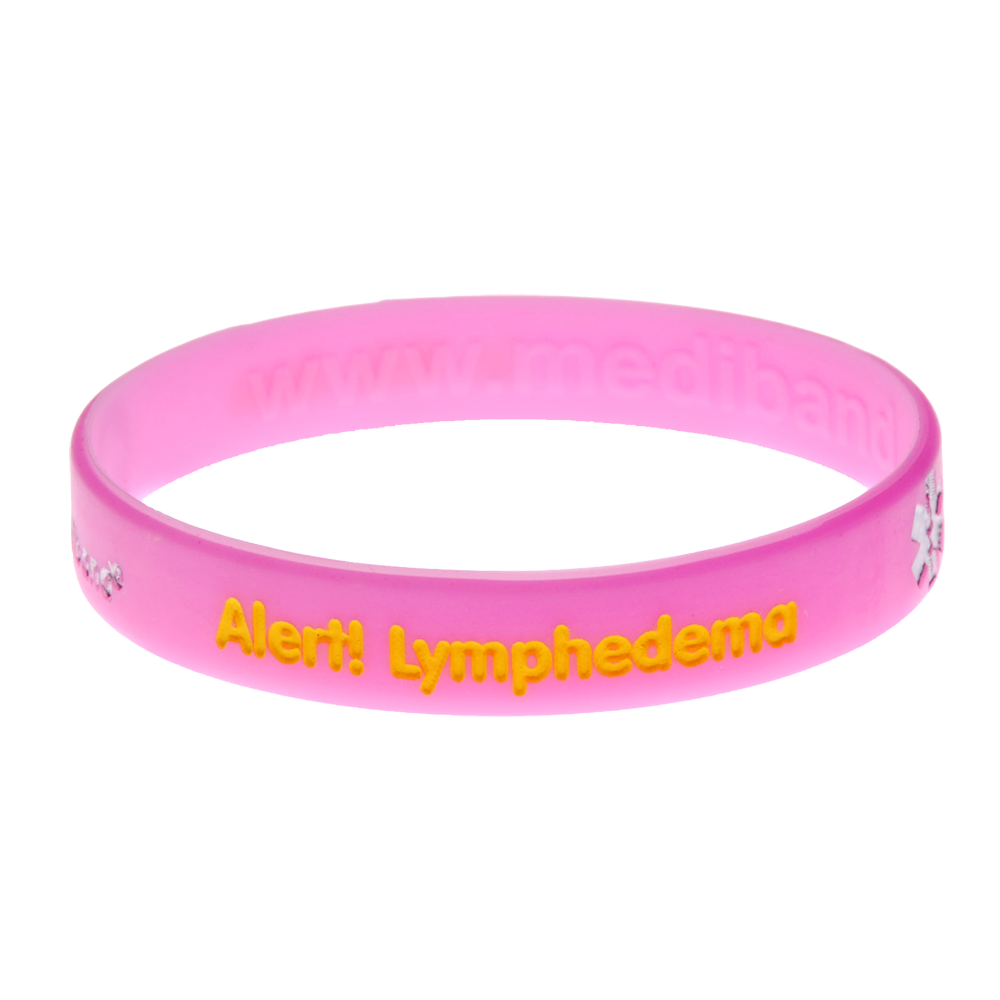
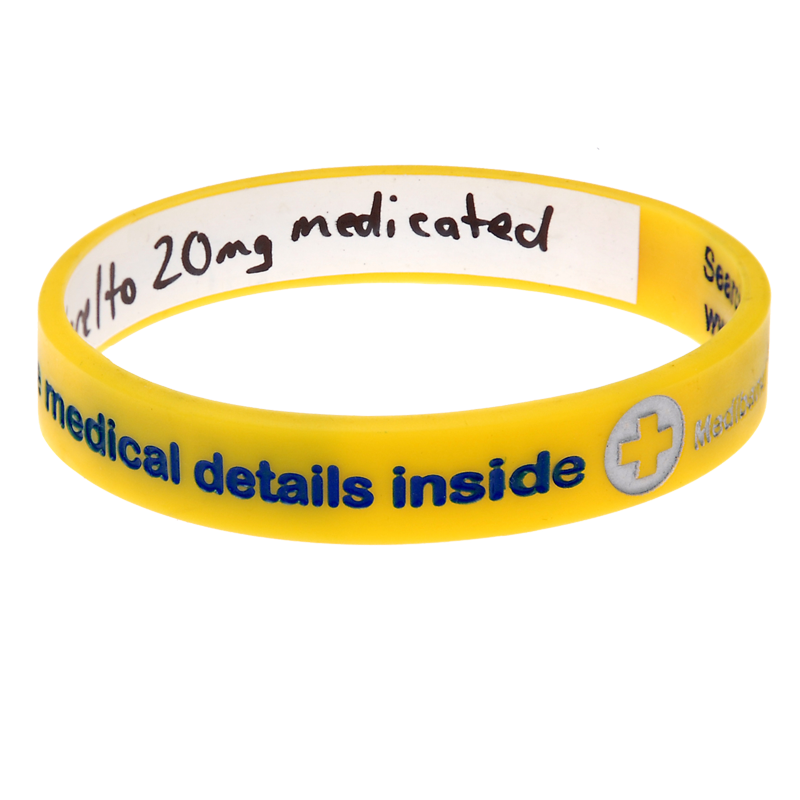
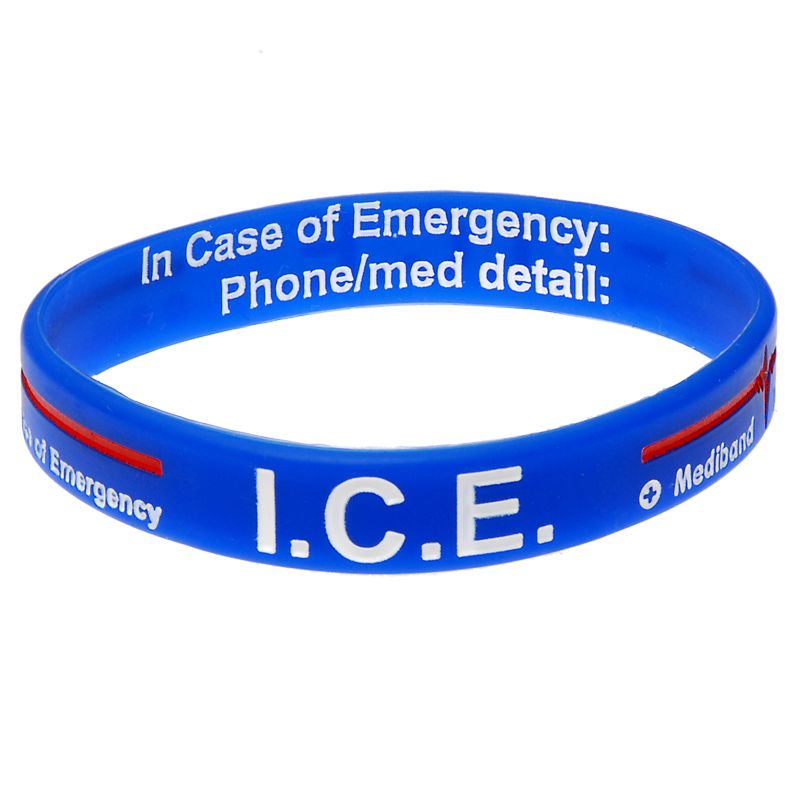
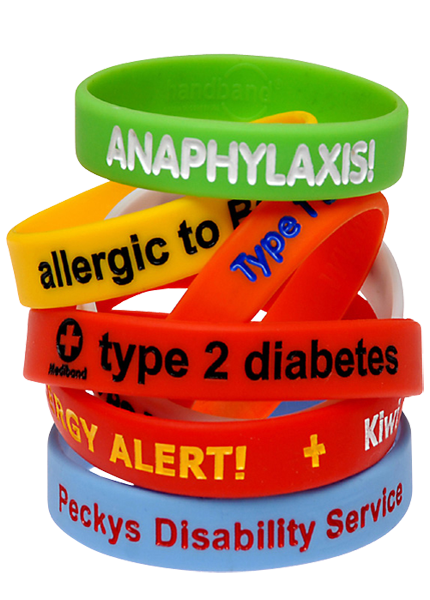
Lymphoedema Medical Alert Bracelets
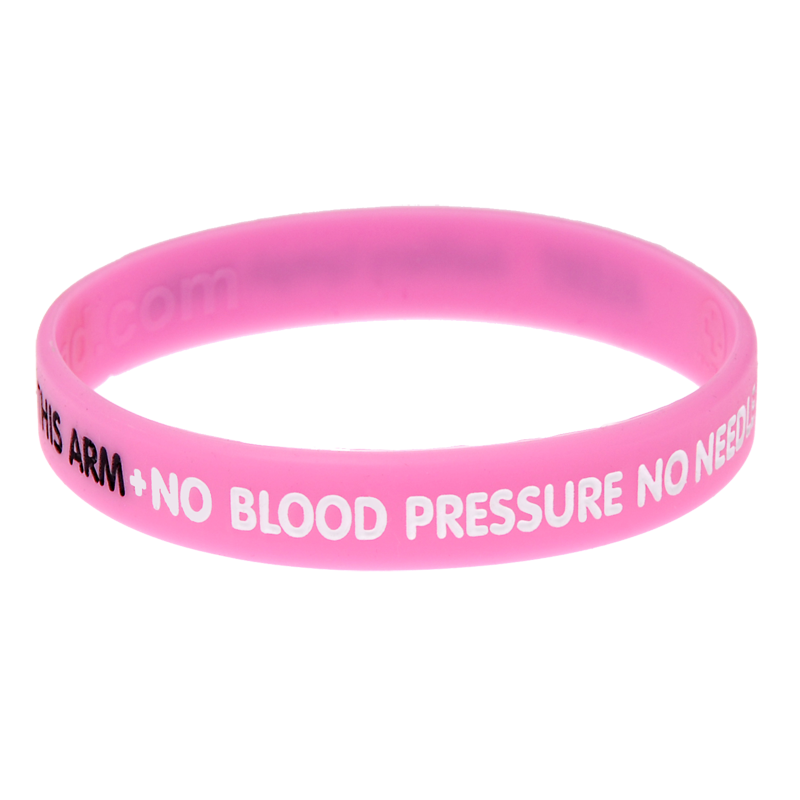
Protect your affected limb from blood pressure cuffs, needles, and IV lines.
Understanding Lymphoedema: When the Lymphatic System Fails
What Is Lymphoedema?
Lymphoedema is a chronic condition characterised by swelling in one or more parts of the body, most commonly the arms or legs, caused by a compromised lymphatic system that cannot adequately drain fluid. The swelling occurs because lymph fluid accumulates in the tissues rather than being transported back to the bloodstream.
There are two types of lymphoedema:
- Primary lymphoedema: A rare inherited condition caused by developmental abnormalities in the lymphatic system. It can appear at birth, during puberty, or later in adulthood.
- Secondary lymphoedema: Far more common, this develops when the lymphatic system is damaged by surgery (particularly lymph node removal during cancer treatment), radiation therapy, infection, injury, or obesity. In developed countries, cancer treatment is the most frequent cause.
Lymphoedema After Cancer Treatment
Up to 40% of breast cancer survivors who undergo axillary lymph node removal develop lymphoedema in the arm on the treated side, according to research published in the British Journal of Surgery (2021). The condition can develop weeks, months, or even years after surgery.
Other cancers associated with lymphoedema risk include melanoma, gynaecological cancers, prostate cancer, and head and neck cancers. Any surgery or treatment that removes or damages lymph nodes creates a potential risk.
Living with Lymphoedema: Management and Daily Care
Treatment Approaches
While there is currently no cure for lymphoedema, effective management can significantly reduce swelling and prevent complications:
- Complete Decongestive Therapy (CDT): The gold standard treatment, combining manual lymphatic drainage (specialised massage), compression bandaging, exercises, and skin care
- Compression garments: Custom-fitted sleeves, stockings, or wraps worn daily to prevent fluid accumulation
- Exercise: Gentle, regular exercise helps stimulate lymph flow. Swimming is particularly beneficial as water pressure provides natural compression
- Skin care: Meticulous skin care prevents infections (cellulitis) that can worsen lymphoedema dramatically
- Pneumatic compression: Inflatable devices that gently squeeze the affected limb to move fluid
Protecting Your Affected Limb
People with lymphoedema must take specific precautions to protect the affected limb from injury and infection:
- Avoid blood pressure readings, injections, and blood draws on the affected arm
- Wear protective gloves when gardening, cleaning, or cooking
- Avoid extreme temperatures — very hot baths, saunas, and sunburn
- Keep skin moisturised to prevent cracking
- Elevate the affected limb when resting
- Avoid tight clothing, jewellery, or accessories on the affected side
Why a Lymphoedema Medical Alert Bracelet Is Critically Important
For anyone living with lymphoedema, a lymphoedema medical alert bracelet is not a luxury — it is a medical necessity. Here is why:
Preventing dangerous medical procedures on the affected arm: In an emergency, paramedics and hospital staff routinely check blood pressure, insert IV lines, and draw blood from accessible arms. If these procedures are performed on a limb affected by lymphoedema or one from which lymph nodes have been removed, it can cause a severe flare-up, worsen existing swelling, or trigger the onset of lymphoedema in those at risk.
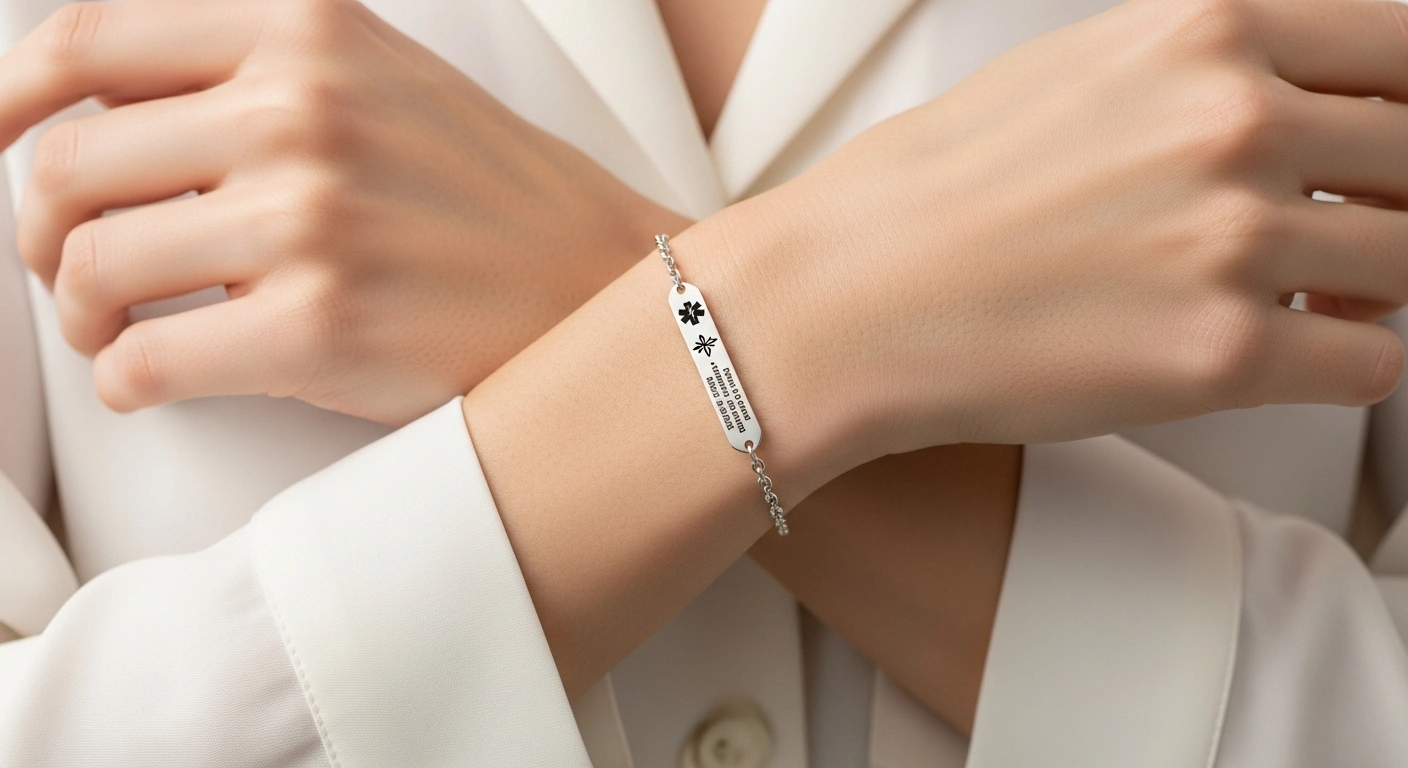
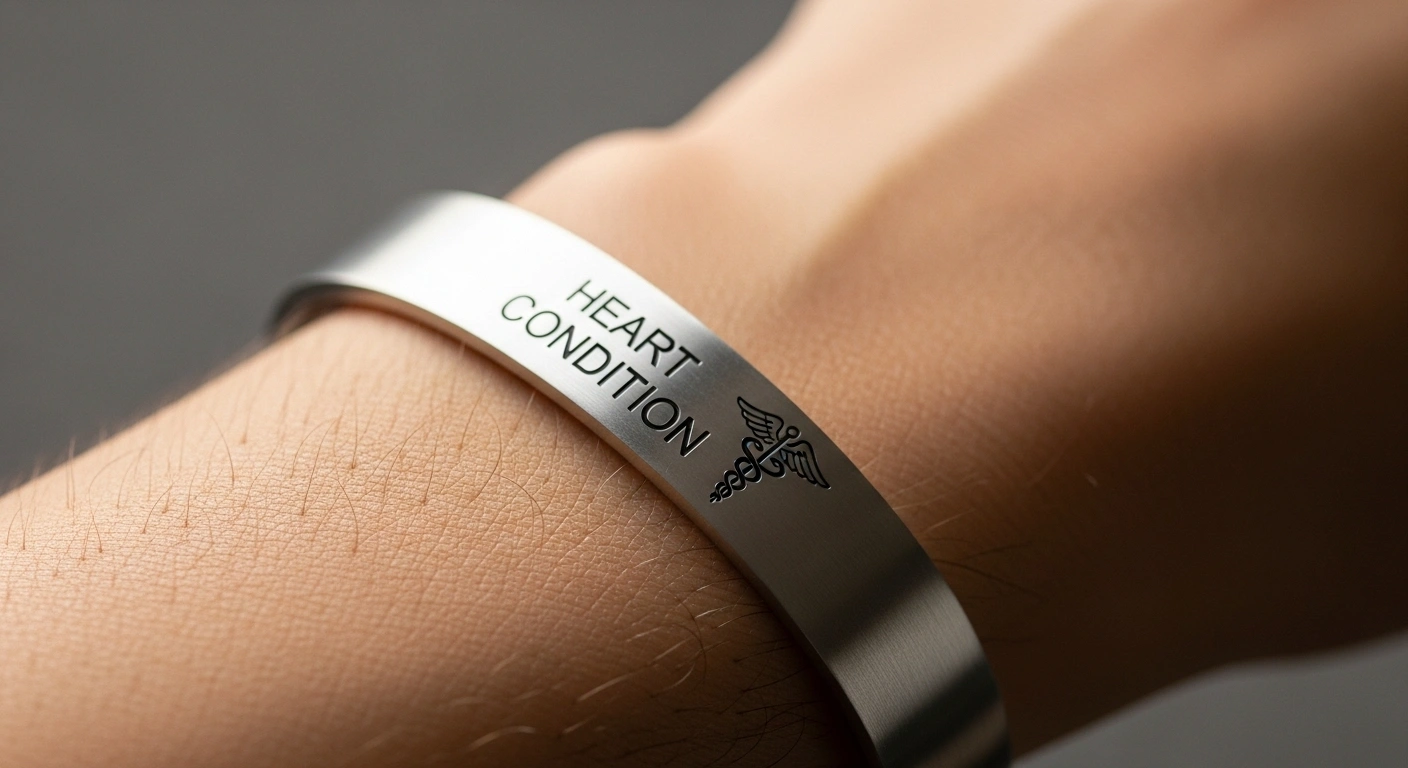
A medical alert bracelet worn on the affected wrist immediately communicates "No BP/needles this arm" to emergency responders — even when you are unconscious, sedated, or unable to advocate for yourself. The Axillary Lymph Nodes bracelet is specifically designed for this purpose.
Real-world impact: A study published in the Journal of Lymphoedema (2019) found that 23% of lymphoedema patients reported having blood pressure or blood draws performed on their affected limb during hospital visits because staff were unaware of their condition. A visible medical alert bracelet is the simplest and most effective solution to prevent this.
When to See a Doctor About Your Lymph Nodes
Your lymphatic system is a remarkable part of your body's defence mechanism. Being aware of how it works, recognising when something is abnormal, and taking proactive steps to manage conditions like lymphoedema can make a profound difference in your quality of life.
Make an appointment with your doctor if you experience:
- Persistent swelling in an arm or leg that does not resolve with elevation
- Swollen lymph nodes lasting more than four weeks
- A feeling of heaviness, tightness, or aching in a limb
- Recurrent skin infections (cellulitis) in the same area
- Reduced range of motion in the affected limb
- Hardening or thickening of the skin
Early diagnosis and intervention produce the best outcomes for lymphoedema management. If you are at risk — particularly after cancer surgery — discuss preventive strategies and monitoring plans with your oncologist and lymphoedema specialist. And if you already live with lymphoedema, wearing a medical alert bracelet is one of the most important protective measures you can take.
Frequently Asked Questions
What are lymph nodes and what do they do?
Lymph nodes are small bean-shaped structures — your body has approximately 600-700 of them — that form part of the lymphatic system. They filter lymphatic fluid, trapping bacteria, viruses, and abnormal cells to prevent infection from spreading. Lymph nodes also produce lymphocytes, the white blood cells that are essential for immune defence throughout your body.
What causes swollen lymph nodes?
The most common cause is infection — colds, flu, ear infections, tonsillitis, and skin infections all trigger lymph node swelling as your body mounts an immune response. Other causes include autoimmune conditions like lupus, certain medications, and cancer. Most swollen lymph nodes from infections resolve within two to four weeks without treatment.
What is lymphoedema and who is at risk?
Lymphoedema is chronic swelling caused by a compromised lymphatic system that cannot adequately drain fluid. Secondary lymphoedema, the most common form, develops after lymph node removal during cancer surgery, radiation therapy, infection, or injury. Up to 40% of breast cancer survivors who undergo axillary lymph node removal develop lymphoedema in the affected arm.
Why do people with lymphoedema need a medical alert bracelet?
A medical alert bracelet prevents dangerous procedures on the affected limb. Blood pressure cuffs, IV lines, injections, and blood draws on a lymphoedema-affected arm can trigger severe flare-ups. Research shows 23% of lymphoedema patients have had procedures performed on their affected arm because staff were unaware. A visible bracelet communicates this instantly.
Can lymphoedema be cured?
Currently there is no cure for lymphoedema, but effective management significantly reduces swelling and prevents complications. The gold standard treatment is Complete Decongestive Therapy combining manual lymphatic drainage, compression bandaging, exercises, and skin care. Daily compression garments, regular gentle exercise like swimming, and meticulous skin care help maintain results long-term.

Share on Facebook

Share on X

Share on Pinterest
Comment(s)
Recent Posts
The Risk Of Not Wearing An Allergy Medical Alert Bracelet
March 23, 2026