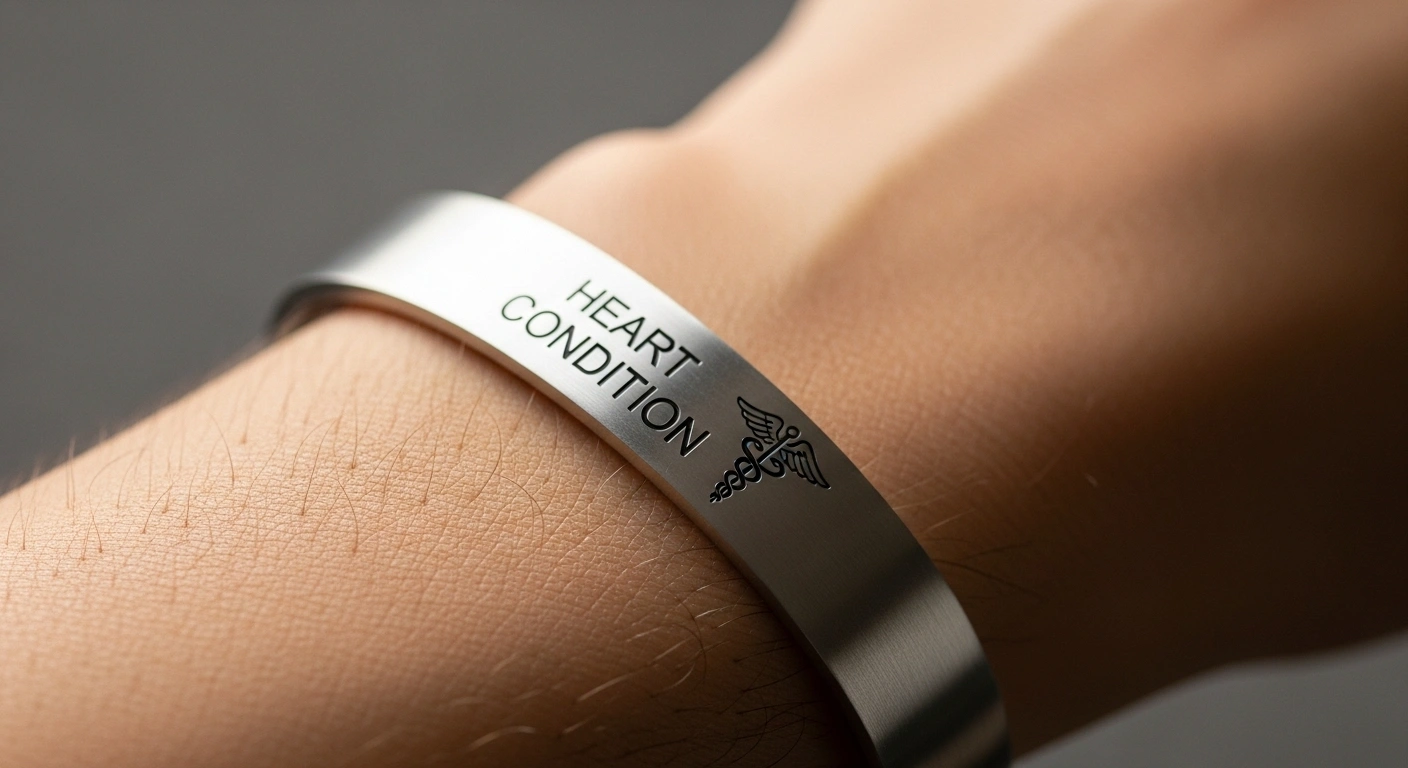
Living with Atrial Fibrillation: Why You Need a Medical Alert Bracelet
February 10, 2023

Atrial fibrillation (AFib) is the most common type of heart arrhythmia, affecting an estimated 33.5 million people worldwide (Global Burden of Disease, 2024). In Australia alone, over 480,000 people live with AFib — and that number is expected to double by 2034 as the population ages (Heart Foundation, 2024). If you've recently been diagnosed, you may have questions about managing daily life, understanding your treatment options, and staying safe.
The good news is that with the right management, it's entirely possible to live a full and active life with atrial fibrillation. One of the simplest yet most effective safety steps is wearing a medical alert bracelet that communicates your condition and medications to emergency responders.
What Is Atrial Fibrillation and How Does It Affect Your Heart?
Atrial fibrillation occurs when the two upper chambers of the heart (the atria) quiver or "fibrillate" instead of beating in a coordinated rhythm. This causes an irregular and often unusually fast heartbeat — sometimes exceeding 100 beats per minute compared to a normal resting rate of 60–100 bpm.
The irregular rhythm means blood isn't pumped as efficiently, which increases the risk of blood clots forming in the heart. If a clot travels to the brain, it can cause a stroke. People with untreated AFib are 5 times more likely to have a stroke than those without the condition (Heart Foundation Australia).
Types of Atrial Fibrillation
- Paroxysmal AFib: Episodes come and go, usually lasting less than 7 days. The heart returns to normal rhythm on its own
- Persistent AFib: Episodes last longer than 7 days and may require treatment to restore normal rhythm
- Long-standing persistent AFib: Continuous AFib lasting more than 12 months
- Permanent AFib: The heart cannot be restored to a normal rhythm, and treatment focuses on controlling heart rate
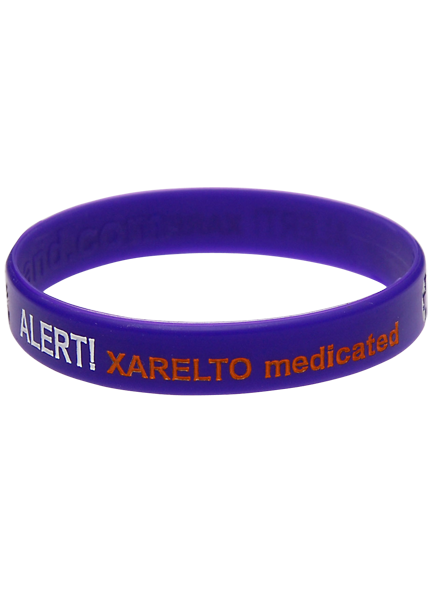
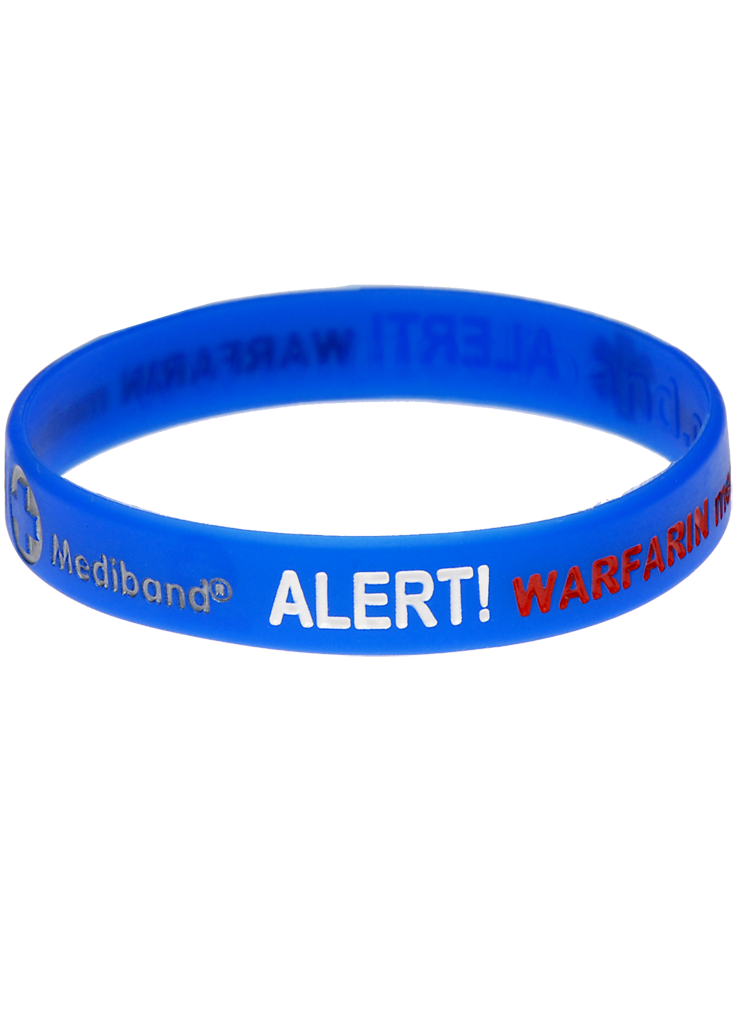
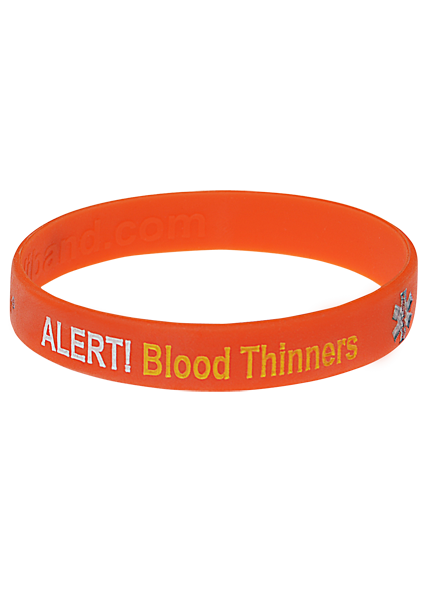
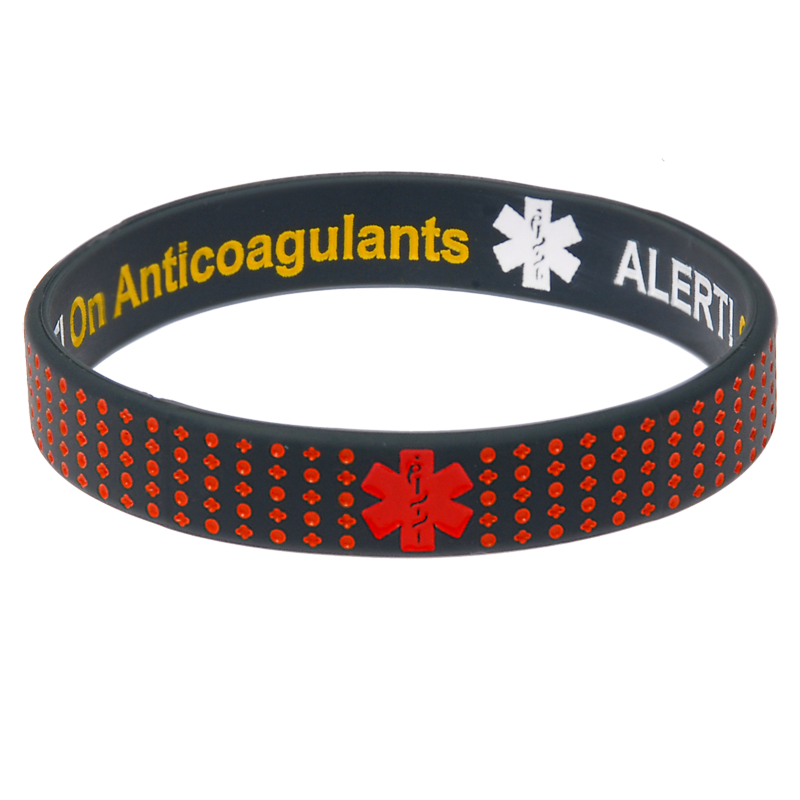
Shop Heart & Blood Thinner Medical Alert Bracelets
Let emergency responders know about your AFib, medications, and cardiac devices instantly.

What Are the Symptoms of Atrial Fibrillation?
Some people with AFib experience no symptoms at all — the condition is sometimes discovered during a routine check-up. Others may experience:
Common Symptoms
- Heart palpitations: A fluttering, pounding, or racing sensation in the chest, lasting seconds to minutes
- Rapid heartbeat: Heart rate exceeding 100 beats per minute at rest
- Fatigue and weakness: Especially during physical activity
- Breathlessness: Difficulty catching your breath, even during light activity
- Dizziness or lightheadedness: Feeling faint or unsteady
- Chest pain or discomfort: If persistent, call emergency services immediately
Important: If you experience chest pain lasting more than a few minutes, sudden severe breathlessness, or signs of a stroke (face drooping, arm weakness, speech difficulty), call emergency services immediately.
What Causes and Triggers Atrial Fibrillation?
Underlying Causes
AFib is often linked to other heart conditions or health problems, including:
- High blood pressure (hypertension) — the most common cause
- Coronary heart disease and atherosclerosis
- Heart valve disease and cardiomyopathy
- Congenital heart defects
- Overactive thyroid (hyperthyroidism)
- Type 2 diabetes and obesity
- Chronic lung conditions (COPD, asthma)
Lifestyle Triggers
Certain habits and circumstances can trigger AFib episodes:
- Excessive alcohol consumption (sometimes called "holiday heart syndrome")
- High caffeine intake from coffee, energy drinks, or tea
- Smoking and recreational drug use
- Physical or emotional stress
- Sleep deprivation or sleep apnoea
- Dehydration or electrolyte imbalances

How Is Atrial Fibrillation Treated?
Treatment depends on the type and severity of your AFib, your symptoms, and any other health conditions:
Medications
- Rate control medications: Beta-blockers or calcium channel blockers to slow the heart rate
- Rhythm control medications: Anti-arrhythmic drugs to restore and maintain normal rhythm
- Blood thinners (anticoagulants): Warfarin, Xarelto, or similar drugs to reduce stroke risk — this is why a blood thinners medical alert bracelet is essential
Procedures
- Electrical cardioversion: A controlled electric shock under general anaesthesia to reset the heart's rhythm
- Catheter ablation: Radio waves destroy the area of the heart causing the abnormal rhythm — increasingly common and highly effective
- Pacemaker implantation: A small device implanted in the chest to help regulate heartbeat
How to Live Well with Atrial Fibrillation
Living well with AFib is absolutely achievable. Here are practical steps recommended by cardiologists:
- Stay active: Gentle to moderate exercise (walking, swimming, yoga) improves heart health — aim for 150 minutes per week
- Eat heart-healthy: Focus on fruits, vegetables, wholegrains, and lean proteins. Limit sodium and alcohol
- Maintain a healthy weight: Weight loss of just 10% has been shown to significantly reduce AFib episodes (LEGACY study, University of Adelaide)
- Limit alcohol and caffeine: Both can trigger episodes in many people
- Manage stress: Mindfulness, meditation, and breathing exercises help regulate the nervous system
- Keep regular medical appointments: Monitor your condition and adjust treatment as needed
- Wear a medical alert bracelet: Ensure emergency responders know about your AFib, blood thinners, and any implanted devices
Frequently Asked Questions
Can atrial fibrillation go away on its own?
Paroxysmal atrial fibrillation episodes can stop on their own within hours or days. However, AFib is generally a progressive condition — episodes may become longer and more frequent over time. Early treatment and lifestyle changes can slow this progression significantly.
Is exercise safe with atrial fibrillation?
Yes, moderate exercise is not only safe but recommended for most AFib patients. Walking, swimming, and yoga are excellent options. Avoid high-intensity exercise until you've consulted your cardiologist. The Heart Foundation recommends 150 minutes of moderate activity per week.
What should I engrave on an atrial fibrillation medical alert bracelet?
Include "Atrial Fibrillation" as your primary condition, any blood-thinning medications (e.g. Warfarin, Xarelto), whether you have a pacemaker or other implanted device, and an emergency contact number. Keep it concise for rapid reading by paramedics.
Does atrial fibrillation always require blood thinners?
Not always. Your doctor will assess your stroke risk using a scoring system called CHA2DS2-VASc. Factors like age, sex, diabetes, heart failure, and history of stroke determine whether blood thinners are recommended. Many AFib patients do require them to prevent dangerous blood clots.
Can I drink coffee with atrial fibrillation?
Recent research suggests that moderate coffee consumption (1-2 cups per day) may not increase AFib risk for most people. However, high caffeine intake from energy drinks or multiple cups can trigger episodes in some individuals. Monitor your personal response and discuss with your cardiologist.

Share on Facebook

Share on X

Share on Pinterest
Comment(s)
Recent Posts

The Risk Of Not Wearing An Allergy Medical Alert Bracelet
March 23, 2026