Care Package Ideas for Someone with a Chronic Illness: A Thoughtful Guide
December 01, 2021

When someone you love is managing a chronic illness, you want to help — but it can be hard to know what will actually be useful versus what will sit unused on a shelf. A well-assembled care package is a tangible expression of love and attention: it says “I thought carefully about what your days look like, and I wanted to make them a little easier.” According to researchers at the University of Michigan (2021), people with chronic conditions who feel socially supported report significantly better health outcomes and lower rates of depression than those who feel alone in managing their condition. A care package is a small but meaningful way to extend that support.
This guide covers the most thoughtful, practical, and genuinely appreciated items to include in a care package for a friend or loved one living with a long-term health condition.
What Makes a Great Care Package for Someone with a Chronic Illness?
The best care packages are personalised — they reflect knowledge of the specific person, their condition, and their daily experience. A generic “get well soon” basket with bath bombs and chocolate may miss the mark if the person has skin sensitivities or dietary restrictions. The more specific your knowledge of their situation, the more meaningful your package will be.
Start With These Questions
- Are they in a flare-up period or a relatively stable phase?
- Do they have dietary restrictions, food sensitivities, or allergies?
- Do they spend a lot of time in bed, or are they mobile and active on good days?
- What do they typically do to comfort themselves?
- Are there specific symptoms (pain, fatigue, nausea) that are most burdensome?
If you’re unsure, a simple text asking “Is there anything specific that would really help right now?” is never inappropriate — most people with chronic conditions appreciate the directness.
Category 1: Comfort and Rest Items
Fatigue and pain are the most universal experiences across chronic conditions. Items that make rest more comfortable are almost universally appreciated.
- Microwavable heat pack — for pain relief from arthritis, fibromyalgia, endometriosis, or muscle spasms
- Weighted blanket — beneficial for anxiety, sensory conditions, and general comfort during rest
- Soft pillow or neck pillow — especially for those spending time in bed or on the couch
- High-quality socks or slippers — warm feet are a simple but genuine comfort
- Eye mask and earplugs — for those whose condition affects sleep quality
Skin-Safe Comfort Items
Many chronic conditions affect skin sensitivity. If you include bath or skin products, opt for fragrance-free, hypoallergenic formulas. Look for products specifically labelled for sensitive skin. Alternatively, focus on non-skin-contact comfort items (blankets, heat packs) and avoid the risk altogether.
Category 2: Entertainment and Mental Wellbeing
Chronic illness often involves significant amounts of enforced downtime. Mental stimulation during this time is not a luxury — it’s essential for psychological health. Research published in Frontiers in Psychology (2020) found that meaningful leisure activities during illness are strongly associated with reduced depression and improved quality of life.
- Books or e-reader loaded with their favourite genre
- Streaming service subscription or gift card (Netflix, Audible, Spotify)
- Puzzle or craft kit — something they can do from the couch on low-energy days
- Journal or sketchpad — expressive writing is clinically shown to reduce psychological distress
- Playlist or digital music gift — music therapy has documented benefits for chronic pain management
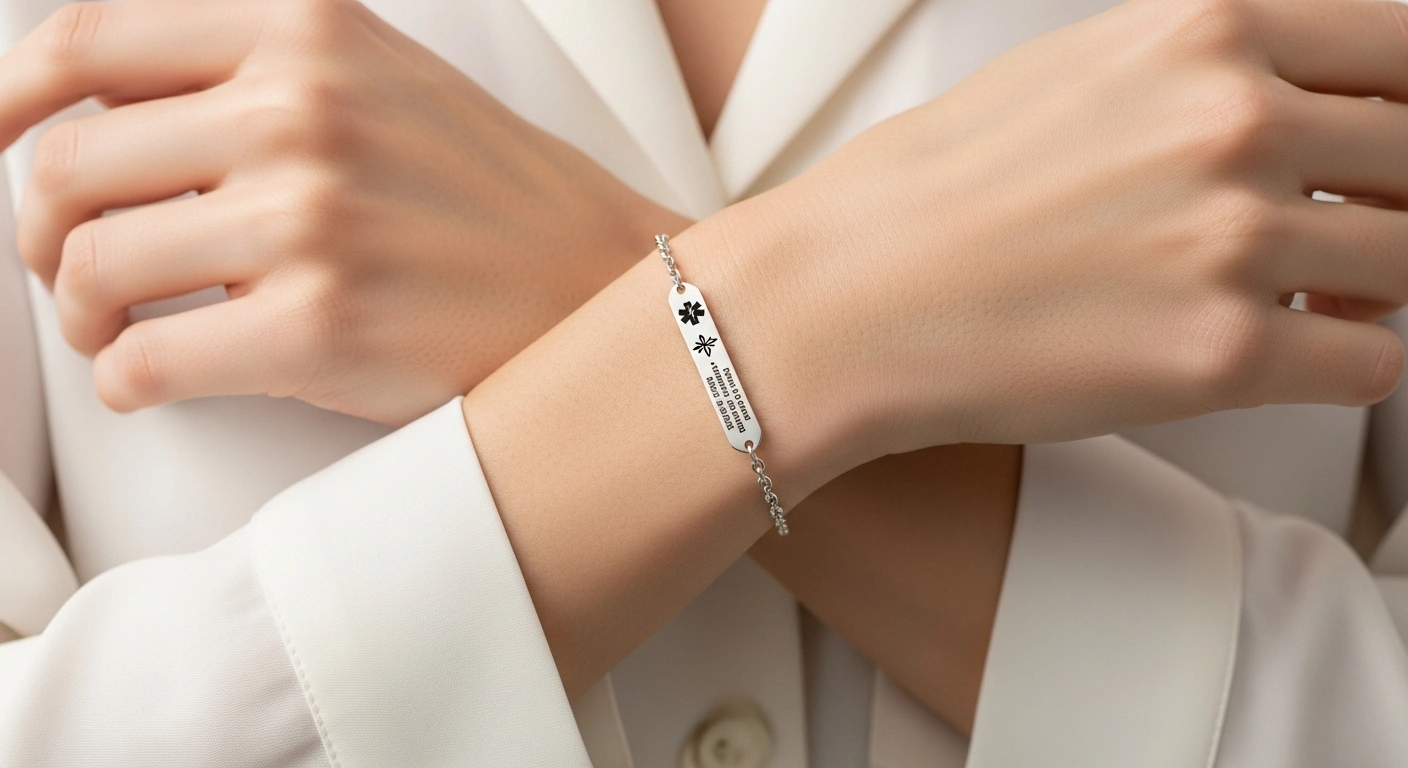
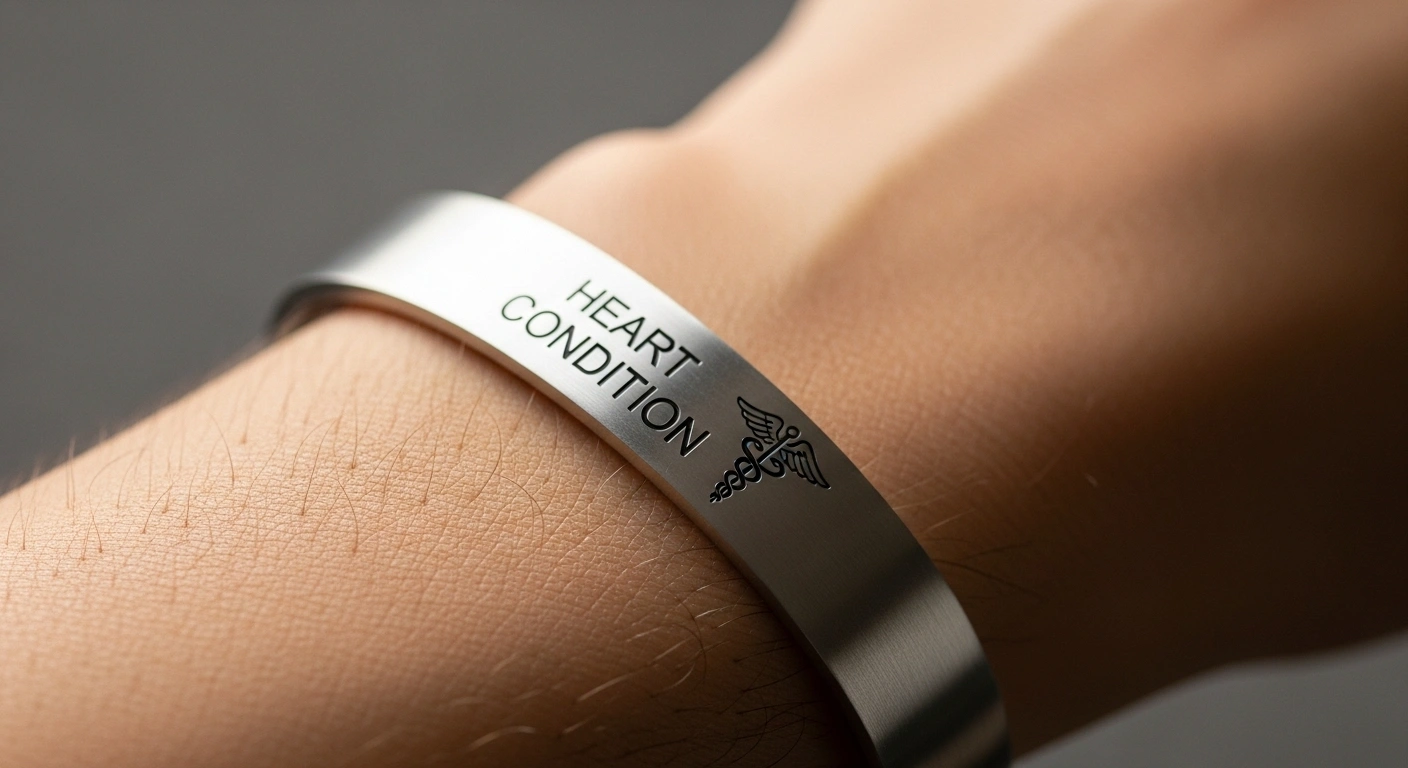
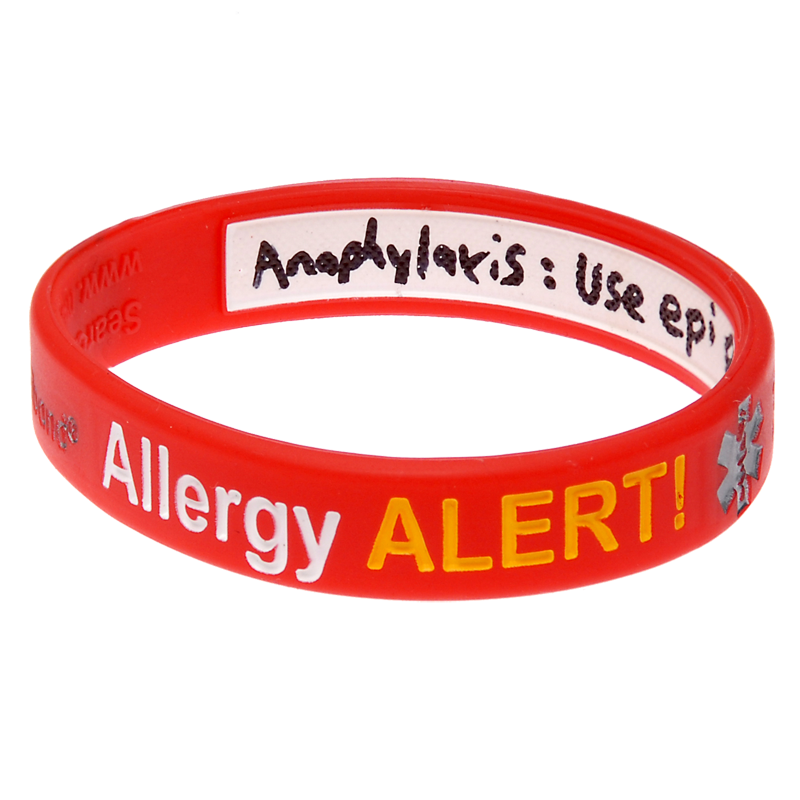
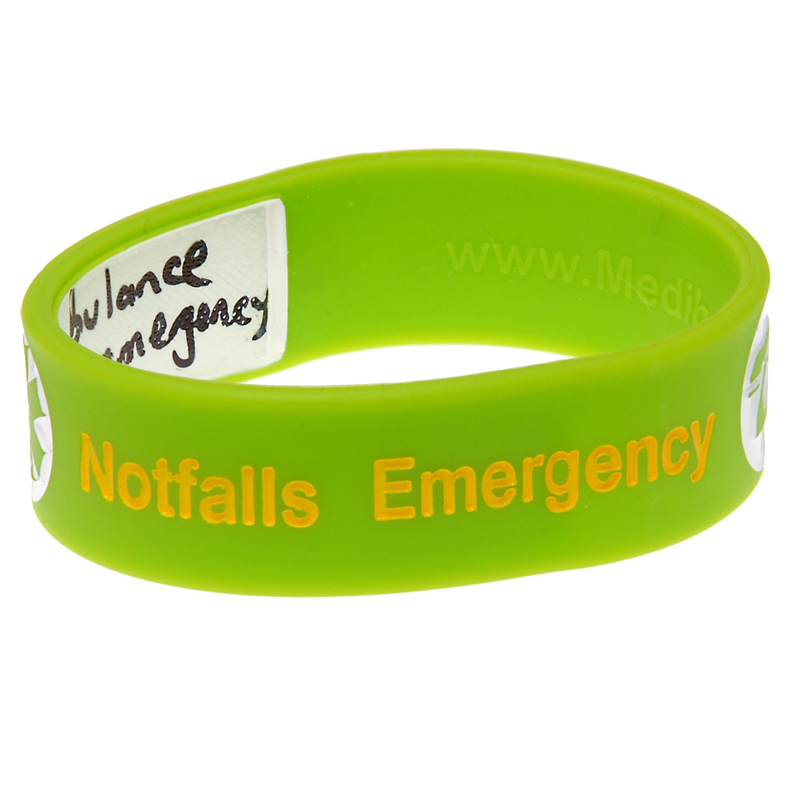
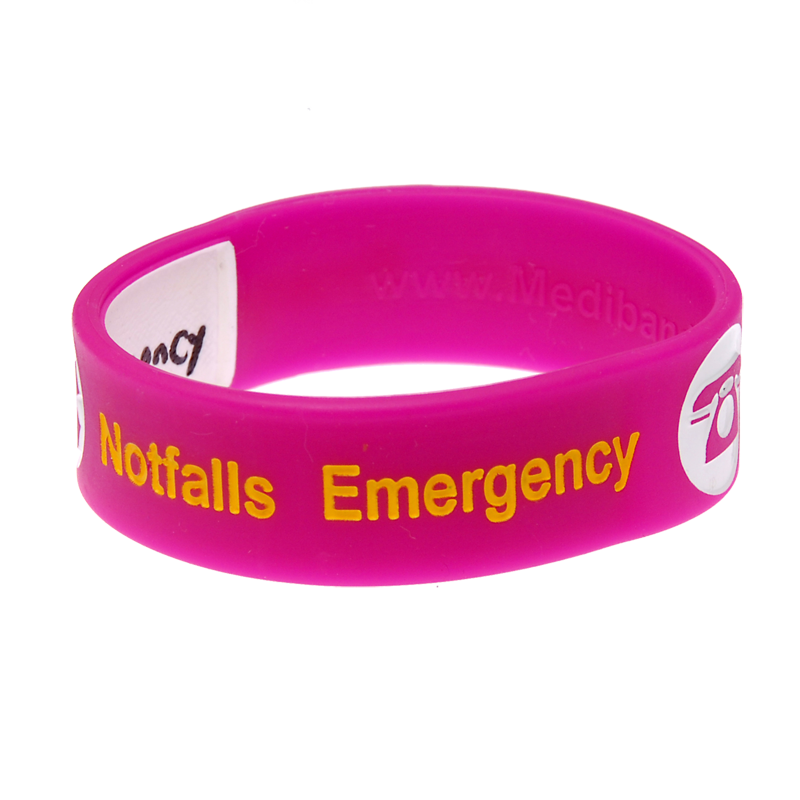
A Medical Alert Bracelet: The Care Package Item That Could Save a Life
Add a personalised medical ID bracelet to your care package — practical, stylish, and genuinely life-changing.

Category 3: Practical Daily Life Support
Practical items that reduce the effort of daily tasks are among the most appreciated by people with chronic illness, even though they’re sometimes overlooked in favour of more “fun” items.
- Meal delivery vouchers — cooking is exhausting during flares; a delivery voucher removes that burden entirely
- Grocery delivery service subscription — removes the physical challenge of a supermarket trip
- Pill organiser — a quality weekly pill organiser with large, easy-open compartments reduces daily cognitive load
- A medical alert bracelet — one of the most genuinely useful items you can include (see below)
- Ergonomic tools — jar openers, easy-grip cutlery, or lever-style tap adaptors for those with limited hand strength
- Offer cards for practical help — handwritten cards offering specific tasks (a lift to an appointment, a grocery run, lawn mowing) that they can “redeem”
Why a Medical Alert Bracelet Belongs in Every Chronic Illness Care Package
A medical alert bracelet is perhaps the most genuinely useful item you can include in a care package for someone with a chronic condition — yet it’s rarely thought of as a gift. Here’s why it should be.
In any medical emergency, whether the person collapses at home, has an accident, or experiences a sudden severe reaction, first responders have seconds to make treatment decisions. If the person is unconscious or unable to speak, they rely on visible information — and a medical alert bracelet is the most reliable source of that information. It communicates their condition, key medications, critical allergies, and emergency contact details instantly.
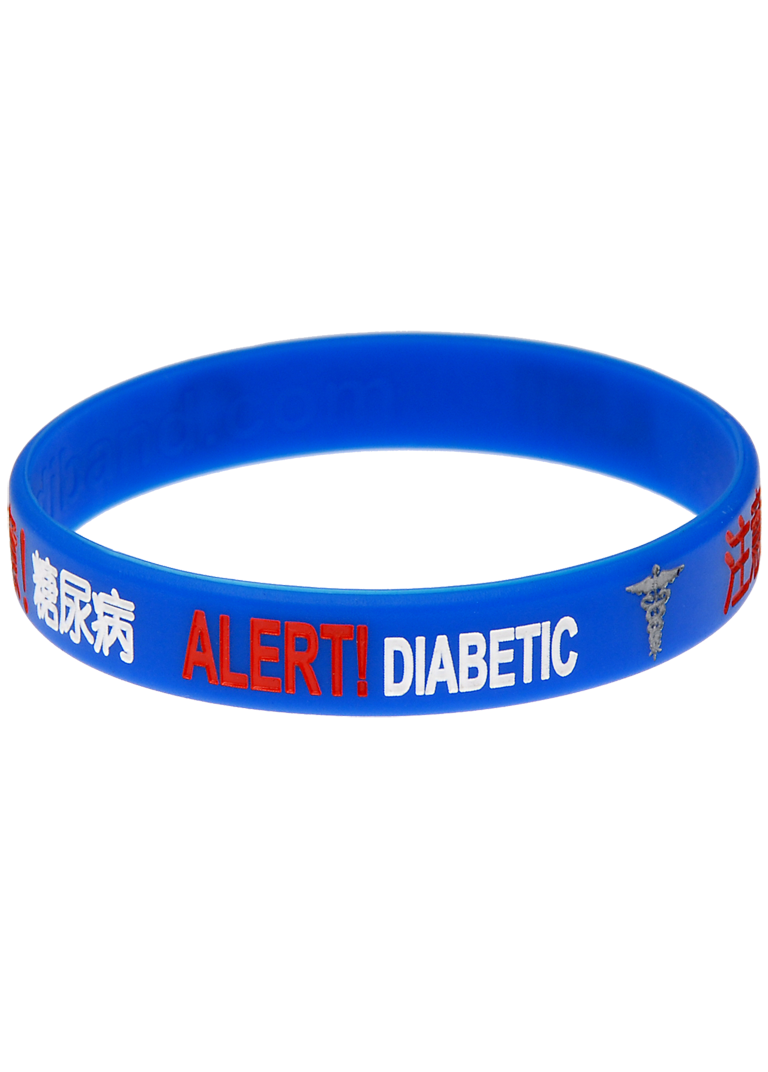
For someone with diabetes, an epilepsy diagnosis, severe allergy, heart condition, or any complex medical history, a medical alert bracelet could prevent dangerous treatment errors in an emergency. Framed as a gift — with a note explaining the thought behind it — it becomes a profound expression of care rather than a clinical purchase.
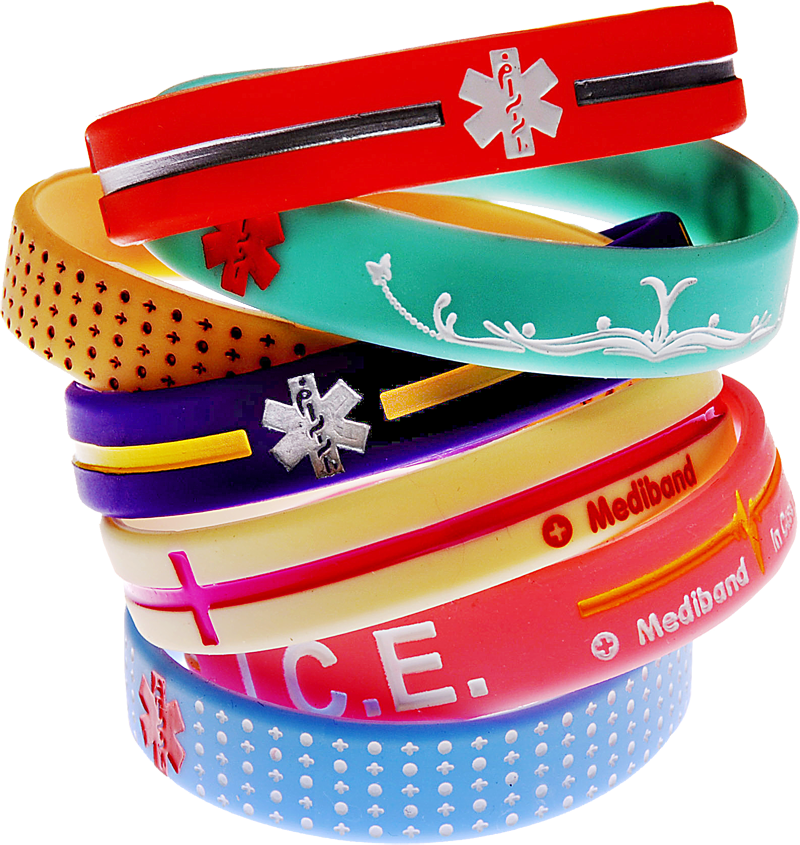
Browse Mediband’s full range of medical ID bracelets to find one that suits their style and condition. Choose a reversible or designer option for someone who values aesthetics, or a write-on bracelet for someone who manages multiple conditions.
Category 4: Nourishment and Hydration (with Care)
Food and drink items can be wonderful care package inclusions — but only when chosen with care. Always check dietary restrictions before including any food. Good options that tend to suit most conditions:
- High-quality herbal teas (ginger, peppermint, chamomile) — these are gentle on most digestive systems and soothing to drink
- Good quality honey (check there are no contraindications with their medications)
- Glucose tablets or energy-boosting snacks (ask first, especially for diabetics who manage their own glucose carefully)
- A quality insulated water bottle — staying hydrated is important for almost every chronic condition and often under-prioritised
Putting It All Together: Care Package Assembly Tips
A thoughtful care package doesn’t need to be elaborate or expensive — it needs to be personal. Choose items that reflect specific knowledge of the person, not just generic “sick person” tropes. Include a heartfelt handwritten note explaining why you chose each item. That context transforms a collection of objects into something deeply meaningful.
If you’re sending the package rather than delivering it in person, choose items that pack well and won’t be damaged in transit. Wrap items individually if you can — the experience of unwrapping each one extends the joy of receiving it.
Most importantly: follow up. A care package is a gesture, not a replacement for ongoing support. Check in after they receive it. Ask which items they’ve found most useful. That conversation is part of the gift.
Frequently Asked Questions
What should I put in a care package for someone with a chronic illness?
The best items are personalised to the individual and their condition. Universally appreciated items include comfort pieces (heat packs, soft blankets, cosy socks), entertainment (books, streaming subscriptions, puzzles), practical support (meal delivery vouchers, pill organisers), and safety items (a medical alert bracelet). Avoid food items without checking dietary restrictions, and include a heartfelt note explaining your choices.
Is a medical alert bracelet a good addition to a care package?
It is one of the most genuinely useful items you can include. A medical alert bracelet ensures that in any emergency, first responders have immediate access to the person's critical medical information — conditions, medications, allergies, and emergency contacts. Framed with a thoughtful note as part of a care package, it becomes a meaningful expression of care rather than just a practical item.
How do I make a care package feel personal, not generic?
Research and personalisation make all the difference. Think about their specific condition, their daily routine, their comfort habits, and their tastes. Include items that reflect specific knowledge of their experience — not just a standard "sick person" selection. A handwritten note explaining why you chose each item transforms the package from thoughtful to genuinely moving.
Can I include food in a care package for someone with a chronic illness?
Yes, but with care. Always check dietary restrictions, food allergies, and any medication interactions before including food or drink. Safe options for most conditions include herbal teas (ginger, chamomile, peppermint), quality honey, and a good insulated water bottle. When in doubt, opt for non-food items or ask directly what they can and cannot eat.

Share on Facebook

Share on X

Share on Pinterest
Comment(s)
Recent Posts
The Risk Of Not Wearing An Allergy Medical Alert Bracelet
March 23, 2026