What are the best medical wristbands for children?
May 15, 2024

If you want to know which are the best medical wristbands for children, read our latest post.

We’re going to identify the health conditions that commonly affect children and understand their impact.
We’ll also explain the value of wearing a medical alert and highlight the best medical bracelets for kids.
Which health conditions are most likely to affect children?
According to the AIHW (Australian Institute of Health and Welfare), these are the key health issues for children:
- Infant and congenital conditions. These are conditions that a child has before or at birth. There are many different infant and congenital conditions, which range in symptoms and severity. They include Down’s syndrome, heart defects, cystic fibrosis and sickle cell disease.
- Asthma. This lung condition means that the airways become narrow when they are inflamed. Symptoms include coughing, wheezing and a feeling of tightness in the chest. In 2017-18, around 10% of Australian children aged 0 to 14 were reported to have asthma.
- Autism spectrum disorder. This refers to a variety of conditions with a wide range of symptoms. Key features are challenges around social skills and communication, as well as sensory issues.
- Anxiety disorders. Examples of anxiety disorders include obsessive-compulsive disorder (OCD) and post-traumatic stress disorder (PTSD). One in 14 children in Australia aged 4 to 17 are living with an anxiety disorder.
- Depressive disorders. These refer to a number of conditions that affect mood. These include major depressive disorder and disruptive mood dysregulation disorder.
- Conduct disorder. This mental health condition is characterised by aggressive and harmful behaviour. It can be linked to other conditions such as attention-deficit hyperactivity disorder (ADHD).
Other long-term conditions that affect children include:
- Hay fever. Around 10% of children have hay fever, which causes symptoms such as sneezing, runny nose and itchy, watering eyes.
- Allergies. Up to 50% of Australian children have experienced allergy symptoms during their first four years. These include allergies to dairy foods, eggs, nuts and pets.
- Epilepsy. This is a neurological condition that causes repeated seizures. Approximately one in 200 children in Australia are living with epilepsy.
- Type 1 diabetes. This condition means that the body either does not make enough insulin or cannot use insulin efficiently. This can lead to abnormal levels of glucose in the blood. In 2021, approximately 13,200 children and young people up to the age of 19 were living with type 1 diabetes.
Should my child wear a medical wristband?
If your child is affected by any of these — or other — conditions, you may be wondering whether they should wear a medical ID.
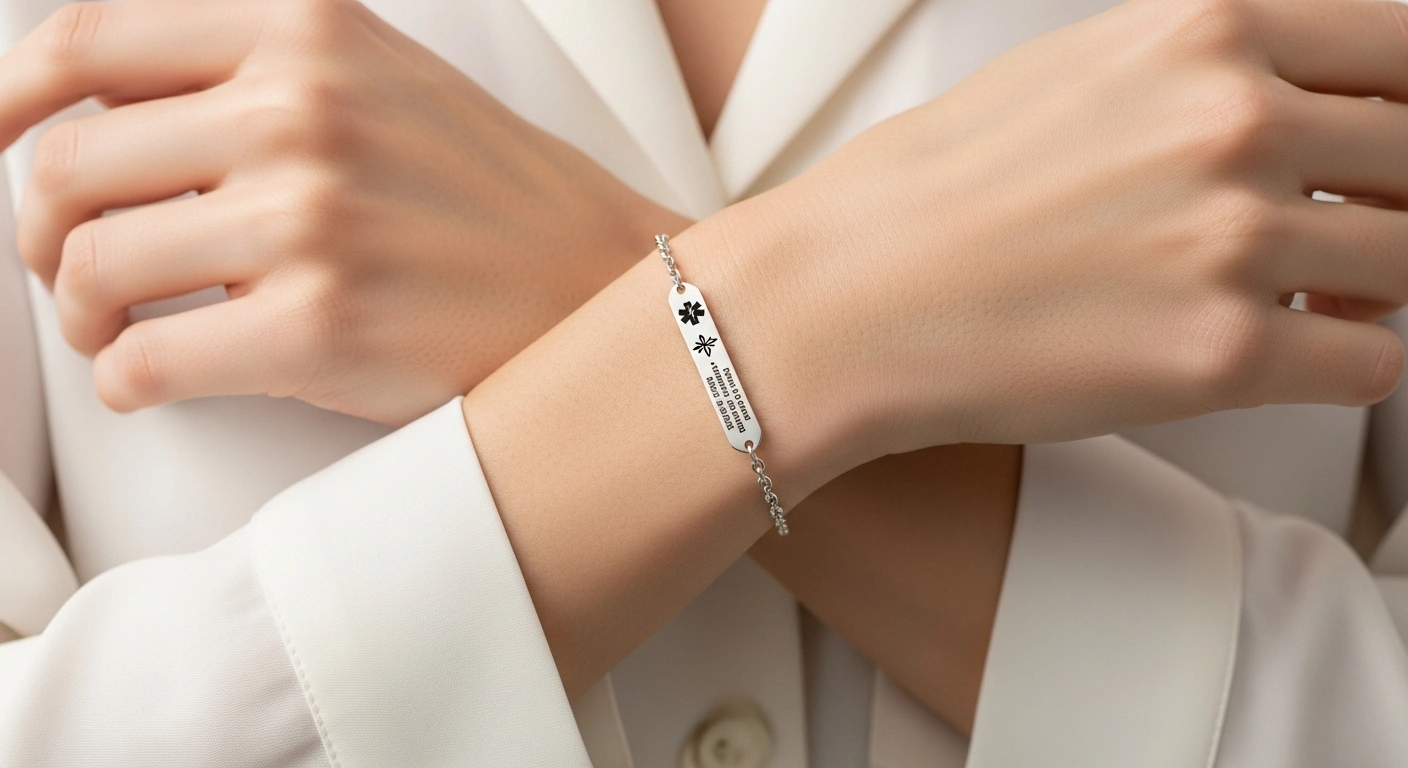
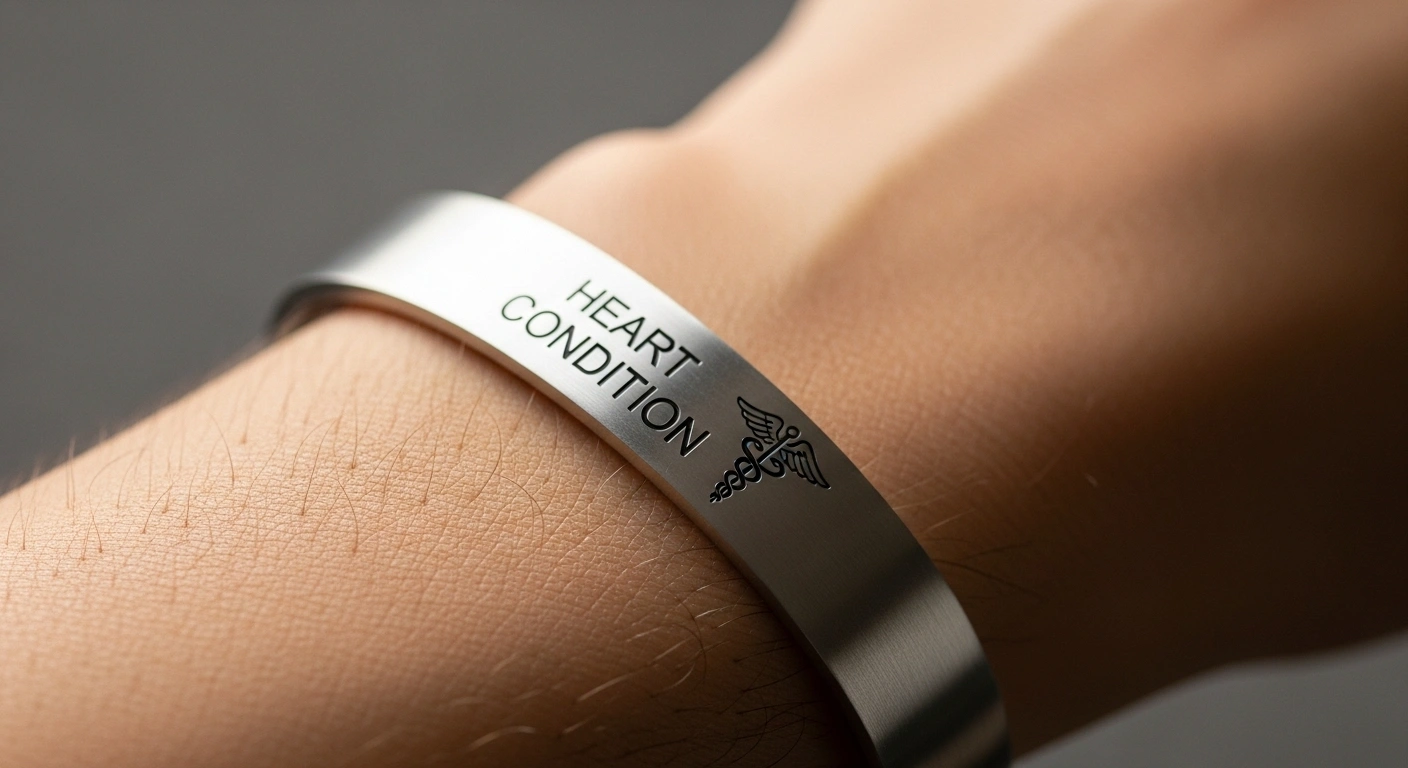
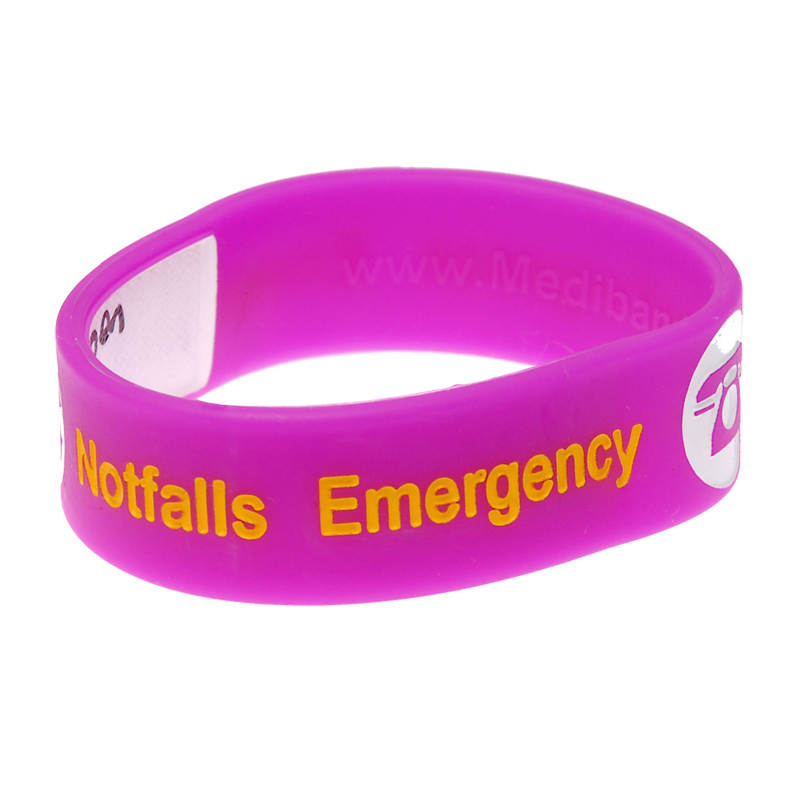
Med alerts often come in the form of wristbands, displaying the name of your child’s condition and other useful information. This could be an emergency contact number or the name of their medication, for example.
If your child can’t communicate their needs in a medical emergency, the information on their wristband or other type of medic alert can help. Healthcare professionals can use this information to make decisions about treatment. It also gives them the means to contact you or another emergency contact.
Your child’s medical wristband can also be linked to our online medical records system, MedibandPlus. This platform securely stores detailed information about your child’s health. Caregivers can access the system via a code shown on your child’s wristband and get a full picture of their health status.
Wearing a medical wristband can help your child manage and feel more confident about their condition. It can be a conversation-starter too, encouraging your child to talk about their challenges with others.
Finally, it can give you peace of mind, knowing that your child will be cared for appropriately in an emergency.
Shop Children's Medical Alert Wristbands
Keep your child safe with a medical ID wristband that speaks for them in any emergency.
Where can I find children’s medical alert bracelets in Australia?
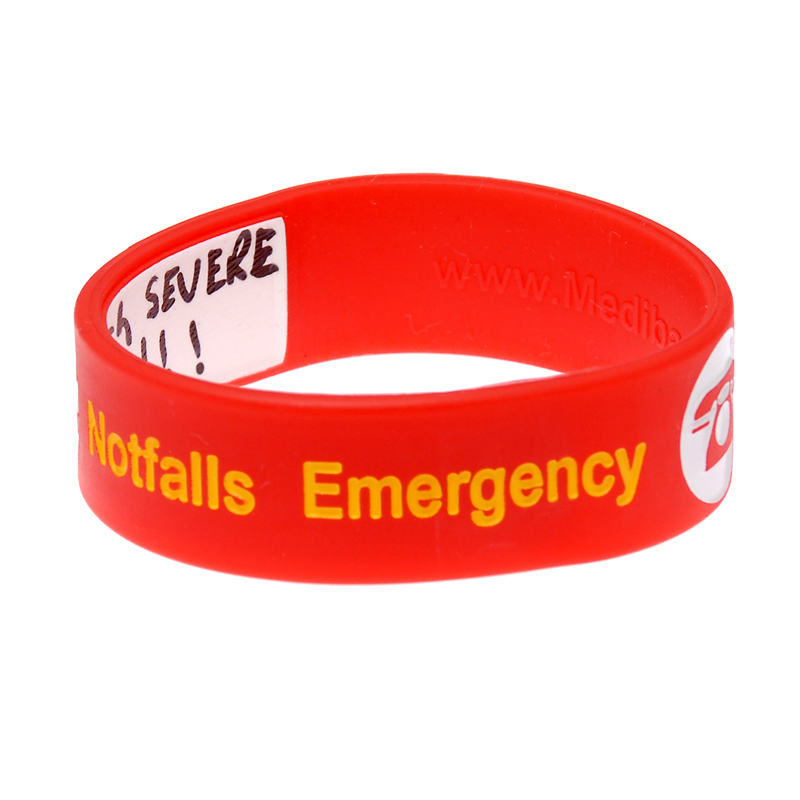
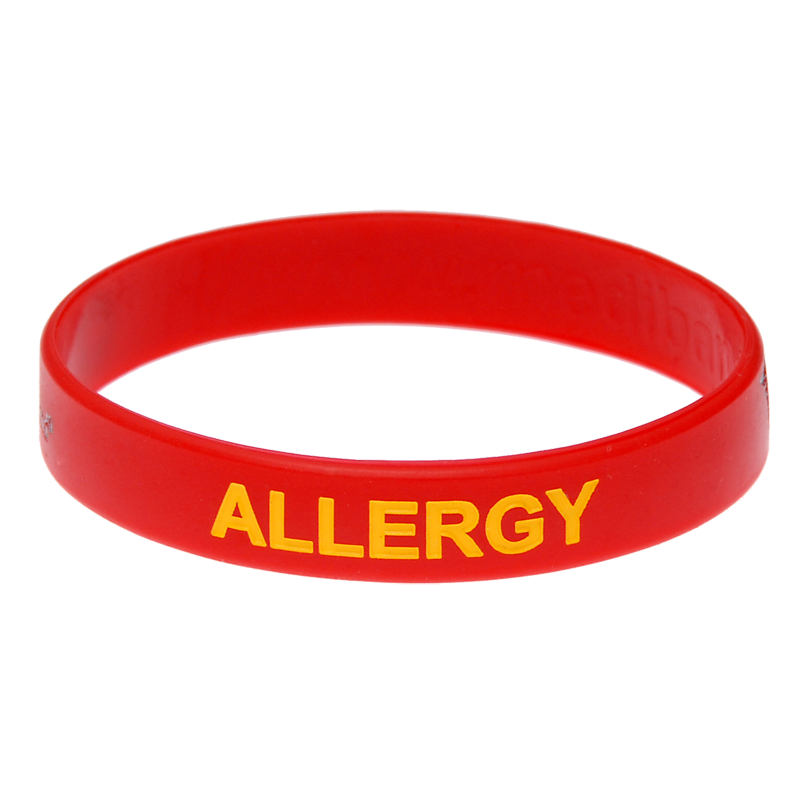
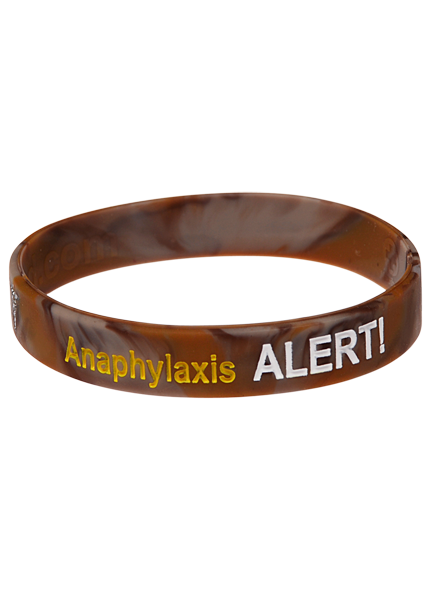
You can find a wide range of pre-printed medical wristbands and other products in our online shop. Popular choices are our silicone wristbands for allergy, asthma and epilepsy. You can also opt for a write-on medical wristband and add the details of your choice.
If your child does not like the feel of wristbands, you could consider a write-on key chain or wallet card. They’re a great alternative for kids with sensory issues.
Choose medical IDs that make a difference
If you have a child with a medical condition, buying them a medical ID bracelet or other alert is a smart move.
In addition to helping them feel more confident about their condition, their ID could make a real difference in an emergency.
You can browse all our medical wristbands and accessories in our online store. You’ll find a wide selection of bracelets and more, with options to customise wristbands with the wording of your choice.
Frequently Asked Questions
What age can children start wearing medical wristbands?
Children can start wearing medical ID wristbands from around two years of age. Mediband offers adjustable sizes specifically designed for small wrists. The earlier a child begins wearing one, the more natural it feels as part of their daily routine — much like wearing a watch.
What conditions require a child to wear a medical wristband?
Any condition that could cause an emergency or affect treatment, including food allergies, anaphylaxis, asthma, epilepsy, Type 1 diabetes, autism spectrum disorder, and congenital heart conditions. If a teacher, babysitter, or paramedic needs to know about your child condition, a wristband is essential.
Are children's medical wristbands comfortable for all-day wear?
Yes. Mediband children wristbands are made from soft, medical-grade silicone that is lightweight, flexible, and hypoallergenic. They are designed for 24/7 wear including during sleep, swimming, and sports. Most children forget they are wearing one within a day or two of starting.
What information should be on a child's medical wristband?
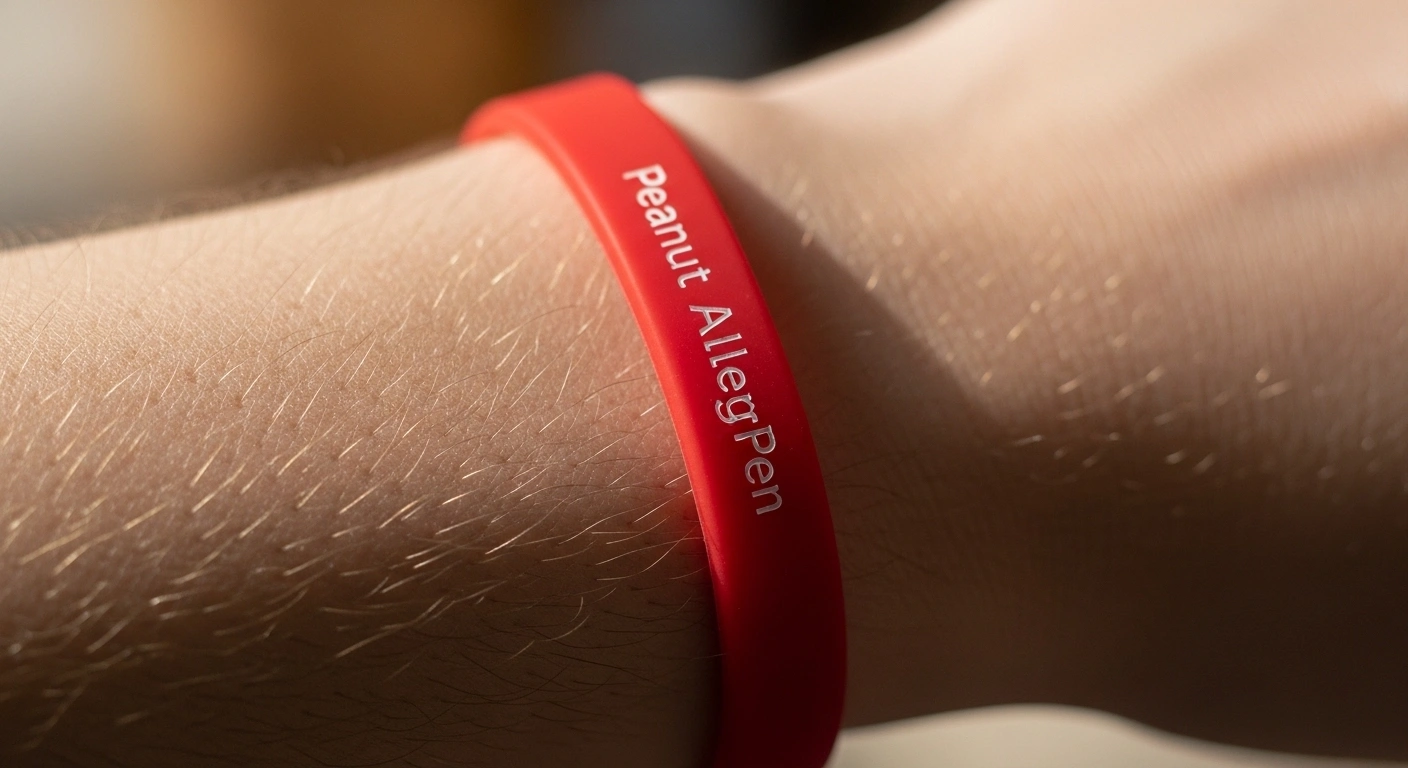
Include the child primary condition, specific allergens, whether they carry an EpiPen or inhaler, and a parent emergency contact number. Keep it brief and clear — for example: Peanut Allergy — EpiPen — Mum: 0412 345 678. First responders need to read it quickly under pressure.
How do I choose between a silicone and stainless steel wristband for my child?
Silicone wristbands are the most popular choice for children — they are soft, waterproof, lightweight, and come in fun colours. Stainless steel options offer a more grown-up look for older children and teenagers. Both are durable and suitable for everyday wear. Choose whichever your child is more likely to wear consistently.

Share on Facebook

Share on X

Share on Pinterest
Comment(s)
Recent Posts
The Risk Of Not Wearing An Allergy Medical Alert Bracelet
March 23, 2026