Medical Wallet Cards: Why Everyone with a Health Condition Needs One
July 04, 2020

When an emergency strikes, seconds matter. Whether you have a serious allergy, a chronic health condition, or take medications that affect treatment decisions, a medical wallet card can give first responders the critical information they need — immediately.
According to research published by the National Institutes of Health, medication errors and communication failures in emergencies are a leading cause of preventable harm. A clearly documented medical card in your wallet could be the difference between a correct and incorrect treatment decision.
What Is a Medical Wallet Card?
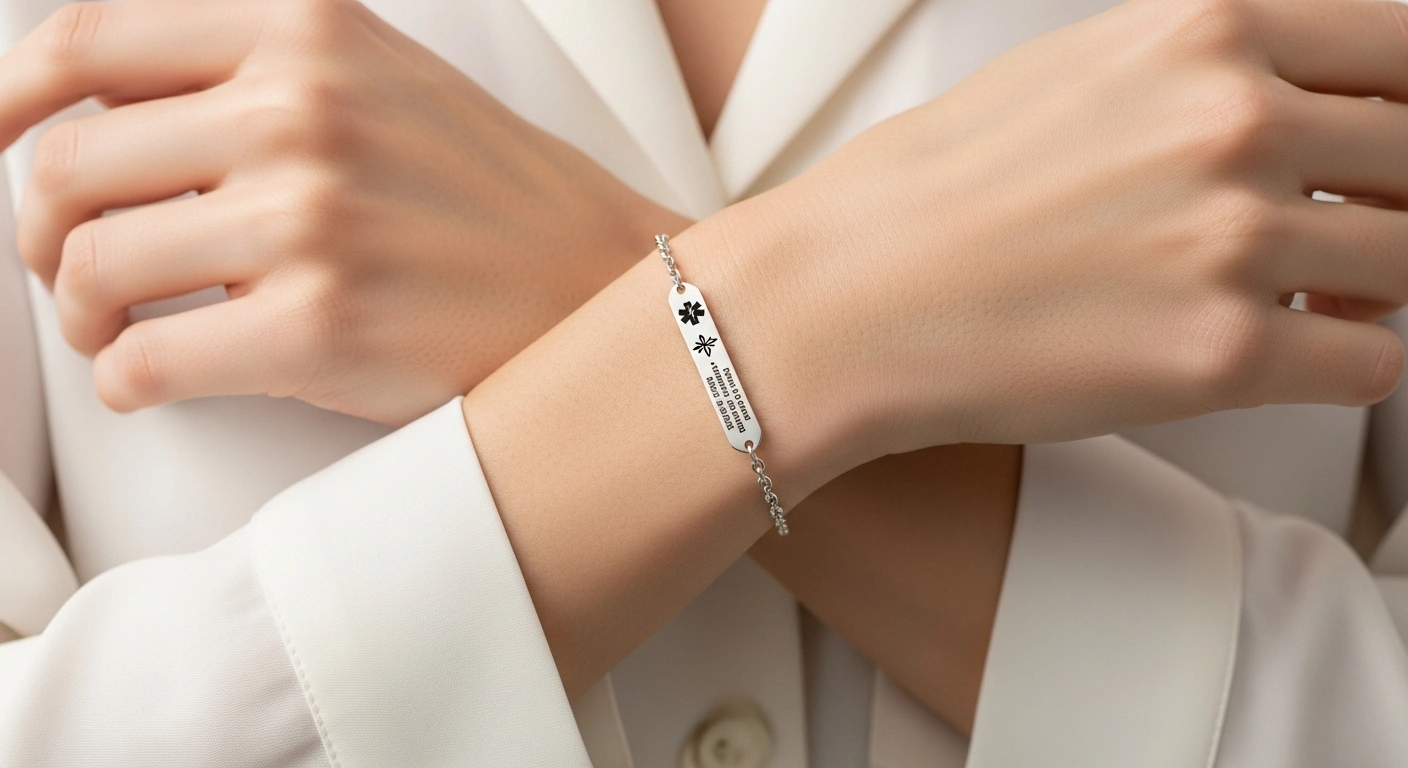
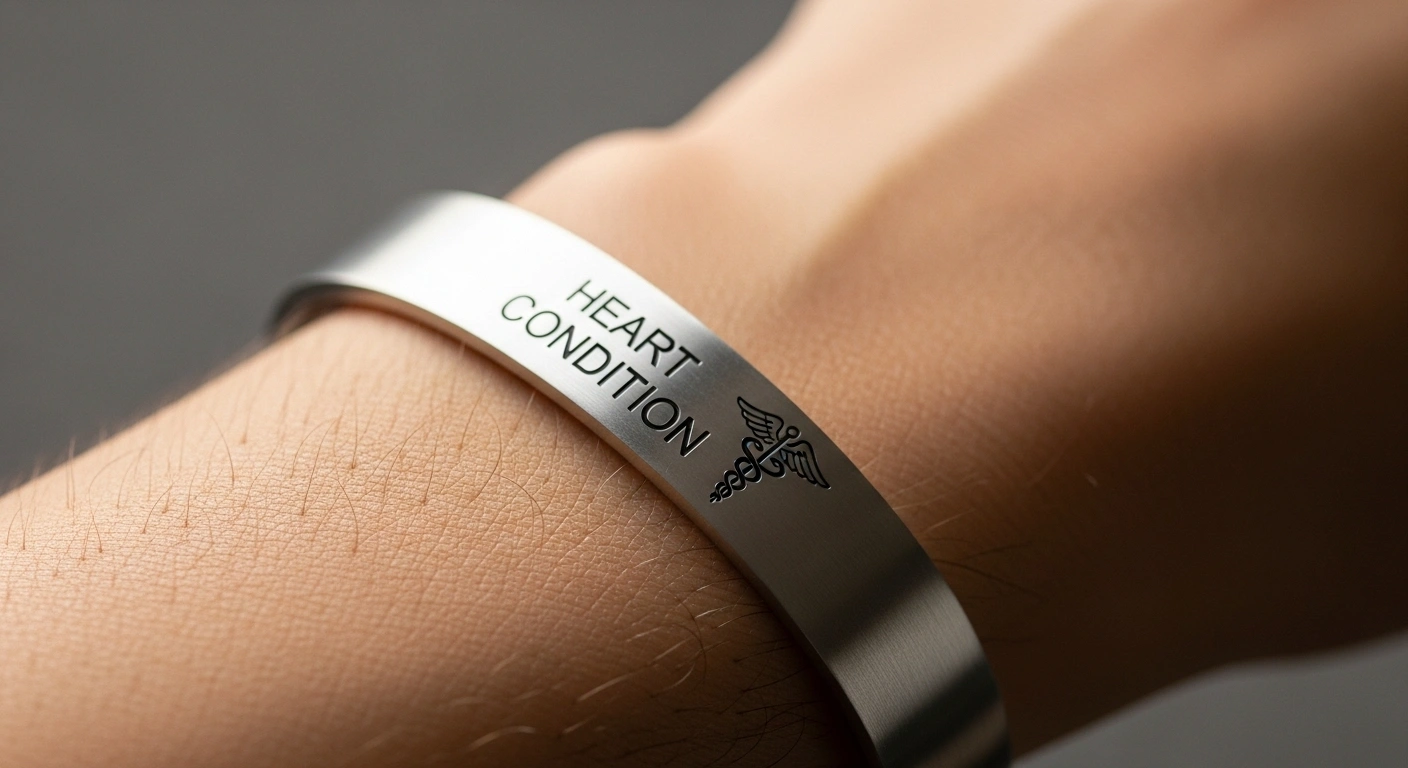
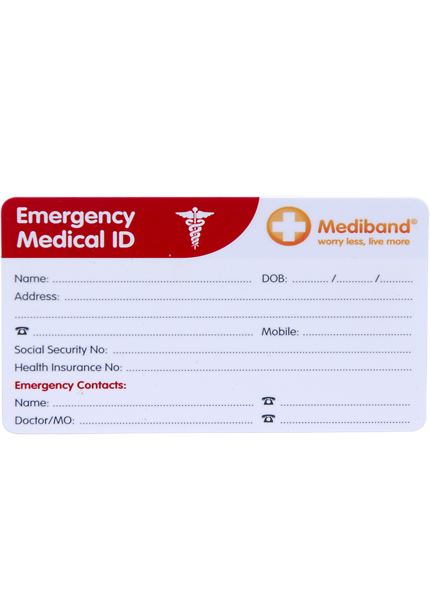
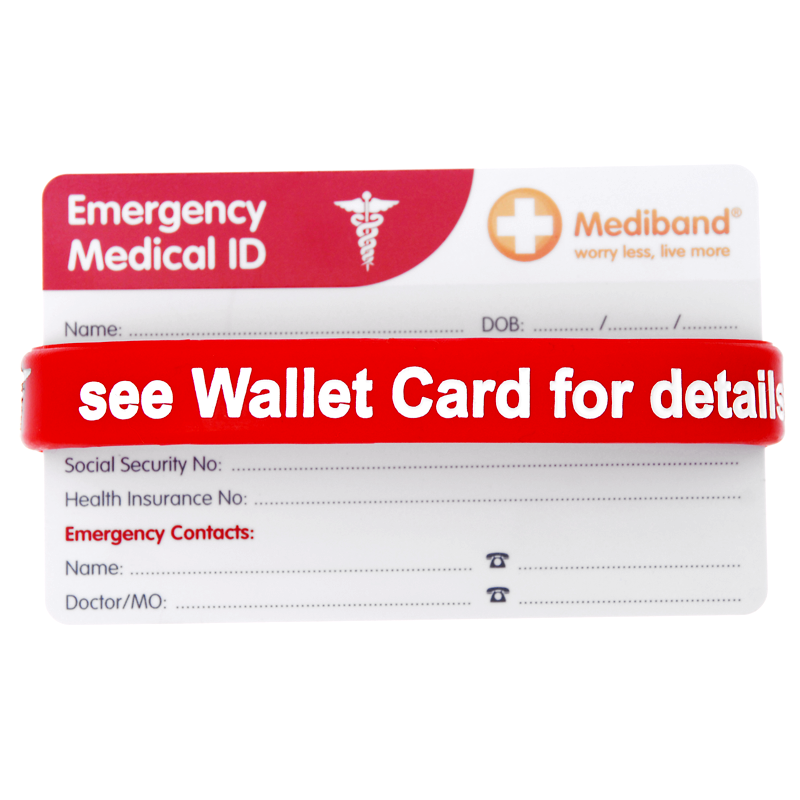
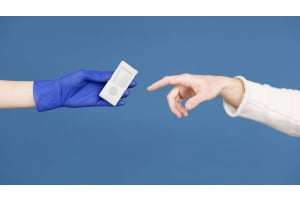
A medical wallet card is a compact, laminated card that fits in your wallet or purse and contains essential health information. Unlike a medical alert bracelet — which communicates a single primary condition — a wallet card provides space for a full medical profile including diagnoses, medications, allergies, emergency contacts, and your doctor's details.
Together, a medical wallet card and a medical alert bracelet form a complete emergency communication system.
Who Needs a Medical Wallet Card?
People with Allergies
Those with food allergies, drug allergies, or anaphylaxis risk need a wallet card to list their specific allergens and the medications they carry — such as an EpiPen. First responders need to know which medications are safe to administer.
People with Chronic Conditions
Diabetes, epilepsy, heart disease, asthma, and many other chronic conditions require specific emergency protocols. A wallet card ensures paramedics act on accurate, up-to-date information even if you are unconscious or unable to speak.
People Taking Multiple Medications
Polypharmacy — taking five or more medications simultaneously — affects a significant proportion of adults worldwide. Many drugs interact with emergency treatments. Your wallet card should list all current medications and dosages.
Older Adults and Carers
Older adults often have multiple health conditions and are at greater risk of falls and emergencies. Carers accompanying someone with dementia or complex needs should carry a card outlining that person's requirements.
What to Include on Your Medical Wallet Card
A well-prepared medical wallet card should include: full name and date of birth, primary medical conditions, known allergies (medications, foods, substances), current medications and dosages, blood type if known, emergency contact name and phone number, and your GP or specialist's contact details.
Medical Wallet Card vs Medical Alert Bracelet: Do You Need Both?
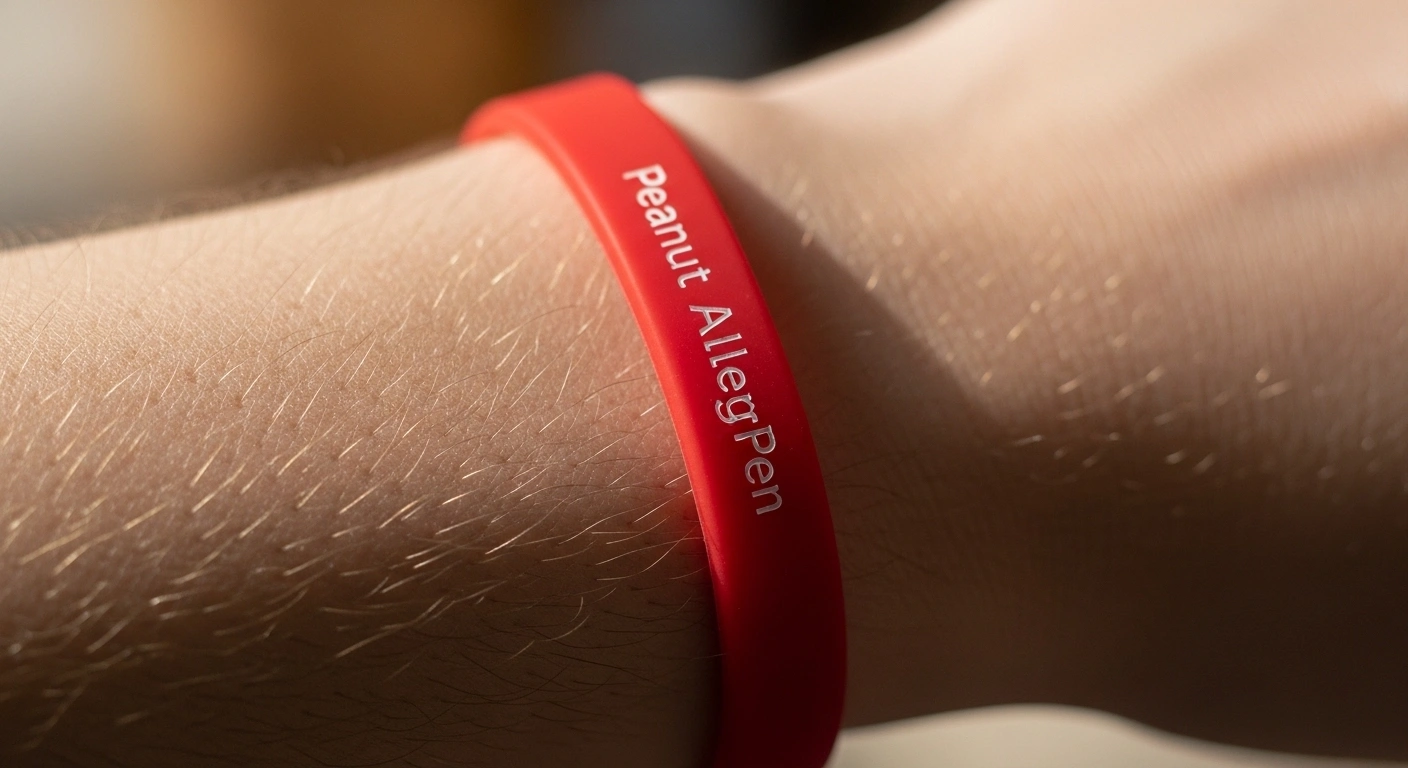
Yes — they serve different purposes. A medical alert bracelet is immediately visible to first responders and alerts them to your primary condition. A wallet card provides the detailed backup information needed to guide treatment decisions.
The most effective emergency medical setup combines both: the bracelet flags the condition, the card provides the full picture. Several Mediband combo packs include both a bracelet and a wallet card.
Keeping Your Medical Wallet Card Up to Date
A medical wallet card is only useful if the information is current. Review and update your card whenever your medications change, after a new diagnosis, after surgery, or at least every 12 months as a general check. Store it in the same location in your wallet every time so it is easy to find in an emergency.
Specialist Packs for Common Conditions
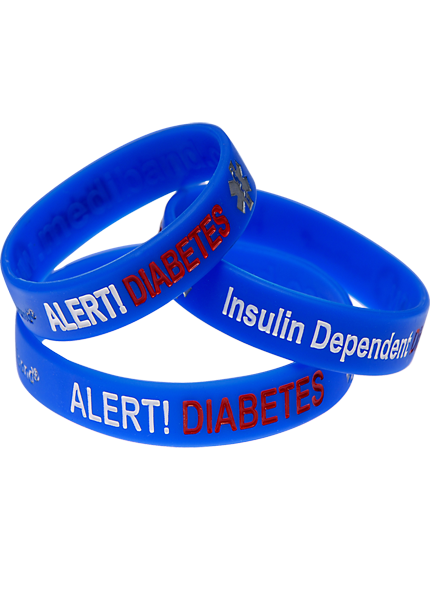
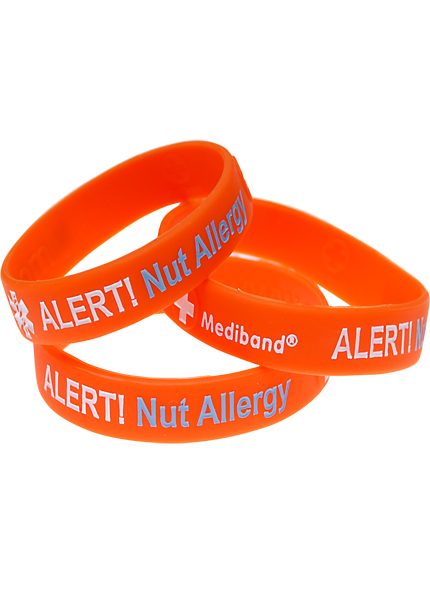
For those managing diabetes, the Insulin Dependent Diabetes Pack includes a bracelet and wallet card sized for diabetes-specific emergency information. Similar packs are available for nut and peanut allergies, making it easy to get a complete, condition-specific emergency kit in one purchase.
Medical Wallet Cards and Emergency Packs
Give first responders the full picture — every time.
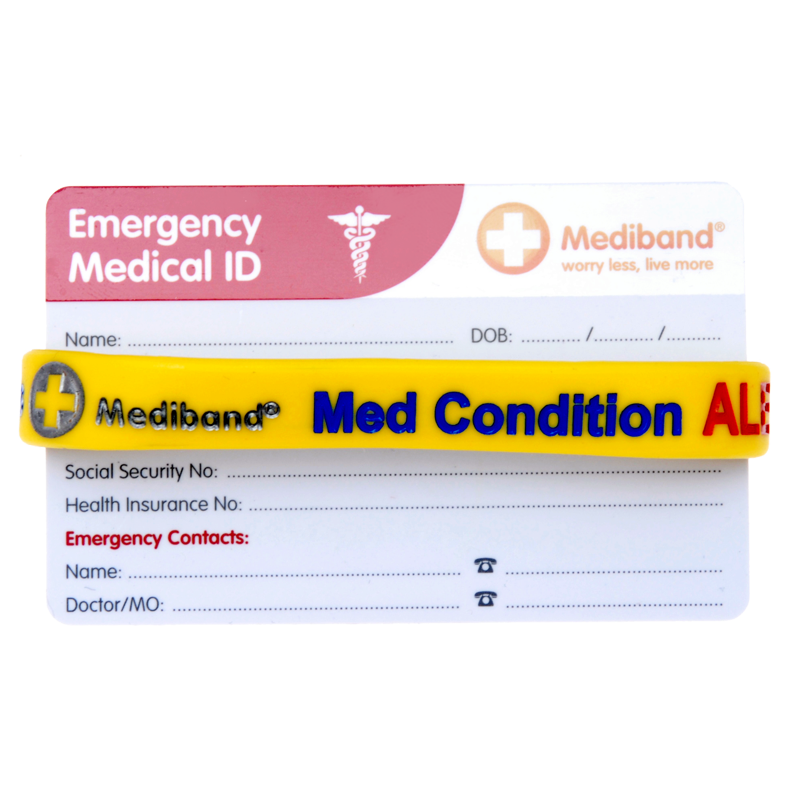

A medical wallet card is a small investment that can have enormous consequences in an emergency. If you have any health condition — chronic, acute, or managed by medication — carrying one is not optional, it is essential. Pair it with a medical alert bracelet for the most comprehensive emergency communication possible.
Frequently Asked Questions
What should I write on a medical wallet card?
Include your name, date of birth, medical conditions, allergies, current medications and dosages, blood type, emergency contact details, and your GP or specialist's name and phone number.
Where should I keep my medical wallet card?
Keep it in the same slot in your wallet every time so it is easy to locate in an emergency. Some people also keep a copy at home and leave one with a trusted family member.
Do I need both a medical bracelet and a wallet card?
Yes — they complement each other. The bracelet is immediately visible to first responders and signals your primary condition. The wallet card provides the detailed medical information needed to guide treatment.
How often should I update my medical wallet card?
Review your card whenever your medications or diagnoses change, and at a minimum every 12 months. An outdated card can be as dangerous as no card at all.

Share on Facebook

Share on X

Share on Pinterest
Comment(s)
Recent Posts
The Risk Of Not Wearing An Allergy Medical Alert Bracelet
March 23, 2026